Best shore fishing near Morgantown West Virginia
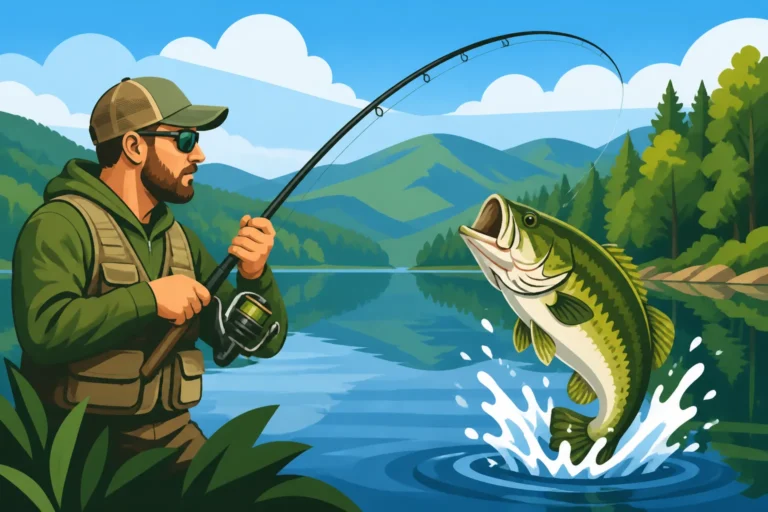
Feeling the urge to cast a line but don't have a boat, or maybe you just prefer the simplicity of fishing from solid ground? It's a common frustration in a state as rich with waterways as West Virginia – sometimes it feels like all the best spots are out in the middle of a lake or river. But I'm here to tell you that’s simply not true! This guide will take a deep dive into the very best shore fishing spots right near Morgantown, helping you discover excellent opportunities to enjoy the peace of the water and reel in some great catches without ever stepping into a boat.
Understanding the Morgantown Area's Unique Fishing Opportunities
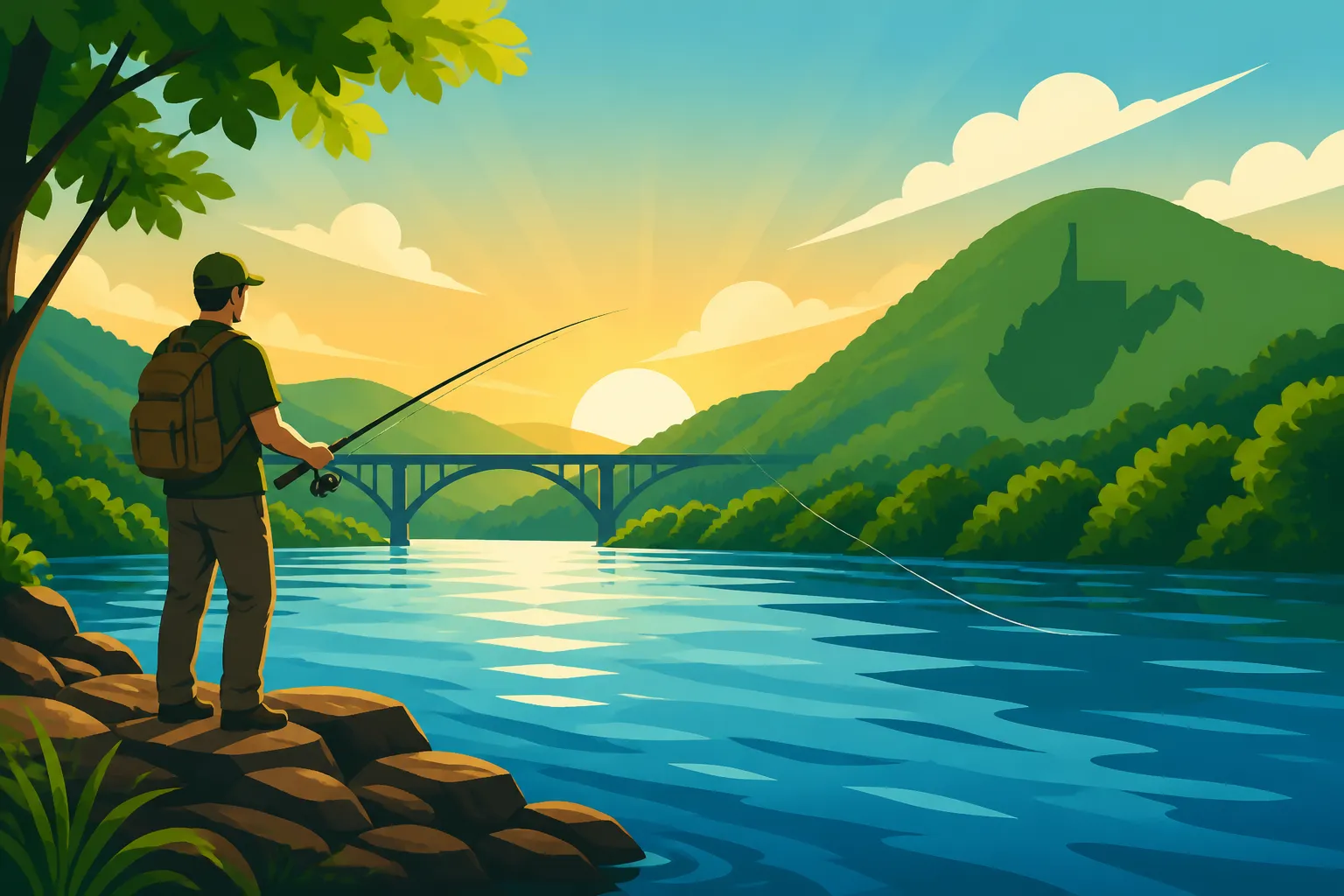
Morgantown, nestled in the scenic hills of North Central West Virginia, is surrounded by a fantastic network of waterways, primarily the Monongahela River and the expansive Cheat Lake. While many anglers gravitate towards boat fishing on these larger bodies of water, there are plenty of overlooked gems and accessible areas perfect for shore-bound enthusiasts. It's all about knowing where to look and understanding the unique characteristics of each location.
The Influence of the Monongahela River and Cheat Lake
When we talk about fishing near Morgantown, it’s impossible not to start with the "Mon" and Cheat Lake. The Monongahela River, often just called the "Mon" by locals, is a major navigable river that flows right through Morgantown. It's a working river, characterized by its locks and dams, which create slower pools perfect for various species. Shore access here can be a mix of urban park settings and more rugged, natural banks. You'll find a different kind of fishing here than on the pristine mountain streams, but it's incredibly productive, especially for species that thrive in larger river systems.
Then there's Cheat Lake, officially Lake Lynn, a massive reservoir just east of Morgantown. This lake is a hub for recreational activities, and while it's famous for its boating and watersports, it also offers numerous coves, parks, and publicly accessible shorelines. These areas provide a fantastic contrast to the river, with clearer water and a different array of fish species. Understanding the flow of the river and the depth variations of the lake is key to successful shore fishing in these diverse environments.
Expanding Your Horizons: Nearby Lakes and Public Access Areas
While the Monongahela River and Cheat Lake are your immediate go-tos, don't limit yourself! Just a bit further out, still well within a reasonable drive from Morgantown, you'll find other excellent shore fishing opportunities. These spots often provide different experiences, from quieter state park lakes to larger reservoirs with dedicated fishing piers.
For instance, Tygart Lake State Park, a bit south near Grafton, offers a beautiful setting with designated fishing areas and sometimes even accessible piers. These state park lakes are often managed with anglers in mind, making shore access more straightforward. Coopers Rock State Forest, famous for its breathtaking overlooks, also has some smaller ponds and stream access where you might find a quiet spot to cast a line, though these are more for the adventurous type willing to explore. The key is seeking out public land and established parks, as they are most likely to offer safe and legal access points for shore anglers. If you're planning a trip and want to get a broader sense of the fishing opportunities in the region, sometimes looking up local guides on platforms like FishingBooker can give you insights into what species are hot and where, even if you're not booking a charter.
Prime Shore Fishing Spots: A Detailed Look Near Morgantown
Now that we've set the stage, let's get down to the nitty-gritty: the actual spots where you can set up your gear and enjoy some fantastic shore fishing. Each location offers a unique flavor of the West Virginia angling experience.
Cheat Lake's Accessible Banks and Piers
Cheat Lake is a magnificent body of water, and thankfully, parts of it are very friendly to shore anglers. You don't need a boat to enjoy some serious action here.
Cheat Lake Park (Lake Lynn Beach Park): This is probably the most accessible and well-known spot for shore fishing on Cheat Lake. The park offers plenty of open shoreline, picnic areas, and even a designated swimming beach (which is obviously off-limits for fishing during swimming season, but nearby banks are often available). The advantage here is convenience. You can park easily, walk a short distance, and set up shop. The waters here can hold a variety of species, from panfish like bluegill and crappie to largemouth and smallmouth bass. Early mornings and late evenings are prime times, especially during the warmer months, when fish move closer to the banks to feed. Using simple setups with live bait (worms, minnows) or small jigs and spinners can be incredibly effective here. This spot is also great for families looking to introduce kids to fishing, as the easy access and diverse panfish population make for consistent bites.
Sunset Beach & Nearby Coves: Just a bit further down the lake, Sunset Beach offers another public access point. While primarily a beach, the surrounding areas, especially into the various small coves and inlets that dot the shoreline, can be excellent for targeting bass and panfish. These coves often have submerged brush and structure, providing perfect ambush points for fish. Look for fallen trees, rock piles, or weed beds, which are natural magnets for baitfish and, consequently, the predators that feed on them. Sometimes, just walking the shoreline and looking for these features can lead you to a honey hole. While the name implies sunsets, fishing around sunrise can be equally rewarding, as the changing light often triggers feeding activity.
Monongahela River's Urban and Rural Access
The Monongahela River provides a distinctly different experience than Cheat Lake. It's a wider, deeper river, often with a more consistent current, and harbors a robust population of river-dwelling species.
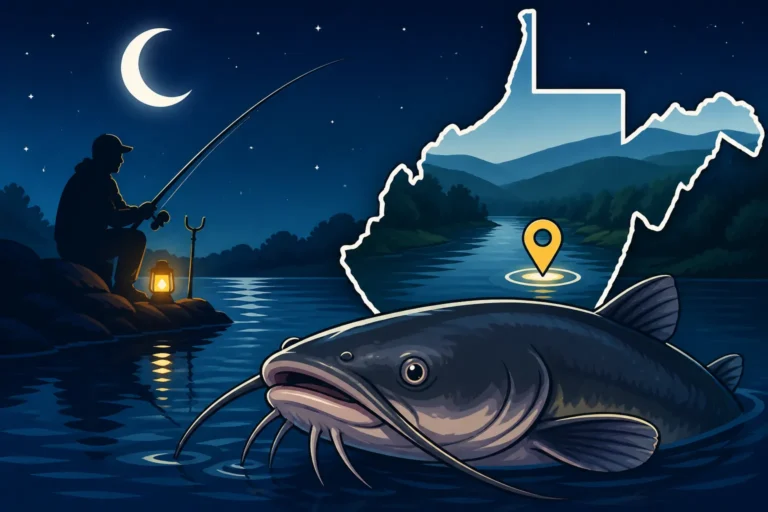
Edith Barill Riverfront Park: Located right in Morgantown, this park offers easy access to the Monongahela River. With paved walking trails and open banks, it’s a great spot for urban fishing. The main draw here is often catfish – both channel and flathead – especially in the deeper holes and slower current eddies. You might also encounter carp, drum, and various species of bass and panfish. This area is particularly productive for night fishing for catfish, which are more active after dark. Heavy bottom rigs with stink bait, cut bait, or even a simple nightcrawler can yield impressive results. Remember to be mindful of boat traffic and other park users, as it's a popular spot for many activities. If you're looking to target a specific fish like West Virginia catfish, understanding the local populations can be helped by checking out resources that detail their habits.
Lock & Dam Areas: While direct access right at the lock structures can be restricted for safety, the areas immediately above and below the dams often offer fantastic fishing opportunities. These areas create current breaks, scour holes, and oxygenated water that attract a wide variety of fish. The Monongahela River has several locks and dams, and the pools they create are essentially long, slow-moving lakes. Check local regulations and signage for specific access points, but often, the public land around these structures can provide excellent bank fishing. Species like walleye, sauger, and smallmouth bass will hold in these current seams and deeper pools. For those intrigued by the idea of exploring these complex river systems, even if you’re fishing from shore, considering a broader search on sites like FishingBooker might give you insights into the river's fish population patterns from local guides who operate on the river.
Tygart Lake State Park Shorelines
A little over a half-hour drive south of Morgantown, Tygart Lake offers a more traditional reservoir fishing experience with excellent shore access.
Marina and Public Day-Use Areas: Tygart Lake State Park is a fantastic resource for anglers, and its marina area often provides easy bank access. There are also various day-use areas and picnic spots around the lake that have accessible shorelines. The lake is known for its healthy populations of largemouth and smallmouth bass, crappie, bluegill, channel catfish, and even walleye. The shorelines here are often rocky or covered with submerged timber, providing ample cover for fish.
For bass, casting crankbaits, jigs, or soft plastics along these rocky banks and into coves can be very effective. Panfish can be caught with small jigs or live bait under a bobber, especially around any docks or brush piles. For walleye, early mornings and late evenings are often best, using jigs tipped with minnows or nightcrawlers, or casting suspending jerkbaits. Given Tygart's reputation for diverse species, understanding specific limits, like the West Virginia Walleye Daily and Possession Limits, is always a good idea before heading out.
| Fishing Spot | Primary Species | Best Shore Fishing Approach | Common Baits/Lures | Notes |
|---|---|---|---|---|
| Cheat Lake Park | Panfish, Bass, Catfish | Open banks, coves, easy access | Worms, Minnows, Small Jigs, Spinners | Family-friendly, good for beginners |
| Monongahela Riverfront Park | Catfish, Carp, Smallmouth | Urban banks, deeper holes, current breaks | Stink Bait, Cut Bait, Nightcrawlers, Jigs | Good for night fishing, riverine species |
| Tygart Lake State Park | Bass, Walleye, Panfish | Rocky banks, coves, state park access | Crankbaits, Jigs, Soft Plastics, Live Bait | Beautiful setting, diverse species, good access |
Essential Gear and Tactics for Morgantown Shore Fishing
You don't need a boatload of specialized equipment to be successful at shore fishing near Morgantown. In fact, one of the joys of it is the simplicity. However, having the right basic gear and understanding a few key tactics can make a huge difference in your success and enjoyment.
The Right Rods, Reels, and Lines for Versatility
For shore fishing, versatility is your best friend. You'll likely encounter a variety of species and fishing conditions, so having a setup that can handle a range of situations is ideal.
Medium-Heavy Spinning Setup: A 6'6" to 7' medium-heavy action spinning rod paired with a 2500 or 3000 series spinning reel is a fantastic all-around choice. This setup offers enough backbone to handle larger fish like catfish or bigger bass, while still being sensitive enough to detect bites from panfish. The length helps with casting distance, which is often crucial when fishing from shore to reach deeper water or structure further out. Spool your reel with 10-15 lb braided line, which offers excellent casting distance and sensitivity, and tie on a 2-3 foot fluorocarbon leader (8-12 lb test) for abrasion resistance and stealth in clear water.
Many anglers feel overwhelmed by the sheer amount of fishing gear out there, but truly, a reliable medium-heavy setup is a fantastic starting point. You don't need a dozen different rods; one good, versatile rod will do wonders for your confidence and success. For those looking for recommendations on good entry-level gear, or perhaps even an upgrade, searching for "Best Rod and Reel Combo for Beginners" can point you in the right direction.
Bait and Lure Strategies for Common Species
Knowing what to offer the fish is half the battle. Each of the popular species near Morgantown has its preferences.
Live Bait for Consistent Bites: When in doubt, live bait is almost always a winner. Nightcrawlers are a universal favorite, attracting everything from panfish and trout (if you venture to stocked streams) to bass and catfish. Minnows are excellent for crappie, bass, and walleye. For targeting larger catfish on the Monongahela River, consider cut bait (pieces of shad or bluegill) or chicken livers, which have a strong scent trail. Always check local regulations on bait collection and use.
Artificial Lures for Active Fish: When fish are actively feeding, artificial lures can be incredibly effective and offer the thrill of the strike.
- Jigs: Small curly tail grubs (1/16 to 1/8 oz) are deadly for panfish and smaller bass. Larger bucktail jigs or plastic-tailed jigs (1/4 to 1/2 oz) are great for smallmouth bass and walleye, especially in river current.
- Spinners: Inline spinners like Mepps or Rooster Tails in sizes #1 to #3 are fantastic for panfish, trout, and smallmouth bass.
- Crankbaits: Shallow-diving crankbaits work well along lake shorelines for bass and walleye, especially those that mimic crawfish or baitfish.
- Soft Plastics: Wacky-rigged Senkos, Texas-rigged worms, or creature baits can entice hesitant largemouth and smallmouth bass, especially when fished slowly around cover. For bass anglers, knowing the specific preferences of local populations can make a huge difference, so exploring topics like West Virginia Black Bass Limits and the New River Slot Limit (even for other rivers) can offer insight into local bass management.
Safety and Comfort for Bank Anglers
Your comfort and safety are paramount, especially when you're spending hours by the water.
Dress for Success and Protection: Always check the weather forecast and dress in layers. A good rain jacket is invaluable in West Virginia's unpredictable climate. Sunscreen, a wide-brimmed hat, and polarized sunglasses are essential to protect you from the sun and help you spot fish or underwater structure. Insect repellent is a non-negotiable, especially during warmer months near standing water.
Essential Gear for Comfort and Safety:
- Sturdy Chair: A comfortable, portable chair will make long waits much more enjoyable.
- Cooler: For drinks, snacks, and keeping your catch fresh.
- First-Aid Kit: Small cuts, scrapes, and hook punctures happen. Be prepared.
- Pliers/Forceps: Essential for safely removing hooks from fish (and occasionally from yourself!).
- Wading Boots/Water Shoes: If you plan on doing any wading, even just to get to a better casting position, good footwear with grip is crucial for navigating slippery rocks and uneven bottoms. While you might not need full chest waders, understanding "Best Wading Boots for Rocky Streams" can give you ideas for suitable footwear.
- Headlamp/Flashlight: If you're fishing at dawn, dusk, or night, this is a must-have.
- Trash Bag: Always pack out what you pack in, and maybe a little extra. Let's keep West Virginia beautiful!
Navigating Regulations and Seasons for Shore Fishing
Before you head out, it's absolutely crucial to familiarize yourself with West Virginia's fishing regulations. These rules are in place to protect the fish populations and ensure sustainable fishing for everyone. Getting caught without a license or violating limits can lead to hefty fines, which nobody wants.
Understanding West Virginia's Fishing Rules
The West Virginia Division of Natural Resources (WV DNR) publishes a comprehensive fishing regulations summary each year. This document is your bible for understanding what's allowed and what's not.
Fishing Licenses: The first and most important step is to obtain a valid West Virginia fishing license. Most residents and non-residents aged 15 and over will need one. There are different types of licenses, including annual, short-term, and combination licenses. You can easily purchase them online through the WVhunt system or from various local vendors. Check out the West Virginia Fishing License Guide for 2026 for all the details. It also helps to understand West Virginia Fishing License Age Requirements if you're fishing with younger anglers.
Bag and Possession Limits: These specify how many fish of a particular species you can keep in a day (daily creel limit) and how many you can have in your possession at any given time (possession limit). These limits can vary not only by species but also by specific water bodies. For instance, the limits for black bass on the Monongahela River might be different from those on Cheat Lake. Always consult the official summary. You'll find specific information on topics like West Virginia Walleye Daily and Possession Limits or West Virginia Catfish Daily Limit which are pertinent to Morgantown area fishing.
Season Dates and Special Regulations: While many species are open year-round, some have specific seasons or size restrictions. Trout, for example, have very specific regulations, especially on stocked waters. Certain areas might also have "special regulations" such as catch-and-release only or specific bait restrictions. Always double-check the West Virginia Fishing Regulations Explained for any water you plan to visit.
Best Times to Hit the Shore Near Morgantown
Understanding the general seasonal patterns for different fish species can significantly boost your success rate.
Spring: This is arguably one of the best times for shore fishing. As waters warm, fish become more active and move into shallower areas to feed and spawn.
- Trout: If you're willing to travel to nearby stocked streams (some within an hour's drive), spring is prime trout season. The WV DNR heavily stocks trout in designated waters during this time.
- Bass: Both largemouth and smallmouth bass become very active as they prepare for and engage in spawning. They'll be closer to shore, making them excellent targets for casting jigs, crankbaits, or soft plastics.
- Panfish: Bluegill and crappie also move into the shallows, often around brush and docks, making them easy targets for live bait or small jigs.
Summer: While the heat can make midday fishing tough, early mornings, late evenings, and night fishing can be incredibly productive.
- Catfish: Summer nights on the Monongahela River are fantastic for channel and flathead catfish.
- Bass: They'll often move to deeper cover during the day but can be found shallow during low-light hours.
- Walleye: Can be tricky from shore but are often caught in cooler water at dawn or dusk, especially in the deeper sections of Tygart Lake or below river dams.
Fall: As water temperatures drop, many species go on a feeding frenzy to bulk up for winter, making for some excellent fishing.
- Bass: Smallmouth and largemouth bass are often very aggressive, chasing baitfish in the shallows.
- Walleye: This can be a fantastic time for walleye, especially in Tygart Lake, as they feed heavily.
- Muskie: While not typically a shore-fishing target, fall is peak season for muskie, and occasionally, one might be caught from an accessible bank in the Monongahela River if you're lucky enough to be casting large baits. You might even use a platform like FishingBooker to scout local muskie guides just to get a sense of which river sections are most productive for these elusive fish.
Winter: For the dedicated angler, winter offers unique opportunities, especially for species that thrive in cold water or during mild spells.
- Walleye & Sauger: The Monongahela River can be very productive for sauger and walleye in deep holes and below dams, even from shore, especially with jigs.
- Trout: Some streams receive winter trout stockings, and ice fishing, though less common near Morgantown, can be an option on smaller, safe-to-access ponds if conditions allow.
For a broader overview of yearly patterns, consider looking up West Virginia Fishing Seasons by Month to align your trips with optimal conditions.
Disclaimer
The information provided in this guide is for general informational purposes only and is subject to change. Fishing regulations, license requirements, and local access points can be updated by the West Virginia Division of Natural Resources or local authorities. Always consult the most current official West Virginia Fishing Regulations Summary and respect all posted signage and private property rules before fishing. We are not responsible for any incidents, accidents, or regulatory violations that may occur.