Best shore fishing near Charleston West Virginia
Trying to find a great fishing spot near Charleston, West Virginia, when you're limited to shore access can feel like a real puzzle. Many of our beautiful rivers and lakes are best explored by boat, leaving bank anglers wondering where they can actually cast a line without trespassing or ending up in a crowded, unproductive area. This guide is all about cutting through that confusion, giving you the lowdown on accessible, promising shore fishing locations right around the Capital City, along with the practical know-how to make your trips successful.
Why Shore Fishing Near Charleston Can Be a Challenge
It's a common frustration for anglers in West Virginia: you see these gorgeous rivers and lakes, but public access from the bank often feels like a well-kept secret. Charleston, nestled along the Kanawha River, offers incredible fishing opportunities, but much of that action is traditionally thought of as boat-centric. This can leave those without a vessel feeling a bit left out, constantly searching for those elusive, productive stretches of shoreline.
Navigating Limited Public Access
One of the biggest hurdles is simply finding where you're legally allowed to fish from the bank. Many prime spots along the larger rivers are privately owned, or they're part of industrial zones, or even steep, inaccessible terrain. You might drive past miles of water, only to find no suitable parking or safe place to set up your gear. This isn't unique to Charleston; it's a challenge across the state. However, the good news is that local and state agencies have worked to create designated public access points, though they sometimes require a bit of knowing where to look. It’s also important to remember that just because you can see the water, doesn't mean you can fish there. Always respect private property signs and stick to clearly marked public areas to avoid any issues.
Understanding River Dynamics from the Bank
Fishing a large river like the Kanawha from the bank presents its own set of unique challenges compared to, say, a quiet pond. The powerful current can sweep away lighter baits, making it hard to keep your offering in the strike zone. Debris from recent rains might make fishing difficult, and finding structure—like submerged logs, rock piles, or current breaks—from shore requires a keen eye and often some local knowledge. Plus, the sheer size of the river can be intimidating; where do the fish even hide in all that water? Without the ability to cover vast expanses by boat, shore anglers need to focus on specific, high-probability areas like eddies, points, and sudden drop-offs that are within casting range. It's a game of patience and precision, but the rewards can be incredible when you hook into a big channel catfish or a hefty hybrid striped bass.
Top Shore Fishing Spots Within a Short Drive of Charleston
When it comes to finding great shore fishing close to Charleston, you've got a few solid options. While the Kanawha River is the big draw, don't overlook some of the smaller, more manageable lakes and tributaries that offer excellent opportunities, often with easier access and less crowded conditions.
Kanawha River Access Points
The Kanawha River is a true gem, flowing right through Charleston and offering fantastic fishing for a variety of species, from catfish and carp to sauger, walleye, and even hybrid striped bass. The key is knowing the public spots where you can actually get to the water and cast effectively.
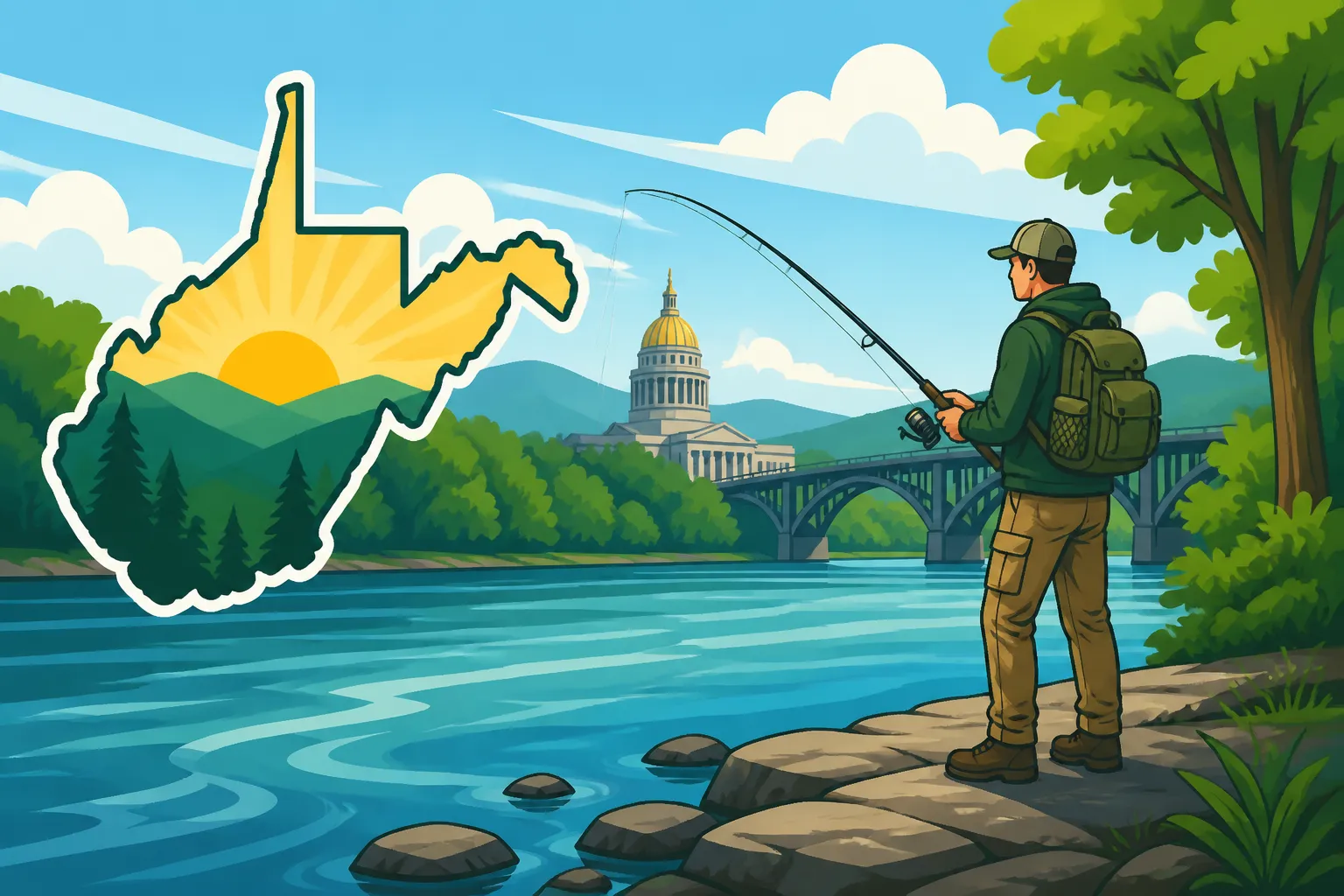
One of the most popular and easily accessible areas is around the Schoenbaum Loop and the Patrick Street Plaza downtown. Here, you'll find paved walkways and bank access, making it great for a casual outing or for those with mobility challenges. While it might not feel like a wilderness experience, the urban environment can actually concentrate fish, especially catfish, which are often found near bridges and deeper channels. You might be surprised at the size of the fish you can pull out of these waters. For those looking for a bit more seclusion or different scenery, the public boat ramps and adjacent banks in South Charleston and Marmet also provide good points for shore anglers. These spots often have more varied structure along the banks, offering better hiding places for game fish. When planning your trip, you might even check out resources like FishingBooker to see what local guides are catching in the Kanawha River, which can give you insights into species activity, even if you're fishing from shore. You can find more detailed insights on the river in our comprehensive guide to Kanawha River Fishing Spots.
Local Ponds and Lakes for Easier Access
Sometimes, the best fishing isn't about the biggest river, but the most accessible and productive local pond. Charleston and its surrounding communities have several smaller impoundments that are regularly stocked or hold good populations of warmwater species, perfect for a relaxing day of bank fishing.
Coonskin Park Pond in Charleston is a fantastic option, especially for families or beginners. This pond is regularly stocked with trout during the cooler months, making for some exciting action, and it also holds resident populations of bluegill, sunfish, and bass. The park offers easy bank access, picnic areas, and restrooms, making it a comfortable environment for a day out. It’s a great place to introduce kids to fishing or just enjoy some consistent bites. Another notable spot is Hurricane City Park Lake in Putnam County, just a short drive west of Charleston. Similar to Coonskin, it’s a well-maintained community lake with easy shore access, healthy populations of panfish, bass, and often stocked trout. These smaller waters are ideal because you don't need to cast a mile; fish are usually within easy reach of the bank, and the lack of strong current makes presentation much simpler. If you're targeting panfish, these smaller lakes are prime locations. You can dive deeper into specific locations and strategies for our state's smaller impoundments in our guide to Best Panfish Ponds near Charleston West Virginia.
Opportunities on Tributaries and Smaller Streams
Beyond the main stem of the Kanawha, the area around Charleston is laced with smaller tributaries and creeks that flow into the larger river systems. While access can be a bit more rugged, these spots often offer a more intimate fishing experience and can hold surprisingly good numbers of fish.
Streams like Elk River, particularly below Sutton Lake, and Coal River and its forks (Big Coal, Little Coal), offer varied opportunities. While large sections of these rivers are better fished by boat or kayak, there are public bridge crossings, small parks, and road pull-offs that provide limited but effective bank access. The Elk River is renowned for its trout fishing, especially in its upper reaches, but even closer to Charleston, it holds good populations of smallmouth bass and panfish. The Coal River system, while often overlooked, can be excellent for smallmouth bass, especially during warmer months. Fishing these smaller waters from shore usually involves a bit more walking and exploring, but the reward can be finding an untouched pool or riffle holding eager fish. Always check local regulations, as some smaller streams may have special fishing rules or seasonal closures. Understanding the broader West Virginia Fishing Seasons by Month can help you plan your tributary adventures.
Essential Gear and Techniques for Charleston Shore Fishing
You don't need a boatload of fancy equipment to have a fantastic day of shore fishing near Charleston. The beauty of bank angling is its simplicity. However, having the right gear and knowing a few key techniques can drastically improve your success and enjoyment.
Tackle Box Essentials for River and Pond
Whether you're hitting the Kanawha River or a local pond, a well-organized tackle bag with a few versatile items is all you really need. Forget the massive tackle box; efficiency is key when you're hiking to a spot or standing on the bank.
Here’s a breakdown of what should be in your Best Tackle Bag for Bank Fishing:
| Item | River Fishing (Kanawha) | Pond Fishing (Coonskin, Hurricane) | Notes |
|---|---|---|---|
| Rod & Reel | Medium to Medium-Heavy spinning combo (7-8 ft) | Light to Medium-Light spinning combo (6-7 ft) | Versatility for various species and casting distances |
| Line | 10-20 lb monofilament or braid (with mono/fluoro leader) | 4-8 lb monofilament or fluorocarbon | Heavier for current, lighter for finesse |
| Hooks | Size 1/0 – 4/0 circle hooks (for catfish), 2-6 baitholder hooks | Size 6-10 panfish hooks, 1/0-2/0 worm hooks (for bass) | Match hook size to bait and target species |
| Weights | 1/2 oz – 2 oz egg or bell sinkers, split shots | Small split shots, 1/8 – 1/4 oz bullet weights | Heavier for current, lighter for subtle presentations |
| Bobbers/Floats | Slip bobbers for deeper water | Small clip-on or slip bobbers | Detect bites, keep bait off bottom |
| Lures/Baits | Cut bait (chicken liver, shad), worms, prepared catfish baits | Worms (live or artificial), small spinners, jigs, small crankbaits | Live bait is often king for catfish, varied for ponds |
| Pliers/Forceps | Essential for hook removal | Essential for hook removal | Safety first for both you and the fish |
| Clippers | For cutting line | For cutting line | Always keep sharp |
| Net | Long-handled landing net (optional, for larger fish) | Small landing net (optional, for easier handling) | Aids in landing, especially if alone |
For beginners, a good Best Rod and Reel Combo for Beginners can simplify your setup and ensure you have reliable equipment without breaking the bank. Don't forget a small first-aid kit, insect repellent, and plenty of water, especially during those warm West Virginia summers.
Effective Techniques from the Bank
Once you've got your gear sorted, understanding how to use it effectively from the bank is the next step. Different environments call for different approaches.
For the Kanawha River, bottom fishing is often your best bet, especially if you're targeting catfish, carp, or even walleye. A simple Carolina rig or a three-way swivel rig with a heavy enough sinker to hold bottom against the current is ideal. Cast upstream and let your bait drift naturally into deeper holes or along current seams. Pay close attention to eddies or areas where the current slows down, as these are natural holding spots for fish trying to conserve energy. For insights on this specific technique, check out our guide on Bottom Fishing for Catfish in West Virginia Rivers. Artificial lures like jigs with soft plastics or crankbaits can also be effective for sauger and walleye, especially when cast parallel to the bank in areas with submerged structure.
When you're at a local pond or small lake, versatility is your friend. A simple bobber and worm setup is a classic for panfish and even smaller bass. Cast near lily pads, submerged timber, or weed lines – these are typical ambush points. For bass, try casting small spinnerbaits, plastic worms (Texas-rigged or Wacky-rigged), or even topwater lures during low-light conditions. These ponds often have less intimidating stretches, making them perfect for practicing your casting. Our guide to Bank Fishing Techniques for West Virginia Lakes offers even more specialized tips. Remember, presentation is key; sometimes a slow, subtle retrieve is what it takes to entice a bite. And don't be afraid to move around! If a spot isn't producing after 15-20 minutes, try another. Exploring new vantage points along the bank can make all the difference. Sometimes, knowing what local anglers are finding through platforms like FishingBooker can help you gauge the general activity of different species in various water bodies.
Respecting the Environment and Regulations
Being a responsible angler means more than just catching fish; it means understanding and adhering to regulations and showing respect for our natural resources. West Virginia boasts some truly beautiful fishing spots, and it's up to all of us to keep them that way.
Understanding West Virginia Fishing Regulations
Navigating fishing laws can sometimes feel like a maze, but it's absolutely crucial for ensuring sustainable fisheries and avoiding legal trouble. Before every fishing trip, especially to a new area, make sure you're up to date on the current regulations. This includes understanding statewide rules as well as any special regulations that might apply to specific waters you plan to visit.
First and foremost, you need a valid West Virginia fishing license. The process is straightforward, but requirements can vary based on residency, age, and any specific endorsements you might need, like a trout stamp. Our comprehensive West Virginia Fishing License Guide for 2026 covers all the essentials, from where to buy your license to what different classes mean. It's important to remember that almost everyone over a certain age needs a license, so understanding West Virginia Fishing License Age Requirements is critical, particularly if you're fishing with family. Beyond the license, pay close attention to species-specific regulations. These include daily creel limits (how many fish you can keep), possession limits (how many you can have on hand), and minimum/maximum length limits. For example, some bass species might have a slot limit, meaning you can only keep fish within a certain size range to protect larger breeding fish. The West Virginia Division of Natural Resources (WVDNR) publishes an annual fishing regulations summary that outlines all these rules. While it might seem like a lot to take in, reading through it or checking the WVDNR website is an essential part of responsible angling. You can find a thorough breakdown in our article West Virginia Fishing Regulations Explained.
Leave No Trace Principles
Beyond the legal requirements, ethical angling means practicing Leave No Trace principles. Our waterways and natural areas are precious, and it’s every angler's responsibility to protect them for future generations.
This means packing out everything you pack in—and then some. Don't leave behind fishing line, bait containers, food wrappers, or any other trash. Fishing line, in particular, can be incredibly harmful to wildlife. Consider carrying a small trash bag with you to collect not just your own litter, but any you might find. Proper disposal of fish remains is also important; if you clean your catch on site, make sure to dispose of entrails away from the immediate shoreline and water, or better yet, take them home for disposal. Avoid disturbing wildlife, whether it's nesting birds or other animals along the bank. Be mindful of your noise levels and keep a respectful distance. For bait, avoid introducing non-native species, and never dump unused live bait into the water, as this can introduce invasive species or diseases that harm local ecosystems. The goal is to leave the area cleaner than you found it, ensuring that the next person, or the next generation, can enjoy the same beautiful fishing experience you did. Platforms like FishingBooker can offer perspectives on various fishing environments, highlighting the importance of conservation in all types of fishing.
Disclaimer
Please be aware that fishing regulations, access points, and fish stocking schedules can change. Always consult the latest West Virginia Division of Natural Resources (WVDNR) regulations and local signage before heading out. Fishing involves inherent risks; exercise caution and prioritize safety on and near the water.