Plum Orchard Lake Fishing
It's easy to feel overwhelmed trying to find that perfect fishing spot, especially in a state as rich with waterways as West Virginia. Many anglers gravitate towards the bigger, more well-known lakes and rivers, often overlooking smaller, yet incredibly productive, gems. Plum Orchard Lake is one such spot that often flies under the radar, but it holds fantastic opportunities if you know where to look. This comprehensive guide will break down everything you need to know to make your next trip to Plum Orchard Lake a resounding success, from understanding its unique features to mastering the best techniques for its thriving fish populations.
Understanding Plum Orchard Lake: A Hidden Gem
Plum Orchard Lake, nestled in Fayette County, truly is one of West Virginia's best-kept fishing secrets. While it might not boast the sheer size of a Summersville Lake or the reputation of the New River, its intimate setting and diverse fishery make it a real treat for those seeking a peaceful and productive day on the water. It’s the kind of lake where you can truly connect with nature and escape the crowds, all while chasing some excellent fish.
Lake Overview and Geography
Plum Orchard Lake is a relatively small, 202-acre impoundment managed by the West Virginia Division of Natural Resources (WVDNR) within the Plum Orchard Lake Wildlife Management Area. Its modest size belies a surprisingly complex underwater geography, featuring a mix of shallow coves, deeper channels, submerged timber, and rocky points. The lake has an average depth of about 15-20 feet, with some areas near the dam dropping down to 30-40 feet. This variety in depth and structure creates a perfect habitat for a range of fish species throughout the year. The shoreline is predominantly wooded, providing ample cover and a feeling of being deep within the wilderness, even though it's easily accessible. The varying topography means that whether you prefer casting to woody cover in the shallows or probing deeper contours, you'll find plenty of interesting features to explore. The lake’s primary inflow comes from Plum Orchard Creek, which brings nutrients and creates some interesting current breaks and transition zones, especially after rainfall, that fish love to congregate in.
Fish Species and Stocking Programs
Plum Orchard Lake is renowned for its excellent warmwater fishery, with largemouth bass, crappie, and channel catfish being the main draws. The WVDNR actively manages the lake, ensuring healthy populations through regular surveys and, when necessary, stocking programs. For instance, the lake receives periodic stockings of channel catfish, which thrive in its fertile waters. Largemouth bass reproduce naturally and maintain a robust population, offering anglers plenty of action. The crappie population is particularly strong, providing fantastic opportunities for panfish enthusiasts. While it’s primarily a warmwater lake, the WVDNR also sometimes stocks trout in cooler months or during special events, though it's not a primary trout destination like some higher-elevation streams. Always consult the latest WVDNR regulations to see what species are currently being stocked and what specific limits apply to them. Understanding the West Virginia Fishing Seasons by Month will also help you anticipate when certain species might be more active or subject to special regulations.
Prime Fishing Spots and Techniques for Plum Orchard Lake
Knowing what fish are in Plum Orchard Lake is one thing, but knowing where and how to catch them is where the real adventure begins. Each species has its preferred haunts and methods, and understanding these can dramatically increase your success. Plum Orchard offers a variety of habitat types, making it a versatile destination for different fishing styles.
Targeting Largemouth Bass
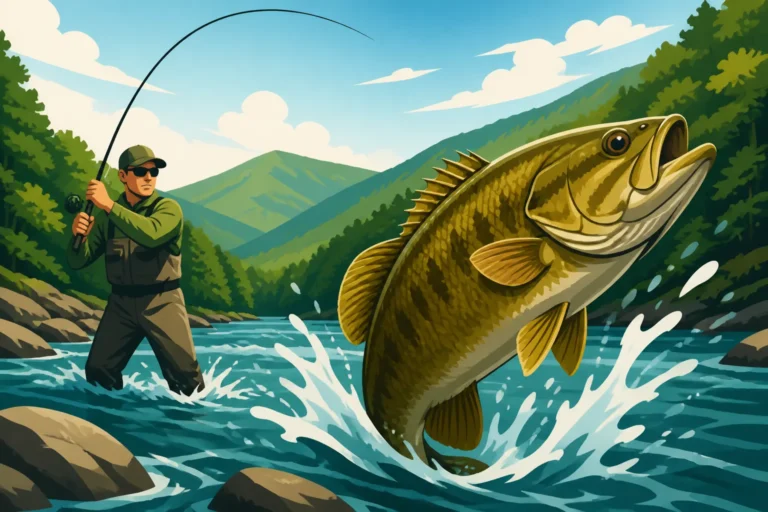
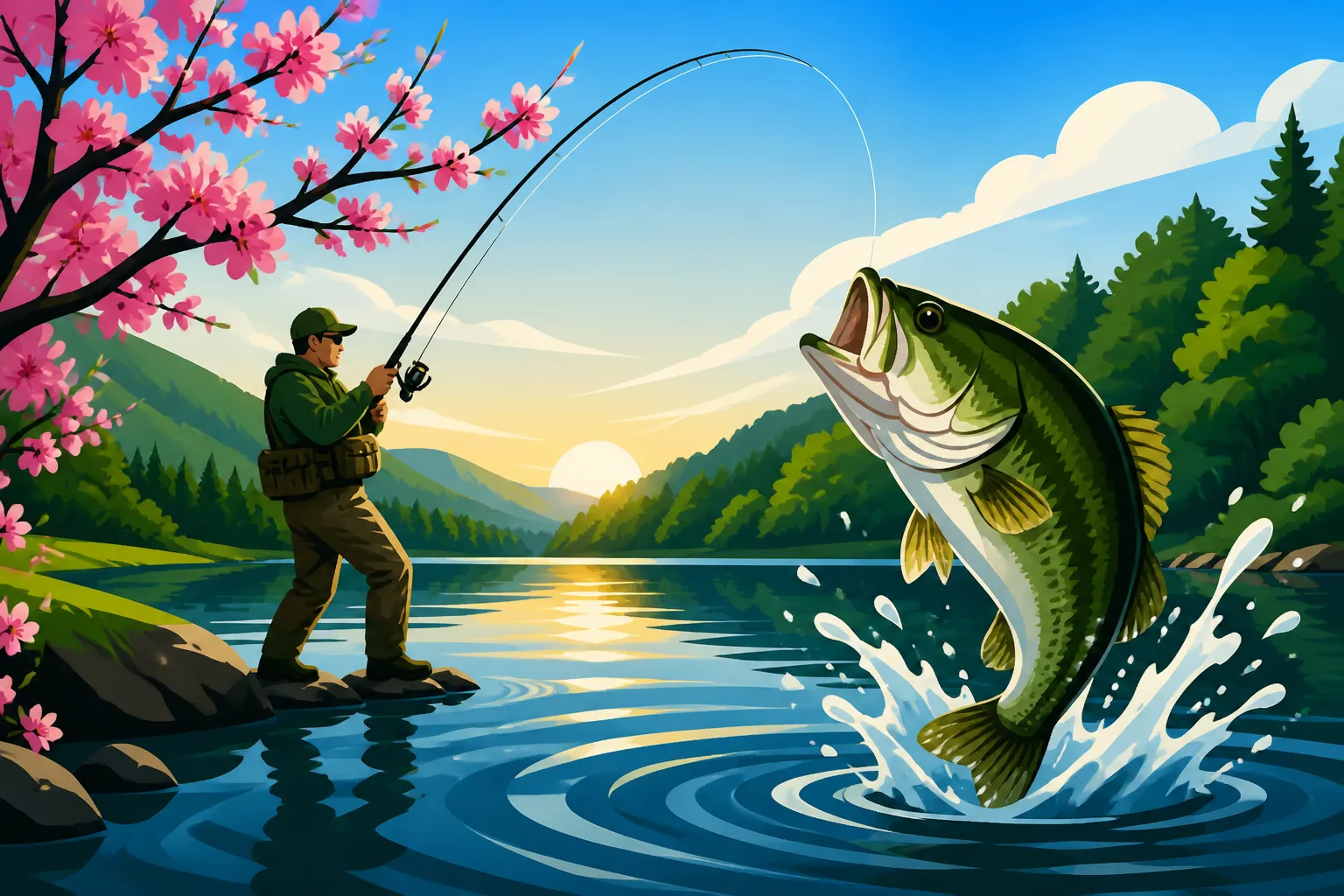
Plum Orchard Lake is a fantastic destination for largemouth bass anglers. These feisty fighters are abundant and can be found throughout the lake, but certain areas tend to hold higher concentrations of bigger fish. Focus your efforts on the countless coves, particularly those with standing timber or submerged brush piles. Bass love to ambush prey from cover, so any structure that breaks up the open water is a potential hotspot. The rocky points extending into the main lake body are also prime locations, especially during the spring and fall when bass are more actively feeding. Look for areas where a shallow flat drops off into deeper water, as these transition zones are often travel corridors and feeding grounds.
When it comes to lures, a versatile approach works best. In the spring, spinnerbaits and lipless crankbaits thrown around emerging vegetation and shallow wood can be deadly. As the water warms in summer, try flipping jigs or Texas-rigged worms into dense cover. Topwater lures like poppers and frogs can provide explosive action during low-light conditions, especially in the mornings and evenings over matted vegetation. For a deeper presentation, a crankbait that dives to the lake’s average depth, or a Carolina-rigged lizard, can entice bass holding on main lake points or submerged humps. Remember, largemouth bass on Plum Orchard Lake are often ambush predators, so presentation near cover is key. You might even consider booking a trip through a platform like FishingBooker to learn local secrets from a seasoned guide familiar with these patterns.
Crappie and Panfish Hotspots
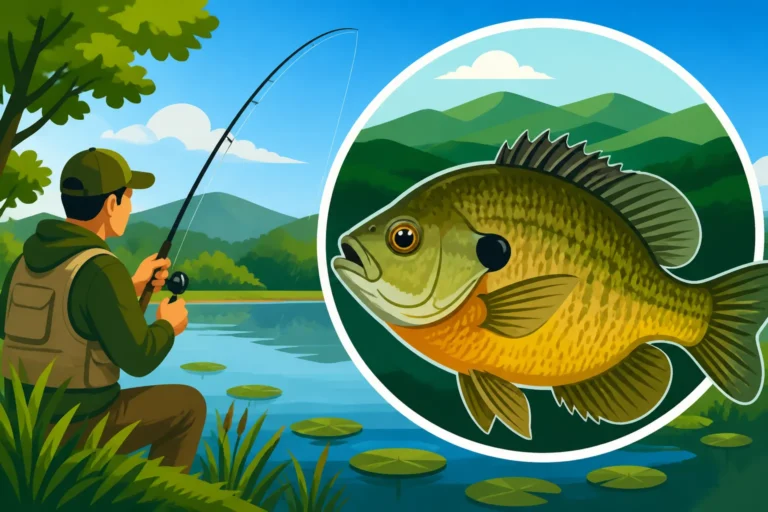
If you're looking for consistent action and some tasty fillets, the crappie and other panfish in Plum Orchard Lake are an excellent target. Crappie tend to school up, especially around submerged brush piles, standing timber, and bridge pilings if there are any, and the dam area often holds deep schools. In the spring, they move into shallower coves to spawn, making them easier to target for shore anglers or those in smaller boats. For those passionate about Panfish Fishing in West Virginia, Plum Orchard Lake truly shines. Bluegill and sunfish are ubiquitous, found almost anywhere there's vegetation or rocky cover, particularly along the shoreline.
For crappie, a simple jig and minnow combination is hard to beat. Small jigs (1/16 to 1/32 ounce) tipped with a live minnow or a small plastic grub in chartreuse, white, or black are incredibly effective. Fish these vertically around structure, or under a bobber in shallower areas. For bluegill and other sunfish, a small hook with a piece of worm, crickets, or mealworms under a tiny bobber will provide endless entertainment. Ultralight spinning gear is perfect for these species, allowing for sensitive bites and an enjoyable fight. Target the calmer, protected coves where you can see evidence of structure or even spawning beds in the spring. Don't be afraid to experiment with depth; sometimes crappie will suspend at various levels, especially over deeper water near structure.
Catfish Hunting Strategies
Plum Orchard Lake is home to a healthy population of channel catfish, offering a different kind of angling challenge. These opportunistic eaters can grow to respectable sizes and provide a powerful fight. Catfish are often found in the deeper channels of the lake, particularly near the dam and where the main creek channel runs through the impoundment. They also frequent areas with soft, muddy bottoms where they can scour for food. Look for submerged logs, fallen trees, or undercut banks where they might find shelter and feeding opportunities. The evenings and nights are prime times for catfish, as they become more active feeders after the sun goes down, but they can certainly be caught during the day, especially in deeper, shadier spots.
Bottom fishing is the most effective strategy for channel catfish. A simple Carolina rig or a three-way swivel rig with a heavy enough sinker to hold your bait on the bottom is ideal. When it comes to bait, catfish aren't picky. Stink baits, cut bait (like pieces of shad or sunfish), chicken livers, and nightcrawlers are all highly effective. Some local anglers swear by shrimp or even hot dogs soaked in garlic. Cast your bait out into known deeper areas or along the edges of the main channel and let it sit. It's often a waiting game, but the reward of a big channel cat pulling on your line is well worth it. Sometimes, using a fish finder can help locate deeper pockets or channels where catfish might be congregating, allowing you to drop your bait directly into their zone.
Navigating Plum Orchard Lake: Boating and Access
Getting onto and around Plum Orchard Lake is relatively straightforward, but understanding the access points and any restrictions is crucial for a smooth fishing trip. Whether you prefer a motorized boat or the quiet glide of a kayak, the lake offers options for all. Plus, there are some great spots if you prefer to keep your feet on solid ground.
Boat Ramps and Restrictions
Plum Orchard Lake provides good public access for boaters. There is a concrete boat ramp located within the Plum Orchard Lake Wildlife Management Area, making it easy to launch various types of watercraft. This ramp is well-maintained and provides ample parking, which is a big plus, especially on busier weekends. It’s accessible for trailered boats, from bass boats to jon boats. However, it's important to be aware of any specific boating restrictions. Plum Orchard Lake, like many smaller WVDNR lakes, often has a 10 horsepower limit for outboard motors. This regulation is in place to maintain the peaceful atmosphere of the lake and ensure safety for all users, including those in kayaks and canoes. Always double-check the latest WVDNR regulations, as these can sometimes change. This horsepower limit makes the lake particularly appealing for electric trolling motor users or those who prefer the quiet approach for bass and crappie fishing. For those considering a trip, you can use a service like FishingBooker to inquire about local guides who might offer trips on electric-powered boats suitable for these restrictions. If you're planning to bring your own vessel, be sure to understand all West Virginia Boating Laws for Anglers, including registration requirements and safety equipment.
Shoreline Fishing Opportunities
For anglers who prefer to stay on land, Plum Orchard Lake offers decent shoreline access, particularly near the boat ramp and along designated areas within the Wildlife Management Area. While not every inch of the shoreline is easily walkable due to dense woods, there are several spots where you can comfortably cast a line. The area immediately surrounding the boat ramp often has open banks suitable for fishing, and sometimes small fishing piers or platforms are present (though their availability can vary). These spots are excellent for targeting panfish and even bass that cruise the shallow margins.
If you're willing to do a bit of walking, exploring the hiking trails that parallel parts of the lake can lead you to secluded coves and points that receive less pressure. These can be prime locations for largemouth bass, especially in the spring and fall. Always be mindful of your footing and wear appropriate footwear, as some sections can be uneven. For catfish anglers, the deeper pockets accessible from shore, particularly near any drop-offs or the dam area (if safely accessible), can be very productive during the evenings. Being prepared with a sturdy rod holder and a comfortable chair can make your shoreline experience much more enjoyable. For more tips on finding accessible spots, check out our guide on Best Shore Fishing Spots in West Virginia.
Seasonal Fishing Guide for Plum Orchard Lake
Like any body of water, Plum Orchard Lake's fishing action changes dramatically with the seasons. Understanding these seasonal shifts in fish behavior is paramount to consistently putting fish in the boat or on the bank. From the chilly waters of winter to the dog days of summer, each period offers unique opportunities.
Springtime Success
Spring is arguably one of the most exciting times to fish Plum Orchard Lake. As water temperatures begin to rise from the chilly winter lows, fish become increasingly active and move into shallower water, preparing for their spawning rituals. This is prime time for largemouth bass, which will be in their pre-spawn and spawn phases. Look for them in sunny, protected coves with darker bottoms, as these areas warm up faster. Spinnerbaits, jigs, and slow-moving crankbaits worked around submerged timber and emerging vegetation can be incredibly effective.
Crappie also make their move into the shallows during spring. They'll congregate around brush piles, docks (if any exist), and fallen trees in water as shallow as 2-5 feet. Small jigs tipped with minnows or plastic grubs are deadly. For panfish like bluegill, look for them beginning to build their spawning beds in sandy or gravelly areas along the shoreline. A small worm or cricket under a bobber will often yield continuous action. The key to springtime success is finding those warmer, shallower areas where fish are staging or actively spawning. The fish are often aggressive as they bulk up for or recover from the spawn, making it a great time for numbers and size.
Summer Strategies
Summer fishing on Plum Orchard Lake can be a bit more challenging than spring, but it still offers fantastic opportunities, especially if you adapt your approach. As water temperatures soar, fish tend to move to deeper, cooler water, or seek out shade and oxygen-rich areas. For largemouth bass, this means targeting main lake points, deeper channels, and areas with dense overhead cover like thick mats of vegetation or shady overhangs. Early mornings, late evenings, and even night fishing become more productive as the sun's intensity wanes. Deep-diving crankbaits, Carolina rigs, and large worms or creature baits can entice bass holding in deeper structure. Topwater lures can still work at dawn and dusk.
Crappie will often suspend in deeper water over brush piles or around the dam area. A good fish finder can be invaluable for locating these schools. Vertical jigging or slow trolling with jigs and minnows at specific depths are excellent summer tactics. Catfish, however, remain active throughout the summer, often feeding heavily. Focus on the main lake channels and deeper holes, especially after dark. Strong-smelling baits like cut bait or chicken livers fished on the bottom will be your best bet. Remember to stay hydrated and protect yourself from the sun during summer trips. Consider using a service like FishingBooker to connect with guides who specialize in summer patterns on similar lakes.
Fall and Winter Fishing
As autumn descends upon West Virginia, Plum Orchard Lake undergoes another transformation. Falling water temperatures trigger a "fall feed" as fish gorge themselves in preparation for winter. This is a fantastic time for aggressive fishing, especially for largemouth bass. They'll often school up and chase baitfish in open water, making crankbaits, spinnerbaits, and swimbaits highly effective. Look for schools of baitfish on your sonar, and you'll likely find bass nearby. The main lake points and steeper banks where bass can trap baitfish against the shore become prime targets.
Winter fishing on Plum Orchard Lake, while slower, can still be productive for dedicated anglers. Largemouth bass will slow down considerably, moving to the deepest parts of the lake and becoming lethargic. Finesse techniques like slow-dragging jigs, drop-shotting, or suspending jerkbaits can coax strikes. Crappie will also be found in deeper, concentrated schools, often very close to the bottom or suspended tightly around deep structure. Vertical jigging with tiny spoons or jigs is the go-to method. Catfish may still bite, though less frequently, often retreating to the deepest, warmest holes. For more detailed information on cold-weather angling, check out our guide on Best Winter Fishing Spots in West Virginia. Patience is key in winter, but the rewards can be larger, less pressured fish.
Essential Gear and Tips for a Successful Trip
A successful fishing trip to Plum Orchard Lake isn't just about knowing where and when to fish; it's also about being prepared with the right equipment and understanding the rules. The right gear makes the experience more enjoyable and productive, while adherence to regulations ensures you're fishing responsibly.
Recommended Tackle and Lures
For largemouth bass at Plum Orchard Lake, a medium-heavy baitcasting setup with 12-17 pound fluorocarbon or monofilament line is a versatile choice for throwing jigs, Texas-rigs, spinnerbaits, and medium crankbaits. Having a secondary medium-action spinning rod with 8-10 pound line is also a good idea for finesse presentations like drop-shotting or lighter topwaters. Essential bass lures include jigs (black and blue, green pumpkin), soft plastics (worms, creature baits in natural colors), spinnerbaits (white, chartreuse), crankbaits (shad, crawfish patterns), and some topwater options like frogs or poppers.
For crappie and panfish, an ultralight spinning rod and reel combo spooled with 4-6 pound monofilament is perfect. Small jigs (1/16 to 1/32 ounce) in white, chartreuse, or black, tipped with live minnows or micro plastics, are indispensable. Small hooks (size 8-12) for live bait like worms or crickets, along with an assortment of small bobbers, will cover your panfish needs. For catfish, a sturdy medium-heavy to heavy action spinning or baitcasting rod with 15-25 pound mono or braided line is recommended. Circle hooks (size 2/0 to 5/0), heavy sinkers (1/2 to 2 ounces), and swivels are essential for bottom rigs. As for baits, don't forget the stink bait, cut bait, or chicken livers. While we have guides like Best Tackle for West Virginia Smallmouth Bass, much of that advice can be adapted for the largemouth and other species found here.
| Species | Recommended Rod/Reel | Line Weight | Key Lures/Baits | Prime Season |
|---|---|---|---|---|
| Largemouth Bass | Med-Heavy Baitcaster / Med Spinning | 12-17 lb Mono/Fluoro / 8-10 lb Mono | Jigs, Soft Plastics, Crankbaits, Spinnerbaits, Topwater | Spring, Fall |
| Crappie | Ultralight Spinning | 4-6 lb Mono | Small Jigs (w/ minnows/grubs), Small Spoons | Spring, Fall, Winter |
| Panfish | Ultralight Spinning | 4-6 lb Mono | Worms, Crickets, Mealworms, Micro Jigs | Spring, Summer |
| Channel Catfish | Med-Heavy Spinning/Baitcaster | 15-25 lb Mono/Braid | Cut Bait, Stink Bait, Chicken Livers, Nightcrawlers | Summer, Fall |
Safety and Regulations
Fishing on any West Virginia waterway requires adherence to state regulations. The most fundamental rule, of course, is that anyone age 15 and older needs a valid West Virginia fishing license. You can purchase these online through the WVDNR website, at license agents across the state, or sometimes even via a mobile app. Options range from annual licenses to shorter-term permits, and specific classes like the West Virginia Class B resident license details might apply to you. Always have your license easily accessible, whether it’s a physical copy or a digital version on your phone. Beyond the license, be sure to familiarize yourself with the current West Virginia Fishing Regulations Explained for Plum Orchard Lake. These regulations cover bag and possession limits for different species, length limits (especially for bass or crappie), and any specific bait or gear restrictions. Ignoring these rules can lead to fines and loss of fishing privileges.
Safety on the water is also paramount. If you're using a boat, ensure you have all required safety equipment, including properly fitting life jackets for everyone on board. Children under a certain age often have specific life jacket requirements, so be sure to check those West Virginia Boating Laws for Anglers. A basic first-aid kit, a whistle or horn, and throwable flotation device are also smart additions. Even for shore anglers, letting someone know where you're going and when you expect to return is a good practice. Always be mindful of weather changes, especially sudden thunderstorms common in West Virginia, and never fish during lightning. By being prepared and responsible, you can ensure a safe and enjoyable fishing experience at Plum Orchard Lake for yourself and others.
Disclaimer
The information provided in this guide is for general informational purposes only and should not be considered legal advice. Fishing regulations, license requirements, and lake conditions are subject to change. Always consult the official West Virginia Division of Natural Resources (WVDNR) website or their current fishing regulations handbook for the most up-to-date and accurate information before planning your fishing trip.