Elk River Trout Fishing
Finding reliable, consistent trout fishing in West Virginia can sometimes feel like searching for a needle in a haystack, especially if you're not in the know about the prime spots that truly deliver. Many anglers get frustrated chasing elusive fish in heavily pressured streams, but I'm here to tell you there's a jewel in the Mountain State that stands above the rest: the Elk River. This comprehensive guide will walk you through everything you need to know to have a successful and enjoyable trout fishing experience on one of West Virginia's most celebrated trout fisheries.
Why the Elk River is a Trout Angler's Dream
The Elk River, particularly its tailwater section below Sutton Dam, is not just another trout stream; it's a phenomenon. What makes it so special is a unique combination of cold, oxygenated water, consistent stocking, and a well-managed fishery that supports an abundance of both stocked and wild trout. It's truly a destination for anglers who are serious about their trout game.
The Unique Tailwater Fishery
Below Sutton Dam, the Elk River transforms into a prime tailwater fishery. This means the water released from the bottom of the dam maintains a consistently cold temperature year-round, which is absolutely critical for trout survival and growth, especially during those sweltering West Virginia summers when other streams warm up too much. This steady, cool water flow ensures excellent oxygen levels and provides a stable environment that allows trout to thrive. The dam also acts as a natural filter, often resulting in clearer water, which can make for some fantastic sight fishing opportunities, though it can also make the trout warier! The nutrient-rich water from the upstream reservoir also contributes to a healthy aquatic insect population, forming the base of a strong food chain for the trout. This is why the Elk River can hold such a impressive population of fish, far beyond what many other streams in the state can manage naturally.
Diverse Trout Species and Stocking Efforts
When you cast a line into the Elk River, you're not just hoping for a single species of trout. This river is home to a fantastic mix, primarily rainbow trout and brown trout, with brook trout occasionally making an appearance, especially further upstream or in its tributaries. The West Virginia Division of Natural Resources (WVDNR) does an incredible job maintaining this fishery through a rigorous stocking program. They regularly stock the river with thousands of trout, often focusing on larger "catchable" fish, ensuring there's always a good population for anglers. These stocking efforts, combined with the ideal conditions of the tailwater, mean you have a great chance of hooking into some truly impressive fish. Beyond the stocked fish, the strong resident populations, particularly of wild brown trout, offer a challenge and a reward for those who seek them out. Many seasoned anglers consider these wild browns the ultimate prize, often growing to significant sizes due to the abundant food sources and stable environment. For more information on what species you might encounter, check out our guide on Trout Species Identification Guide for West Virginia.
Understanding the Elk River's Sections for Trout
The Elk River isn't a one-size-fits-all fishery; it has distinct sections, each with its own character and rules. Knowing these differences is crucial for planning your trip and ensuring you're fishing legally and effectively.
The Catch-and-Release Only Section
Perhaps the most famous and highly regarded section of the Elk River is its designated Catch-and-Release (C&R) only stretch. This special regulation water begins just below the Sutton Dam and extends for approximately 7.5 miles downstream to the confluence of Laurel Creek. In this section, all trout caught, regardless of size or species, must be immediately released unharmed. This management strategy has allowed trout in this area to grow larger and become more numerous, offering an exceptional experience for anglers who prioritize sport over harvest. You'll often find a higher density of larger, more intelligent fish here, making it a fantastic challenge for fly anglers and spin fishermen alike. The C&R section demands a bit more finesse and proper handling techniques, but the rewards—like hooking into a truly magnificent brown trout—are absolutely worth it. It's a testament to good conservation practices, allowing the fish to flourish and maintain a healthy population. Always make sure to be familiar with West Virginia Catch and Release Rules for Trout before heading out.
General Regulation Waters and Stocked Sections
Below Laurel Creek, the Elk River transitions into general regulation waters. While still heavily stocked by the WVDNR, these sections allow for the harvest of trout, subject to the statewide daily creel and possession limits. These areas are often popular during the peak stocking seasons, especially in spring, as they offer excellent opportunities for anglers looking to take home a fresh meal. The fishing here can be fantastic, especially right after a stocking, but the fish tend to be smaller and more recently stocked compared to the trophy-sized residents of the C&R section. Don't underestimate these sections, though; they still offer beautiful scenery and plenty of action, particularly for families or those new to trout fishing. Many access points are available, making it easier to find a spot, even during busy times. Whether you're planning a trip to the C&R section or the general regulation waters, it's wise to consult West Virginia Trout Season and Stocking Rules to time your visit right.
To help you visualize the differences, here's a quick overview:
| Feature | Catch-and-Release Section (Sutton Dam to Laurel Creek) | General Regulation Waters (Below Laurel Creek) |
|---|---|---|
| Length | ~7.5 miles | Extends for many miles downstream |
| Regulations | Catch and Release Only for All Trout | General statewide trout regulations apply |
| Fish Size/Density | Higher density of larger, more mature trout | Good density of catchable, recently stocked trout |
| Primary Anglers | Often preferred by fly anglers, seasoned spin anglers | Popular with all anglers, especially during stocking |
| Conservation Focus | Trophy fishery, natural population growth | Harvest opportunities, public recreation |
| Trout Species | Rainbow, Brown (including wild), occasional Brook | Rainbow, Brown |
Essential Techniques for Elk River Trout
Fishing the Elk River successfully, especially in its hallowed C&R section, often requires a bit more thought than just tossing out a worm. The stable environment and consistent food supply mean trout can become very selective, but with the right techniques, you can unlock some incredible action.
Fly Fishing Strategies Nymphing, Dry Flies, Streamers
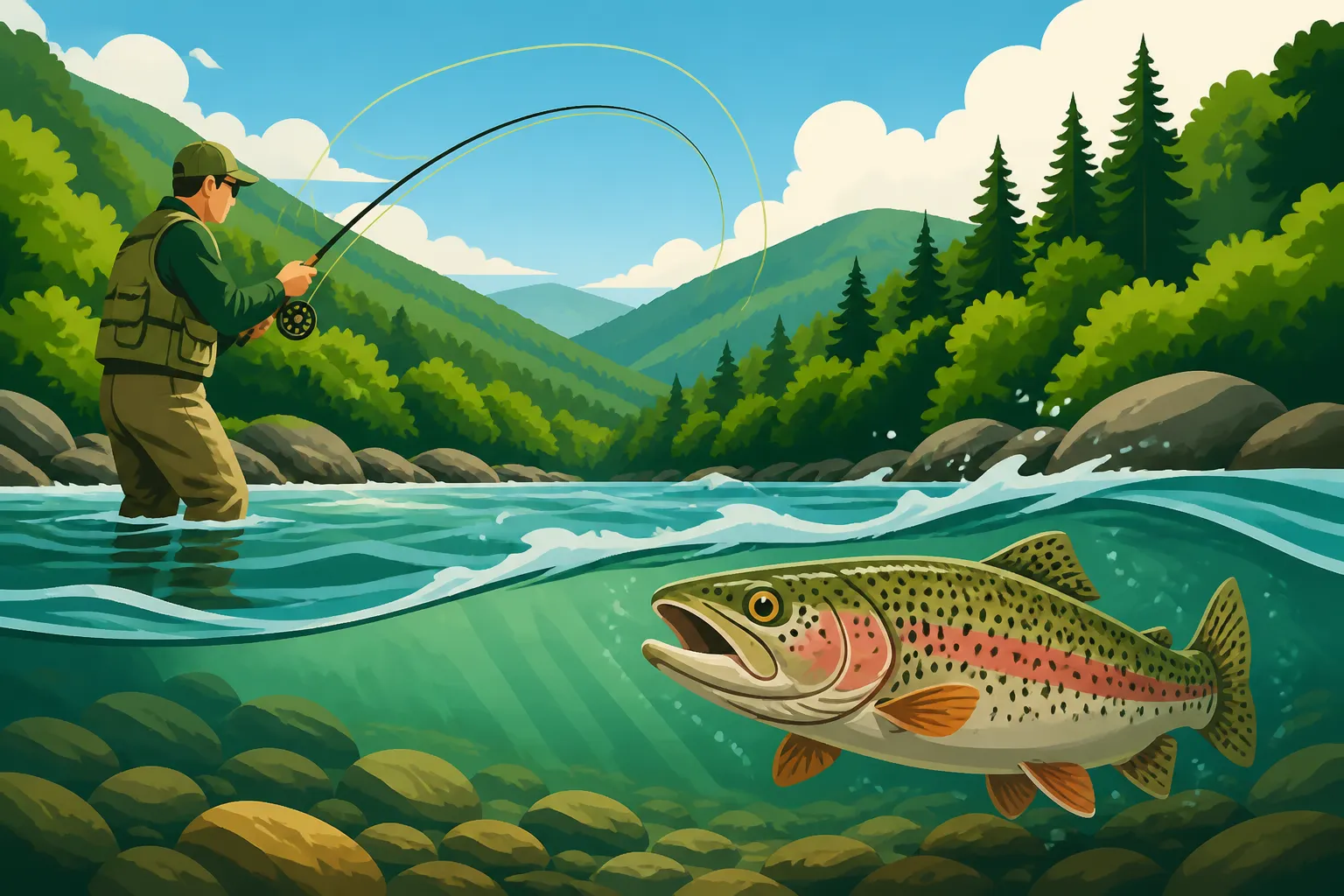
Fly fishing is arguably the most popular and productive method on the Elk River, particularly in the C&R zone. The consistent insect hatches and the clear, cold water create perfect conditions.
- Nymphing: This is often the most consistent technique. Trout in tailwaters spend most of their time feeding on subsurface insects. Drifting nymphs naturally along the bottom, mimicking larval stages of caddis, mayflies, and midges, is incredibly effective. Techniques like Euro Nymphing have become very popular due to their ability to get flies deep and detect subtle bites. Popular patterns include Prince Nymphs, Hare's Ear Nymphs, Pheasant Tail Nymphs, and various midge patterns in sizes #16-22. Remember to use enough weight to get your flies down quickly, but not so much that you're constantly snagging. Learning Euro Nymphing West Virginia Trout Streams can significantly boost your success.
- Dry Flies: While nymphing is a workhorse, there's nothing quite like watching a trout sip a dry fly from the surface. Hatches on the Elk can be prolific, especially during warmer months. Look for insects like Sulphurs, Caddis, Blue-Winged Olives, and Tricos. Matching the hatch is key here. Spend some time observing the water before you cast; if you see fish rising, try to identify what they're eating. Small, accurate casts are often more effective than long, sweeping ones. Having a variety of small to medium-sized dry flies (sizes #14-22) is a must.
- Streamers: For targeting larger, more aggressive trout, especially the resident brown trout, throwing streamers can be incredibly rewarding. These flies imitate baitfish or larger aquatic creatures. Stripping them aggressively through deeper pools, around structure, or along current seams can trigger powerful strikes. Patterns like Wooly Buggers, Sculpzillas, and various articulated streamers in olive, black, or white are effective. This technique is often more about finding aggressive fish and less about matching a specific hatch, making it a great option when the dry fly bite is slow. For gear specifics, consider our guide on Best Fly Rods for West Virginia Trout Streams.
Spin Fishing Approaches and Bait Choices
Don't think that the Elk River is exclusively for fly anglers! Spin fishermen can have fantastic success, especially in the general regulation sections, but also in the C&R zone with the right approach.
- Lure Selection: Small inline spinners (like Panther Martins or Mepps Aglias) in silver, gold, or black, small spoons, and tiny stickbaits (like Rapala countdowns) are highly effective. The key is to use lures that imitate natural baitfish and can be retrieved slowly through the current. Look for lures that offer good action even at a slow speed, as trout can be lethargic in cold water. Colors that mimic natural forage, such as silver, brown, or olive, often outperform brighter, more artificial hues.
- Bait Fishing: In the general regulation areas, natural baits like worms (red wigglers or nightcrawlers), live minnows (where legal), and prepared baits (like PowerBait or Salmon Eggs) are extremely popular and effective, especially right after a stocking. Drift these baits naturally with the current, using as little weight as possible to achieve a natural presentation. A small split shot or two, just enough to get the bait down, is usually all you need. Using a small, sharp hook (size #8 or #10) will increase your hook-up ratio.
- Presentation and Retrieval: Regardless of whether you're using lures or bait, a natural, subtle presentation is crucial. Cast upstream and allow your offering to drift downstream through likely holding water, reeling in just enough slack to maintain contact. Trout are ambush predators and often prefer to intercept food drifting to them rather than chasing it down. Pay attention to current seams, eddy lines, and deeper pools, as these are prime holding areas.
Best Times to Fish the Elk River for Trout
The Elk River offers trout fishing opportunities throughout the year, but each season presents its own unique challenges and rewards. Knowing what to expect can greatly influence your success.
Spring's Abundance and Post-Stocking Frenzy
Spring is undoubtedly the most popular time to fish the Elk River, and for good reason. The WVDNR's heaviest stocking efforts occur during this season, often leading to a "frenzy" of activity, especially in the general regulation waters. Anglers from all over flock to the river, eager to fill their creels. The trout are active, water levels are typically good, and hatches of caddis and early mayflies can provide excellent dry fly action in the C&R sections. However, be prepared for crowds, especially on weekends and immediately following announced stocking dates. If you're looking for solitude, aim for weekdays or more remote access points. Even with the crowds, the sheer number of fish stocked ensures that everyone has a good shot at catching some trout. It's a fantastic time for families and beginners due to the high likelihood of success. Our guide to Spring Trout Fishing Techniques for West Virginia Streams offers more specific advice.
Summer Challenges and Tailwater Sanctuaries
As summer heats up across West Virginia, many trout streams become too warm to safely fish, stressing the fish and reducing activity. This is where the Elk River's tailwater truly shines. The cold water continually released from Sutton Dam keeps the river's temperature ideal for trout, making it a true sanctuary. While the fishing can become more technical as the water often drops and clears, making fish warier, the consistent cool temperatures mean the trout are still active and feeding. Early mornings and late evenings are often the most productive times. Terrestrial patterns (hoppers, ants, beetles) can be deadly on the fly rod, and small spinners remain effective. This is also a fantastic time to explore the deeper pools with nymphs or streamers. If you're looking for consistent trout action when other waters are too warm, the Elk River is your best bet.
Fall's Beauty and Big Brown Trout Opportunities
Fall on the Elk River is a truly magical time. The crowds of spring have thinned, the leaves are turning vibrant shades of red and gold, and the brown trout become incredibly active as they prepare for their spawning rituals. While they are still catch and release in the special regulation section, they become more aggressive and territorial, making them prime targets for streamers and larger nymph patterns. This is often when anglers have their best shot at hooking into a truly trophy-sized brown trout. Rainbow trout are also active, feeding heavily before winter sets in. Water levels are usually stable, and cooler temperatures invigorate the fish. It's a time for solitude, breathtaking scenery, and the chance at a fish of a lifetime. The fish caught during this season often have vibrant colors, reflecting their wild nature.
Winter's Quiet Rewards
Winter fishing on the Elk River is not for the faint of heart, but it offers immense rewards for those willing to brave the cold. With snow-dusted banks and crisp air, you'll often have long stretches of the river almost entirely to yourself. The fish are still there, hunkered down in deeper pools and slower runs, but they become much more lethargic. Slow, precise nymphing with tiny midge patterns (sizes #20-24) is often the most productive fly fishing method. For spin anglers, slow retrieves of small jigs or bottom-fished PowerBait can tempt a bite. The key is patience, persistence, and proper cold-weather gear. While the number of fish caught might be lower than in spring, the quality of the experience—the peace, the quiet, and the chance to hook a surprisingly strong winter trout—is unparalleled. Plus, you might find some unique opportunities with local guides listed on platforms like FishingBooker who specialize in winter techniques.
Access Points and Facilities Along the Elk River
Getting onto the Elk River is relatively straightforward, but knowing the best access points and what amenities are available can make your trip much smoother. The river flows through some beautiful, rural landscapes, offering a mix of easily accessible spots and more secluded stretches.
Popular Access Points and Parking
From the Sutton Dam downstream, there are several key access points that anglers frequently use.
- Sutton Dam Recreation Area: Immediately below the dam, you'll find ample parking and direct access to the beginning of the C&R section. This area is popular for its easy entry and the potential for large fish right out of the gates. It's a great spot to start your adventure and get a feel for the river. Just be mindful of dam releases, which can significantly change water levels and current.
- Curtin Village / Holly Gray Park: Further downstream, near the community of Curtin, you'll find additional access. Holly Gray Park, in particular, offers good parking and river access, making it a convenient stop. These spots give you a chance to explore different stretches of the C&R water.
- Gassaway and Centralia: As you move into the general regulation sections, towns like Gassaway and Centralia provide various bridge crossings and informal access points. While parking might be less formal, these areas offer plenty of water to explore and are often less crowded than the immediate tailwater section. Always be respectful of private property when seeking access.
- Downstream into Webster County: The Elk River continues to offer fishing opportunities well into Webster County. Many secondary roads parallel the river, providing numerous pull-offs and potential wading access points. These can be excellent for finding solitude, but be prepared for more rugged terrain and fewer developed facilities.
Many of these access points are managed by the WVDNR or local municipalities, and maps showing these locations can often be found on the WVDNR website or through local tackle shops.
Nearby Amenities and Lodging Options
While the Elk River flows through a relatively rural part of West Virginia, you're never too far from essential amenities and places to stay.
- Sutton: The town of Sutton, located very close to the dam, is your primary hub for services. Here you'll find gas stations, convenience stores, and some excellent local diners and restaurants. There are also a few motels and inns if you're looking for comfortable lodging. Many local shops also carry basic fishing supplies, bait, and tackle, which can be a lifesaver if you forget something.
- Campgrounds: For those who prefer a more rustic experience, there are several campgrounds in the area, including those at Sutton Lake and Holly Gray Park. Camping offers a fantastic way to immerse yourself in the natural beauty of the region and be just a short drive from prime fishing spots. Check for availability, especially during peak season, as spots can fill up quickly.
- Vacation Rentals: If you're planning an extended stay or traveling with a group, consider looking for vacation rentals or cabins in the surrounding areas. Websites like Airbnb or VRBO, or even specialized outdoor booking sites like FishingBooker, often list charming options that provide more space and amenities, perfect for unwinding after a long day on the water. These can offer a great "home base" for exploring not just the Elk River but also other nearby attractions. Don't forget to check out our broader guide on Elk River Fishing Spots for more ideas.
Rules, Regulations, and Conservation on the Elk River
Fishing on the Elk River, like any other managed fishery, comes with a set of rules and a responsibility to conserve its natural beauty and resources. Being informed is key to a rewarding and legal experience.
Specific Elk River Trout Regulations
As we discussed, the Elk River has distinct regulations depending on the section you're fishing. The upper 7.5 miles from Sutton Dam to Laurel Creek is the designated Catch-and-Release Only Trout Water. This means:
- Tackle Restrictions: Only artificial lures and flies with a single, barbless hook are permitted. This rule is designed to minimize harm to the fish, as barbless hooks are much easier to remove.
- No Live Bait: The use of live bait, including minnows, worms, or any organic bait, is strictly prohibited in this section.
- Immediate Release: All trout caught must be immediately returned to the water unharmed.
- Trout Stamp: Even in a C&R section, you generally need a valid West Virginia fishing license and a current West Virginia trout stamp if you are 15 years or older. Make sure to understand the requirements for a West Virginia Fishing License Guide for 2026 before you hit the water.
Below Laurel Creek, the general statewide trout regulations apply. This typically means:
- Daily Creel Limit: Usually 6 trout per day, with a possession limit of twice the daily creel. However, these limits can vary, so always check the current WVDNR Fishing Regulations Summary.
- No Tackle Restrictions: Live bait, artificial lures, and flies are all permitted.
- Minimum Size Limits: While often not applicable to stocked trout, it's always wise to check for any minimum size requirements.
Always carry a copy of the current West Virginia Fishing Regulations Explained (either physical or digital) and consult it before you fish. Regulations can change, and ignorance is not a defense.
Practicing Catch and Release Ethically
For the C&R section, and even for fish you intend to release in other sections, ethical catch and release practices are paramount. The goal is to minimize stress and injury to the fish, maximizing its chances of survival.
- Use Barbless Hooks: As mandated in the C&R section, using barbless hooks (or crimping down barbs on existing hooks) makes hook removal much faster and less damaging.
- Minimize Handling: Try to keep the fish in the water as much as possible. If you must handle it, do so with wet hands and support its weight horizontally. Avoid squeezing or touching its gills.
- Quick Release: Have your camera ready if you want a photo, but prioritize a quick release. The longer a fish is out of water, the lower its survival chances.
- Proper Netting: Use a rubberized or knotless net to protect the fish's slime coat and fins. A good landing net mesh for catch and release is a critical piece of gear.
- Revive the Fish: If a fish is lethargic after being caught, gently hold it upright in the current, facing upstream, until it regains its strength and swims away on its own.
These practices aren't just about following rules; they're about being a responsible steward of this incredible resource. The quality of fishing on the Elk River, and indeed all West Virginia streams, depends on every angler doing their part to ensure a healthy fish population for generations to come.
Disclaimer
The information provided in this guide is for general informational purposes only and is subject to change. Always consult the official West Virginia Division of Natural Resources (WVDNR) regulations and guidelines before planning your fishing trip, as rules, seasons, and stocking schedules can be updated. Fishing conditions can vary greatly, and safety should always be your top priority.