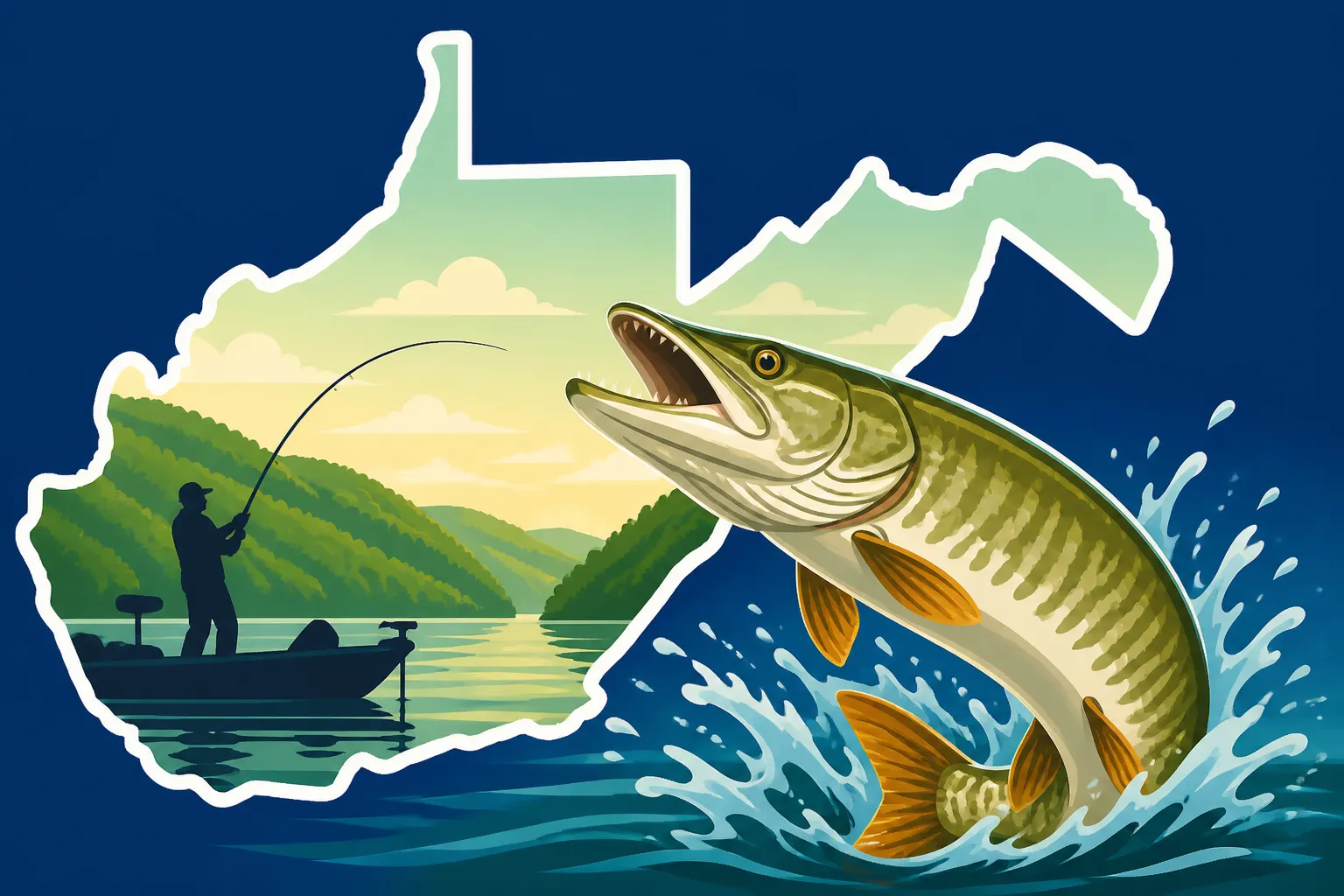
Best Muskie Waters in West Virginia
Chasing the elusive muskie in West Virginia can feel like searching for a needle in a haystack – these apex predators are notoriously difficult to locate, let alone convince to strike. Many anglers spend countless hours casting without so much as a follow, leaving them wondering if they're even in the right water. This comprehensive guide is designed to cut through that frustration, pinpointing the best muskie waters across the Mountain State and equipping you with the knowledge to improve your chances of landing one of these magnificent "fish of 10,000 casts."
Understanding Muskie Habits in West Virginia Waters
Before we can effectively hunt for muskie, it's absolutely vital to understand their lifestyle, their preferences, and what makes a particular stretch of water a prime muskie haven. These fish aren't just swimming aimlessly; they are highly attuned to their environment, always seeking out the best combination of food, cover, and favorable conditions. Think like a muskie, and you'll dramatically increase your chances.
Preferred Habitat and Structure
Muskellunge, often simply called muskie, are ambush predators. This means they don't typically chase prey over long distances in open water. Instead, they prefer to lie in wait, concealed by structure, ready to dart out and ambush an unsuspecting meal. In West Virginia's rivers and lakes, this translates to specific types of habitat. You'll often find them lurking around submerged logs, rock piles, weed beds (if present), current breaks, and drop-offs. Imagine a place where a smaller fish might swim by unaware, and a muskie could hide, camouflaged and ready to strike. That's their ideal home.
For example, in a river setting, a muskie might position itself behind a large boulder that breaks the main current, allowing them to conserve energy while watching the food flow by. Or they might be found nestled against a log jam on the outside bend of a river, where the deeper water offers both concealment and cooler temperatures. In lakes, expansive weed flats or deep points that quickly drop off into open water are classic spots. These areas provide not just cover from their prey but also protection from direct sunlight, especially during warmer months, and a sense of security. Identifying these structural elements is the first step in successful muskie hunting.
Furthermore, muskie are often found near abundant forage. If there are schools of baitfish like suckers, shiners, or even smaller panfish, you can bet a muskie won't be far off. They are opportunistic feeders, so any area that concentrates prey fish is going to be attractive. This is why bridge pilings, tributary mouths, and even certain docks can be productive; these spots often aggregate baitfish, which in turn draws in the bigger predators. It's a natural food chain in action, and understanding where that chain begins can lead you right to the top.
Seasonal Movements and Feeding Patterns
Muskie, like many freshwater predators, have distinct seasonal patterns that dictate their movements and feeding habits. It’s not enough to know where they live; you also need to know when they are most likely to be there and actively feeding. Missing this crucial detail can lead to a lot of wasted time on the water.
In the spring, after the ice recedes and water temperatures begin to rise (typically into the 50s Fahrenheit), muskie will become more active. This is often the pre-spawn period, and they'll be found in shallower bays, coves, and river backwaters, seeking warmer water and preparing to spawn. Once spawning is complete, they'll often move to slightly deeper water near their spawning grounds to recover before spreading out. This early season can be an excellent time to target them, as they are often hungry and aggressive after the long winter. This is also when understanding West Virginia Fishing Seasons by Month can be particularly useful.
As summer progresses and water temperatures climb into the 70s, muskie will often seek out cooler, deeper water, or dense cover where oxygen levels remain higher. In rivers, this might mean deep pools, current seams, or shaded areas. In lakes, they'll relate more to thermoclines, deep weed lines, or main lake points with access to cooler depths. Their feeding windows might become shorter, often around dawn, dusk, or during periods of low light or passing storms. Fall is arguably the most celebrated time for muskie fishing. As water temperatures drop, these fish go on a major feeding binge, bulking up for winter. They become incredibly aggressive, often moving shallower to feed on baitfish that are also concentrating before winter. This is when many of the biggest muskie of the year are caught, making it a prime season for How to Catch Muskie in West Virginia.
West Virginia's Premier Muskie Rivers
When it comes to muskie fishing in West Virginia, our rivers are often the unsung heroes. While lakes certainly hold trophy fish, the dynamic, ever-changing environment of a river system provides unique challenges and rewards for muskie anglers. The currents, the diverse structure, and the wild nature of these fish make river muskie fishing an exhilarating experience.
The Mighty New River: A Trophy Muskie Hotspot
The New River, particularly its stretches within the New River Gorge National Park and Preserve, is arguably the most famous muskie fishery in West Virginia, and for good reason. This ancient river offers an incredible blend of diverse habitat – long, slow pools giving way to powerful rapids, deep rock-lined banks, and countless eddies and current breaks. It’s a truly wild fishery, and the muskie here are robust and hard-fighting. Many anglers dream of catching a trophy from this historic waterway.
Fishing the New River for muskie requires patience and knowledge of its many access points and unique features. You'll find muskie throughout its length, but certain sections are known to be particularly productive. Look for them in the larger, deeper pools, especially those with submerged boulders, fallen timber, or significant current breaks. The confluence of tributaries, like the Gauley River and Meadow River, can also be excellent, as these areas often concentrate baitfish and provide varied flows. Kayaking or floating sections of the New River with a guide can be incredibly effective, allowing you to cover vast stretches of prime water that are inaccessible from shore. Utilizing a service like FishingBooker can help you connect with experienced local guides who know the ins and outs of this complex river.
Due to the New River’s size and power, anglers need to be prepared with appropriate gear. Heavy-duty rods, stout reels, and strong line are essential. Large jerkbaits, bucktails, and soft plastics are popular choices. The fish here can grow to impressive sizes, with 40-inch fish being relatively common and specimens over 50 inches caught annually. It's a challenging but deeply rewarding fishery, a true jewel for anyone serious about muskie. Remember to practice proper Muskie catch and release survival tips as these large fish can be stressed by the fight.
Elk River: A Smaller, More Intimate Challenge
While the New River boasts size, the Elk River offers a different kind of muskie experience – often a more intimate and wade-friendly one, though boating is certainly an option. The Elk, particularly its middle and lower sections, is a fantastic muskie river known for producing consistent action. It doesn’t necessarily hold the same numbers of 50-inch fish as the New River, but it has a healthy population of muskie in the 30-to-45-inch range, with larger fish certainly present.
The Elk River is characterized by its series of riffles, runs, and pools. Muskie here will often relate to the deeper ends of pools, areas with downed trees, root wads, and current seams that provide ambush points. The water clarity can vary, but often it's a bit clearer than some other muskie rivers, which can make for exciting sight-fishing opportunities on occasion. Access is generally good, with numerous public access points and bridge crossings, making it a favorite for those who prefer to wade or launch smaller boats like john boats or canoes.
Anglers fishing the Elk often find success with smaller bucktails, crankbaits, and swimbaits than what might be thrown on the New. However, don't shy away from larger presentations if the fish seem to be ignoring smaller offerings. The key on the Elk is to thoroughly work the available structure and cover, paying close attention to any current breaks or areas where baitfish might be holding. It's a river that rewards careful observation and persistent casting.
Little Kanawha River: Hidden Gems for River Muskie
Often overlooked in favor of its larger cousins, the Little Kanawha River is a hidden gem for muskie fishing in West Virginia. Flowing through the western part of the state, this river offers a more relaxed, yet still challenging, muskie pursuit. It’s not uncommon for anglers to have long stretches of river to themselves, allowing for a peaceful and focused fishing experience. For those looking for a different pace, the Little Kanawha is an excellent choice.
The muskie in the Little Kanawha tend to be widely distributed, making it crucial to cover water and seek out key habitats. Look for them in the deeper bends, around submerged logs and brush piles, and near tributary mouths. The river's flow is generally more moderate than the New, which can make for easier boating and wading in certain sections. However, periods of heavy rain can quickly swell the river, altering conditions significantly. Understanding Muskie Regulations in West Virginia Waters for this river, or any other, is critical before you head out.
Fishing the Little Kanawha often involves casting a variety of lures, from bucktails and inline spinners to crankbaits and soft plastic swimbaits. Because of its somewhat quieter nature, sometimes a slightly stealthier approach can be beneficial. Float trips down sections of the Little Kanawha can be particularly productive, allowing anglers to systematically work the river’s structure. While not as heavily publicized as other rivers, the Little Kanawha consistently produces solid muskie catches, making it a rewarding destination for those willing to explore.
Gauley River: Wilderness Muskie Opportunities
The Gauley River, renowned for its whitewater rafting, also holds some fantastic muskie fishing opportunities, particularly in its upper and lower sections where the rapids give way to more fishable waters. This is a river that truly offers a wilderness experience, and the muskie here are as wild and tough as the landscape. It's not a fishery for the faint of heart, but the rewards can be substantial.
Muskie in the Gauley are found in the larger, deeper pools that punctuate the river's more tumultuous stretches. They relate heavily to rock structure, current breaks created by large boulders, and any downed timber that can provide ambush cover. Fishing here often involves navigating challenging terrain, and a robust boat (or an experienced whitewater outfitter if you're venturing into the more intense sections) is often necessary. The sheer remoteness of some areas means less fishing pressure, and thus, potentially more aggressive fish.
When planning a trip to the Gauley, consider the time of year carefully. The whitewater season (often in the fall) can mean very high flows, which, while challenging, can sometimes push muskie into predictable holding patterns. However, lower flows in late summer and early fall can make for more accessible fishing in certain areas. Large, noisy lures that can grab attention in the river's powerful currents are often effective. This is an adventure fishery, and anyone seeking a true "wild muskie" experience should consider the Gauley River.
Top Muskie Lakes and Impoundments
While rivers are thrilling, West Virginia's lakes and impoundments offer a different, often more predictable, approach to muskie fishing. These larger bodies of water provide expansive habitats where muskie can grow to immense sizes, feeding on abundant populations of baitfish. They also often provide more comfortable fishing conditions, especially for those preferring boat-based angling.
Stonecoal Lake: A Managed Muskie Gem
Stonecoal Lake, located in Upshur and Lewis counties, is specifically managed for muskie and is widely regarded as one of West Virginia's premier trophy muskie lakes. This 550-acre impoundment has a history of producing truly massive muskie, thanks to consistent stocking programs and thoughtful management by the West Virginia Division of Natural Resources (WVDNR). If you're looking for a legitimate shot at a 50-inch muskie, Stonecoal should be high on your list.
The lake itself is relatively deep in parts, with plenty of standing timber, rock piles, and a good mix of shallow coves and main lake points. Muskie here will utilize all of these features depending on the season and water temperature. During the cooler months of spring and fall, they might be found shallower, cruising weed edges or rocky banks. In summer, they’ll often retreat to deeper, cooler water, relating to structure like creek channels, humps, and standing timber in the lake's deeper basins. Access to the lake is excellent, with a well-maintained public boat ramp.
Anglers at Stonecoal Lake often employ a variety of tactics. Trolling large crankbaits over open water and along contours is a popular and effective method, especially for covering large areas. Casting big bucktails, jerkbaits, and soft plastics around known structure is also highly productive. Because Stonecoal is managed for muskie, it's a great place to learn about Muskie Growth Rate to Trophy Size and how these fish thrive in a well-maintained environment. Patience is key here, but the possibility of a truly giant muskie keeps anglers coming back year after year.
Bluestone Lake: Large Waters, Large Fish
Bluestone Lake, one of West Virginia's largest impoundments, stretches for miles along the New River in Summers County. This vast body of water offers a different challenge than the smaller, more intensively managed lakes. Its sheer size means there’s a lot of water to cover, but it also means there are abundant baitfish populations and plenty of room for muskie to grow to significant sizes.
Muskie in Bluestone Lake are widely distributed, making boat-based fishing almost a necessity to effectively cover water. They will relate to the main lake points, submerged islands, standing timber (particularly in the upper reaches of the lake), and the many creek channels that snake through its depths. The area near the dam and the confluence with the Greenbrier River can also be hotspots, as these areas often concentrate forage fish. This expansive lake is a fantastic place for someone who enjoys exploring new waters.
Trolling is a very common and effective technique on Bluestone, allowing anglers to cover miles of potential muskie habitat. However, casting large lures around visible and submerged structure, especially during periods of higher fish activity, can also be productive. Bluestone Lake offers a rewarding experience for anglers who appreciate large, wild water and the challenge of finding its scattered muskie population. Keep an eye on local fishing reports, as conditions can change rapidly on such a large body of water.
Burnsville Lake: Consistent Action for Anglers
Burnsville Lake, nestled in Braxton County, is another excellent muskie fishery known for providing consistent action. While it may not produce as many giants as Stonecoal, it boasts a very healthy population of muskie in the 30- to 45-inch range, making it a great destination for anglers looking for steady encounters. This 968-acre lake is managed by the Army Corps of Engineers and is a popular spot for a variety of recreational activities, including fishing.
The lake features a mix of rocky shores, standing timber, and creek channels. Muskie here will often be found near these structural elements, especially where they intersect with points or drops. The upper end of the lake, where the Little Kanawha River feeds in, often holds good numbers of muskie, particularly in the spring and fall when fish might be more riverine in their behavior. The numerous coves and bays provide ample areas for baitfish to congregate, which in turn draws in the muskie.
Casting bucktails, crankbaits, and large soft plastics is a common approach on Burnsville Lake. Trolling can also be effective, particularly for covering the main lake basin and deeper creek channels. The lake's moderate size makes it manageable for a day trip, and its consistent muskie population makes it a great choice for both experienced muskie anglers and those looking to gain more experience without the pressure of a trophy-only lake. Given its consistent performance, Burnsville Lake is a dependable spot to test your muskie tactics.
Tygart Lake: A Northern West Virginia Favorite
Located in Taylor and Barbour counties, Tygart Lake is a significant impoundment in northern West Virginia that also holds a healthy muskie population. While it's perhaps better known for its bass and walleye fishing, the muskie here are robust and present a worthy challenge. Tygart Lake offers a convenient muskie destination for anglers in the northern part of the state.
Tygart Lake is characterized by its steep, rocky banks and deep channels. Muskie will often relate to these dramatic contours, especially where there are points, ledges, or submerged cover such as brush piles or standing timber. The main lake basin, as well as the larger coves, can be productive. The lake's depth means that muskie might be found deeper during the summer months, requiring anglers to use electronics to locate fish and structure.
Both casting and trolling techniques can be successful on Tygart. Larger bucktails, swimbaits, and deep-diving crankbaits are good choices. Because Tygart is a multi-species lake, you might also find success targeting muskie while fishing for other predators, as they often share similar ambush points. Its accessibility and scenic beauty make Tygart Lake a pleasant and productive place to chase West Virginia muskie.
Special Considerations for Muskie Fishing in West Virginia
Muskie fishing isn't just about finding the right water; it's also about understanding the rules and embracing the spirit of conservation that surrounds these incredible fish. Due to their elusive nature and the dedication required to catch them, muskie are often held in high regard, and anglers who pursue them typically share a strong commitment to their preservation.
Regulations and Catch Limits
Before you even think about casting for muskie, it is absolutely paramount to familiarize yourself with the current West Virginia Fishing Regulations Explained. Muskie regulations are often specific and can vary by water body, so what applies to the New River might not apply to Stonecoal Lake. Generally, muskie have a larger minimum size limit than most other species, reflecting their slower growth rates and the desire to allow them to reach maturity and reproduce.
As of recent regulations, the statewide minimum length limit for muskie in West Virginia is 30 inches, with a daily creel limit of one fish. However, certain waters, particularly those managed for trophy muskie, might have higher minimum size limits. For example, some lakes might have a 40-inch minimum. It’s your responsibility as an angler to check the West Virginia Fishing Regulations Summary (often available as a PDF online or at license vendors) for the specific water you plan to fish. Violating these regulations can result in hefty fines and even loss of fishing privileges, so always be informed.
Beyond size and creel limits, there might be specific regulations regarding gear type (e.g., no live bait in certain waters) or even season dates, though muskie are typically open year-round. Always carry a measuring tape or ruler to ensure any fish you consider keeping meets the minimum length requirements. Most muskie anglers, however, choose to release all muskie they catch, particularly the larger, older fish, due to their value as breeding stock and the general ethos of muskie fishing.
The Importance of Conservation and Proper Handling
Catching a muskie is often a once-in-a-lifetime experience for many anglers, and because these fish are so difficult to come by, their conservation is incredibly important. The phrase "the fish of 10,000 casts" isn't just a catchy saying; it highlights the effort involved and the preciousness of each fish caught. Therefore, proper handling is not just recommended, it's essential for ensuring the survival of released fish.
When you hook a muskie, minimize the fight time as much as possible to reduce stress. Once alongside the boat, avoid bringing the fish into the boat if possible, especially larger fish. Instead, use a large, rubberized landing net to secure the fish in the water. Rubberized nets protect the fish's slime coat, which is vital for disease prevention. Have your tools ready: long-nosed pliers, bolt cutters (for cutting hooks if necessary), and a hook-out tool.
Muskie have sharp teeth and can be dangerous, so handling them properly protects both you and the fish. Never gill plate a muskie or hold it vertically by the head or tail, as this can severely damage its spine and internal organs. The best way to handle a muskie for a quick photo is to support its full weight horizontally, with one hand under its belly and the other gripping the tail. Get your photos quickly (a waterproof camera is invaluable) and release the fish gently, allowing it time to recover, ideally holding it upright in the water until it swims away under its own power. Remember, Is It Legal to Release a Muskie You Catch in West Virginia? – absolutely, and it’s highly encouraged!
Planning Your West Virginia Muskie Adventure
A successful muskie trip in West Virginia goes beyond just picking a prime location. It involves thoughtful planning, understanding the best conditions, and sometimes, leveraging local expertise to maximize your chances. Because muskie are such a unique and challenging species, every detail matters.
Best Times to Visit and Seasonal Opportunities
While muskie can be caught year-round in West Virginia, certain seasons offer better opportunities due to the fish's behavior and feeding patterns. Knowing when to target them can make a huge difference in your success rate.
- Spring (April – May): After the cold winter, muskie begin to emerge from their lethargy. Pre-spawn activity can be excellent, with fish moving into shallower, warmer waters. They'll be looking for easily accessible food sources, and a variety of presentations can be effective. Post-spawn, fish will be recovering, and fishing can slow slightly before picking up again as they move to summer patterns.
- Summer (June – August): Muskie are active, but higher water temperatures might push them deeper or into denser cover. Early mornings, late evenings, and overcast days are often the most productive. Night fishing can also be a surprisingly effective tactic in some lakes, especially during heatwaves. Look for current seams, deep points, and large structures that offer shade and cooler water.
- Fall (September – November): This is widely considered the prime time for muskie fishing in West Virginia. As water temperatures drop, muskie go on a major feeding frenzy to pack on weight for winter. They become incredibly aggressive, often chasing lures with unparalleled enthusiasm. Many of the state's largest muskie are caught during this period. Big lures, slow retrieves, and persistence are key.
- Winter (December – March): While challenging, winter muskie fishing can be surprisingly productive, especially in rivers where water remains open. The fish are less active, but a well-presented, slow-moving lure in deep pools or current breaks can tempt lethargic fish. Ice fishing for muskie is less common but possible on some of the larger, deeper lakes that freeze over consistently, though this requires specialized gear and extreme caution.
Hiring a Guide and Local Resources
For many anglers, especially those new to West Virginia's muskie waters or chasing their first trophy, hiring a local guide can be an invaluable investment. Muskie guides spend countless hours on the water, tracking fish movements, understanding seasonal patterns, and knowing the subtle nuances of specific waterways. They have the right gear, the knowledge of where to go, and the expertise in presentation to maximize your chances.
Guides can teach you proper casting techniques for large muskie baits, how to read river currents, identify prime lake structure, and most importantly, how to safely handle and release these magnificent fish. They often track fishing conditions daily, so they'll know where the hot bite is. If you're planning a serious muskie trip, particularly to a complex system like the New River, booking a guide through a platform like FishingBooker can connect you with experienced, licensed professionals who specialize in muskie. This can save you years of trial and error and significantly increase your chances of success.
Beyond guides, local tackle shops and fishing forums are fantastic resources. Shop owners and employees often have up-to-the-minute information on water conditions, recent catches, and what baits are working. Online forums dedicated to West Virginia fishing can also provide a wealth of community knowledge, tips, and reports from fellow anglers. Don't be afraid to ask questions, but always remember to respect local knowledge and the effort that goes into finding these fish.
Essential Gear for West Virginia Muskie
Muskie fishing is a demanding sport that requires specialized gear designed to handle large, powerful fish and heavy lures. Skimping on tackle can lead to broken rods, lost fish, and a lot of frustration.
- Rods: You'll need heavy-action casting rods, typically 7'6" to 9' in length. These rods are designed to cast heavy baits (often 2-8 ounces or more) and have the backbone to fight large fish.
- Reels: Durable baitcasting reels with a strong drag system and a high line capacity are essential. A good quality muskie reel can withstand the abuse of casting heavy lures all day and the powerful runs of a trophy fish. Consider a reel with a lower gear ratio for bucktails and a higher one for jerkbaits if you're serious.
- Line: Braided line, typically 80-100 lb test, is the standard for muskie fishing. It offers incredible strength, minimal stretch for solid hooksets, and good abrasion resistance.
- Leaders: Muskie have razor-sharp teeth that can easily cut through monofilament or fluorocarbon. You'll need a heavy-duty wire or thick fluorocarbon (100-200 lb test) leader, usually 12-18 inches long, connected to your main line with a strong swivel. Look for Best Wire Leader for Muskie Fishing for more details.
- Lures: A variety of lures are effective. Bucktails are perhaps the most iconic muskie lure, but large jerkbaits, glide baits, soft plastic swimbaits, and crankbaits are also highly productive. Colors and sizes can vary, so having a good selection is crucial. Check out Best Lures for Muskie Fishing in West Virginia for a deeper dive.
- Landing Net: A very large, long-handled rubberized landing net is non-negotiable. This is the safest way to land a muskie for both the angler and the fish.
- Tools: Long-nosed pliers, bolt cutters (to cut hooks if a fish is deeply hooked), and a jaw spreader are essential for safe de-hooking and handling.
- Safety Gear: Always wear polarized sunglasses to protect your eyes from errant hooks and to help spot fish or structure. A good quality life jacket is crucial, especially when fishing from a boat or kayak on moving water. See West Virginia Boating Laws for Anglers for life jacket requirements.
Comparing West Virginia's Top Muskie Waters
To help you decide where to focus your efforts, let's take a quick look at how some of West Virginia's top muskie waters stack up against each other. Each location offers a unique experience, with its own set of pros and cons depending on what you're looking for in your muskie adventure.
| Feature / Water Body | New River | Elk River | Little Kanawha River | Stonecoal Lake | Bluestone Lake | Burnsville Lake | Tygart Lake |
|---|---|---|---|---|---|---|---|
| Type of Water | Large River, Rapids | Medium River, Runs | Small-Medium River | Managed Impoundment | Large Impoundment | Medium Impoundment | Medium Impoundment |
| Trophy Potential (50"+) | High | Medium | Medium | Very High | High | Medium-High | Medium |
| Catch Rate | Medium | Medium-High | Medium | Medium | Medium | High | Medium |
| Accessibility | Moderate (some remote) | Good | Good | Very Good | Good | Very Good | Good |
| Primary Fishing Method | Boat, Float, Wading | Boat, Wading | Boat, Wading | Boat (Trolling/Casting) | Boat (Trolling/Casting) | Boat (Casting/Trolling) | Boat (Casting/Trolling) |
| Crowd Level | Moderate | Moderate | Low | Moderate | Low-Moderate | Moderate | Moderate |
| Key Features | Rock, Rapids, Deep P. | Riffles, Runs, Logs | Bends, Logs, Brush | Standing Timber, P. | Creek Channels, Depth | Standing Timber, Coves | Rocky Banks, Deep Ch. |
| Wilderness Feel | High | Medium | Medium-High | Low-Medium | Medium | Low-Medium | Low-Medium |
This table provides a snapshot, but remember that conditions and fishing success can always vary based on weather, water levels, and angler skill.
River vs. Lake Muskie Dynamics
The choice between a river or a lake for muskie fishing often comes down to personal preference and the kind of experience you're seeking. There are distinct differences in how muskie behave and how you approach fishing them in these varied environments.
River muskie are often considered "wilder" and more aggressive. They live in a constantly changing environment driven by current, which means they are constantly expending energy. This often translates to more active feeding and harder fights. River muskie typically relate to current breaks, seams, and various forms of structure that offer relief from the flow while providing ambush points. They tend to be leaner, more muscular fish. Fishing rivers often involves navigating currents, understanding subtle water movements, and making precise casts into tight windows. Rivers like the New River and Elk River exemplify this dynamic.
Lake muskie, on the other hand, can grow to incredible sizes, often due to abundant forage and less energy expenditure fighting current. They relate to structure like weed lines, deep points, humps, standing timber, and creek channels. Fishing lakes can involve covering vast expanses of water, often relying on electronics to locate structure and fish in open water. Trolling is a more common and effective tactic in lakes compared to rivers, though casting structure can be just as deadly. Lakes like Stonecoal and Bluestone offer this kind of big-water, big-fish potential. Ultimately, both environments offer fantastic muskie fishing, just with different characteristics and approaches required.
Accessibility and Fishing Pressure
West Virginia is blessed with many fantastic fishing spots, but like anywhere, some locations receive more attention than others. Understanding accessibility and potential fishing pressure can help you choose the right spot for your muskie adventure.
The more famous muskie waters, like sections of the New River or Stonecoal Lake, while offering incredible potential, can sometimes see higher fishing pressure, especially on weekends or during peak seasons. This isn't necessarily a bad thing, as it often means the WVDNR is actively managing these fisheries and access is generally well-maintained. Public boat ramps are typically available, and signs are usually clear. However, you might find yourself sharing the water with other muskie anglers or general recreational boaters.
Conversely, some of the smaller rivers, or more remote sections of larger impoundments, might offer a more secluded experience. Rivers like the Little Kanawha or certain stretches of the Gauley can provide a true sense of wilderness. However, accessibility might be more challenging, requiring a robust vehicle, portaging, or specialized boats. These spots often see less pressure, which can sometimes translate to less "educated" fish. The key is to balance your desire for solitude with your comfort level regarding access and the available amenities. For those who prefer solitude, exploring some of the less-talked-about spots can yield fantastic results.
Disclaimer
The information provided in this guide is for general informational purposes only and is subject to change. Fishing regulations, season dates, and conditions can vary and are updated periodically by the West Virginia Division of Natural Resources (WVDNR). Always consult the most current official West Virginia Fishing Regulations Summary before planning any fishing trip to ensure compliance with all state and local laws. Fishing involves inherent risks; always prioritize safety and responsible angling practices.