Best Fishing Lakes in West Virginia
Oh, the joy and sometimes sheer bewilderment of trying to figure out where to cast your line in West Virginia! With so many incredible waterways, from winding rivers to expansive lakes, it can feel overwhelming to pick the perfect spot for your next fishing adventure. If you've ever found yourself staring at a map, wondering which lake truly offers the best chance at a memorable catch, you're in the right place. This comprehensive guide is dedicated to meticulously breaking down the best fishing lakes in West Virginia, offering insider tips and detailed insights to help you navigate these waters like a seasoned local.
Summersville Lake: The Mountain State's Deepwater Jewel
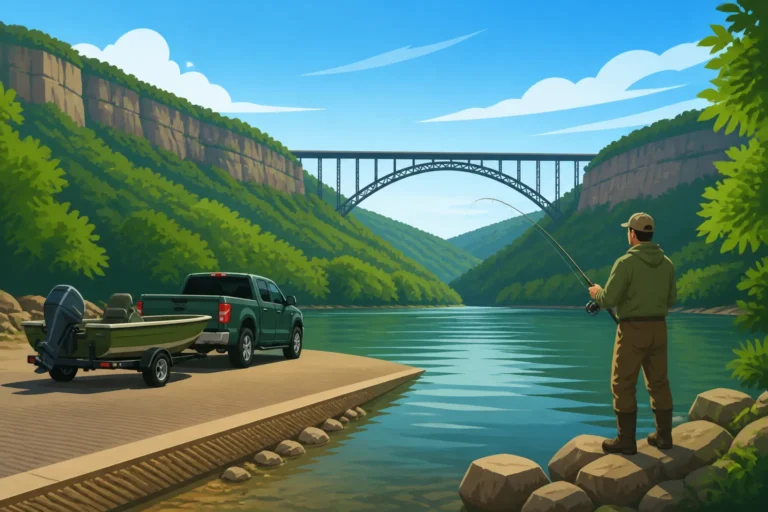
Let's start with a true icon, shall we? Summersville Lake isn't just West Virginia's largest lake; it's a breathtaking expanse of clear, deep water nestled in the stunning New River Gorge area. Anglers often flock here, and for good reason—it’s a dynamic fishery that offers diverse opportunities, but it also demands a bit of know-how. The steep, rocky cliffs and pristine waters make it a truly unique experience, quite different from the more docile lakes you might find elsewhere. You can tell just by looking at the towering rock faces that this lake holds some serious secrets beneath its surface.
Targeting Smallmouth Bass and Walleye
If you're after smallmouth bass, Summersville Lake is legendary. These bronzebacks thrive in the lake's clear, oxygen-rich waters and rocky structures. During the warmer months, especially from late spring through early fall, you'll find smallmouth actively chasing baitfish around rocky points, submerged humps, and sheer cliff faces. Early mornings and late evenings are prime times for topwater action, when these aggressive fish smash poppers and walking baits with an exhilarating force. When the sun gets high, or as the water cools into autumn, you'll want to focus on deeper presentations. Drop-shotting finesse worms or jigging grubs along the extensive rock ledges, especially those that drop off into 20-40 feet of water, can be incredibly effective. Sometimes, the smallmouth will school up, and if you find one, you're likely to find many.
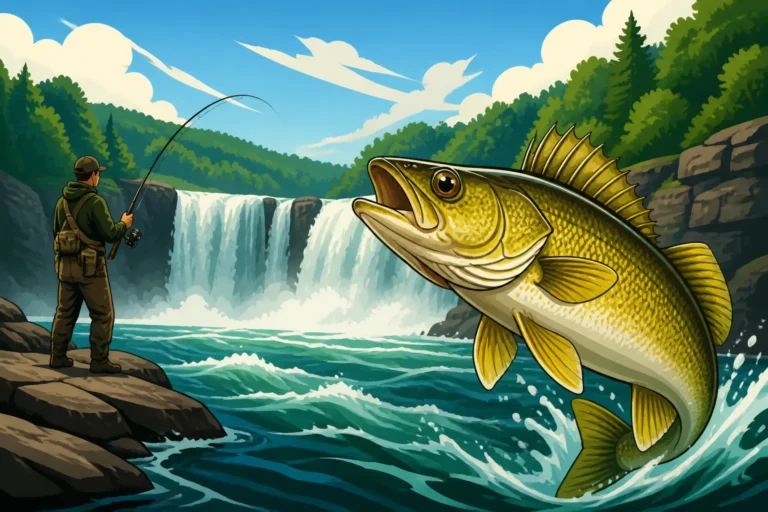
Walleye are another highly prized species in Summersville Lake, though they can be a bit more elusive. They prefer the deeper, cooler parts of the lake and are often associated with submerged timber, rock piles, and the main lake basin. The best time to target walleye here is typically from late fall through early spring, and especially after dark in the warmer months. Trolling crankbaits that dive to considerable depths, or vertical jigging spoons and blade baits over structure, can yield excellent results. Imagine the thrill of that subtle, thumping bite from a Summersville walleye in the dead of night—it's truly a special experience. Many anglers book specific trips through services like FishingBooker to target these nocturnal feeders, often with local guides who know the nuanced patterns.
Kayaking and Shore Fishing Opportunities
While many anglers prefer to hit Summersville Lake in a powerboat, its unique topography also makes it a fantastic destination for kayaking and even shore fishing, if you know where to go. Kayak anglers can explore countless coves, channels, and rocky outcroppings that larger boats simply can't reach. This opens up untouched water, giving you a stealthy advantage for approaching wary fish. The quiet paddle allows you to truly immerse yourself in the stunning scenery, too. Just be mindful of boat traffic, especially on busy summer weekends.
For those without a boat, shore fishing at Summersville Lake presents some challenges due to the steep terrain, but it’s far from impossible. The dam area, some of the campgrounds, and designated public access points offer opportunities. Anglers can find success casting from the banks near the marina or along accessible points, often targeting panfish, catfish, and sometimes even bass that move into shallower water. A good pair of sturdy boots is a must, and be prepared for some walking! If you’re looking to fish from shore, targeting spots where creek arms flow into the lake can also be productive, especially after a good rain.
Best Times to Visit and Local Tips
Summersville Lake truly shines from spring through fall. Spring sees the smallmouth bass moving into shallower waters for spawning, making them more accessible and aggressive. Summer fishing is fantastic, though you'll want to fish deeper or during low-light hours as the day heats up. Fall is arguably the most beautiful time, with vibrant foliage reflecting on the water, and the fish are often in a feeding frenzy as they prepare for winter. While the lake offers incredible fishing, remember that it's also a popular recreation destination. Weekdays or early mornings/late evenings on weekends will offer a more tranquil fishing experience.
A local tip: keep an eye on the lake's water levels. Summersville Lake is a flood control reservoir, and its levels can fluctuate, which significantly impacts fish behavior and access points. Checking the U.S. Army Corps of Engineers website for current lake levels is a smart move before planning your trip. Also, don't forget to review the West Virginia Fishing Regulations Explained before you go, as rules can change.
Bluestone Lake: Southern West Virginia's Fishing Paradise
Venturing south, we encounter Bluestone Lake, another magnificent reservoir formed by the New River. Located near Hinton, this lake offers a completely different vibe than Summersville. While it might not have the same dramatic cliff faces, Bluestone is known for its sprawling waters, diverse fish populations, and excellent opportunities for anglers of all skill levels. It's often described as a more "classic" Southern lake, with gradual slopes and plenty of coves and feeder creeks.
Crappie and Catfish Hotspots
Bluestone Lake is a well-known hotspot for crappie, and if you love chasing these tasty panfish, you're in for a treat. Both black and white crappie thrive here, especially around submerged brush piles, standing timber, and creek channels. Spring is prime time, as crappie move into shallower coves to spawn, making them easier to locate. Jigging small jigs (1/32 to 1/16 oz) or using live minnows under a bobber near cover can lead to incredible action. During the summer and fall, look for them suspending over deeper brush piles or along the main river channel ledges. A good fish finder is invaluable here for locating those subtle contours and submerged structure.
Catfish, especially channel catfish and flathead catfish, are abundant in Bluestone. The lake's nutrient-rich waters and numerous feeder creeks provide an ideal habitat for these bottom dwellers. Anglers often find success targeting channel cats in the shallower coves and along the river bends, using stink baits, cut bait, or chicken livers. For the larger, more elusive flathead, focusing on deeper holes, log jams, and rocky ledges with live bait (like bluegill or shad) is your best bet, especially after dark. Many guides who list on platforms like FishingBooker specialize in targeting these trophy-sized catfish. If you're new to the game, consider reading up on Catfish Fishing in West Virginia for more in-depth techniques.
Largemouth Bass and Hybrid Stripers
While Summersville is famed for its smallmouth, Bluestone Lake offers excellent largemouth bass fishing. You'll find largemouth hiding around boat docks, submerged timber, weed beds (where available), and the many coves. Early mornings and evenings during spring and fall are fantastic for throwing spinnerbaits, crankbaits, and soft plastics into these cover-rich areas. During the heat of summer, look for them deeper, relating to brush piles and drop-offs, often susceptible to Texas-rigged worms or jigs.
A real bonus at Bluestone are the hybrid striped bass, often referred to as "wipers." These hard-fighting fish are stocked by the WVDNR and provide a thrilling challenge. They tend to roam the open water, schooling up to chase baitfish. Look for them breaking the surface, especially early or late in the day, or use your electronics to find schools of bait and the hybrids lurking beneath. Trolling crankbaits, casting large spoons, or live-lining shad can be incredibly productive when you find them. The fight from a hybrid striper is something else—they hit hard and pull like a freight train!
Seasonal Strategies and Access Points
Bluestone Lake offers great fishing year-round, but each season has its highlights. Spring is excellent for crappie, largemouth, and prespawn catfish. Summer can be hot for hybrids and nocturnal flatheads. Fall sees a resurgence of activity across all species as water temperatures cool and fish feed heavily. Even winter offers opportunities for deep-water crappie and slower-moving catfish.
Access to Bluestone Lake is generally very good, with several public boat ramps and plenty of shoreline access, particularly around Bluestone State Park and various WVDNR-managed areas. The area around the dam also provides excellent bank fishing. It's truly a lake that welcomes anglers, whether you're bringing a bass boat, a pontoon, or just a bucket and a cane pole. For more on navigating lakes with a boat, check out Best Boats for West Virginia Rivers and Lakes.
Cheat Lake: Morgantown's Multi-Species Haven
Just outside of Morgantown, nestled in the northern part of the state, lies Cheat Lake. This long, narrow reservoir, formed by the Cheat River, is a popular destination for both recreation and fishing. It might be known for its bustling summer activity with pleasure boats and personal watercraft, but underneath the surface, it holds a thriving multi-species fishery that provides ample opportunity for local anglers and visitors alike. It's a convenient spot for those in the northern panhandle or visiting the university town.
Panfish and Bass Action
Cheat Lake is an absolute blast for panfish enthusiasts. Bluegill, sunfish, and smaller crappie are plentiful, making it an ideal spot for family outings or teaching kids how to fish. You'll find them congregating around docks, fallen trees, and shallow weed lines throughout the warmer months. A simple bobber, a small hook, and a piece of worm or a tiny jig are all you need for consistent action. These eager biters provide constant entertainment and are a great way to introduce new anglers to the sport.
For bass anglers, Cheat Lake offers solid fishing for both largemouth and smallmouth. The largemouth tend to prefer the shallower, stump-filled coves and shoreline cover, especially in the upper reaches of the lake where the Cheat River feeds in. Spinnerbaits, jigs, and Texas-rigged plastics are effective here. Smallmouth bass can be found more in the main lake, particularly around rocky points, ledges, and deeper breaks. Crankbaits, tubes, and Ned rigs can entice these feisty fighters. The lake's diverse structure means you can switch between techniques and target different species within a short distance.
Walleye and Muskie Pursuits
Believe it or not, Cheat Lake is also home to a respectable population of walleye, particularly in the deeper, cooler sections of the main lake and near the dam. Like many walleye fisheries, they can be a bit challenging, often preferring low-light conditions or specific depths. Trolling deep-diving crankbaits or vertical jigging with spoons and blade baits are common tactics, especially when you use your sonar to locate schooling baitfish and accompanying predators. Fishing around dawn, dusk, or even after dark can significantly increase your chances of hooking into one of these delicious fish.
And for the truly dedicated angler, Cheat Lake offers a shot at the elusive muskie. These "fish of 10,000 casts" are present throughout the lake, often relating to large submerged structure, deep weed edges, and prominent points. Muskie fishing here requires heavy gear, large lures (bucktails, glide baits, large crankbaits), and immense patience. But the reward of landing a toothy behemoth from Cheat Lake is unmatched. Anglers often spend hours meticulously casting their massive lures, knowing that any moment could bring that explosive strike. Consider exploring Muskie Fishing in West Virginia for more detailed strategies specific to these magnificent predators.
Boating and Bank Fishing Amenities
Cheat Lake is well-equipped for boaters, with multiple public and private marinas and boat ramps available. This makes it easy for anglers with larger vessels to access the main lake and explore its many arms and coves. However, due to the popularity of recreational boating, especially in summer, it's wise to plan your fishing trips during off-peak hours (early mornings or weekdays) to avoid heavy traffic.
Bank fishing is also an option at Cheat Lake, particularly around the marinas, public parks, and accessible shoreline areas. While some sections are privately owned, there are still plenty of spots where you can set up a comfortable bank fishing station. These areas are great for catching panfish, catfish, and sometimes even a cruising bass. If you're looking for an easier way to find fishing opportunities, you might look into booking a trip on FishingBooker with a local guide who can show you the ropes and navigate the busiest areas efficiently.
Stonewall Jackson Lake: Trophy Bass and Serene Waters
Moving southwest from Cheat Lake, we arrive at Stonewall Jackson Lake, a true gem located within the Stonewall Resort State Park near Weston. This lake is renowned throughout the East Coast as a premier largemouth bass fishery, largely due to its unique management philosophy. It's a pristine, quiet lake that offers an unparalleled fishing experience, especially for those who appreciate quality over quantity and respect strict conservation practices.
Premier Largemouth Bass Fishery
Stonewall Jackson Lake is the undisputed king of largemouth bass fishing in West Virginia. What makes it so special? It's primarily managed as an artificial-lure-only, catch-and-release fishery for bass, which has led to a robust population of healthy, large fish. Anglers consistently report catching numerous bass in the 3-5 pound range, with legitimate trophy opportunities exceeding 7 or 8 pounds not uncommon. The lake's abundant submerged timber, deep weed lines, boat docks, and numerous coves provide ideal habitat.
Techniques here mirror those used in other top bass fisheries, but with a heightened focus on presenting artificial lures effectively. Jigging, flipping, and pitching soft plastics into dense cover are highly productive. Crankbaits and spinnerbaits work well around points and creek channel bends, while topwater lures can create explosive action during low-light hours. If you're looking to challenge your bass fishing skills and have a real shot at a personal best largemouth, Stonewall Jackson Lake should be at the very top of your list. You might even consider exploring Largemouth Bass Fishing in West Virginia for tips that will be especially effective here.
Muskie Challenges and Opportunities
While largemouth bass steal the spotlight, Stonewall Jackson Lake also holds a very healthy population of muskie. These predatory giants coexist with the bass and offer an exciting alternative target for anglers seeking a real challenge. The muskie here are known for their size and aggressive nature, often striking large bucktails, crankbaits, and swimbaits. They tend to patrol the same areas as the bass—around submerged timber, deep weed edges, and sudden drop-offs.
Targeting muskie at Stonewall requires patience, perseverance, and specialized heavy tackle. It's not uncommon to spend an entire day casting without a single strike, only to have a massive muskie blow up on your lure boatside. The catch-and-release ethic extends to muskie here too, ensuring that these impressive fish continue to thrive for future generations of anglers. If you're serious about trophy muskie, the potential at Stonewall Jackson is truly exceptional.
Artificial-Lure-Only Regulations and Their Impact
The artificial-lure-only, catch-and-release regulation for bass (and the strong recommendation for muskie) is the defining characteristic of fishing at Stonewall Jackson Lake. This unique approach has created an incredibly healthy and productive fishery, allowing bass to grow to impressive sizes and maintain strong populations. Anglers appreciate the challenge and the assurance that the lake's resources are being carefully managed.
It means no live bait for bass, which shifts the strategy entirely towards mastering artificial presentations. This encourages skill development and an understanding of fish behavior. The serene atmosphere, combined with the focus on sustainable angling, makes Stonewall Jackson Lake not just a fishing destination, but an experience in responsible outdoor recreation. It truly stands out as a conservation success story and a testament to what thoughtful management can achieve.
Tygart Lake: Deep Waters, Diverse Catches
In the northern central region of West Virginia, near Grafton, you'll find Tygart Lake. This reservoir, formed by the Tygart Valley River, is a deep, clear body of water surrounded by steep, wooded hillsides. It's known for its colder temperatures in the depths, which creates an ideal environment for a variety of game fish, offering something for almost every type of angler. It has a wilder, more remote feel in some sections, despite being easily accessible.
Walleye and Panfish Abundance
Tygart Lake is one of West Virginia's premier walleye fisheries. The deep, cool waters and rocky structures are perfect for these light-sensitive predators. Anglers often find success targeting walleye during low-light hours (dawn, dusk, or night) or on cloudy days, focusing on submerged humps, points, and the main lake channel. Trolling deep-diving crankbaits is a popular and effective method, as is vertical jigging blade baits or spoons when schools of walleye are located on sonar. The state stocks walleye here, ensuring a robust population and good catch rates for persistent anglers.
Beyond walleye, Tygart Lake also offers excellent panfish action. Crappie, bluegill, and sunfish are plentiful, especially in the shallower coves and around any available cover like fallen trees or brush piles. These areas are perfect for a relaxing day of fishing with light tackle, offering consistent bites for anglers of all ages and skill levels. Spring and early summer are particularly productive for panfish as they move shallow for spawning.
Bass and Pike Potential
While not as renowned as Stonewall for bass, Tygart Lake still holds good populations of both largemouth and smallmouth bass. Largemouth tend to prefer the upper, shallower reaches of the lake where more cover is available, as well as the numerous coves. Smallmouth are more prevalent in the main lake basin, especially around rocky points and ledges that drop into deeper water. Standard bass fishing techniques with soft plastics, jigs, and crankbaits will yield results, with early morning and late evening often being the most productive times.
A unique draw to Tygart Lake for some anglers is the presence of northern pike. While not as common as muskie in other West Virginia waters, pike are present here and can offer a thrilling fight on appropriate gear. They are aggressive predators, often found lurking in weed beds or around submerged timber, ambushing unsuspecting baitfish. Large spoons, spinnerbaits, and swimbaits are good choices for targeting pike. It's an exciting bonus species that adds another layer of diversity to Tygart's fishery. If you're interested in broadening your fishing horizons, you might want to learn more about West Virginia Fishing Seasons by Month.
Family-Friendly Fishing and Camping
Tygart Lake is not just for serious anglers; it's also a fantastic destination for family-friendly outdoor adventures. Tygart Lake State Park offers a wide range of amenities, including camping, cabins, hiking trails, and swimming beaches. This makes it easy to combine a fishing trip with a broader family vacation, ensuring everyone has something enjoyable to do.
Many of the lake's public access points and areas within the state park provide excellent opportunities for bank fishing, particularly for panfish, making it an ideal spot to introduce children to the joys of angling. The calmer coves are also perfect for kayaking and canoeing, allowing for peaceful exploration and access to quieter fishing spots. With ample space and diverse offerings, Tygart Lake truly embodies the spirit of West Virginia's outdoor recreational opportunities.
East Lynn Lake: Muskie and Largemouth Haven in the Southwest
Deep in the southwestern corner of West Virginia, near the town of Wayne, lies East Lynn Lake. This large U.S. Army Corps of Engineers reservoir is a rugged, wild beauty, renowned primarily for its trophy muskie and robust largemouth bass populations. It offers a more secluded, wilderness-like fishing experience compared to some of the more developed lakes, appealing to anglers who love a challenge and the peace of nature.
Legendary Muskie Fishing
East Lynn Lake holds a legendary status among muskie anglers. The WVDNR has put significant effort into managing this lake as a trophy muskie fishery, and it has certainly paid off. Anglers regularly report encounters with very large muskie, with the potential for true giants. The lake's extensive submerged timber, creek channels, and numerous coves provide ample ambush points for these apex predators.
Muskie fishing here demands dedication, patience, and heavy-duty gear. Large bucktails, deep-diving crankbaits, glide baits, and massive soft plastics are the baits of choice. Many anglers spend entire days casting, trolling, or even jigging for these elusive giants. The thrill of a muskie strike at East Lynn is an experience that keeps anglers coming back, year after year, hoping to land that fish of a lifetime. If you're ready to dive into this challenging but rewarding pursuit, consider researching How to Catch Muskie in West Virginia.
Robust Largemouth Bass Populations
While muskie often steal the headlines, East Lynn Lake also boasts an exceptional largemouth bass fishery. The lake's vast amounts of submerged timber, laydowns, brush piles, and shallow coves create perfect habitat for largemouth. Anglers can find consistent action, especially during the spring and fall, by targeting these cover-rich areas. Flipping and pitching jigs or Texas-rigged worms into dense cover is a highly effective strategy. Crankbaits, spinnerbaits, and topwater lures can also produce explosive strikes, especially early and late in the day.
The bass here are generally healthy and aggressive, making East Lynn a fantastic destination for bass tournament anglers and recreational fishermen alike. The lake's structure requires careful boat maneuvering in many areas, but those willing to navigate the timber are often rewarded with impressive catches.
Remote Access and Wilderness Feel
One of the defining characteristics of East Lynn Lake is its more remote and wild feel. Compared to some other lakes in West Virginia, East Lynn offers a greater sense of solitude and immersion in nature. The surrounding Wildlife Management Area contributes to this atmosphere, providing excellent opportunities for wildlife viewing alongside your fishing endeavors.
Access points are available, including several boat ramps, but the general environment leans towards a less developed, more natural experience. This appeals to anglers who want to escape the crowds and enjoy the peace and quiet of a wilderness setting while pursuing trophy fish. Due to its remote nature, having reliable equipment and being prepared for varying conditions is essential. For those needing to plan, an online resource like FishingBooker can sometimes help connect you with local guides who are experts in navigating these specific waters.
Burnsville Lake: Central West Virginia's Hidden Gem
Nestled in Braxton County, in the heart of West Virginia, Burnsville Lake is another fantastic U.S. Army Corps of Engineers reservoir. While perhaps not as widely publicized as some of the state's other large lakes, Burnsville holds its own as a diverse and productive fishery, especially appealing to anglers seeking a quieter, less pressured experience. It's often considered a hidden gem by those in the know.
Crappie and Panfish Goldmine
If you're a fan of crappie and other panfish, Burnsville Lake is an absolute goldmine. The lake consistently produces excellent numbers of both black and white crappie, along with plentiful bluegill and sunfish. These panfish thrive in Burnsville's abundant submerged timber, brush piles, and numerous coves. Spring is the prime time, as crappie move into shallow areas to spawn, becoming highly catchable on small jigs, minnows, or even tiny spinnerbaits.
As the seasons progress, you can find crappie suspending over deeper brush piles or along creek channels. Using a fish finder to locate these submerged structures is key to consistent success. For bluegill and sunfish, simply targeting docks, fallen trees, and shallow weed lines with worms or small artificial baits will keep the action steady. It's a fantastic lake for a relaxing day of panfishing, offering consistent bites and plenty of opportunities for anglers of all skill levels, especially families.
Bass Fishing in Structure
Burnsville Lake offers solid fishing for both largemouth and smallmouth bass. The largemouth tend to prefer the shallower, cover-rich coves and shoreline areas, often relating to submerged timber and brush. Early mornings and evenings in spring and fall are excellent for targeting them with crankbaits, spinnerbaits, and soft plastics. Flipping and pitching jigs or Texas-rigged worms into heavy cover can also be very productive.
Smallmouth bass are also present, often found around rocky points, ledges, and deeper breaks in the main lake basin. As with other smallmouth fisheries, tubes, Ned rigs, and small crankbaits can entice strikes. The lake's relatively clear water in many sections means finesse techniques can often out-produce more aggressive presentations, especially on bright, sunny days. Exploring different types of structures is crucial here, as bass will relate to varying depths and cover depending on the conditions. If you're curious about targeting smallmouth, a read on How to Catch Smallmouth Bass in West Virginia Rivers might offer transferable tips for lake fishing too.
Tranquil Settings and Seasonal Hotspots
One of the most appealing aspects of Burnsville Lake is its tranquil atmosphere. While it sees its share of recreational activity, it's generally less crowded than some of the larger, more well-known lakes. This provides a peaceful setting for anglers who prefer a quiet day on the water, surrounded by the beauty of central West Virginia. The wooded shoreline and numerous fingers offer a sense of seclusion and endless coves to explore.
Seasonal hotspots at Burnsville vary: spring is fantastic for spawning crappie and bass in the shallower coves. Summer fishing often requires targeting deeper structure, especially for bass and larger crappie. Fall sees a renewed burst of activity as fish feed heavily before winter, and even ice fishing is possible in severe winters, if safe ice develops. No matter the season, Burnsville Lake provides a rewarding experience for those who take the time to explore its waters.
Other Lakes and Ponds: Accessible and Overlooked Gems
While the big-name reservoirs get a lot of attention, West Virginia is dotted with countless smaller lakes and ponds that offer fantastic, often overlooked, fishing opportunities. These spots are particularly great for family outings, beginners, or simply for those times you want a quick, convenient fishing trip without the hassle of a larger waterway.
State Park Lakes for Family Fun
West Virginia's state parks are home to numerous smaller lakes and ponds, many of which are regularly stocked with trout, especially during the cooler months, and hold healthy populations of warmwater species like bass, bluegill, and catfish. Lakes like those at Cacapon State Park, Pipestem State Park, Watoga State Park, and Tomlinson Run State Park are perfect examples. These lakes often feature amenities like fishing piers, boat rentals (kayaks, canoes, paddle boats), and easy access, making them ideal for families with young children or anglers with limited mobility.
The consistent stocking programs mean a good chance of catching rainbow trout, especially in spring and fall. For warmwater species, these lakes typically offer great panfish action, with bass also present to provide a bit more of a challenge. It's a wonderful way to enjoy the outdoors, combine fishing with other recreational activities, and introduce new anglers to the sport in a supportive environment. For more information, check out our dedicated guide to West Virginia State Park Fishing Guide.
Community Fishing Ponds for Easy Access
Beyond the state parks, the West Virginia Division of Natural Resources (WVDNR) also manages a network of "Community Fishing Ponds" across the state. These ponds are specifically designed to provide easy, accessible fishing opportunities for urban and suburban residents. They are often regularly stocked with channel catfish and sometimes trout, alongside existing populations of bluegill, sunfish, and bass.
These ponds are perfect for a quick after-work trip, a spontaneous family outing, or for those who don't have a boat. They usually feature paved access, parking, and often fishing piers or maintained shorelines. While they might not yield trophy fish every time, they offer consistent action and are invaluable for fostering a love of fishing in local communities. They prove that you don't always need to venture deep into the wilderness for a rewarding fishing experience.
Reservoirs with Unique Opportunities
Beyond the well-known larger lakes, West Virginia also has several other significant reservoirs, each offering its own unique flavor of fishing. Lakes like Plum Orchard Lake, Beech Fork Lake, and R.D. Bailey Lake are all U.S. Army Corps of Engineers projects that provide excellent warmwater fishing. They often feature extensive cover, diverse forage bases, and healthy populations of largemouth bass, crappie, catfish, and various panfish.
These lakes can sometimes be less crowded than the "big three" (Summersville, Bluestone, Stonewall), offering a more solitary experience. They often require a bit more local knowledge to navigate and find the hotspots, but the rewards can be significant. From Beech Fork's crappie to Plum Orchard's bass, these reservoirs contribute significantly to West Virginia's rich tapestry of fishing destinations.
West Virginia's Diverse Fishing Lakes: A Quick Comparison
To help you visualize the offerings of West Virginia's primary fishing lakes, here's a handy table summarizing their key characteristics and main target species.
| Lake Name | Primary Species Targeted | Key Features | Best Time to Fish | Access Level | Typical Depth Range (ft) | Special Regulations / Notes |
|---|---|---|---|---|---|---|
| Summersville Lake | Smallmouth Bass, Walleye | Clear, deep water; rocky cliffs; stunning views | Spring, Fall, Summer nights | Good (multiple ramps) | 50-200+ | Subject to water level fluctuations |
| Bluestone Lake | Crappie, Catfish, Largemouth, Hybrid Stripers | Sprawling, diverse structure; New River fed | Year-round, Spring/Fall best | Excellent (many ramps) | 20-80 | Popular for recreational boating in summer |
| Cheat Lake | Panfish, Bass, Walleye, Muskie | Convenient to Morgantown; river-fed | Spring, Summer, Fall | Good (marinas, ramps) | 10-50 | Can be busy with pleasure boats |
| Stonewall Jackson Lake | Largemouth Bass, Muskie | Pristine, calm; submerged timber; catch & release | Spring, Fall | Good (resort access) | 20-60 | Artificial-lure-only for bass (C&R) |
| Tygart Lake | Walleye, Panfish, Bass, Pike | Deep, clear, cold water; state park access | Year-round, Fall/Winter best | Good (state park) | 30-100+ | Good for families and camping |
| East Lynn Lake | Muskie, Largemouth Bass | Remote, wilderness feel; extensive timber | Spring, Fall | Moderate (fewer ramps) | 20-70 | Trophy muskie management |
| Burnsville Lake | Crappie, Panfish, Bass | Quieter, central location; abundant cover | Spring, Summer, Fall | Good (multiple ramps) | 15-50 | "Hidden gem" with less pressure |
| State Park Lakes | Trout, Panfish, Bass | Stocked, family-friendly; amenities | Spring, Fall (Trout) | Excellent (piers, rentals) | 5-20 | Often limited to smaller boats / no motors |
This table gives you a snapshot, but remember, fishing success always comes down to current conditions, skill, and a little bit of luck!
Making the Most of Your West Virginia Lake Fishing Trip
Alright, so you've got the lowdown on some of West Virginia's best fishing lakes. Now, let's talk about how to really nail that trip. It's not just about showing up; it's about being prepared and understanding the nuances of these beautiful mountain waters.
Understanding Lake Ecosystems and Fish Behavior
Every lake has its own personality, influenced by its depth, clarity, forage base, and surrounding environment. For instance, the clear, deep waters of Summersville Lake will mean fish are more light-sensitive and might require longer leaders or more subtle presentations than in a shallower, stained lake like some sections of East Lynn. Understanding the typical forage—whether it's shad, bluegill, or crawfish—can help you select the most effective lures.
Fish behavior is also highly influenced by the time of year and weather patterns. In spring, fish will be shallower, preparing to spawn. In summer, they'll often move deeper to seek cooler water or relate to specific types of cover, especially during the hottest parts of the day. Fall sees them in a feeding frenzy, bulking up for winter. Keeping an eye on weather forecasts, water temperatures, and even moon phases can give you an edge. Think of it like a puzzle; the more pieces you have, the clearer the picture.
Essential Gear for Lake Fishing
While specific gear will depend on your target species, some essentials are universal for West Virginia lake fishing. A good quality rod and reel setup (or a few, if you're targeting multiple species), a variety of lures and baits, and a reliable tackle box are obvious. Beyond that, consider these:
- Electronics: A fish finder is invaluable on most West Virginia lakes, especially for locating deeper structure, baitfish schools, and suspended fish like walleye or crappie.
- Boating Safety: If you're in a boat, make sure you comply with West Virginia Boating Laws for Anglers, including having appropriate life jackets, throwable devices, and signaling equipment.
- Navigation: Many lakes have extensive coves and arms. A good GPS (either standalone or on your phone/fish finder) can help you stay oriented and mark productive spots.
- Weather Protection: West Virginia weather can change on a dime. Pack rain gear, sun protection (hat, sunscreen), and layers of clothing.
- Conservation Tools: A good landing net, particularly a rubberized one for catch and release, and pliers/de-hookers are crucial for handling fish safely and minimizing stress.
Don't forget your How Much Does a West Virginia Fishing License Cost and make sure it's up-to-date!
Hiring a Local Guide for Deeper Insights
If you're new to a particular lake or want to fast-track your learning curve, consider hiring a local fishing guide. Guides spend countless hours on the water, understanding the seasonal patterns, hotspots, and subtle nuances that can take years to learn on your own. They provide the boat, specialized tackle, and expertise, maximizing your chances of a successful and enjoyable trip.
Many excellent guides operate on these West Virginia lakes, specializing in everything from muskie and walleye to bass and crappie. Online platforms like FishingBooker are a great way to find and book reputable local guides, read reviews, and see what they specialize in. It's an investment that can significantly enhance your fishing experience and provide you with invaluable knowledge you can use on future trips.
Respecting the Regulations and Environment
Last but certainly not least, always remember to respect the fishing regulations and the natural environment. These rules are in place to protect the fisheries and ensure that future generations can enjoy the same incredible opportunities we have today. Before you head out, familiarize yourself with the current West Virginia Fishing Regulations Explained, including bag limits, length limits, and any special regulations for specific lakes or species.
Practice Leave No Trace principles: pack out everything you pack in, avoid littering, and minimize your impact on the natural surroundings. Handle fish gently, especially those you intend to release, and always be courteous to other anglers and boaters. We're all out there to enjoy the beauty and bounty of West Virginia, and by working together, we can ensure these amazing fishing lakes remain vibrant and healthy for years to come.
Disclaimer
Please note that fishing conditions, regulations, and fish populations can change. Always consult the latest West Virginia Division of Natural Resources (WVDNR) fishing regulations before your trip. The information provided here is for general guidance and informational purposes only.