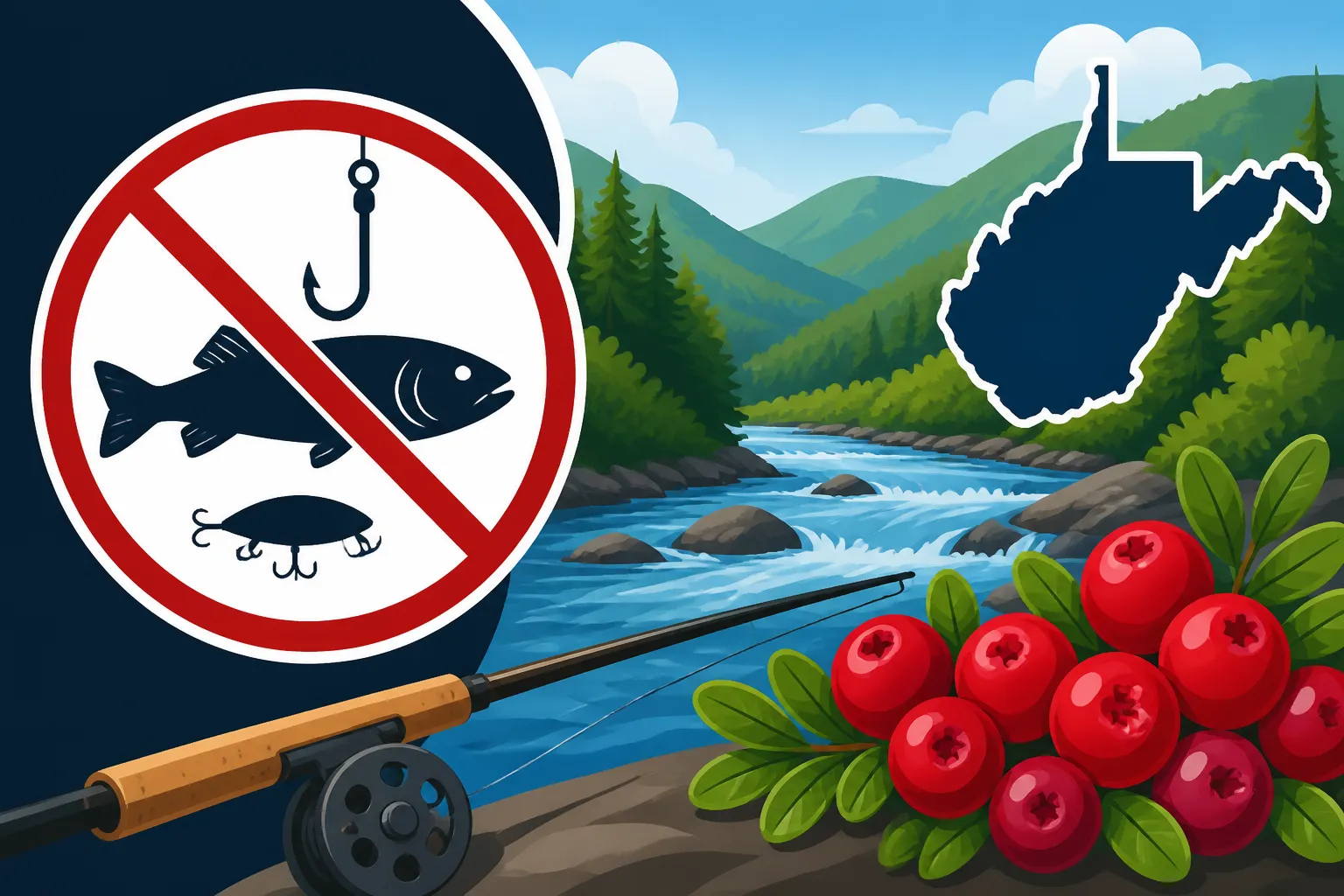
West Virginia Cranberry River special regulations
Navigating the unique rules and regulations for West Virginia's beloved Cranberry River can feel like trying to untangle a particularly stubborn fishing knot. Many anglers, especially those new to this beautiful waterway, find themselves scratching their heads, wondering exactly what kind of gear is allowed, if they need a special stamp, or if they can even keep any of the gorgeous trout they might encounter. This guide aims to clear up all that confusion, giving you a crystal-clear understanding of the Cranberry River's special regulations so you can focus on enjoying its world-class fishing.
Understanding the Cranberry River's Unique Status
The Cranberry River isn't just any trout stream in West Virginia; it's a gem, a true wild and stocked trout fishery nestled deep within the Monongahela National Forest. Because of its exceptional quality and the desire to preserve its delicate ecosystem while also providing an outstanding fishing experience, the West Virginia Division of Natural Resources (WVDNR) has implemented a very specific set of regulations. These rules are designed to protect the trout population, encourage natural reproduction where possible, and ensure the river remains a premier destination for generations to come.
Why Special Regulations Exist
The primary goal behind the Cranberry River's special regulations is conservation. Unlike many other stocked trout waters where the intent might be a "put-and-take" fishery, the Cranberry is managed to foster a population of robust, healthy trout that can thrive and grow to impressive sizes. This means reducing fish mortality, especially from handling and hook injuries, and minimizing the impact of fishing pressure. By restricting gear to artificial lures and flies with single barbless hooks and mandating catch and release, the WVDNR significantly increases the survival rate of caught fish. It's about creating a sustainable fishery where trout have a higher chance of becoming those magnificent "trophy" fish that anglers dream about. It's a commitment to ecological balance and enhancing the overall quality of the angling experience, rather than just quantity.
Designated Special Regulation Zones
It's crucial to understand that these special regulations aren't blanket rules for the entire Cranberry River system. They apply to specific, clearly marked sections that the WVDNR has identified as needing this extra layer of protection and management. Specifically, these special regulations are in effect on the Cranberry River itself, running from the Falls downstream to its confluence with the Dogway Fork. Additionally, the Dogway Fork, from its source all the way down to its meeting point with the Cranberry River, also falls under these rules.
If you're planning a trip, it’s always a good idea to check a detailed map of the Monongahela National Forest or the latest West Virginia Fishing Regulations Explained document. These maps will clearly outline where these special zones begin and end, ensuring you're compliant no matter where you cast your line. Fishing outside these designated special regulation zones on the Cranberry River or its tributaries would subject you to the general statewide regulations for trout, which can be quite different. Knowing these boundaries is key to avoiding an inadvertent violation.
Decoding the Regulations: What You Can and Cannot Do
The Cranberry River's special regulations might seem strict at first glance, but they're incredibly straightforward once you break them down. They largely dictate the type of tackle you can use and what you must do with any fish you catch. Adhering to these rules isn't just about legality; it's about respecting the fishery and the efforts made to keep it exceptional.
The Artificial Lures and Flies Only Mandate
One of the most defining aspects of fishing the Cranberry River's special regulation sections is the "artificial lures and flies only" rule. This means that if it's not a man-made imitation designed to mimic natural prey, it's not allowed. Forget about bringing your trusty can of corn, a tub of worms, or even live minnows. These natural baits are strictly prohibited. The reasoning is simple: natural baits, especially when swallowed, cause significantly higher mortality rates in fish, even when anglers try their best to release them.
So, what exactly is allowed?
- Artificial Flies: This covers everything from dry flies, nymphs, streamers, and wet flies—all the patterns fly anglers love to tie and cast.
- Artificial Lures: Spinners, small spoons, jigs, and small crankbaits are generally acceptable, provided they do not incorporate any organic or natural bait. The key is that the lure itself must be entirely synthetic or metal, and it shouldn't be enhanced with scents or additives that are derived from natural sources. Many anglers find great success with small inline spinners or weighted jigs, which can be easily found on platforms like Amazon if you're looking to stock up on new patterns.
Single, Barbless Hooks: A Must for Trout Survival
Another critical component of the Cranberry River's special regulations is the requirement for "single, barbless hooks." This rule goes hand-in-hand with the catch-and-release mandate and is perhaps the most important factor in ensuring the survival of the fish you catch. Barbs, while excellent for keeping a fish hooked, can cause significant tissue damage when removed, especially if the fish has swallowed the hook deeply.
What does this mean for your tackle box?
- Single Hooks Only: If your spinner or lure comes with treble hooks (three hooks joined at a common shank), you must replace them with single hooks. This is a common practice among conservation-minded anglers and replacement hooks are readily available.
- Barbless: Even with single hooks, the barb must be either pinched down completely with a pair of pliers or filed off. Most modern fly hooks are already barbless, but for spinning lures, you'll almost always need to modify them. Pinching the barb down effectively makes the hook barbless, allowing for quick and clean releases with minimal harm to the fish. When a fish takes a barbless hook, it still provides enough hold to land the fish, but it slides out much more easily, preventing unnecessary tearing or stress. This is a small adjustment that makes a massive difference in fish survival rates.
Navigating Licensing and Catch & Release Ethos
Fishing the Cranberry River is an immersive experience that goes beyond just casting a line; it involves a deep appreciation for the fishery and adherence to the principles of responsible angling. This includes understanding your licensing requirements and practicing proper catch and release.
Essential Licenses and the Often-Overlooked Trout Stamp
Even though the Cranberry River is designated as a catch-and-release only fishery within its special regulation sections, you absolutely still need to have the appropriate licenses to fish legally. This is a common point of confusion for many, who might mistakenly believe that since no fish are being kept, no license is necessary. That's simply not the case in West Virginia.
To fish the Cranberry River, or any public waters in West Virginia, if you are 15 years of age or older, you must possess a valid West Virginia Fishing License Guide for 2026 (fishing-license-guide-wv-2026.md). Beyond the general fishing license, there's another crucial requirement often missed: a West Virginia Trout Stamp. Yes, even for catch-and-release fishing, and even if you are not targeting specifically stocked trout, a Trout Stamps and Trout Fishing Rules in West Virginia (trout-stamps-and-trout-fishing-rules-in-wv.md) is mandatory for any angler aged 15 and up who fishes in waters designated for trout, which the Cranberry River certainly is. This stamp helps fund the state's trout stocking and management programs, contributing directly to the health of fisheries like the Cranberry. You can conveniently purchase your licenses and stamps online through the WVDNR website, or find local vendors. If you're wondering Where and How to Buy a West Virginia Fishing License (where-and-how-to-buy-a-west-virginia-fishing-license.md), there are several options available to ensure you're compliant before hitting the water.
Mastering the Art of Responsible Catch and Release
Since the Cranberry River's special regulation areas are strictly catch-and-release, practicing proper fish handling techniques isn't just a suggestion—it's an ethical imperative. The goal is to release every fish you catch unharmed, giving it the best possible chance of survival. This contributes directly to the long-term health and vitality of this remarkable fishery.
Here are some best practices for responsible catch and release:
- Minimize Fight Time: Bring the fish in quickly but gently. Prolonged fights can exhaust fish, making them more susceptible to stress and post-release mortality.
- Keep Fish in Water: Whenever possible, unhook the fish while it's still in the water. This is especially true for larger trout. Avoid dragging fish onto dry land or rocks, which can remove their protective slime layer and cause injury.
- Wet Your Hands: If you must handle the fish, wet your hands thoroughly beforehand. Dry hands can remove the fish's protective slime, leaving it vulnerable to disease.
- Support the Fish: Support the fish horizontally with one hand under its belly and the other gently gripping the base of its tail. Avoid squeezing or holding fish by the gills or eyes.
- Quick Hook Removal: Use hemostats, needle-nose pliers, or a specialized hook-removal tool to quickly and carefully remove the barbless hook. Since the hooks are barbless, they should slide out easily.
- Revive If Necessary: If a fish seems sluggish or disoriented after the fight, hold it gently facing upstream in the current. Allow water to flow over its gills until it regains its strength and swims away on its own. Never vigorously push or pull a fish back and forth, as this can damage its gills.
By diligently following these principles, you become a steward of the Cranberry River's precious resources, ensuring that every released fish can continue to thrive and grow. For more detailed information, consider reading up on West Virginia Catch and Release Rules for Trout (west-virginia-catch-and-release-rules-for-trout.md).
Equipping for Success on the Cranberry
Successfully fishing the Cranberry River under its special regulations requires not only understanding the rules but also having the right gear and techniques. This isn't just about what's legal; it's about what will make your trip productive and enjoyable while respecting the nature of this unique fishery.
Recommended Gear for Special Regulation Waters
Given the "artificial lures and flies only" and "single barbless hook" mandates, your gear choices become paramount. Whether you're a fly angler or prefer spinning gear, there are specific recommendations that will enhance your experience and ensure compliance.
For Fly Fishing enthusiasts, the Cranberry River is a dream come true. A good quality 3-weight to 5-weight fly rod, typically 8.5 to 9 feet long, is ideal for most situations. A floating fly line is a must, with a tapered leader and tippet to present your flies delicately. When it comes to flies, having a selection of nymphs (e.g., Pheasant Tails, Hare's Ears, Prince Nymphs), dry flies (e.g., Elk Hair Caddis, Adams, Parachute Adams), and small streamers (e.g., Woolly Buggers) will serve you well. Many anglers find high-quality, barbless fly patterns from brands available on Amazon, ensuring they are compliant right out of the box. For more in-depth advice on what patterns work best, a guide to Fly Fishing for Trout in West Virginia (fly-fishing-for-trout-in-west-virginia.md) would be incredibly helpful.
For Spinning Gear users, the focus should be on light tackle that allows for precise casting of small, artificial lures. An ultralight or light action spinning rod, typically 5 to 6.5 feet long, paired with a small spinning reel spooled with 4-6 pound test monofilament or fluorocarbon line is perfect. Your lure selection should include small inline spinners (sizes #0 to #2), micro jigs (1/32 to 1/8 oz) with soft plastic bodies, and tiny spoons. Remember, all lures must have single, barbless hooks. If your favorite spinner comes with a treble hook, ensure you replace it with a single barbless hook before you even leave home. This setup allows for accurate casts to wary trout and minimizes the impact of your presentation. Finding the Best Gear for West Virginia Trout Fishing (best-gear-for-west-virginia-trout-fishing.md) often means selecting items tailored to these specific conditions.
Techniques and Etiquette for an Unforgettable Experience
Fishing the Cranberry River isn't just about the regulations; it's about adopting techniques that are effective within these constraints and observing etiquette that respects both the fishery and fellow anglers. This river is renowned as one of the Best Fly Fishing Rivers in West Virginia (best-fly-fishing-rivers-in-west-virginia.md), and embracing its unique challenges makes for a more rewarding trip.
Effective Techniques:
- Stealth and Presentation: Trout in special regulation waters tend to be warier due to increased fishing pressure and the likelihood of having been caught before. Approach the water quietly, use natural cover, and make accurate, delicate casts.
- Reading the Water: Learn to identify holding water—pools, runs, riffles, and structure like submerged logs or rocks—where trout are likely to be feeding or resting.
- Drift Fishing: For both flies and lures, a natural, drag-free drift is often key. For fly anglers, this means mending your line to keep your fly moving at the same speed as the current. For spinning anglers, it might involve casting upstream and reeling just enough to maintain tension as your lure tumbles naturally downstream.
- Vary Your Retrieve: With artificial lures, experiment with different retrieve speeds and cadences. Sometimes a steady retrieve works, other times a stop-and-go or twitching motion can trigger a strike.
- Observe Your Surroundings: Pay attention to insect hatches if fly fishing, or to the general activity of baitfish if using spinning gear. "Matching the hatch" with flies or imitating local forage with lures can be incredibly effective.
River Etiquette:
- Respect Other Anglers: The Cranberry River can be popular, especially during peak seasons. Give fellow anglers ample space, usually 50-100 feet if possible. If approaching an area where someone is already fishing, either choose a different spot or ask politely if you can pass or fish nearby.
- Leave No Trace: Pack out everything you pack in, including all trash, broken line, and discarded tackle. The Cranberry is a pristine natural environment; let's keep it that way.
- Wade Responsibly: Wade carefully to avoid disturbing fish or stirring up sediment unnecessarily. Be mindful of spawning redds (fish nests) during certain times of the year, usually identifiable as clean, gravelly areas in shallow water.
- Be Patient: Special regulation waters often hold bigger, smarter fish. Patience and persistence will often pay off.
By combining the right gear, honed techniques, and respectful etiquette, your time on the Cranberry River can be an incredibly enriching and successful angling adventure.
Summary of Cranberry River Special Regulations
To help keep all these details straight, here's a quick reference table outlining the key regulations for the special management sections of the Cranberry River:
| Regulation Aspect | Description | Rationale |
|---|---|---|
| Fishing Method | Artificial lures and flies only. | Reduces gut-hooking and post-release mortality compared to natural baits. |
| Hook Type | Single, barbless hooks only. | Minimizes tissue damage, allowing for quick, clean, and safe release. |
| Fish Retention | Catch and Release only. | Promotes a healthy population of larger, wild, and holdover trout. |
| License Required | Valid WV Fishing License + WV Trout Stamp (ages 15+) | Funds trout management, stocking, and conservation efforts throughout the state. |
| Season | Open Year-Round. | Allows for continuous angling enjoyment while protecting fish via C&R. |
| Applicable Sections | Cranberry River from Falls downstream to Dogway Fork; Dogway Fork from source to confluence with Cranberry River. | Focuses conservation efforts on critical, high-value trout habitat zones. |
Remember, these specific rules are designed to protect and enhance this incredible natural resource. Following them diligently ensures that the Cranberry River remains a world-class trout fishery for everyone to enjoy.
Disclaimer: Fishing regulations are subject to change. While we strive to provide the most current and accurate information, it is always the angler's responsibility to consult the official West Virginia Division of Natural Resources (WVDNR) fishing regulations summary prior to any fishing trip. This guide is for informational purposes only and does not supersede state law.