West Virginia night fishing rules
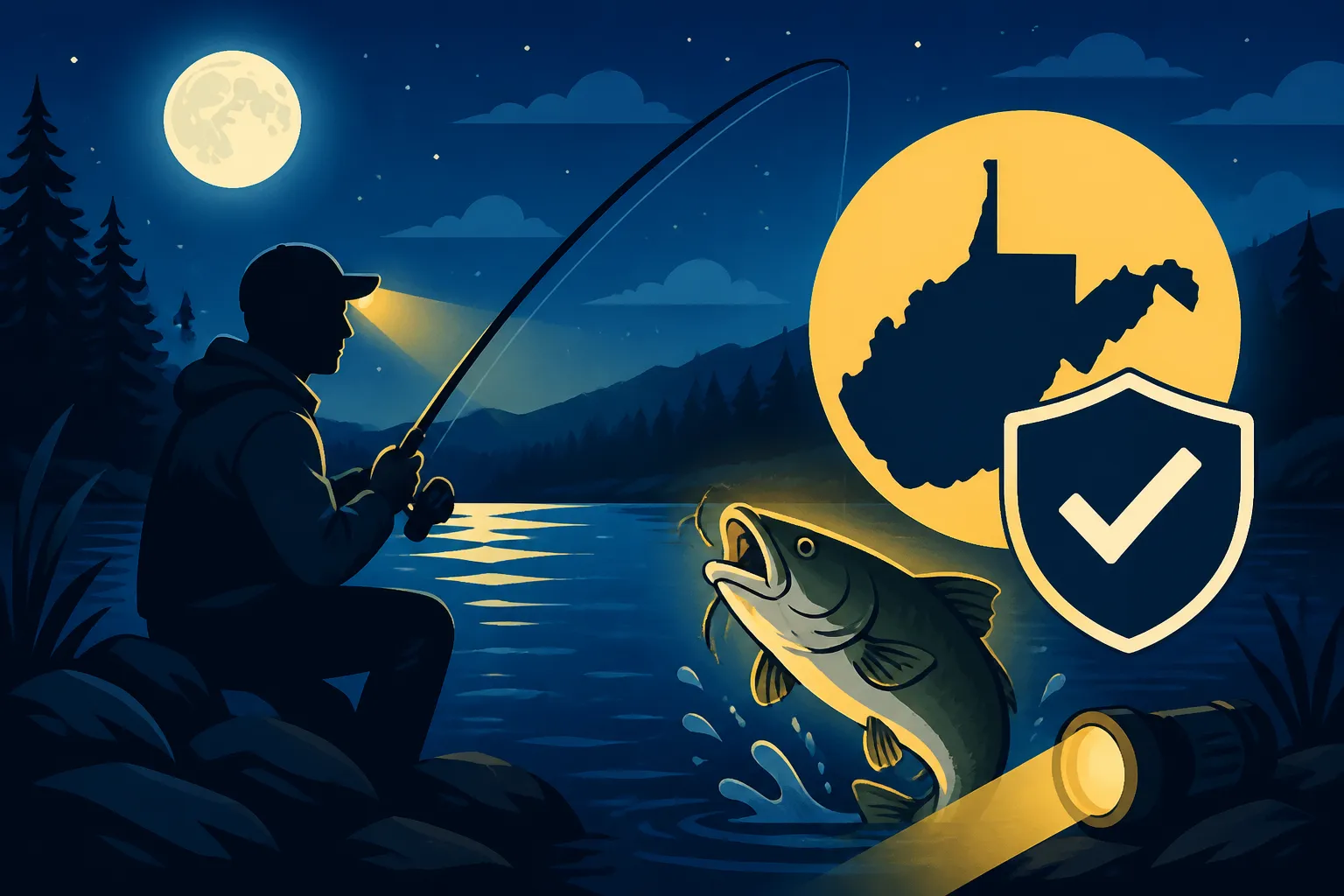
There's nothing quite like the quiet hum of a West Virginia evening, the air cooling, and the anticipation of a bite under a blanket of stars. Many anglers find a special kind of peace and often more success once the sun dips below the mountains. However, venturing out after dark brings up a lot of questions about what's allowed and what's smart. This guide is here to clear up the confusion around West Virginia night fishing rules, ensuring you're safe, legal, and ready to hook into some nocturnal lunkers.
General Night Fishing Legality in West Virginia Waters
One of the first things people wonder is if night fishing is even allowed in the Mountain State. It's a valid concern, as some places have strict curfews on waterways. The good news is, for the most part, West Virginia embraces the night angler.
Statewide Regulations and General Permissibility
In West Virginia, there isn't a blanket statewide regulation that prohibits fishing once the sun goes down. This means that in the vast majority of public lakes, rivers, and streams, you are perfectly within your rights to cast a line at 2 AM as you are at 2 PM, provided you have your current West Virginia Fishing License Guide for 2026 in hand. This freedom is a huge draw for those who love the tranquility and unique challenges of fishing in the dark.
Think about it: the crowds thin out dramatically, the air is cooler on those sweltering summer nights, and many fish species, particularly larger ones, become more active under the cover of darkness. This general permissibility opens up incredible opportunities, whether you're targeting big catfish on the Kanawha River or trying your luck for walleye in the deeper reservoirs. You won't find yourself needing a special "night fishing permit" or facing a specific "night fishing season" in the state's general regulations. This flexibility is part of what makes West Virginia such a fantastic fishing destination.
Exceptions and Specific Waterbody Restrictions
While the general rule is "go for it," it's absolutely crucial to understand that there are exceptions. Not every single body of water in West Virginia is fair game for night fishing without a second thought. These specific restrictions usually come down to local ordinances, private property rules, or management policies for certain areas.
For instance, many state park lakes might have specific operating hours, and while fishing from shore during daylight is encouraged, access after dark could be restricted to certain areas or even prohibited entirely. Lakes managed by municipalities for drinking water supply, or smaller, more sensitive impoundments, often have their own set of rules, including closure times for the entire lake or limitations on boating after certain hours. The key here is due diligence: always check the specific regulations for the particular body of water you plan to fish. This often means looking for signage at boat ramps or access points, visiting the West Virginia Department of Natural Resources (WVDNR) website for specific lake or river details, or even making a quick phone call to the park office or local authorities. Imagine planning a big night trip to a beautiful, remote lake only to find a locked gate and "No Trespassing After Dark" signs – it’s a real buzzkill, and easily avoided with a little research. Always make sure you understand the nuances of West Virginia Fishing Regulations Explained for your chosen spot.
Safety Considerations and Essential Gear for Night Angling
Night fishing is exhilarating, but the reduced visibility means you're operating in an environment with higher risks. Prioritizing safety and having the right gear aren't just good ideas; they're non-negotiable for a successful and trouble-free outing.
Prioritizing Personal Safety in the Dark
When the sun goes down, familiar surroundings can become disorienting. Tripping hazards that were obvious in daylight – loose rocks, tree roots, uneven ground, sudden drops – become invisible dangers. This is especially true on riverbanks or around boat ramps. It's incredibly easy to stumble, twist an ankle, or even fall into the water. Beyond the immediate physical risks, there's also the chance of getting lost, particularly if you're exploring a new area or wandering off well-worn paths.
Furthermore, West Virginia's wilderness is home to plenty of wildlife. While most animals will avoid you, nocturnal creatures like bears, coyotes, or even venomous snakes (which are harder to spot in the dark) are out and about. Always let someone know where you're going and when you expect to return. Fishing with a buddy is highly recommended; two sets of eyes and hands are always better in an emergency. Wear appropriate footwear with good traction, especially on wet or uneven terrain. If you're near a river with current, be extra cautious, as a misstep could quickly lead to a dangerous situation. Your personal safety should always be the absolute top priority.
Must-Have Gear for a Successful and Safe Night Trip
Having the right equipment can make all the difference between a frustrating night and a fantastic one. First and foremost, lighting is paramount. A high-quality headlamp is essential – preferably one with red-light options to preserve your night vision, like those from Black Diamond or Princeton Tec. A powerful spotlight or lantern can also be invaluable for setting up camp, navigating larger areas, or identifying distant landmarks. You can find a wide array of reliable headlamps and lanterns, even ones specifically designed for fishing, on Amazon.
Beyond lighting, communication is key. A fully charged cell phone is a must, perhaps even with a portable power bank for extended trips. If you're in an area with spotty cell service, consider a satellite messenger device for emergencies. A basic first-aid kit is also crucial for handling minor cuts, scrapes, or insect bites. For the actual fishing, specialized gear can enhance your experience. Think glow-in-the-dark lures, lighted bobbers, or even small clip-on lights for your rod tip to help detect subtle bites. If you're fishing from a boat, ensure you have proper navigation lights and all required safety equipment as outlined in West Virginia Boating Laws for Anglers and pay special attention to Life Jacket Requirements for West Virginia Boaters. A quality GPS device, whether handheld or on your phone, loaded with maps of the area, will also be invaluable for safe navigation and finding your way back to your vehicle or camp.
| Item Type | Specific Gear Example | Purpose in Night Fishing |
|---|---|---|
| Lighting | Headlamp (red-light option), Lantern, Spotlight | Hands-free illumination, preserving night vision, camp lighting, long-distance visibility. Essential for tying knots, baiting hooks, and safely navigating terrain. |
| Safety | First-Aid Kit, Whistle, Charged Cell Phone, GPS | Addressing minor injuries, signaling for help, emergency communication, preventing getting lost. |
| Navigation | GPS device/app, Detailed Map, Compass | Knowing your precise location, finding access points, avoiding hazards, getting back safely. Crucial for unfamiliar areas or when visibility is severely limited. |
| Fishing Aids | Lighted Bobbers, Glow-in-the-Dark Lures, Rod Tip Lights | Visualizing strike indicators, attracting fish, detecting subtle bites in the dark. Helps overcome the challenge of low visibility for presenting bait and identifying strikes. |
| Personal | Bug Spray, Warm Layers, Water/Snacks, Knife/Multi-tool | Protection from insects, staying comfortable in cooling temperatures, staying hydrated/fed, general utility. Night temperatures can drop significantly, making extra layers important. |
| Boating | Navigation Lights (if applicable), Anchor Light, Life Jackets | Complying with West Virginia Boating Laws for Anglers, ensuring visibility to other boaters, illuminating your position while anchored. Critical for avoiding collisions and ensuring safety on the water after dark. |
Species-Specific Night Fishing Strategies and Regulations
Certain fish species become veritable vampires once the sun sets, feeding more aggressively and moving into shallower water than they would during the day. Understanding which fish to target and how to approach them can dramatically increase your success rate.
Targeting Catfish, Walleye, and Other Nocturnal Hunters
When you think of night fishing in West Virginia, catfish should immediately come to mind. Channel catfish, flathead catfish, and even the occasional blue catfish on the Ohio River are highly nocturnal predators. They use their keen sense of smell and touch to hunt in the dark. The best strategy for them involves targeting deep holes, current seams, log jams, and undercut banks. Popular baits include cut bait (shad, sunfish), stink baits (various manufactured concoctions), and live bait like large minnows or bluegills. The Kanawha River, with its deep pools and abundant forage, is a prime spot for these whiskered warriors after dark. For flatheads, live bait is almost always king, presented on the bottom near heavy cover.
Walleye are another fantastic night target, especially in clear lakes like Summersville Lake or Tygart Lake. During the day, they often retreat to deeper, cooler water, but as dusk approaches, they move onto shallower points, humps, and flats to feed. Trolling crankbaits that mimic baitfish can be incredibly effective, especially those with rattles or reflective finishes that can be seen or felt in the dark. Jigging with a spoon or a soft plastic near structure can also produce bites. Remember, walleye have excellent low-light vision, giving them a distinct advantage over their prey at night. Beyond these two, hybrid striped bass, found in lakes such as Sutton Lake, are also known for their aggressive nighttime feeding frenzies, often chasing baitfish right up to the surface. Crappie can also be caught at night, often by suspending small jigs or minnows under a lighted bobber around submerged brush piles or dock lights.
General Rules and Species Limits at Night
It’s important to clarify a common misconception: while night fishing might feel like a different activity, all standard fishing regulations, including size and creel limits, remain in effect. There are no special "night limits" that differ from the daytime rules. If the West Virginia Walleye Daily and Possession Limits state you can keep four walleye per day, that limit applies whether you catch them at noon or midnight. The same goes for West Virginia Black Bass Limits and the New River Slot Limit on smallmouth and largemouth bass; the slot limits and daily creel limits are constant.
This means that accurate fish identification and measurement are just as critical in the dark, perhaps even more so due to reduced visibility. Carry a reliable measuring device and a good light source to properly identify your catch before deciding to keep or release it. If you're ever in doubt about a fish's species or whether it meets the legal length, it's always best to practice catch and release. All anglers must possess a valid West Virginia Fishing License Guide for 2026 even when fishing after hours. Adhering to these rules is paramount to responsible angling and avoiding penalties, as fishing without a license or exceeding limits carries the same consequences whether it's day or night.
Boating and Access Considerations for Night Anglers
Taking a boat out after dark in West Virginia adds another layer of responsibility and requires careful adherence to specific regulations and safety protocols. Shoreline access also demands different considerations when the sun isn't shining.
Navigating Waterways After Dark
Boating at night on West Virginia's rivers and lakes presents unique challenges and requires strict adherence to navigation rules. Reduced visibility makes it difficult to spot other vessels, buoys, submerged hazards, or approaching weather. This is why the U.S. Coast Guard and West Virginia regulations mandate specific lighting for boats operating after sunset and before sunrise. All powerboats must display a red light on the port (left) side, a green light on the starboard (right) side, and an all-around white light visible for 360 degrees. Sailboats and manually propelled vessels (like canoes or kayaks) also have specific lighting requirements, often needing a white light visible from all directions, which can be a flashlight or lantern ready to be displayed. You can find all the specifics in the West Virginia Boating Laws for Anglers.
The importance of these lights cannot be overstated; they allow other boaters to see you and determine your direction of travel, preventing collisions. Beyond lights, operating at a safe, reduced speed is critical. What might be a comfortable speed during the day can become dangerously fast when you can't see what's ahead. A reliable GPS chartplotter, ideally pre-loaded with local charts that show navigation markers and known hazards, is an invaluable tool for night navigation. Before venturing out, confirm all your boat's lights are working perfectly. Having a spare set of bulbs or a backup flashlight for emergencies is a smart move. Remember, a significant portion of boating accidents occur after dark due to impaired visibility and lack of proper lighting. Many boaters purchase these essential boating safety items, like navigation lights and emergency flares, from online retailers like Amazon to ensure they're well-equipped.
Public vs. Private Access Points and Hours
Accessing your chosen fishing spot at night requires forethought. While many public boat ramps maintained by the WVDNR or state/federal agencies like the Army Corps of Engineers are typically open 24/7, there are no guarantees. Some ramps might be located within parks or recreation areas that have gate closures or specific operating hours, often posted at the entrance. It's a frustrating experience to drive for an hour with your boat hitched up, only to find the ramp gate locked. Always check the facility's specific rules or website beforehand.
For shore anglers, public access points along rivers and lakesides generally follow the same guidelines as the water itself: if it's public land, you're usually good to go unless otherwise posted. However, accessing these spots can be trickier in the dark. What looked like a clear path during the day might be overgrown or have hidden obstacles at night. Stick to known, safe access routes. Private marinas or resorts almost always have strict after-hours policies, often restricting access to paying guests or requiring special permission. Never assume you can cross private property at night, even to reach a public waterway. Respecting private property boundaries and knowing the specific rules for public access points will save you a lot of hassle and ensure a smooth night fishing experience. When planning an outing, consider checking details for specific locations, for example, access points for New River Gorge National Park Fishing Access Points.
Disclaimer
The information provided in this guide is for general informational purposes only and does not constitute legal advice. Fishing regulations in West Virginia are subject to change. Always consult the most current official West Virginia Fishing Regulations, published by the West Virginia Department of Natural Resources (WVDNR), before engaging in any fishing activities. Adherence to all local, state, and federal laws and regulations is the sole responsibility of the angler.