Do You Need a State License to Fish in New River Gorge?
Planning a fishing trip to the breathtaking New River Gorge National Park and Preserve often brings up a common head-scratcher for many anglers: do you actually need a West Virginia state fishing license to cast a line there? It's a perfectly fair question, given the "National Park" designation, which can make regulations feel a bit murky. This guide is here to clear up that confusion and ensure you're fully prepared to enjoy the incredible fishing opportunities without any legal worries.
The Straight Answer: Yes, a West Virginia Fishing License is Required
Let's cut right to the chase because it's the most important piece of information: yes, you absolutely need a valid West Virginia fishing license to fish anywhere within the boundaries of the New River Gorge National Park and Preserve. This isn't unique to the New River Gorge; it's a standard practice across most national parks and federal lands.
Many people mistakenly assume that because an area is designated as a "National Park," it operates entirely under federal law and might have its own separate permitting system or even be exempt from state regulations. This is a common misconception that can unfortunately lead to costly fines or confiscated gear if you're caught fishing without the proper documentation. The federal government often partners with state agencies to manage natural resources like fish and wildlife within these areas. For the New River Gorge, that means the West Virginia Division of Natural Resources (WV DNR) retains authority over fishing and hunting regulations.
Why National Parks Still Require State Licenses
The distinction between federal land management and state resource management is where much of the confusion lies. The National Park Service (NPS) manages the land and the visitor experience within the New River Gorge National Park and Preserve. They're responsible for maintaining trails, managing campgrounds, protecting historical sites, and ensuring public safety on park property. However, the fish swimming in the New River and its tributaries, and the wildlife roaming the forests, are considered natural resources of the state.
Therefore, the West Virginia Division of Natural Resources is the governmental body tasked with conserving, protecting, and regulating these fish populations. This includes setting seasons, bag limits, and, crucially, requiring licenses to fund their conservation efforts. Think of it this way: the federal government owns the house (the land), but the state government manages the pantry (the fish and game within). You can enjoy the house, but to take something from the pantry, you need the state's permission in the form of a license.
Understanding West Virginia's Jurisdiction in the Gorge
The New River Gorge National Park and Preserve is a vast area, encompassing over 70,000 acres along a 53-mile stretch of the New River. While it’s federal land, West Virginia law still very much applies. This means that if you're fishing near Fayette Station, down by Grandview Sandbar, or anywhere else within the park boundaries, you are subject to the same rules and regulations as if you were fishing on any other public waters in West Virginia.
WV DNR conservation officers regularly patrol the New River and its surrounding areas, including within the National Park. They are fully authorized to check for fishing licenses, ensure compliance with creel limits, and enforce all state fishing laws. It’s imperative that anglers understand this jurisdictional overlap to avoid any unpleasant encounters or penalties during what should be an enjoyable outdoor experience. Always assume state rules apply unless explicitly stated otherwise by the WV DNR or NPS, which is rare for fishing licenses.
How to Ensure You're Legally Prepared for the New River Gorge
Now that we've firmly established the need for a West Virginia fishing license, let's talk about how to get one and what else you might need to ensure your fishing trip to the New River Gorge is completely legal and hassle-free. It's a pretty straightforward process once you know where to look.
Purchasing Your West Virginia Fishing License
Getting your West Virginia fishing license is easier than ever, with several convenient options available. The most popular method is online through the WVhunt.com website. This platform allows you to purchase your license from the comfort of your home, anytime, day or night. All you need is an internet connection, a credit card, and some basic personal information. The site is user-friendly, guiding you through the steps to select the correct license type for your needs. For a detailed walkthrough, you can check out our guide on How to buy a West Virginia fishing license online.
If you prefer to handle things in person, there are hundreds of authorized license vendors across the state. These typically include sporting goods stores, bait shops, and even some convenient stores. These agents can print your license on the spot, and it's a great opportunity to ask local anglers or store clerks for any last-minute tips on the best bait or current fishing conditions in the Gorge. Remember to bring a valid form of identification, especially if you're applying for a resident license.
What Type of License Do You Need?
The specific type of fishing license you'll need depends primarily on your residency status and how long you plan to fish. West Virginia offers different licenses for residents and non-residents, with varying prices and durations.
- Resident Licenses: If you meet West Virginia's residency requirements, you'll typically purchase an annual resident fishing license (Class B). There are also combination hunting and fishing licenses if you plan to do both. For those over 65, there are discounted or lifetime options available, which can be a real boon. Be sure to verify your eligibility for any special licenses, such as those for seniors, youth, or disabled veterans, as the requirements can sometimes be specific. You can learn more about specific costs in our article on Resident vs Nonresident Fishing License Costs in West Virginia.
- Non-Resident Licenses: For out-of-state visitors eager to experience the legendary fishing of the New River Gorge, non-resident options are available. These include annual licenses (Class F) for those who visit frequently, or more flexible short-term permits. Options like the West Virginia 1-day and 3-day nonresident fishing permits are perfect for a quick weekend getaway or a planned week-long fishing expedition. These short-term licenses are often a cost-effective way to enjoy the fishing without committing to a full annual permit if you're just visiting.
Keep in mind that while youth under a certain age might not need a full license, they often still need to adhere to bag limits and other regulations. It’s always best to check the current West Virginia Fishing License Age Requirements to be absolutely sure for younger anglers in your group.
Additional Stamps and Permits to Consider
Beyond your basic fishing license, there are a couple of additional stamps that many anglers, especially those targeting specific species or fishing certain waters, will need. Ignoring these can be just as problematic as not having a basic license.
- Trout Stamp: If you plan on fishing for trout in West Virginia, particularly in waters that are stocked with trout by the WV DNR (and many sections of the New River Gorge's tributaries are), you will need a West Virginia Trout Stamp. This is an additional purchase on top of your regular fishing license. It's a small investment that directly supports the state's robust trout stocking program, ensuring fantastic opportunities for anglers. You can find out more about the specific costs and requirements in our article detailing the West Virginia Trout Stamp Cost for Residents and Nonresidents. Even if you plan on catch-and-release only, the trout stamp is still required if you're fishing in designated trout waters.
- Conservation Stamp: Most annual fishing licenses in West Virginia also require the purchase of a Conservation Stamp (Class CS). This stamp is a foundational component of wildlife conservation efforts across the state, funding habitat improvements, law enforcement, and educational programs. While there are some exemptions for specific license types (like certain senior licenses or short-term permits), it's generally a mandatory add-on for most annual licenses. Our post on West Virginia's Conservation Stamp, Explained breaks down who needs it and why it's so important for the state's natural resources.
Make sure you review the current year's West Virginia Fishing Regulations Summary thoroughly before heading out. This invaluable document details all the rules, limits, and special regulations for specific waters, including any unique rules that might apply within the New River Gorge.
Common Misconceptions and Avoiding Penalties
Fishing is meant to be a relaxing and enjoyable pastime, but nothing can ruin a trip faster than a run-in with a conservation officer over a preventable legal issue. Understanding common misconceptions and knowing the potential penalties can help you avoid unwelcome surprises in the New River Gorge.
The "National Park Exemption" Myth
As we've discussed, the idea that you don't need a state fishing license within a National Park is a persistent myth. This misconception might stem from a misunderstanding of federal vs. state jurisdiction or from experiences in other types of federal lands where rules might differ. However, for fishing in the New River Gorge, this exemption simply does not exist. The New River, which forms the backbone of the park, is a designated navigable waterway, and its fish populations are managed by the WV DNR.
It's easy to get caught up in the excitement of planning a trip to a renowned destination like the New River Gorge, perhaps even overlooking the smaller details like licensing. Many people think, "It's a national park, surely they have their own system, or maybe it's free." This line of thinking is not only incorrect but could lead to a really bad day on the water. Always err on the side of caution and ensure you have your state license and any necessary stamps before you even think about wetting a line.
Consequences of Fishing Without a License
The penalties for fishing without a valid license in West Virginia can range from a hefty fine to the confiscation of your fishing gear, and even potential legal action. A conservation officer, upon finding an angler without the appropriate license or stamps, has the authority to issue a citation. The specific fine amount can vary depending on the severity of the violation, whether it's a first offense, and the discretion of the officer. However, it's generally a significant enough penalty to make you wish you'd purchased the license.
Beyond the monetary fine, officers can also seize your fishing rod, reel, and any fish you might have caught. Imagine losing your favorite rod or a prized catch simply because you didn't spend a few dollars on a license. It's a frustrating and completely avoidable situation. For a deeper dive into what can happen, read our article on Fishing Without a License in West Virginia: Penalties. It's far better to invest a small amount in a license, which directly supports the very resource you're enjoying, than to risk these kinds of consequences. Moreover, having a valid license and respecting the regulations shows respect for the resource and the efforts made to preserve it for future generations of anglers.
What to Carry and How to Present It
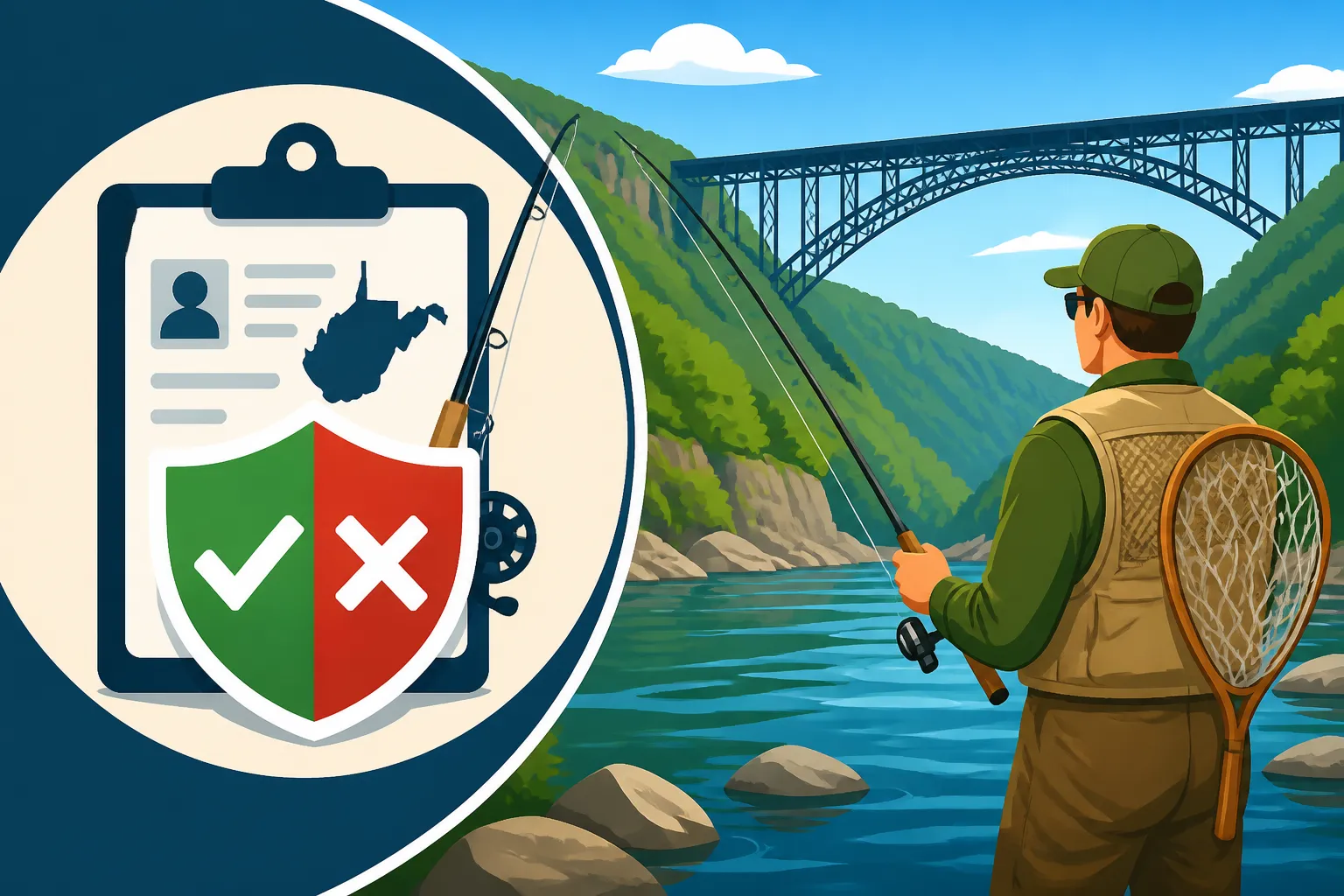
Once you've secured your West Virginia fishing license, you need to make sure you have it with you while fishing. You have a couple of options for carrying your license. The WV DNR allows you to carry a physical copy that you've printed at home or received from a vendor. Alternatively, you can carry a digital copy on your smartphone or other mobile device. This is incredibly convenient for many anglers who are already carrying their phones anyway.
Make sure your digital copy is easily accessible and that your device has enough battery to display it clearly if asked. It's a good idea to keep a screenshot of your license just in case you lose cellular service in some of the more remote parts of the Gorge. The important thing is that it's readily available for inspection by a conservation officer. Our guide on Printing or Carrying a Digital Fishing License in West Virginia offers more specific tips on how to manage this.
Planning Your New River Gorge Fishing Adventure
With the license requirements out of the way, you can now fully focus on the exciting part: planning your actual fishing adventure in the incredible New River Gorge! This area offers some of the best fishing in the state, particularly for smallmouth bass.
Essential Gear and Supplies
While this guide focuses on licenses, it's worth a quick mention that having the right gear is crucial for success and safety in the New River Gorge. The New River is a big, powerful river, and you'll want sturdy tackle. For smallmouth bass, think medium-light to medium-heavy spinning or baitcasting setups. You can find a huge selection of fishing gear, from sturdy wading boots to the perfect smallmouth bass lures, easily on Amazon. Consider robust line, strong hooks, and an assortment of lures that imitate crawfish or baitfish.
Beyond fishing tackle, personal safety gear is paramount. If you're using a boat or kayak, always wear a life jacket, especially given the New River's currents and rapids. Our post on Life Jacket Requirements for West Virginia Boaters can give you specifics. A good pair of polarized sunglasses will help you spot structure and fish, and a brimmed hat and sunscreen are always wise in the West Virginia sun. Don't forget bug spray, especially during warmer months.
Where to Go and What to Catch
The New River Gorge is legendary for its smallmouth bass fishing. These hard-fighting fish thrive in the river's rocky structure and current. Anglers can target them with a variety of techniques, from crankbaits and spinnerbaits to tube jigs and topwater lures. The river also holds healthy populations of muskie, flathead and channel catfish, walleye, and various panfish.
Access points are numerous, from easily accessible spots near towns like Fayetteville to more remote areas requiring a bit of a hike. The New River Gorge Fishing Guide is an excellent resource for exploring different areas and understanding the unique characteristics of this amazing fishery. If you're specifically after bronze backs, definitely check out our New River Smallmouth Bass Fishing article for expert tips on where and how to find them. The beauty of the New River Gorge is that there's always something to catch, and every bend in the river offers a new potential honey hole.
West Virginia Fishing License Quick Reference
To help you quickly navigate the basic license requirements for fishing in the New River Gorge, here's a handy table summarizing common license types and their general costs. Please note that these are approximate costs for 2024 and are subject to change by the WV DNR. Always consult the official WV DNR website (WVhunt.com) for the most current pricing and regulations.
| License Type | Eligibility | Approximate Cost (2024) | Notes |
|---|---|---|---|
| Resident Annual Fishing (Class B) | WV Resident | $23 | Typically requires a Conservation Stamp (Class CS) as an add-on. |
| Non-Resident Annual Fishing (Class F) | Non-WV Resident | $60 | Typically requires a Conservation Stamp (Class CS) as an add-on. |
| Non-Resident 1-Day Fishing (Class P1) | Non-WV Resident | $8 | Valid for one consecutive day. Conservation Stamp may be included or exempt. |
| Non-Resident 3-Day Fishing (Class P3) | Non-WV Resident | $20 | Valid for three consecutive days. Conservation Stamp may be included or exempt. |
| WV Trout Stamp | All Anglers (if fishing for trout) | $23 | Required in addition to a fishing license for fishing in designated trout waters. |
| WV Conservation Stamp (Class CS) | Most Annual License Holders | $13 | Generally required with annual hunting and fishing licenses. |
Please remember to verify all costs and regulations directly with the West Virginia Division of Natural Resources, as they can change annually.
Disclaimer
The information provided in this guide is for general informational purposes only and is not intended as legal advice. Fishing regulations in West Virginia, especially those pertaining to federal lands like the New River Gorge National Park and Preserve, can change. It is the responsibility of every angler to consult the most current West Virginia Fishing Regulations Summary provided by the West Virginia Division of Natural Resources (WV DNR) before engaging in any fishing activity. Always ensure you have the appropriate licenses and stamps, and adhere to all local, state, and federal laws.