Best fillet knife for cleaning trout
You've just wrapped up a fantastic day on a West Virginia trout stream, perhaps even wrestling in a spirited Golden Rainbow Trout in West Virginia or a handful of plump rainbows from a freshly stocked creek. The creel is heavier, the memories are fresh, and now it's time for the final, crucial step: cleaning your catch. But let's be honest, trying to fillet delicate trout with a dull kitchen knife or a bulky hunting blade is a recipe for frustration, often resulting in ragged cuts, lost meat, and a less-than-appetizing presentation. This guide is here to help you navigate the world of fillet knives, ensuring you choose the perfect tool to transform your West Virginia trout into beautiful, table-ready fillets with ease and precision.
Why the Right Fillet Knife Makes All the Difference for West Virginia Trout
When you've put in the effort to find the best fishing spots, battled the elements, and outsmarted some clever trout, the last thing you want is for the cleaning process to undo all your hard work. A specialized fillet knife isn't just a luxury; it's an essential piece of gear that respects your catch and makes the post-fishing ritual a satisfying conclusion to your day.
The Frustration of Using the Wrong Tool
We've all been there. You grab what you think is a "sharp" knife from the kitchen drawer, only to find yourself sawing and tearing at the delicate flesh of a trout. A thick, stiff blade meant for heavier tasks will crush the bones and mangle the meat, making it nearly impossible to follow the contours of the fish's skeleton. You end up wasting precious ounces of delicious trout, and the fillets themselves look more like something an amateur chef wrestled with than a clean, professional cut.
Beyond the aesthetics and wasted meat, there's the safety aspect. Forcing a dull or inappropriate knife through bone and skin significantly increases the risk of slips and cuts. The smaller size of many West Virginia trout, especially those eager stockers or delicate native brookies from mountain streams, demands precision. A general-purpose knife simply lacks the finesse needed, turning what should be a straightforward task into a wrestling match between you and your hard-won catch. Imagine trying to precisely separate the fillet from the ribcage of a small brook trout with a hunting knife – it's practically impossible to do cleanly without butchering the fish.
The Benefits of a Specialized Trout Fillet Knife
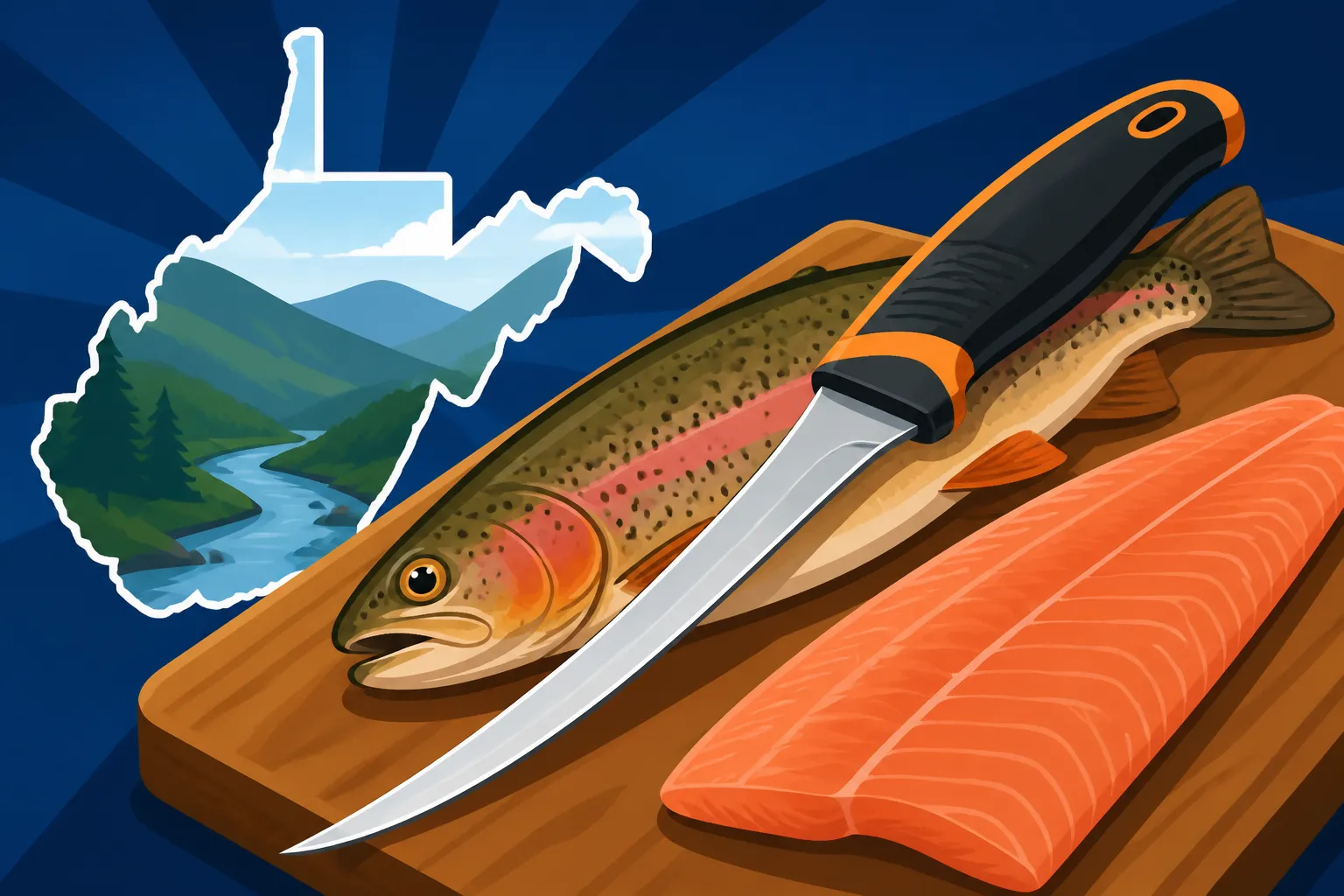
Switching to a knife specifically designed for filleting trout is a game-changer. These knives are crafted with particular features that make the job efficient, safe, and even enjoyable. The primary benefit is clean, precise cuts. A sharp, flexible blade glides effortlessly along the backbone and over the ribcage, separating the meat cleanly without tearing. This means you maximize your yield, getting more usable meat from each fish.
Furthermore, these specialized knives help preserve the flavor and texture of your trout. When the filleting process is quick and clean, the meat isn't bruised or exposed to air for too long, helping maintain its delicate quality. A good fillet knife also makes the task faster, which is especially appreciated after a long day of Spring Trout Fishing Techniques for West Virginia Streams or if you've had a particularly successful outing and have a pile of fish to process. Safety is another huge plus; a knife that's comfortable to hold, stays sharp, and is designed for the task reduces the chances of accidents, letting you focus on the fish, not on your fingers.
Essential Features to Look For in a Quality Trout Fillet Knife
Not all fillet knives are created equal, and what works for a hefty walleye might not be ideal for a slender trout. Understanding the key characteristics of a good trout fillet knife will help you choose wisely and ensure every fish is processed to perfection.
Blade Length and Flexibility: The Goldilocks Zone for Trout
When it comes to filleting trout, blade length is crucial. Most trout caught in West Virginia, whether they're stocked rainbows or wild browns, typically fall into a size range that benefits from a shorter, more maneuverable blade. Generally, a blade between 4 to 7 inches is considered the sweet spot.
- Too short (under 4 inches): While highly maneuverable, a blade that's too short might require multiple passes on even moderate-sized trout, leading to less clean cuts and more effort. It can also make it harder to get a full, clean cut along the backbone.
- Too long (over 7 inches): A blade that's too long, like those often used for larger saltwater fish or even big pike, becomes cumbersome and difficult to control when working with a smaller, more delicate trout. You lose the precision needed to navigate around the ribcage and separate the skin cleanly.
Flexibility is perhaps even more important than length for trout. A flexible blade allows you to bend and conform the knife to the contours of the fish's bones, getting right against the spine and ribs without cutting into them. This ensures you leave very little meat behind. For trout, look for a blade that has a good amount of "give" – it should flex easily when gentle pressure is applied. This characteristic is particularly useful when handling different Trout Species Identification Guide for West Virginia which can vary slightly in bone structure and size. Many anglers find the Rapala brand offers excellent flexibility in their fillet knives, making them a popular choice.
Blade Material and Edge Retention: Keeping it Sharp
A sharp knife isn't just effective; it's safer. For a fillet knife, excellent edge retention means you won't be stopping to sharpen halfway through a pile of fish.
- Stainless Steel: Most quality fillet knives are made from high-carbon stainless steel. Stainless steel is fantastic because it resists corrosion, which is a huge plus when dealing with wet, fishy environments. It's easy to clean and won't rust if accidentally left damp. The "high-carbon" aspect adds to the hardness of the steel, improving its ability to hold a sharp edge longer. You'll find many reputable brands, readily available on platforms like Amazon, using this material because it strikes a great balance between durability, corrosion resistance, and sharpenability.
- Edge Retention: The ability of a blade to stay sharp through repeated use is paramount. Nothing is more frustrating than a knife that dulls after just one fish. While you'll still need to maintain your edge (more on that later), a good quality steel will significantly reduce how often you need to perform a full sharpening. Some higher-end knives might feature more exotic steel alloys, but for most West Virginia trout anglers, a well-made high-carbon stainless steel blade will serve you excellently.
Handle Ergonomics and Grip: Comfort and Control
You'll be holding this knife, often with wet or slimy hands, for a significant amount of time if you've had a good day. The handle isn't just about comfort; it's about control and safety.
- Ergonomics: A well-designed handle will fit comfortably in your hand, reducing fatigue. This is especially important if you're processing multiple fish. Look for handles that are shaped to contour to your grip, rather than being perfectly cylindrical or boxy.
- Grip Material: The best fillet knife handles are made from materials that provide a secure, non-slip grip even when wet. Textured rubber, synthetic polymers, or composite materials are common and effective. Avoid smooth, polished wood or plastic, as these can become dangerously slick. Some handles feature specific textures or finger grooves to further enhance grip, giving you confidence and preventing slips that could lead to injury. When you're dealing with a slippery fish, that secure grip from a knife like those often found at Bass Pro Shops can make all the difference.
Manual vs. Electric Fillet Knives: Which is Best for Trout?
The choice between a manual and an electric fillet knife often comes down to personal preference, the number of fish you're cleaning, and the typical size of your catch. Both have their advantages, but one tends to be better suited for the nuances of trout fishing in West Virginia.
The Precision of a Manual Fillet Knife
For the vast majority of West Virginia trout anglers, a good quality manual fillet knife is the go-to choice.
- Unrivaled Control: Manual knives offer precise control over every cut. This is absolutely critical when working with smaller, delicate trout, where every millimeter matters to separate the fillet from the fine bones and minimize waste. You can feel the blade moving along the backbone and over the ribcage, allowing for subtle adjustments that an electric knife simply can't match. This control is especially valuable if you're trying to achieve boneless, skinless fillets for a gourmet meal after a successful outing on one of the Best Trout Streams in West Virginia.
- Portability and Simplicity: Manual knives are lightweight, require no power source, and are easy to clean and store. You can toss one in your fishing pack or tackle box without a second thought. This makes them ideal for bank anglers, kayakers, or anyone who might be cleaning fish streamside or at a remote campsite.
- Perfect for Small Catches: If you're only cleaning a few fish within your West Virginia Bag and Possession Limits by Species, a manual knife is more than sufficient and often more efficient than setting up an electric unit. It's the classic choice for anyone who enjoys the meditative process of filleting fish by hand, perfecting their technique with each catch.
The Speed and Power of an Electric Fillet Knife
While less common for standard trout cleaning, electric fillet knives do have their place, particularly if you're targeting larger species or processing a huge volume of fish.
- Efficiency for Volume: If you're consistently catching a boatload of larger fish, like larger brown trout, walleye, or hybrid striped bass, an electric knife can significantly speed up the filleting process. The oscillating blades make quick work of even tough skin and large bone structures.
- Larger Fish Focus: For bigger fish where brute force might be needed more than delicate precision, electric knives excel. Think about processing several large lake trout or bigger fish caught on the Ohio River; an electric knife would be a blessing.
- Not Ideal for Small Trout: For typical West Virginia trout – especially the smaller ones – an electric knife can be overkill. The powerful blades, while fast, can tear delicate flesh or take too much meat off the bones due to their lack of fine control. They're also bulkier, require a power source, and tend to be louder, which might detract from the tranquil post-fishing experience. So, while powerful, they're generally not the Best Fillet Knife for Cleaning Trout in most scenarios.
Here's a quick comparison of features to help you decide:
| Feature | Manual Fillet Knife | Electric Fillet Knife |
|---|---|---|
| Blade Length (Trout) | 4-7 inches, high flexibility | Various lengths, often less flexible |
| Precision | Excellent, fine control for delicate cuts | Good for large cuts, less precise for small fish |
| Speed | Slower, depends on skill | Very fast, especially for many fish or larger species |
| Portability | Highly portable, no power needed | Requires power source (outlet or battery), bulkier |
| Typical Trout Use | Ideal for most West Virginia trout, all sizes | Best for larger trout or high volume of larger fish |
| Skill Level | Requires practice for best results | Easier for beginners to get decent cuts on larger fish |
| Cost (General) | Generally less expensive for quality options | Can be a significant investment, especially cordless |
| Maintenance | Manual sharpening, simple cleaning | Blade cleaning, motor care, battery charging |
Caring for Your Fillet Knife: Longevity and Performance
A good fillet knife is an investment, even if it's a modest one. Proper care ensures it remains a joy to use for years to come and, crucially, stays safe and effective. Don't let your Best Gear for West Virginia Trout Fishing go to waste by neglecting its upkeep!
Sharpening Techniques for a Razor Edge
The single most important aspect of knife care for a fillet knife is maintaining a razor-sharp edge. A dull knife is dangerous and inefficient.
- Regular Honing: For everyday maintenance, a honing steel or ceramic rod is your best friend. This doesn't actually sharpen the knife by removing material, but rather realigns the microscopic edge that can bend or roll during use. A few passes on a honing rod before and after each cleaning session will keep your knife performing at its peak.
- Sharpening: Eventually, honing won't be enough, and your blade will need true sharpening to restore its edge.
- Whetstones: These are traditional and offer the best control over the sharpening angle, producing a truly keen edge. They come in various grits, starting with coarser stones to remove nicks and moving to finer stones for polishing the edge. This method requires practice but yields superior results.
- Pull-Through Sharpeners: These devices are quicker and easier to use, often having pre-set angles. They're great for quick touch-ups or for those less comfortable with whetstones. However, they can remove more material from the blade over time.
- Electric Sharpeners: These provide a fast and consistent edge but can be aggressive. If you use one, opt for models with multiple stages and gentle abrasive belts.
No matter the method, always follow the manufacturer's recommendations for sharpening angles. A well-maintained edge will make every filleting session a breeze, especially after you've been working hard applying how to catch trout in West Virginia techniques.
Cleaning and Storage for Durability
After you've finished filleting your trout and maybe even posed for a quick photo with your impressive catch before putting it away, proper cleaning and storage are vital.
- Immediate Cleaning: Never let fish residue dry on your blade. As soon as you're done, hand wash the knife with warm, soapy water. Avoid putting your fillet knife in a dishwasher. The harsh detergents and high heat can damage the handle materials, dull the blade, and potentially lead to corrosion on stainless steel over time.
- Thorough Drying: After washing, immediately and thoroughly dry the blade and handle with a clean cloth. Even "stainless" steel can develop rust spots if left wet, especially around the bolster or tang where moisture can linger.
- Safe Storage: How you store your knife impacts both its edge and your safety.
- Sheath: Most quality fillet knives come with a protective sheath, often made of plastic or nylon. This is the best way to store your knife, as it protects the blade's edge from damage and prevents accidental cuts when rummaging through a tackle box or drawer.
- Knife Block or Magnetic Strip: If you plan to keep your fillet knife in the kitchen, a dedicated knife block or a magnetic wall strip offers safe and convenient storage. Just ensure the blade isn't rattling against other utensils.
Proper cleaning and storage aren't just about longevity; they're about ensuring your knife is always ready, sharp, and safe for your next West Virginia fishing adventure. Don't forget to check out West Virginia Fishing License Guide for 2026 and West Virginia Fishing Season Dates and Closures before heading out on your next trip!
Disclaimer
This article is for general informational purposes only and does not constitute professional advice. Laws, prices and regulations vary by location and change over time. Consult a qualified professional for guidance on your specific situation.