Best nymph pattern for high water conditions
It can be incredibly frustrating to head out to your favorite West Virginia trout stream, only to find it running high and muddy after a good rain. You arrive with all your usual flies, ready for a day of delicate nymphing, and quickly realize your carefully selected patterns just aren't cutting it. The current is ripping, the visibility is terrible, and you can't seem to get your fly down to where you think the fish might be. It feels like you're casting into a void. But don't despair! High water doesn't mean the fishing is impossible; it just means it's time to adapt. This comprehensive guide will walk you through the best nymph patterns and essential techniques to successfully fish West Virginia's trout streams when the water is high and off-color, turning those challenging conditions into opportunities for success.
Understanding High Water in West Virginia Streams
High water conditions can feel like a whole different ball game compared to the clear, lower flows many anglers are accustomed to. It's not just about more water; it's about a complete shift in the environment that demands a change in strategy. Trying to fish a tiny, unweighted nymph in a roaring current is often an exercise in futility, leading to nothing but frustration.
Why High Water Changes Nymphing Tactics
The most immediate challenge is the sheer power and speed of the current. Increased flow velocity makes it incredibly difficult for standard, lighter nymphs to sink to the desired depth, often called the "strike zone." Your fly will be swept downstream or lifted towards the surface long before it can reach the bottom where fish are likely holding. This means your usual delicate presentations, which work wonders in calmer waters, simply won't penetrate the water column effectively enough to be seen by a hungry trout.
Visibility becomes a major hurdle when West Virginia streams swell. Heavy rains pick up sediment, silt, and organic debris, turning the water murky, often with a brownish or greenish tint. This drastically reduces the distance a fish can see your fly. Suddenly, those subtle, perfectly matched patterns become almost invisible. Anglers need to consider how their fly's size, color, and even any added flash can help it stand out in the diminished light and cloudy water.
Fish behavior shifts dramatically in high water. Instead of holding in their usual feeding lanes in open water, trout and other stream dwellers will seek refuge from the main current. They move to slower pockets, tuck in behind large boulders, seek shelter under cutbanks, or position themselves in eddy lines. Their primary goal is to conserve energy, and they'll wait for easy meals to be washed directly into their holding areas. Your success hinges on understanding these new holding patterns and getting your nymph right into these specific hideouts.
The increased depth of the water column also plays a significant role. What might be knee-deep on a normal day could easily be waist-deep or more during a high water event. This added depth further complicates the task of getting your fly down quickly and keeping it in the strike zone for an extended period, requiring heavier flies and more deliberate rigging to overcome the increased pressure and depth.
Reading the Water: Identifying Prime High Water Lies
When the river is roaring, knowing exactly where to present your nymph is just as critical as choosing the right pattern. You can have the perfect fly, but if it's not in front of a fish, it's just wet plastic and feathers. Start by looking for anything that breaks the force of the main current. This includes large boulders, fallen logs or trees, and deeply undercut banks. These are classic "current breaks" where fish will expend minimal energy while waiting for food items to be swept to them. They're trying to escape the torrent, just like you'd look for shelter in a storm.
Eddies and soft pockets are absolute gold mines during high water. These areas, typically found immediately downstream of an obstruction or along a slower bank line, provide a comfortable, slower-moving environment where fish can hold. Food items, including dislodged nymphs, worms, and other terrestrial insects, tend to swirl and collect in these spots, making them prime feeding stations. Cast your nymph just upstream of the eddy and allow it to wash naturally into the slower water, mimicking a disoriented bug.
Don't overlook the very edges of the river. Often, the fastest, most powerful current is in the middle of the channel, while the banks offer a narrow, slightly slower-moving channel. Fish will frequently hug these banks, especially if there's any overhead cover from trees, shrubs, or even exposed root systems. These often-shallow areas can be surprisingly productive during high water, as fish feel secure and find slower flows. For more tips on fishing from the bank, consult our guide on Best Shore Fishing Spots in West Virginia.
Also, pay close attention to areas where smaller tributaries or feeder creeks flow into the main river. These confluences create unique current breaks and can sometimes introduce clearer water or a different array of food sources, concentrating fish in the transition zone. The mingling of waters can be a highly productive spot, particularly if the tributary isn't as high or as muddy as the main stem. This intersection of currents and food delivery often creates an irresistible ambush point for trout.
Essential Characteristics of High Water Nymph Patterns
When the water is high and fast, you need flies that can defy the current and effectively grab a fish's attention in reduced visibility. This means rethinking what makes a "good" nymph. It's less about delicate realism and more about raw effectiveness.
Weight is Your Friend: The Importance of Getting Down Fast
Let's be crystal clear: if your nymph isn't getting to the bottom, you're not catching fish. In high, fast water, weight is not just important—it's paramount. Forget about those delicately weighted patterns you might use for subtle presentations in low, clear flows. We're talking about heavy tungsten beads, generous lead wire wraps, and often the necessity of adding supplemental split shot to your leader. The primary objective is to punch through the powerful current and plummet to the streambed where the fish are holding, and to achieve this quickly.
Tungsten beads are an absolute game-changer for high-water nymphing. They are significantly denser than traditional lead or brass beads, which means you can have a smaller profile fly that still sinks like a rock. Look for patterns tied with oversized tungsten beads, often found on "jig nymphs" where the bead is positioned to make the hook ride point-up, significantly reducing frustrating snags on the bottom. Retailers like Bass Pro Shops and Amazon offer an extensive selection of these heavier, more efficient patterns.
Never be afraid to add extra weight to your setup. Even with a heavily beaded nymph, the sheer force of West Virginia's powerful currents can keep your fly suspended high in the water column. A few pieces of strategically placed split shot, positioned a foot or two above your lead nymph, can make all the difference in achieving the necessary depth. Experiment with different amounts and sizes of shot until you can feel your fly occasionally ticking the bottom, which is a key indicator that you are in the strike zone.
Remember, the faster and deeper the water, the more weight you will inevitably need. It's a delicate balance: too much weight, and you'll be snagging constantly and frustratingly; too little, and your flies will simply drift over the heads of the fish, rendering them ineffective. Be prepared to adjust your weight frequently as you move from one type of water to another, whether it's a deep pool or a faster riffle.
Profile and Visibility: Patterns That Stand Out
When the water is murky and visibility is low, subtlety goes out the window, and being conspicuous becomes a virtue. Fish in these conditions rely more on their lateral line to detect vibrations and less on sight. This means your nymph needs to create a distinct profile and offer some visual cues that can cut through the turbid water and grab their attention.
Consider using larger patterns than you might typically deploy. A size 10 or even an 8 nymph might seem overly large, but in high, dirty water, it presents a more substantial and easier-to-detect meal to a fish that's already expending energy fighting the current. A bigger profile is simply easier for fish to pick up on in low visibility conditions. Think of it as presenting a generous meal rather than a tiny appetizer when they are looking for something easy and fulfilling.
Color plays a surprisingly significant role in off-color water. While natural tones like black and olive are always reliable choices, don't shy away from brighter or contrasting colors for high water conditions. Chartreuse, orange, pink, or even white can be surprisingly effective. These vibrant colors offer a better contrast against a muddy or stained background, making your fly much more visible. Sometimes, just a small "hot spot" of color, such as a bright bead or a contrasting collar, is all it takes to trigger a strike.
A little bit of flash can also be incredibly beneficial, but the key is "a little." Incorporating a touch of Krystal Flash, tinsel, or even a metallic bead can help catch what little light penetrates the murky water and draw attention to your fly. You don't want something so flashy that it looks unnatural, but just enough to create an enticing glint or shimmer that fish can detect from a distance. It's about being noticed without being overtly obnoxious.
Top Nymph Patterns for West Virginia's High Water
Knowing the characteristics of effective high-water nymphs is one thing; having the specific patterns in your fly box is another. Here are some of the go-to patterns that consistently produce when West Virginia's rivers are running high.
Heavy Hitter Patterns: Stoneflies and Worms
When the water is high and fast, big, buggy patterns that mimic larger aquatic invertebrates or even terrestrial worms are often the most successful. Fish anticipate that bigger food items will be dislodged and swept downstream in these turbulent conditions. Stoneflies, in particular, are prevalent in many West Virginia streams, and their larger profile makes them an ideal imitation for these challenging flows.
The Pat's Rubber Legs, also frequently known as a Girdle Bug, is a legendary high-water nymph for a reason. Its large, undulating rubber legs provide an incredible amount of movement and a substantial profile that fish can easily detect even in murky conditions. When tied with a heavy lead or tungsten body, it sinks quickly and perfectly imitates a large stonefly nymph, an abundant food source in many mountain streams. The wiggling action of those rubber legs is often irresistible to fish, even in the fastest currents, triggering aggressive strikes.
Worm patterns, such as the classic San Juan Worm or the more modern Squirmy Wormy, are often considered "cheat flies" in high, stained water. These simple, often brightly colored patterns don't typically imitate a specific insect but rather represent a protein-rich, easy meal. Their segmented or squirmy action and vibrant hues are incredibly attractive to opportunistic fish. They are especially effective after significant rain events when real earthworms and other terrestrials are likely washed into the stream, providing an easily recognizable food source.
The effectiveness of these heavy-hitter patterns lies in their ability to offer a substantial, easily detectable, and often brightly colored meal. They don't require the fish to be actively "feeding" on a specific insect hatch; instead, they provoke a strong reaction strike based on pure opportunity and instinct. Having a selection of these patterns in various sizes and colors is absolutely essential for your fly box when facing elevated water levels. For more general guidance, our Trout Fishing in West Virginia guide offers a broader perspective.
Flash and Attraction: Perdigons and Jig Nymphs
While traditional patterns are reliable, modern European nymphing designs like Perdigons and jig nymphs have become indispensable tools for high-water fishing due to their exceptional sinking speed and sleek, hydrodynamic profiles. These patterns are engineered to get deep, fast, and stay in the strike zone longer than conventional flies.
Perdigon nymphs are characterized by their extremely slim, tapered body, which is often coated in UV resin for both durability and a super-smooth, quick-sinking surface. They almost invariably feature a heavy tungsten bead, and many incorporate a "hot spot" of bright color near the tail or collar. Their minimal water resistance allows them to plummet through even the fastest currents to the fish's holding depth, even when tied in relatively small sizes. The subtle flash and color contrasts of Perdigons are often just enough to trigger a strike in lower visibility conditions.
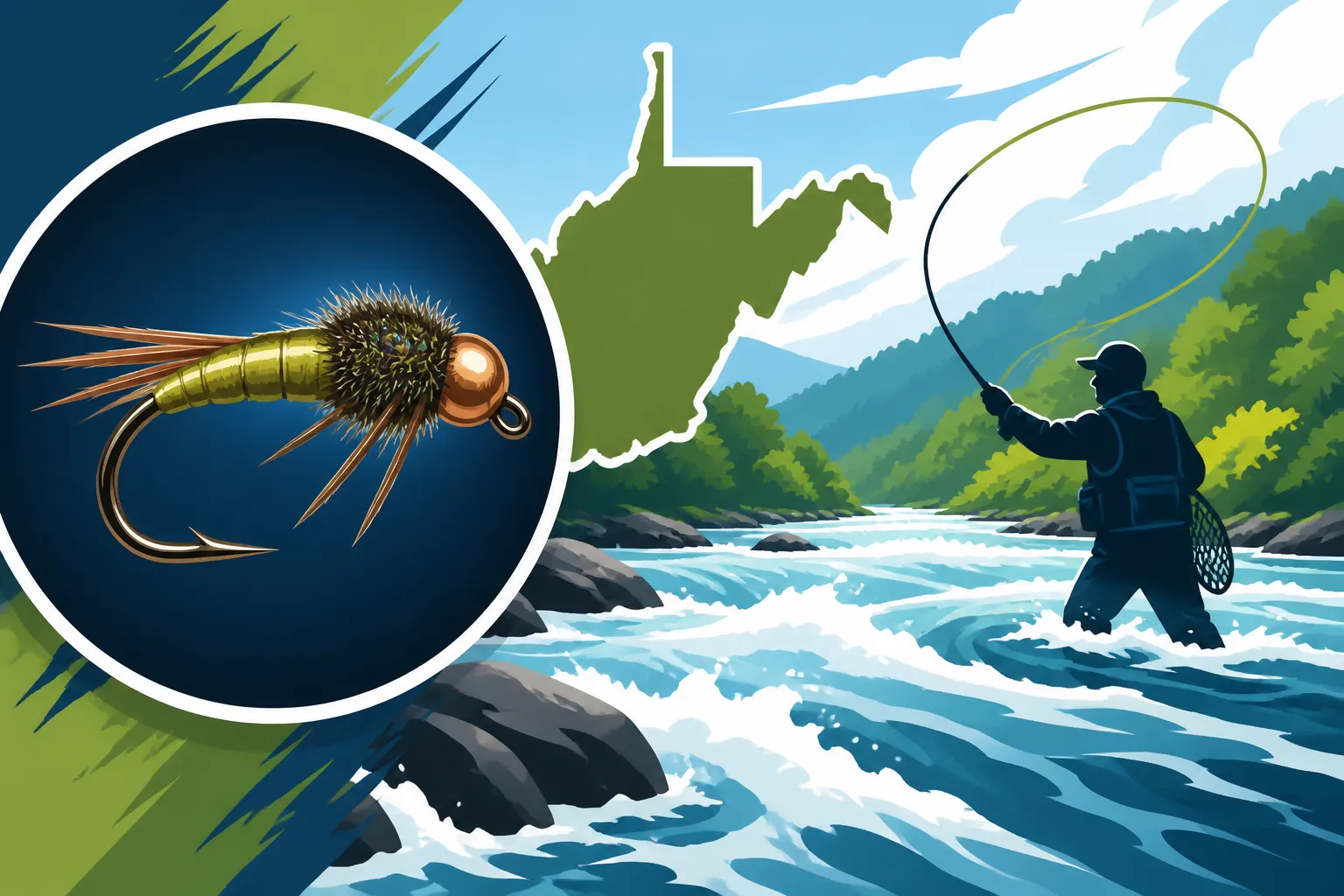
Jig nymphs, regardless of the specific pattern they imitate (many classic patterns like Pheasant Tails or Hare's Ears are now tied on jig hooks with tungsten beads), offer a distinct advantage in high water. The design of the jig hook causes the fly to ride hook-point up, which significantly reduces snags on the bottom debris that is so common in fast, high water. This crucial feature means you can fish more aggressively and effectively in the prime, often snaggy, bottom structure where fish seek refuge from the main current.
The combination of a heavy tungsten bead, a sleek or jigged profile, and often a strategic touch of flash or a bright hot spot makes these flies incredibly effective. They are less about precise insect imitation and more about presenting a detectable "meal" in front of the fish's face quickly and enticing an immediate reaction. They are particularly useful for targeting fish in fast-flowing runs, deeper pockets, and heavy riffles where getting to depth is paramount.
Natural Imitators with Weight: Pheasant Tails and Hare's Ears
Even in high, murky water, sometimes a more natural imitation, when properly weighted and presented, can still be the key to success. Classic nymph patterns like the Pheasant Tail and Hare's Ear have stood the test of time for a compelling reason: they effectively mimic a wide variety of aquatic insects that are constantly present in trout streams. The crucial trick for high-water conditions is adapting these venerable patterns to meet the demands of increased current and reduced visibility.
For high water, actively seek out Pheasant Tail and Hare's Ear nymphs that are tied with significantly heavier tungsten beads. Instead of a small size 16 with a tiny brass bead, opt for a size 12 or even a larger size 10, often incorporating a 3.5mm or 4mm tungsten bead. Some expert fly tiers will even wrap lead wire under the body of these patterns to provide an additional boost in sinking power. The primary goal is to retain the natural, buggy profile that fish recognize while ensuring the fly reaches the fish's depth quickly and efficiently.
Consider using patterns with a strategic "hot spot" for added visibility. A Pheasant Tail with a bright orange or chartreuse collar, or a Hare's Ear with a bright metallic bead or ribbing, can provide that crucial subtle flash and visibility needed to catch a fish's eye in turbid water without making the fly appear overtly unnatural. This small modification can make a substantial difference in enticing a strike when visibility is limited.
These adaptable patterns work because they are truly universal imitations. When high water dislodges a wide variety of insects from the streambed, a generalist pattern that broadly mimics many common nymphs can be incredibly effective. The essential factor is ensuring that the fish can both see it and that the fly gets to their holding depth. Do not dismiss your tried-and-true classic patterns; instead, supercharge them with added weight and a touch of visibility to make them deadly in challenging conditions. If you're also exploring other gear, our Best Gear for West Virginia Trout Fishing guide might be a helpful resource.
Here's a quick reference table for some top high-water nymph patterns:
| Nymph Pattern | Key Features | Why It Excels in High Water |
|---|---|---|
| Pat's Rubber Legs | Large profile, rubber legs, heavy | Creates movement, large silhouette in murky water, sinks fast. Mimics big stoneflies. |
| Squirmy Wormy | Soft, flexible material, often bright colors | Irresistible action, vibrant colors stand out, represents terrestrial worms washed in by rain. |
| Heavy Tungsten Pheasant Tail | Tungsten bead, often lead wire, classic profile | Gets to depth quickly, imitates a wide range of natural nymphs, subtle flash. |
| Jigged Hare's Ear | Tungsten bead, jig hook, buggy profile | Rides hook-point up (fewer snags), heavy, buggy texture attracts attention in low light. |
| Perdigon Nymph | Slim profile, tungsten bead, UV resin, hot spot | Sinks exceptionally fast with minimal drag, hot spots provide visibility, durable. |
Rigging and Presentation for Success in High Water
Having the best nymphs is only half the battle; knowing how to rig them and present them effectively in challenging high-water conditions is the other, equally critical, half. Your technique must be as robust as your flies.
The Art of the Deadly Drift: Using Indicators and Split Shot
Achieving a natural, drag-free drift is always paramount in nymphing, but it becomes even more critical, and often more challenging, in high, fast water. The powerful current is constantly pushing and pulling on your line, and any unnatural drag will quickly lift your nymph out of the strike zone or make it look completely unappealing to a discerning trout. This is precisely where proper rigging and the judicious use of indicators and split shot truly come into their own.
A highly visible strike indicator is almost non-negotiable for high-water nymphing, especially when the water is murky or stained. You simply won't be able to see the subtle takes on your fly line that you might in clear water, so the indicator serves as your essential visual cue. Choose an indicator that is buoyant enough to easily support your heavy nymphs and any added split shot, but avoid ones that are so large they create excessive drag. Opaque colors like bright orange, chartreuse, or even white are often the most effective for maximum visibility against a dark, churning background.
Rigging for depth is a crucial adjustment. Begin by making an educated estimate of the water's depth in the section you're fishing. Your indicator should be positioned at least 1.5 times the actual water depth above your first nymph, and potentially even more if the current is exceptionally swift or the water is very deep. This generous spacing allows your nymphs sufficient time to sink to the bottom before they pass over the fish's holding area. Don't be hesitant to adjust this depth frequently; the goal is to be occasionally ticking the bottom, indicating you're in the right zone.
Strategically placed split shot is your silent secret weapon for achieving depth. Instead of just relying on one large piece of shot, try using several smaller pieces spaced a few inches apart, beginning approximately 6 to 12 inches above your lead nymph. This "shotgun" approach helps your entire rig sink more evenly and maintains a more natural, drag-free drift. Experiment with different weights and placements until you discover the sweet spot where your flies are getting deep consistently without constantly snagging on the bottom. For more on how to navigate these challenging conditions, check out our Wading Techniques for West Virginia Trout Streams guide.
High Water Fly Rod and Line Considerations
The specific fly fishing gear you choose for high-water nymphing can significantly influence both your success rate and your overall enjoyment on the water. Those delicate, shorter rods you might favor for dry fly fishing tiny mountain streams simply won't provide the necessary power or control when you're casting bulky, heavy nymph rigs and battling strong currents, or even larger fish, in West Virginia's rivers.
Opt for a longer, heavier fly rod. A rod typically ranging from 9' to 10' in a 5-weight or 6-weight is often considered ideal for high-water nymphing in many West Virginia trout streams. The added length provides several distinct advantages: it helps you mend your line more effectively, allowing you to control your drift over longer distances, and crucially, it enables you to keep more fly line off the turbulent water, which drastically reduces unwanted drag on your nymphs. The heavier weight of the rod provides the necessary backbone to cast heavier nymph rigs and manage larger fish in strong currents. You can find excellent options by reviewing our Best Fly Rods for West Virginia Trout Streams guide.
Consider your fly line carefully. While a weight-forward line will certainly help punch those heavy nymphs out, the ultimate key to success is superior line management. For anglers employing advanced European nymphing techniques, a very thin, level mono leader or a specialized nymphing line can reduce drag to an absolute minimum, allowing your nymphs to sink and drift with maximum naturalness. However, for traditional indicator nymphing, a standard weight-forward floating line works perfectly well, provided you are actively and skillfully mending your line throughout the drift.
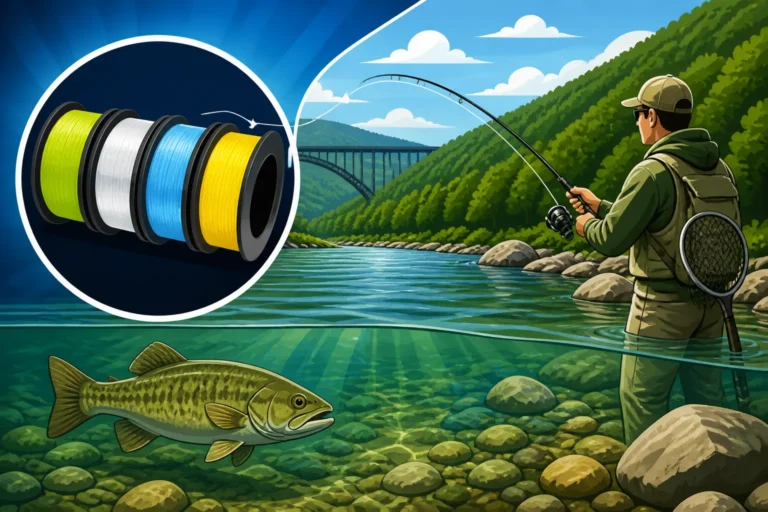
Finally, don't overlook your leader and tippet. In murky, high-water conditions, you can often get away with using slightly heavier tippet than you might normally, which is a significant advantage when you're trying to land a strong fish in fast water or pull your rig free from an inevitable snag. A 3X or 4X fluorocarbon tippet is often an excellent starting point, as fluorocarbon sinks faster than traditional monofilament and is notably less visible underwater, which can still be important even in off-color flows. You might even consider a heavier, stiffer butt section for your leader to help effectively turn over those bulky, weighted rigs. Remember, having the right tools, including a reliable Best Landing Net for Trout, can make a huge difference in landing fish in tough conditions.
By understanding how fish react to high water, selecting the right heavy and visible nymph patterns, and adapting your rigging and presentation, you can turn a potentially frustrating day into a remarkably productive one on West Virginia's beautiful trout streams. Don't let high water intimidate you; let it challenge you to become a more versatile and successful angler! Always make sure to check West Virginia Trout Season and Stocking Rules before you head out. And for those looking to expand their knowledge on overall fly fishing, Fly Fishing for Trout in West Virginia is a great resource.
Disclaimer
This article is for general informational purposes only and does not constitute professional advice. Laws, prices and regulations vary by location and change over time. Consult a qualified professional for guidance on your specific situation.