Best inline spinner for stream trout
There’s nothing quite like the thrill of a West Virginia trout stream, with crystal-clear water tumbling over rocks and the promise of a feisty rainbow, brown, or brook trout lurking in a cool eddy. But let's be honest, standing there, gazing into your tackle box filled with a dizzying array of lures, trying to pick just the right one for those finicky trout can be downright overwhelming. You want something that works consistently, something that calls to those trout, and often, that "something" is a trusty inline spinner. This guide is all about helping you understand why inline spinners are so effective, what makes a good one, and how to put them to work on our beautiful mountain streams.
Why Inline Spinners Are a Trout Angler's Best Friend
When you're chasing trout in West Virginia, you need a lure that can cut through the water, grab attention, and trigger an aggressive strike. Inline spinners do all of this with a deceptively simple design. They're not just a piece of metal and a hook; they're an art form in motion, designed to provoke that instinctual predatory response in trout that makes them so much fun to catch.
The Irresistible Flash and Vibration
Imagine you're a trout, holding tight in a pocket behind a boulder, conserving energy. Suddenly, a flash of light catches your eye, followed by a subtle thumping vibration in the water. Your brain registers "food!" and your instincts take over. This is exactly what a good inline spinner does. The spinning blade acts like a tiny, distressed baitfish, darting and wobbling, sending out both visual cues (the flash of polished metal or painted patterns) and powerful lateral line vibrations that trout pick up on from surprising distances. It’s this combination of sight and feel that makes them so deadly effective. Whether the water is gin-clear or has a slight stain, that flash and throb are often enough to make a trout abandon its cover and strike. It’s particularly effective in areas where trout might be a bit more aggressive, perhaps after a recent Rainbow Trout Stocking in West Virginia or in competitive feeding zones.
Spinners also excel because they offer a consistent presentation. Unlike flies that might require a perfect drift or jigs that need specific jigging motions, a spinner generally just needs to be reeled in at a steady pace to do its job. This makes them incredibly user-friendly, even for beginners, while still being highly effective in the hands of seasoned anglers. The way the blade rotates, creating that consistent pulse, is a universal trigger for many predatory fish, and trout are no exception.
Versatility Across Stream Conditions
One of the greatest advantages of inline spinners is their adaptability to the diverse conditions you'll encounter across West Virginia's trout streams. From the broad, meandering sections of the South Branch of the Potomac to the tight, cascading waters of a Monongahela National Forest brook trout stream, there's a spinner that fits the bill.
In faster, turbulent water, heavier spinners with larger, more cupped blades (like a Colorado blade) can maintain their depth and action without blowing out of the strike zone. The added weight helps them sink quickly into plunge pools and riffles where trout often hold. Conversely, in slower, clearer stretches, a lighter spinner with a narrower blade (like an Aglia or Willowleaf) might be more appropriate. These blades provide less resistance, allowing for a slower retrieve that can entice more cautious trout without spooking them. The ability to vary your retrieve speed with different blade types is a key factor in Spring Trout Fishing Techniques for West Virginia Streams. If you're wading through different types of water, having a small assortment of spinners with varying weights and blade shapes in your vest pocket can make all the difference. They cast well with spinning gear, allowing you to cover water efficiently whether you're bank fishing or carefully Wading Techniques for West Virginia Trout Streams.
Key Features to Look For in a Quality Inline Spinner
Not all inline spinners are created equal, and understanding the nuances of their design can dramatically improve your success on the water. It’s not just about picking a shiny thing; it’s about choosing the right shiny thing for the conditions and the trout you’re targeting.
Blade Type and Color
The blade is the heart of an inline spinner. It’s responsible for the flash, vibration, and even the depth at which the lure runs. There are several common blade types, each with unique characteristics:
- Aglia (French) Blades: These are often teardrop-shaped and spin in a wider arc, creating a good deal of lift and vibration. They're very versatile and popular for general trout fishing, working well in various current speeds. Their broad profile catches a lot of light, making them highly visible.
- Colorado Blades: Rounder and more cupped than Aglias, Colorado blades create maximum vibration and lift at slower retrieve speeds. They're excellent in murky water or deep pools where trout rely more on sound and feel. They also slow the lure's descent, which can be good for keeping it in the strike zone longer.
- Indiana Blades: A hybrid between Aglia and Colorado, Indiana blades offer a balance of flash and vibration. They’re a good all-around choice when you're unsure which blade type to use.
- Willowleaf Blades: Long and slender, these blades create less vibration but offer a lot of flash and spin easily. They're best in fast currents or when you want a lure to run deeper with less lift. They also resemble minnows more closely, which can be a plus in clear water.
Beyond shape, blade color is paramount. Gold and silver are classic, imitating shiny baitfish scales. Gold often excels on overcast days or in slightly stained water, while silver is fantastic in bright sun and clear water. Copper can be a great option for darker days or in tannic-stained mountain streams, offering a more subdued, natural gleam. Beyond metallics, don't overlook painted blades – chartreuse, orange, and fire tiger patterns can be incredibly effective, especially in off-color water or when trout are keying in on specific forage like sculpins or salamanders. Consider what the trout might be seeing, or what might simply annoy them enough to strike!
| Blade Type | Shape | Vibration | Flash | Ideal Conditions | Best For |
|---|---|---|---|---|---|
| Aglia | Teardrop | Medium | High | Versatile, moderate current, various depths | All-around |
| Colorado | Round, Cupped | High | Medium | Slow retrieve, murky water, deep pools | Vibration/Depth |
| Indiana | Oval | Medium | Medium | All-around, balanced performance | Versatility |
| Willowleaf | Long, Slender | Low | High | Fast current, deep presentation, minnow imitation | Speed/Deep |
Weight and Size Considerations
Choosing the right weight and size for your inline spinner is crucial for matching the conditions of West Virginia's diverse trout streams. Too heavy, and you're constantly snagging the bottom; too light, and you can't get it to sink or cast accurately.
For smaller mountain streams, often stocked with rainbow and brook trout, a smaller spinner (1/32 oz to 1/8 oz) is usually ideal. These lighter lures present a more natural profile to trout accustomed to smaller insects and baitfish. They also allow for a more delicate presentation that won't spook wary fish in shallow, clear water. If you're fishing larger rivers like the Elk River tailwater or the Cranberry River, where trout can grow quite large, you might size up to 1/8 oz or even 1/4 oz. These heavier spinners cast further, penetrate the current better, and offer a more substantial meal for bigger fish. It’s also important to consider the size of the forage in the particular stream; sometimes a slightly larger profile can mimic a bigger minnow or crayfish.
When purchasing, many anglers buy a selection of sizes and weights to experiment. You can find excellent variety at local tackle shops or through online retailers like Bass Pro Shops or Amazon, making it easy to build a versatile collection for different scenarios. Don't be afraid to experiment! Often, a slight change in size can make all the difference on a given day, especially when trout are being finicky.
Hook Quality and Dressings
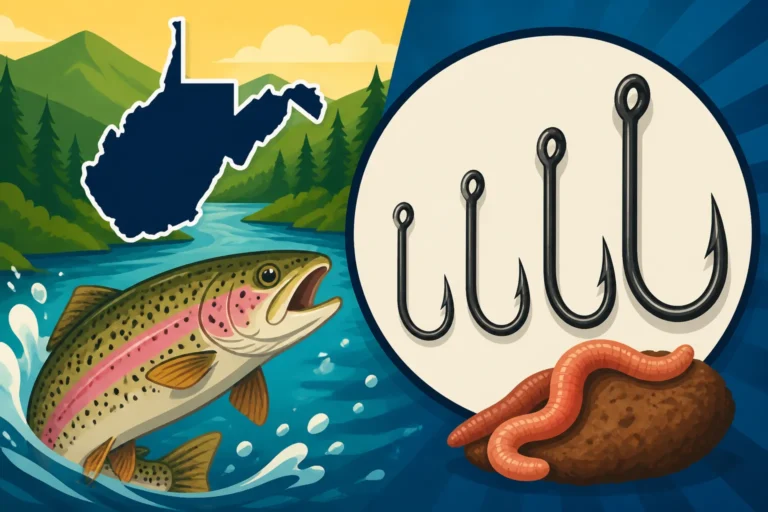
The hook is where the rubber meets the road, or more accurately, where the steel meets the fish's mouth. A dull or flimsy hook will lead to missed strikes and lost fish, no matter how perfectly your spinner performs. Look for spinners with sharp, strong treble hooks. Some anglers prefer to swap out treble hooks for single hooks, especially when practicing West Virginia Catch and Release Rules for Trout, as single hooks can be less damaging to the fish. Make sure the hook is strong enough to handle a feisty trout without bending or breaking.
Many inline spinners also feature dressings on the hook, typically made of hackle (feathers), bucktail, or synthetic materials. These dressings add extra allure by mimicking insect legs or fins, increasing the visual appeal and sometimes even slowing the descent slightly. They can also provide a bit of pulsation in the water that further entices a strike. Classic colors for these dressings include red, white, yellow, or black. Sometimes, a plain hook works just fine, but often, that little bit of extra flair can be the subtle trigger that pushes a hesitant trout to bite. When you're inspecting your spinners, always check the hook point – a quick sharpen with a file can turn a decent hook into a lethal one.
Top Inline Spinner Brands and Models for West Virginia Streams
While countless inline spinners exist, a few brands have consistently proven their worth on trout streams for generations. These are the workhorses you'll find in almost every serious trout angler's tackle box, and for good reason.
Classic, Proven Performers
When it comes to inline spinners, some names just resonate with success. These are the brands that have caught countless trout for anglers across West Virginia and beyond.
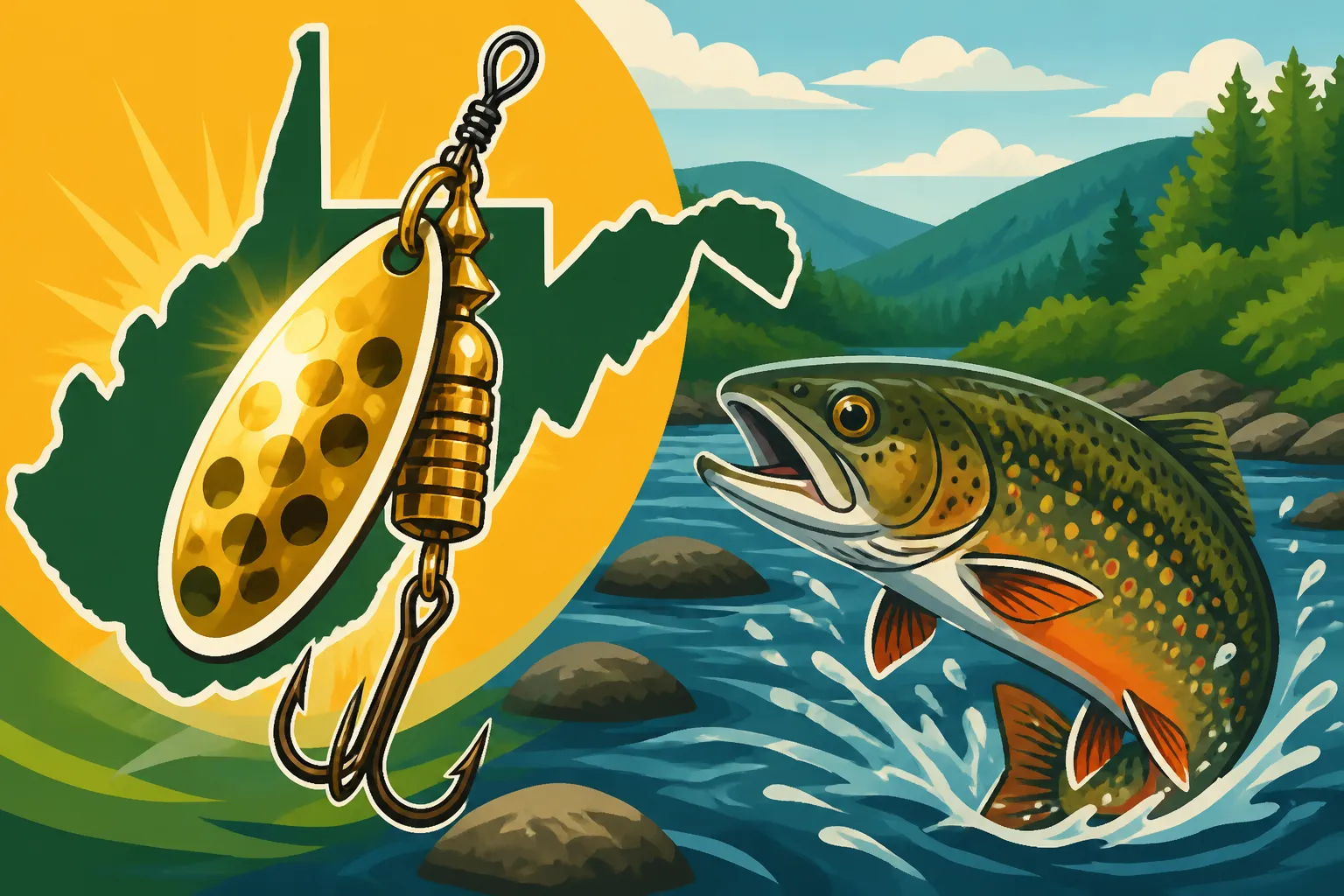
- Mepps Aglia: Often considered the gold standard, the Mepps Aglia is renowned for its consistent spin, even at slow retrieve speeds. The classic silver and gold blades are perpetual favorites, and the dressed hooks add extra appeal. They come in a wide range of sizes, making them suitable for everything from tiny creeks to larger rivers. I've personally had incredible days on the Shavers Fork with a small Mepps Aglia, and you can almost always find them readily available at any sporting goods section, even when you're stocking up for a trip from Bass Pro Shops.
- Panther Martin: Instantly recognizable by its unique convex/concave blade, the Panther Martin spinner creates a distinct vibration and flash. The weighted body and direct-to-shaft design help it sink quickly and cast like a bullet. Their gold and silver blades, especially those with yellow or red spots, are legendary trout catchers. The Panther Martin "Classic" series is a must-have, and many anglers swear by their performance in faster, deeper runs.
- Rooster Tail (Worden's/Yakima Bait): With its colorful hackle tail and vibrant blades, the Rooster Tail is another perennial favorite. The pulsating hackle mimics a fleeing baitfish or insect incredibly well, and the lure comes in an astonishing array of color combinations. The white, black, and various chartreuse patterns are particularly effective in West Virginia waters. They're incredibly versatile and a staple for any angler looking for reliable trout action, often available for quick online purchase through Amazon if your local shop is out of a specific color.
These classic spinners aren't just old-school favorites; they continue to be highly effective because their designs are fundamentally sound, appealing to the trout's basic predatory instincts. You won't go wrong starting your collection with a few from each of these brands. They represent the core of what makes an inline spinner great, and mastering them will make you a more successful trout angler.
Modern Innovations and Niche Spinners
While the classics hold a special place, the world of fishing lures is always evolving. You'll find smaller, niche brands and innovative designs that can also be incredibly effective, especially when trout get a bit pressured or conditions are unusual.
Some smaller manufacturers focus on ultra-light spinners (1/64 oz to 1/16 oz) with specialized small blades or unique color patterns. These can be dynamite on highly pressured wild trout streams, where a subtle presentation is key. Others might incorporate different materials like brass or unique paint finishes that react differently to light. For example, some boutique brands offer hand-tied bucktail or Marabou dressings that create even more lifelike action in the water. While you might not find these at every tackle shop, a quick search online can reveal some hidden gems. These specialized spinners might be just what you need to coax a strike from a trophy brown trout in a stream like the Cranberry River or the Williams River, known for its West Virginia Trout Season and Stocking Rules and larger fish.
Don't be afraid to try something new, especially if the traditional choices aren't producing. Sometimes, a slightly different flash, a unique vibration, or an uncommon color is exactly what it takes to fool a wary trout. Many anglers enjoy the process of discovering these niche lures and adding them to their arsenal. Just remember to always check your state regulations for specific waters; some special regulation areas might have restrictions on lure types, such as single-hook only or artificial lures only.
Techniques for Fishing Inline Spinners in West Virginia Trout Streams
Having the best spinner in your tackle box is only half the battle; knowing how to present it effectively is the other, equally important, half. Trout fishing with inline spinners is an active pursuit that rewards keen observation and thoughtful technique.
Casting and Retrieval Strategies
When you're fishing with inline spinners, how you cast and retrieve can make all the difference between a frustrating day and a memorable one. Trout often face upstream, waiting for food to drift down to them, so your approach needs to respect that natural behavior.
- Casting Upstream and Across: This is often the most effective method. Cast your spinner slightly upstream and across the current, letting it sink for a moment. Then, begin a slow, steady retrieve as the spinner drifts downstream, allowing it to tumble and flash naturally. This presents the lure to the trout as if it's drifting food, and they’ll often hit it as it swings in front of them or just as it passes their holding lie. Maintain just enough tension on your line to feel the spinner working and detect strikes. This technique is especially good for covering a lot of water and probing different current seams and eddies.
- Casting Downstream (with caution): While less common, casting downstream can be effective in certain situations, particularly when targeting deep pools or undercut banks. The challenge is getting the spinner to work against the current without excessive speed or unnatural action. A slow, controlled retrieve, just fast enough to get the blade spinning, is key. However, this approach can sometimes spook fish if the lure comes at them too aggressively.
- Varying Your Retrieve: Don't be a robot! While a steady retrieve is a good starting point, experiment with your speed. Sometimes trout want a slow, tantalizing presentation; other times, they'll smash a spinner retrieved with a burst of speed. Try a few cranks, then a brief pause, then resume. The sudden change in action can often trigger a strike from a following fish. Also, keep your rod tip high or low to adjust the depth of your retrieve. High tip for shallow water or to keep the spinner near the surface, low tip to get it deeper into runs and pools.
Remember that practice makes perfect. Spend time on the water, observing how your spinner moves and how the trout react. Every stream, and even every day on the same stream, can present different challenges.
Reading the Water for Trout Holds
Trout aren't just randomly distributed throughout a stream; they hold in specific locations where they can find food, shelter, and favorable currents. Learning to "read the water" is perhaps the most important skill for any trout angler, and it applies directly to spinner fishing.
Look for areas that offer a combination of these three factors:
- Current Seams: These are the lines where fast water meets slow water. Trout love to sit in the slower water, conserving energy, and dart out into the faster current to grab food drifting by. Cast your spinner to drift along these seams.
- Pools and Eddies: Deeper, slower-moving pools are classic trout holding areas, especially after West Virginia Trout Stocking Hotline and Schedule reports a fresh batch of fish. Eddies, which are pockets of reverse current behind rocks or logs, are also prime spots. Let your spinner sink into these areas and work it slowly.
- Undercut Banks and Submerged Structure: These offer excellent overhead cover and ambush points. Cast your spinner as close as possible to these areas without getting snagged. Large rocks, fallen trees, and logjams are also fish magnets.
- Riffles and Runs: Shallow, fast-moving sections (riffles) leading into deeper, smoother water (runs) are feeding stations. Trout will often sit at the tail of a riffle, waiting for food to be washed down. Using a slightly heavier spinner here can help you penetrate the current effectively.
Always approach the water stealthily. Trout have excellent eyesight and can be easily spooked by sudden movements or shadows. Stay low, move slowly, and make accurate casts. By combining effective casting and retrieval with a good understanding of where trout lie, you'll dramatically increase your chances of success. And don't forget to consult resources like Best Trout Streams in West Virginia for specific local insights.
Maintaining Your Inline Spinners for Peak Performance
You've invested time and perhaps a bit of money in gathering your collection of inline spinners, and they've served you well. But even the best lures can lose their effectiveness if not properly cared for. A little maintenance goes a long way in ensuring your spinners are ready for action whenever you hit the stream.
Cleaning and Storage
After a glorious day on a West Virginia trout stream, your spinners will inevitably collect grime, especially if you've been bouncing them off the bottom or through vegetation. Mud, algae, and even fish slime can dull blades and hinder their spin.
- Rinse After Use: The simplest and most effective step is to rinse your spinners thoroughly with fresh water after each trip. This removes corrosive elements, particularly if you've been fishing in brackish or slightly acidic waters. Pat them dry with a towel or let them air dry completely before storing.
- Deep Cleaning: Periodically, a deeper clean might be needed. A soft brush (like an old toothbrush) and mild soap can help remove stubborn dirt or residue. For tarnished metal blades, a gentle polish designed for jewelry or silver can restore their original shine, which is crucial for that irresistible flash.
- Proper Storage: Store your inline spinners in a tackle box or tray that keeps them separated. This prevents hooks from tangling, which is incredibly frustrating on the water, and also minimizes blade-on-blade contact that can cause nicks or dull finishes. Using small compartments or individual lure wraps can protect their delicate components. Keeping them dry is paramount; moisture is the enemy and leads to rust, especially on hooks and swivels. Good tackle boxes, like those found at Bass Pro Shops, often have dedicated spinner compartments.
By taking these small steps, you'll extend the life of your favorite spinners and ensure they're always performing at their best.
Hook Sharpening and Replacement
A dull hook is the single biggest reason for missed strikes and lost fish. It doesn't matter how perfectly your spinner attracts a trout if the hook can't penetrate cleanly.
- Regular Sharpening: Get into the habit of checking your hook points frequently, even during a fishing trip. A small hook file or sharpening stone should be an essential part of your Best Gear for West Virginia Trout Fishing. Look for a needle-sharp point that will easily catch on your fingernail when lightly dragged across it. If it slides, it's too dull. A few quick passes with a sharpener can restore a dull point in seconds. Pay attention to all three points on a treble hook.
- Hook Replacement: Over time, hooks can become severely bent, rusted beyond repair, or simply too dull to sharpen effectively. Don't hesitate to replace them! Many quality spinners have split rings that allow for easy hook swaps. Keeping a small supply of replacement treble or single hooks (depending on your preference and if you adhere to West Virginia Catch and Release Rules for Trout) in various sizes is a smart move. When replacing, ensure the new hook is of similar size and strength to the original. You can often find replacement hooks and split rings at your local tackle shop or through online retailers like Amazon.
Taking care of your inline spinners means taking care of the small details. A well-maintained spinner, with a gleaming blade and a razor-sharp hook, is a confident angler's best friend and a trout's worst nightmare.
Disclaimer
This article is for general informational purposes only and does not constitute professional advice. Laws, prices and regulations vary by location and change over time. Consult a qualified professional for guidance on your specific situation.