Best glide bait for trophy muskie
Chasing that elusive trophy muskie in West Virginia can feel like a relentless quest, full of highs and frustrating lows. You invest countless hours, make long drives to your favorite waters, and throw endless casts, only to sometimes come up empty-handed. It's a game of patience, strategy, and critically, having the right tools in your tackle box. This comprehensive guide is here to cut through the noise and help you understand why glide baits are an absolute game-changer for enticing those truly massive muskie, what makes a great one, and how to wield it effectively in our Appalachian waters.
Understanding the Allure of Glide Baits for Trophy Muskie
Muskie fishing isn't for the faint of heart, and landing a true trophy often requires thinking outside the box and offering something distinctly different. That's where glide baits truly shine, offering an unparalleled presentation that can trigger even the most lethargic, old, and wise muskie into striking. They aren't just another lure; they're a carefully engineered piece of artistry designed to mimic injured or confused forage, providing a unique meal ticket for big predators.
Why Glide Baits Stand Out in the Muskie Angler's Arsenal
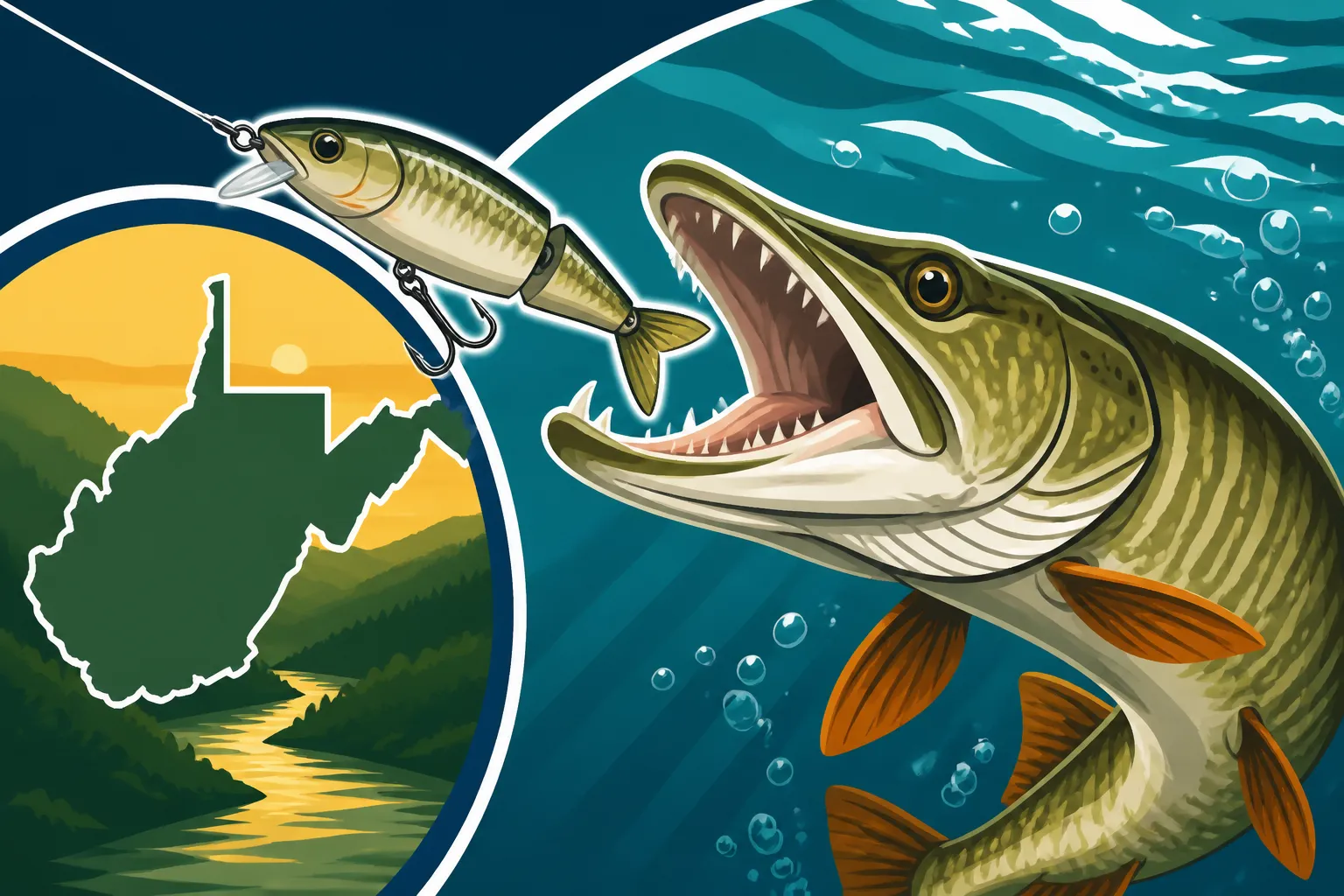
Traditional muskie lures like bucktails, jerkbaits, and even large crankbaits have their place, but glide baits introduce a different kind of magic. Their primary appeal lies in their incredibly natural, subtle, yet highly visible swimming action. Unlike a prop bait that churns water or a spinnerbait that flashes, a glide bait sashays through the water with a wide, lazy S-shaped motion on a steady retrieve. But the real magic happens when you pause or twitch your rod tip. With a slight flick, the bait darts erratically to the side, then slowly glides back to center, mimicking a disoriented baitfish struggling to swim. This "wounded" presentation is often the key to unlocking the jaws of a cautious trophy muskie that has seen every other trick in the book.
The versatility of a glide bait also makes it an indispensable tool. You can fish it fast, slow, deep, or shallow, simply by adjusting your retrieve and the bait's inherent sink rate. It allows you to cover vast amounts of water with its casting distance, but also to pick apart specific pieces of structure with precise, controlled movements. This level of control over the lure's action allows you to adapt to the muskie's mood and the prevailing conditions, making it far more effective than a lure with a fixed action. It's about presenting a meal that looks effortless for a big predator to intercept, rather than something it has to chase down.
Reading the Water: When a Glide Bait Shines Brightest
Knowing what to throw is one thing, but knowing when and where to throw it is paramount for success, especially when targeting trophy muskie. Glide baits excel in certain conditions and situations where other lures might fall short. One of the prime scenarios for a glide bait is when muskie are holding tight to cover or suspending in open water, not actively chasing but willing to ambush. The slower, more deliberate action of a glide bait gives these fish more time to react and commit.
Clear water conditions, common in many of West Virginia's pristine muskie rivers and lakes, are another excellent time for glide baits. The subtle, lifelike action is incredibly convincing in clear water where muskie can get a good look at your offering. In these scenarios, a flashy, high-vibration lure might spook a wary fish. However, a glide bait, with its realistic profile and fluid movements, can fool even the most observant muskie. Conversely, while often associated with clear water, glide baits with high-contrast patterns can also perform surprisingly well in stained or slightly off-color water, leveraging their wide profile and distinct movement to create a larger "displacement" that fish can feel and see. It's all about matching the presentation to the muskie's hunting strategy on that particular day.
Key Characteristics of a Top-Tier Trophy Muskie Glide Bait
Not all glide baits are created equal, especially when you're specifically hunting for a muskie of a lifetime. The difference between a good glide bait and a great one often comes down to meticulous design, robust construction, and a deep understanding of muskie behavior. It’s about more than just a piece of plastic or wood; it’s about a carefully balanced system that performs flawlessly under pressure.
Size, Weight, and Profile: Matching the Forage Base
When targeting trophy muskie, "go big or go home" often rings true, and glide baits are no exception. Large muskie are opportunistic predators, but they're also efficient. They prefer a substantial meal that offers a high caloric return for the energy expended in a strike. This means you'll typically be looking at glide baits in the 8-inch to 12-inch range, sometimes even larger. These larger profiles effectively mimic the bigger baitfish that trophy muskie key on in West Virginia's waters, such as suckers, large shiners, or even smaller panfish.
The weight of the bait is crucial for casting distance and achieving the desired depth. A heavier glide bait will cast like a bullet, allowing you to cover more water efficiently, which is vital when you're searching for that needle in a haystack. The profile should be realistic, often somewhat flattened or broad to provide that signature "glide" through the water. Imagine a baitfish casually swimming, turning sideways for a moment before righting itself – that's the illusion you're trying to create. A top-tier glide bait will feel substantial in your hand, signaling it's built to withstand the violent strike and subsequent battle with a heavyweight muskie. Many anglers find their go-to glide baits for trophy hunting at specialty stores or larger outfits like Bass Pro Shops, where you can often compare a wider array of sizes and profiles side-by-side.
Action and Sink Rate: Controlling the Dance
The action of a glide bait is its soul. A true trophy muskie glide bait will have a mesmerizing, fluid S-glide action on a steady retrieve. This isn't a tight wiggle; it's a wide, almost lazy sweep from side to side. When twitched, it should make a sharp, unpredictable dart to the left or right, followed by a controlled glide back to its original path or slowly sinking. This erratic darting motion, often called "walk the dog" underwater, is what truly triggers strikes. The beauty is in its subtlety and how it perfectly mimics a distressed baitfish, an easy target for a large muskie.
Equally important is the sink rate. Glide baits come in various sink rates: slow sink, fast sink, and sometimes even neutral buoyant. For trophy muskie, a slow-sinking or sometimes neutral buoyant bait is often preferred. This allows you to keep the bait in the strike zone longer, especially when muskie are suspending over deeper structure or holding in slack water pockets. A slow sink means that on the pause, the bait drifts downwards tantalizingly, staying visible to the muskie for an extended period, which can be just enough time for a cautious fish to decide to strike. When you're fishing in clear tailwaters or lakes where the fish have plenty of time to inspect your offering, a bait that hangs in the water column is deadly.
Durability and Hardware: Built for Battle
A trophy muskie is a force of nature, and any lure designed to catch one must be built like a tank. This is where many cheaper glide baits fall short. A true top-tier glide bait for muskie will feature heavy-duty hardware that can withstand crushing jaws, violent head shakes, and powerful runs. This includes:
- Super Strong Treble Hooks: Forget about standard hooks. You need hooks specifically designed for muskie, often 3X or 4X strong, incredibly sharp, and large enough to get a solid bite on a big fish. Many experienced anglers will upgrade the hooks on their glide baits right out of the box.
- Heavy-Duty Split Rings: These are the weakest link on many lures. Ensure your glide bait has robust, thick split rings that won't flex or open under extreme pressure.
- Durable Body Construction: Whether it's high-impact plastic or a carefully sealed and finished wood, the body must be able to endure repeated strikes. Cheaper plastics can crack or chip, and inferior wood baits can swell or lose their finish, compromising their action and integrity.
- Through-Wire Construction: The best glide baits often feature a through-wire design, meaning a single piece of wire runs through the entire body of the lure, connecting all the hook hangers and line tie. This ensures that even if the body breaks apart, the fish is still hooked to the wire, preventing lost fish and lost lures.
You've spent hours hunting this fish; you don't want to lose it because of flimsy hardware. Remember, your Best landing net for muskie is there to finish the job, but the lure has to hold up until then. Investing in quality hardware upfront can save you a lot of heartache (and money) in the long run.
Top Glide Bait Features and Considerations for West Virginia's Waters
West Virginia's diverse aquatic landscapes, from the clear, rocky flows of the New River to the stained impoundments like Tygart Lake or the river sections of the Kanawha, demand versatility in your glide bait selection and technique. Understanding how to adapt your bait's features and your retrieval methods to these varied conditions is crucial for consistent success.
Color Patterns for Varied Water Conditions
Color choice in muskie fishing is often a topic of fervent debate, but generally, it comes down to visibility and mimicry based on water clarity.
- Clear Water (e.g., New River, parts of the Elk River): In clearer waters, natural baitfish patterns often excel. Think realistic shad, suckers, or perch patterns. Subtle colors like pearl, grey, light greens, and browns, with realistic scale patterns, can be incredibly effective. Muskie in clear water have excellent vision and often get a good look at your lure, so a natural presentation is key. Sometimes, a translucent pattern can also be a killer in ultra-clear conditions, providing just enough flash without being overwhelming.
- Stained or Murky Water (e.g., Kanawha River, some impoundments after rain): As the water loses clarity, visibility decreases, and you need colors that stand out more. High-contrast patterns with chartreuse, orange, bright yellows, and black are often very effective. Firetiger, hot perch, or even solid black patterns can create a strong silhouette that muskie can detect. These colors provide a stark contrast against the darker water, making the bait easier for the muskie to hone in on using their lateral line and sight. Don't be afraid to experiment; sometimes a completely unnatural "loud" color can trigger an aggressive strike.
A good rule of thumb is to start natural in clear water and move to brighter, more aggressive patterns as the water darkens. Having a selection that spans this spectrum will put you in a good position no matter what conditions you encounter.
Retrieval Techniques to Entice a Strike
The magic of a glide bait isn't just in its design; it's in how you work it. The beauty is in the angler's ability to impart life into the lure.
- The S-Glide and Pause: The most fundamental technique involves a steady retrieve with subtle rod twitches. Cast your bait out, let it sink to your desired depth, and then begin a smooth retrieve. Every few cranks of the reel, give your rod tip a short, sharp twitch to the side. This makes the bait dart erratically. Then, pause for a moment, letting the bait slowly sink or suspend. This pause is often when a muskie will commit. They follow the erratic dart, and when it stops or slowly sinks, it looks like an injured, easy meal. This combination of "dart and glide" is highly effective.
- Sweeping and Winding: Another effective method, particularly when you want to cover more water or fish deeper, is to make long, downward sweeps of your rod, reeling up the slack as you bring the rod back to the starting position. This creates a longer, more exaggerated glide. The bait will "swim" in broader strokes, mimicking a larger baitfish cruising. This is great for searching large flats or open water areas in lakes like Summersville Lake.
- The Figure-Eight: This technique is absolutely non-negotiable for muskie fishing with any lure, and especially with a glide bait. As your bait approaches the boat or shore, instead of simply reeling it in, smoothly guide your rod tip into a large figure-eight pattern in the water. Keep the bait moving, maintaining that S-glide. Many muskie will follow a lure all the way to the boat and strike at this critical moment, often out of aggression or last-ditch impulse. Mastering How to figure eight a muskie boatside is a skill that will dramatically increase your muskie catch rate. Don't be surprised if a true leviathan appears out of nowhere during your figure-eight, leaving your heart pounding.
Vary your retrieve until you find what the muskie respond to. Some days it's aggressive twitches and long pauses; other days, it's a steady, smooth S-glide. The key is experimentation and confidence in your presentation.
Balancing Your Gear: Rods, Reels, and Line for Glide Baits
Using the right rod, reel, and line is just as important as the glide bait itself. You're throwing large, heavy lures, and battling powerful fish, so your setup needs to be robust and balanced.
- Rods: For glide baits, you'll want a heavy to extra-heavy power baitcasting rod, typically 8 to 9 feet in length. The longer rod aids in casting these heavier lures, helps absorb the shock of a strike, and provides better leverage during the fight and when performing figure-eights. A fast action tip will give you the sensitivity to feel subtle bites and impart precise twitches, while the powerful backbone will provide the necessary force to set hooks and turn a big muskie. If you’re fishing the swift currents of the New River, you'll appreciate the extra power and length. For a more detailed look at specific setups, check out Best rod setup for New River muskie.
- Reels: Pair your rod with a high-quality, low-profile baitcasting reel designed for muskie fishing. Look for models with a strong drag system, a fast retrieve ratio (often 6.3:1 or higher for picking up slack quickly), and a high line capacity for heavy braided line. The gears need to be robust to handle the strain of continuously casting and retrieving large, heavy baits. Companies like Shimano and Daiwa offer excellent options that many muskie anglers trust.
- Line: Braided line is the only way to go for muskie fishing, especially with glide baits. Its zero stretch provides unparalleled sensitivity, allowing you to feel every bump and subtle twitch of the lure. It also ensures solid hooksets. Opt for heavy braid, typically 80 to 100 lb test, which has the strength and abrasion resistance needed for battling muskie in waters with submerged timber, rocky bottom, or thick weeds. Always use a heavy fluorocarbon or wire leader (100-150 lb test) to prevent bite-offs, as muskie teeth will cut through braid like butter. Learn more about line choices in Best line for muskie fishing in rocky rivers.
A properly balanced setup reduces fatigue, increases casting distance and accuracy, and gives you the confidence to effectively present your glide bait and land that trophy muskie. Remember to maintain your gear diligently, as muskie fishing puts significant stress on every component.
Where to Find and What to Expect from Glide Baits in West Virginia
Now that you know what to look for in a trophy muskie glide bait and how to fish it, let's talk about where in West Virginia these specialized lures can truly shine and some practical advice for getting your hands on them. West Virginia offers some incredible muskie fisheries, and a well-presented glide bait can make all the difference.
Prime West Virginia Waters for Glide Bait Success
West Virginia is blessed with several excellent muskie fisheries, and a glide bait can be particularly effective in these locations:
- New River: Known for its trophy smallmouth, the New River also holds some absolutely massive muskie. Its clear waters and rocky structure are ideal for natural-colored, slow-sinking glide baits. Muskie here often ambush from behind boulders or submerged logs, making the dart-and-pause of a glide bait irresistible. This river also has areas with significant current, where the broad profile of a glide bait can still be worked effectively. Dive deeper into the opportunities here with Muskie Fishing in West Virginia and specifically Where to Find Muskie in West Virginia.
- Little Kanawha River: This river is renowned for its muskie population and often has varying levels of clarity. Glide baits that throw a strong profile and can be worked effectively through fallen timber and along current breaks are key here. Experiment with both natural and high-contrast patterns depending on the water conditions.
- Tygart Lake and Summersville Lake: These larger impoundments offer different challenges, with muskie often suspending over deeper water or relating to main lake points and humps. A heavier, faster-sinking glide bait might be more appropriate here to reach deeper holding fish. Long casts are essential to cover water, and the wide glide action helps to draw fish in from a distance. For more localized information on these specific spots, you can look into titles like Tygart Lake Fishing Guide or Summersville Lake Fishing Guide.
- Other Rivers: Don't overlook other muskie-producing rivers like the Elk River, which has both clear and stained sections, and the Kanawha River, especially below its dams. Each body of water presents its own unique challenges and opportunities, but the versatile nature of a glide bait means it can be adapted to many scenarios.
The key to success in any of these waters is scouting, understanding the muskie's behavior in that specific habitat, and presenting your glide bait with confidence. Timing can also be crucial; check out Best months to catch muskie in West Virginia for seasonal insights.
Procurement and Practical Advice
Getting your hands on quality muskie glide baits sometimes requires a bit of searching, but thankfully, with today's retail landscape, it's easier than ever.
- Specialty Tackle Shops: If you have a local muskie-specific tackle shop, this is often the best place to start. The staff there are usually knowledgeable, can offer specific advice for your local waters, and carry a selection of high-end baits. You might pay a bit more, but the expertise and quality are worth it.
- Large Outdoor Retailers: Stores like Bass Pro Shops often have a dedicated muskie section where you can find a good selection of popular glide bait brands. It's a great place to see different sizes, weights, and color patterns in person.
- Online Retailers: Websites like Amazon, as well as many specialized online tackle shops, offer an immense selection of glide baits from various manufacturers, including many niche and custom builders. This is often where you'll find the widest variety of colors and sizes. Just be sure to read reviews and confirm the quality, as some lesser-known brands might not have the heavy-duty hardware required for trophy muskie.
When you're shopping, remember that a good glide bait for trophy muskie is an investment. These aren't cheap lures, often ranging significantly in price. However, their effectiveness and durability often justify the cost, especially if it helps you land that fish of a lifetime. Always inspect the hooks and split rings before hitting the water, and consider upgrading them if they don't meet your standards. Keep a sharp eye on Muskie Regulations in West Virginia Waters to ensure you're always fishing legally and responsibly. And remember, muskie grow to impressive sizes, so understanding their Muskie Growth Rate to Trophy Size can help you appreciate the potential of the fish you're targeting. For a broader overview of other essential equipment, consider checking out Best muskie gear for West Virginia rivers.
In the end, while glide baits are a fantastic tool, they are just one piece of the puzzle. Persistence, a keen understanding of muskie behavior, and a willingness to experiment with different techniques are what truly define a successful trophy muskie angler. So, tie on that glide bait, make a long cast, and get ready for a heart-stopping encounter with West Virginia's apex predator!
| Glide Bait Characteristic | Importance for Trophy Muskie | Considerations for West Virginia Waters |
|---|---|---|
| Size & Profile | High (8-12+ inches) | Mimic larger local forage (suckers); stand out in lakes. |
| Weight | High (Heavy for casting) | Essential for long casts in open lakes; deep water presentations. |
| Action | High (Wide S-glide, sharp darts) | Natural movement convinces wary fish in clear rivers (New River). |
| Sink Rate | Medium-High (Slow to Moderate Sink) | Keep in strike zone longer; effective for suspended fish. |
| Color Patterns | High (Varies by clarity) | Natural for clear water; high contrast for stained (Kanawha River). |
| Hardware | Critical (Heavy-duty hooks, rings) | Must withstand powerful strikes and fights. |
| Durability | Critical (Robust body, through-wire) | Longevity against toothy predators and tough environments. |
Disclaimer
This article is for general informational purposes only and does not constitute professional advice. Laws, prices and regulations vary by location and change over time. Consult a qualified professional for guidance on your specific situation.