West Virginia Black Bass Limits and the New River Slot Limit
Trying to navigate West Virginia's fishing regulations can sometimes feel like solving a complicated puzzle, especially when you're targeting a prized species like black bass. Just when you think you understand the general rules, you hear about a specific area, like the legendary New River, that has its own unique slot limit, adding a whole new layer of confusion. This guide is here to untangle those knots, breaking down the statewide black bass limits and diving deep into the specifics of the New River slot limit, so you can fish confidently and legally in the Mountain State.
Types of Black Bass You'll Find in West Virginia Waters
Before we dive into the nitty-gritty of regulations, it's really helpful to know exactly what kind of black bass you might encounter in West Virginia. Each species has its own preferred habitat, and understanding them can give you a leg up in knowing where to look and what rules might apply.
Largemouth Bass: The Reservoir and Pond Favorite
Ah, the largemouth bass! This is probably the most recognizable bass species for many anglers, especially if you've spent any time fishing farm ponds or larger reservoirs. They're often associated with structure—think fallen trees, weed beds, docks, and rocky points where they can ambush their prey. You'll recognize them by that distinct dark lateral line running down their side and, of course, their impressively large mouth, which extends past their eye.
In West Virginia, largemouth bass thrive in warmer, often stained waters of our many impoundments and state park lakes. Places like Summersville Lake, Stonewall Jackson Lake, and even smaller community ponds are prime largemouth territory. They're typically ambush predators, preferring to hide and strike, making them a fantastic target for topwater lures or flipping jigs into heavy cover. Their fighting style is often characterized by explosive leaps and powerful runs into structure.
Smallmouth Bass: The Undisputed River King
Now, if you're talking West Virginia rivers, the smallmouth bass is the star of the show. These feisty fish are built for current, preferring cooler, clear, rocky river environments. The New River, the Gauley River, the South Branch of the Potomac, and the Cheat River are all legendary for their incredible smallmouth fishing. Unlike their largemouth cousins, smallmouth have a smaller mouth that typically doesn't extend past the eye, and their coloring is often a bronze-brown with vertical bars or mottling, helping them blend into rocky riverbeds.
Smallmouth are incredibly powerful for their size and are known for their acrobatic jumps and hard, dogged fights in the current. They're often found around current breaks, eddies, submerged boulders, and gravel bars, constantly on the hunt for crawfish, baitfish, and insects. Targeting them requires a different approach, often involving precise casting with jigs, tubes, or small crankbaits that mimic their natural prey. Many anglers consider the pursuit of New River Smallmouth Bass Fishing to be among the most exciting experiences the state has to offer.
Spotted Bass: The Lesser-Known Challenger
The spotted bass is often the unsung hero, or sometimes the overlooked fish, in West Virginia waters. They share characteristics of both largemouth and smallmouth, leading to some confusion, but they have their own distinct features. You can identify a spotted bass by a row of small, dark spots below its lateral line, and its mouth typically extends to the middle of its eye, not past it like a largemouth. Their tongue also has a small rough patch, which is a key identifier.
You'll generally find spotted bass in the southern and western parts of West Virginia, particularly in rivers that feed into the Ohio River system, like the Kanawha River, and some larger reservoirs. They tend to prefer deeper, clearer water than largemouth, but can tolerate more turbidity than smallmouth. Their fight is strong, often compared to a smallmouth, but they tend to stay deeper in the water column rather than jumping. While not as widespread as the other two, they contribute significantly to the overall black bass fishery in certain areas.
Statewide Black Bass Regulations: What Every Angler Needs to Know
Regardless of where you're casting your line in West Virginia, there are some foundational regulations that apply to black bass across the board. These rules are in place to ensure sustainable fishing for everyone and protect these valuable resources. Understanding these general limits is your first step towards legal and responsible angling.
Understanding Daily Creel and Possession Limits
The most basic regulations you'll encounter are the daily creel limit and the possession limit. In West Virginia, the statewide daily creel limit for black bass (which includes largemouth, smallmouth, and spotted bass combined) is typically 6 fish. This means that, in most waters, you can only keep a maximum of six black bass in a single day. It's a straightforward rule, designed to distribute the catch fairly among anglers and prevent overharvesting.
The possession limit, however, is a little different and often causes confusion. It refers to the total number of fish you can have in your possession, whether that's in your cooler, your boat, your vehicle, or even back at your lodging, at any given time. For black bass, the possession limit is usually twice the daily creel limit, meaning you can possess up to 12 black bass. This allows for multi-day fishing trips where you might keep fish over two days, but it prevents anglers from accumulating an excessive amount of fish over a longer period. Always double-check the current West Virginia Bag and Possession Limits by Species to ensure you're up-to-date, as these numbers can occasionally change. For example, if you catch your limit of 6 on Monday, you could potentially catch another 6 on Tuesday, bringing your total possession to 12. If you want to fish on Wednesday, you'd need to consume or give away some of your Monday's catch to stay within the 12-fish possession limit.
The Minimum Size Requirement Across West Virginia
Beyond the number of fish you can keep, there's also a minimum size requirement for black bass throughout most of West Virginia's waters. For largemouth, smallmouth, and spotted bass, the statewide minimum length is generally 12 inches. This rule is crucial for conservation, allowing younger fish to grow to maturity and reproduce at least once, contributing to future generations of bass. Keeping undersized fish is not only illegal but also detrimental to the health of the fishery.
When you catch a bass, it's absolutely vital to measure it accurately. The measurement should be taken from the tip of the nose (with the mouth closed) to the tip of the tail (with the tail compressed). A reliable measuring device, like a bump board or a tape measure, is an essential piece of gear. Many anglers find convenient, durable measuring boards on Amazon that attach easily to their boat or tackle box. If a fish doesn't meet the minimum 12-inch mark, it must be immediately released back into the water with as little harm as possible. Getting caught with undersized fish can lead to significant penalties, so it's always better to be safe than sorry and ensure every fish you keep is legal.
Year-Round Season with a Critical Catch
One piece of good news for black bass anglers in West Virginia is that, for the most part, black bass season is open year-round. This means you don't have to worry about specific opening or closing dates for these popular game fish, unlike some other species such as trout, which have very distinct seasons. The ability to fish for bass all year provides incredible flexibility, allowing anglers to target them in every season, from the pre-spawn excitement of spring to the deep-water patterns of winter.
However, while the season is technically open, there's a critical nuance: fishing methods and locations. While you can fish for them year-round, you still need to adhere to all other regulations, including daily limits, size limits, and any special regulations that apply to specific bodies of water. For instance, while you can fish for bass during their spawning period in spring, many conservation-minded anglers choose to practice catch and release during this sensitive time to ensure the fish successfully reproduce. Always consult the official West Virginia Fishing Regulations Explained for the most up-to-date and comprehensive information, as localized exceptions or temporary closures can occur, though they are rare for black bass outside of specific experimental regulations.
Deciphering the New River Black Bass Slot Limit
The New River is truly a special place, a magnificent ancient waterway that carves its way through the Appalachian Mountains. Its unique ecosystem and incredible smallmouth bass fishery have led to special management strategies, chief among them being the black bass slot limit. This regulation is designed specifically to protect and enhance the trophy potential of its smallmouth population.
The Conservation Philosophy Behind the Slot
A slot limit isn't just an arbitrary rule; it's a carefully designed conservation tool. For the New River, the primary goal of the black bass slot limit is to protect the intermediate-sized fish, allowing them to grow into larger, trophy-class individuals while also acting as the primary spawners. Think of it this way: if everyone keeps the medium-sized fish, you'll deplete the population of fish that are capable of growing big and reproducing effectively. By putting a "slot" on them, it forces anglers to release those fish, ensuring they continue to contribute to the river's health.
The New River's smallmouth bass fishery is world-renowned, and protecting its unique genetic stock and robust population is paramount. These fish grow to impressive sizes, and the slot limit ensures that there's a healthy age structure within the population, meaning there are plenty of younger fish, plenty of breeding adults, and a good number of older, larger individuals for anglers to pursue. It's a long-term strategy that benefits both the fish and the anglers who cherish the opportunity to catch a true trophy smallmouth.
How the New River Slot Limit Works in Practice
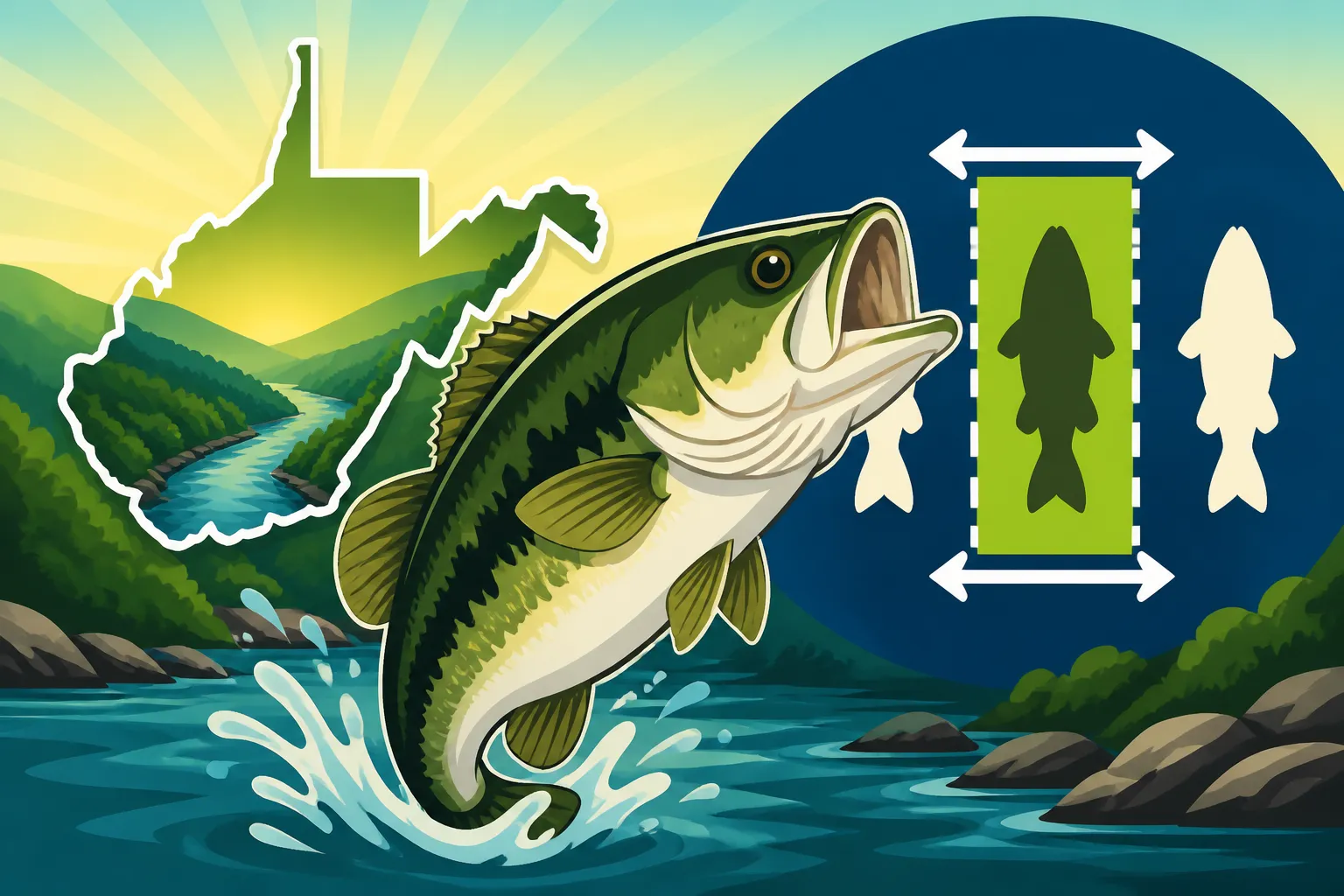
Now, let's get down to the specifics of the New River black bass slot limit. This is where it differs significantly from the statewide regulations, and it's absolutely crucial to understand before you hit the water. On the New River, and its tributaries up to the first dam or falls, for both smallmouth and spotted bass, the daily creel limit is 6 fish, but with a specific size restriction: only two of those six fish may be between 12 and 16 inches in length, and only one of those two can be over 16 inches.
Let's break that down with some practical examples:
- Fish you must release: If you catch a smallmouth between 12 and 16 inches, you generally cannot keep it. The slot protects these fish. You can keep two fish under 12 inches if you choose, and one fish over 16 inches.
- Legal combinations for your creel:
- You could keep six bass, all under 12 inches.
- You could keep five bass under 12 inches, and one bass over 16 inches.
- You could keep four bass under 12 inches, and two bass over 16 inches.
- What you cannot do is keep any fish within that 12 to 16-inch protected slot.
It's a bit more complex than a simple minimum size limit, but it's vital for protecting the New River's unique smallmouth fishery. Anglers need to be extra diligent with their measuring on this river.
Essential Measuring and Release Techniques for the New River
Given the intricate nature of the New River slot limit, precise measurement and careful handling for release are paramount. Every angler venturing onto this magnificent river should be equipped with the right tools and knowledge. First and foremost, you need a reliable measuring device. A bump board is ideal, as it allows for quick and accurate measurement by simply placing the fish's nose against the "bump" and reading the length at the tail. Many outdoor retailers and online platforms like Amazon offer excellent, durable bump boards that are easy to use even with a lively fish.
When you catch a fish on the New River, the process should be: catch, measure, decide. If the fish falls within the protected 12-16 inch slot, or if you've already filled your "over 16-inch" quota, that fish needs to be released immediately. Proper catch and release techniques are critical here. Minimize the fish's time out of water, use wet hands to handle it gently, and if using treble hooks, consider crushing the barbs to make hook removal easier. Keep a pair of long-nose pliers or a de-hooking tool handy for quick and safe hook extraction. Once you've measured and made your decision, gently lower the fish back into the water, allowing it to swim away on its own power. These practices ensure the health of the fish and the future of the fishery.
Beyond the New River: Other Special Black Bass Regulations
While the New River's slot limit is arguably the most well-known special regulation for black bass in West Virginia, it's not the only water body with unique rules. The state's diverse aquatic environments often necessitate tailored management strategies for specific lakes, rivers, or even sections of rivers. Being aware of these localized regulations is crucial for any angler who likes to explore different fishing spots.
Key Waters with Unique Black Bass Rules
West Virginia's fisheries biologists constantly monitor fish populations and adjust regulations to meet specific conservation and management goals. As a result, certain lakes and river sections may have different size limits, creel limits, or even special seasonal restrictions for black bass. For instance, while the general statewide minimum size is 12 inches, some impoundments might have a 15-inch minimum for largemouth bass to promote the growth of larger fish. Others might have more restrictive daily creel limits for certain species if their population is particularly sensitive or being restored.
It's not uncommon for impoundments managed for trophy bass to implement stricter rules than those simply managed for general recreational fishing. For example, lakes like Stonewall Jackson Lake are known for their excellent bass fishing and might have specific rules for different species of black bass. These rules are usually clearly outlined in the annual fishing regulations summary. Always remember that fishing in Special Regulation Waters in West Virginia requires extra diligence in checking the rules beforehand. The exact rules can and do change, sometimes annually, so relying on old information is a surefire way to run into trouble.
How to Stay Informed on All Special Regulations
Staying on top of all these rules might sound daunting, but it's actually quite straightforward thanks to the West Virginia Division of Natural Resources (WV DNR). The absolute best and most reliable source for all current fishing regulations is the official West Virginia Fishing Regulations Summary. This document is published annually and is your bible for legal fishing in the state.
You can typically find a digital version of the summary as a PDF on the WV DNR's website, which is incredibly convenient for quick look-ups on your phone or tablet while on the go. Many tackle shops, sporting goods stores, and county clerk's offices also offer free physical copies. Before you head out to a new body of water, or even one you haven't fished in a while, it's a good practice to quickly review the relevant sections. Pay close attention to the "Special Regulations" section, as this is where any deviations from the statewide rules for particular lakes or rivers will be clearly listed. A few minutes of reading can save you a lot of hassle and potential fines, which can be quite significant for Fishing Without a License in West Virginia: Penalties or violating catch limits.
Ensuring a Sustainable Black Bass Fishery: Angler Responsibility
Being a responsible angler goes beyond just following the rules; it's about actively contributing to the health and longevity of our fisheries. The black bass populations in West Virginia are a precious resource, and how we interact with them on the water directly impacts their future. Every angler has a role to play in conservation.
Mastering Catch and Release for Future Generations
Given the importance of size limits and slot limits, especially on waters like the New River, mastering catch and release techniques is an invaluable skill for any black bass angler. Even if you plan to keep a limit of fish, you'll undoubtedly encounter many fish that are too small, in a protected slot, or simply fish you choose to release. The goal is to maximize the fish's chances of survival after being caught.
Here are some best practices:
- Use Appropriate Gear: Match your tackle to the size of fish you're targeting. Using gear that's too light can prolong the fight, exhausting the fish unnecessarily.
- Land Fish Quickly: The longer a fish fights, the more stressed it becomes. Try to land fish efficiently.
- Handle with Care: Always wet your hands before touching a fish to protect its protective slime coat. Avoid squeezing its body, especially around the gills and belly. Support the fish horizontally.
- Minimize Air Exposure: Keep the fish in the water as much as possible. A quick photo is fine, but don't hold the fish out of water for extended periods. Even a few seconds can be detrimental.
- Remove Hooks Gently: Use needle-nose pliers or a de-hooking tool to quickly and carefully remove hooks. If a fish is deeply hooked, sometimes it's best to cut the line as close to the hook as possible rather than tearing tissue trying to remove it. Barbless hooks can make this process much easier.
- Revive if Necessary: If a fish seems lethargic after being released, gently hold it upright in the water, facing into the current, until it can swim away under its own power. Don't simply toss it back; ensure it's ready to go.
Practicing these techniques ensures that the fish you release can go on to spawn, grow larger, and potentially be caught again by another angler. This collective effort is key to maintaining robust fish populations.
Equipping Yourself for Legal and Ethical Bass Fishing
Having the right gear isn't just about catching more fish; it's also about fishing legally, safely, and ethically. For black bass fishing in West Virginia, a few key items will make your life much easier and ensure compliance with regulations.
Firstly, a measuring device is non-negotiable, especially for waters with size or slot limits. As mentioned, a bump board is excellent, but a reliable tape measure or even markings on your boat's gunwale can work in a pinch. Secondly, hook removal tools like long-nose pliers or a dedicated de-hooker are essential for quick and safe unhooking, minimizing stress on the fish. You can find a wide array of high-quality options on Amazon. Thirdly, a good landing net with rubberized, knotless mesh is highly recommended. These nets protect the fish's delicate fins and slime coat much better than traditional knotted nylon nets, which can strip away protective layers.
Beyond the tools for the fish, don't forget your own essentials. You'll always need to have your current West Virginia Fishing License Guide for 2026 with you. Whether it's a physical copy or you've opted for Printing or Carrying a Digital Fishing License in West Virginia on your phone, make sure it's accessible. Also, remember to consider the West Virginia Fishing License Age Requirements for everyone in your party. While not directly related to black bass limits, adhering to these fundamental requirements ensures you're legally prepared for your outing. Proper sun protection, hydration, and a basic first-aid kit are also important considerations for any day on the water. Being well-prepared allows you to focus on the fishing and the beautiful surroundings, rather than worrying about compliance or unexpected issues.
West Virginia Black Bass Regulations Overview
To help you keep track of the different rules for black bass, here's a quick reference table. Remember, always consult the official WV DNR regulations for the most current information.
| Regulation Type | Statewide General Black Bass Rule (Largemouth, Smallmouth, Spotted) | New River & Tributaries Black Bass Rule (Smallmouth, Spotted) |
|---|---|---|
| Daily Creel Limit | 6 fish combined species | 6 fish combined species |
| Possession Limit | 12 fish combined species | 12 fish combined species |
| Minimum Size Limit | 12 inches | None (subject to slot) |
| Slot Limit | None | No fish between 12-16 inches may be kept |
| "Over Slot" Keeper Rule | Not applicable | Only one fish over 16 inches may be kept (part of the 6 total) |
| "Under Slot" Keeper Rule | All fish 12 inches or greater are keepers | Up to 5 fish under 12 inches may be kept (part of the 6 total) |
| Season | Open Year-Round | Open Year-Round |
Disclaimer
The information provided in this guide is for general informational purposes only and is not a substitute for the official West Virginia Division of Natural Resources (WV DNR) fishing regulations. Regulations can change, and it is the angler's responsibility to review and comply with the most current official WV DNR fishing regulations prior to engaging in any fishing activities. Always check the official WV DNR website or printed regulations summary for the latest rules and any emergency closures or updates.