Best cooler size for a day on Summersville Lake
There's nothing quite like a day out on Summersville Lake, soaking in the West Virginia sunshine, the gentle rocking of the boat, and the anticipation of a bite. But let's be real, a perfect day can quickly go sideways if you're constantly digging through melted ice for a lukewarm drink or, worse, if your cooler takes up half the boat and is a nightmare to lug around. This guide is all about helping you nail down the best cooler size for your specific adventure on Summersville Lake, ensuring your provisions stay cold and your day stays hassle-free.
Why Cooler Size Matters More Than You Think on Summersville Lake
It might seem like a minor detail, but the size of your cooler can genuinely make or break your experience on the water. It’s not just about fitting everything in; it’s about efficiency, convenience, and ultimately, your enjoyment. You’ve got enough to think about with fishing rods, bait, and navigating the lake, so your cooler shouldn’t be another source of stress.
The Frustration of Running Out of Cold Supplies
Picture this: it's a scorching August afternoon on Summersville Lake, the sun is beating down, and you’ve just landed a beautiful smallmouth bass. You reach for a celebratory, ice-cold soda or a refreshing bottle of water, only to find that your small cooler, packed to the brim, has become a sloshing bath of tepid water and floating cans. That sinking feeling of disappointment is all too familiar.
This scenario is especially common during those long, glorious summer days that stretch from dawn till dusk. If you’re planning a full day of fishing for Summersville Lake Bass Fishing or just cruising around with family, a cooler that’s too small will simply not hold enough ice or provisions to keep everything adequately chilled. You might have started the day strong, but by mid-afternoon, you're either rationing your remaining cold drinks or wishing you'd packed an entirely different setup. It’s a classic case of underestimation, and it definitely zaps the joy out of a relaxing lake day.
The Burden of an Overly Large Cooler
On the flip side, some folks overcompensate, thinking bigger is always better. While it’s true that a larger cooler generally means more ice retention and space, a cooler that's significantly too big for your needs can become a major burden. Imagine trying to maneuver a massive, empty ice chest through tight boat aisles or struggling to lift it onto your vessel from the dock. It’s heavy, awkward, and eats up valuable deck space.
If you're heading out for a solo trip or with just one other person for a few hours, bringing a cooler designed for a party of ten is simply impractical. It might keep things colder for longer, sure, but at what cost to your mobility and comfort? It can make your boat feel cramped, impede your casting, and even pose a tripping hazard. Plus, a large cooler that's only partially filled with ice will actually melt faster because there’s more air space to warm up, defeating the very purpose of its size advantage. It’s a balance, and finding that sweet spot is key.
Factors to Consider When Sizing Your Summersville Lake Cooler
Choosing the right cooler for Summersville Lake isn't just a shot in the dark; it requires a bit of thought about your specific plans. It’s like picking the right fishing lure – you wouldn’t use a muskie plug for panfish, would you? The same goes for your cooler.
Trip Duration and Group Size
These are the absolute bedrock considerations for cooler sizing. A quick two-hour solo bass fishing trip calls for a vastly different cooler than a full-day family outing with four kids and a spouse. For a shorter trip (say, 2-4 hours) with just yourself or one other person, you’re mostly looking at drinks and perhaps a small sandwich. A compact cooler will do the trick, being easy to carry and tuck away.
However, if you're planning an all-day excursion, perhaps exploring different coves on Best Fishing Lakes in West Virginia or enjoying a leisurely pontoon ride, you'll need a cooler that can handle a full spread. Think about breakfast, lunch, snacks, and plenty of hydration. For a group of four to six people for 6-8 hours, a larger capacity is essential to keep everyone fed and watered without constant trips back to shore for refills or fresh ice. Always err on the side of slightly larger if your group size or duration could vary.
What You're Packing: Food, Drinks, and Fish
The contents of your cooler will heavily influence its ideal size. Are you just bringing a few bottles of water and some granola bars? Or are you planning a full-on picnic, complete with a spread of sandwiches, fruit, snacks, and a variety of beverages? Drinks, especially cans and bottles, take up a surprising amount of space. A good rule of thumb is to estimate about 10-12 pounds of ice per cooler every full day, not including what you’re trying to cool down.
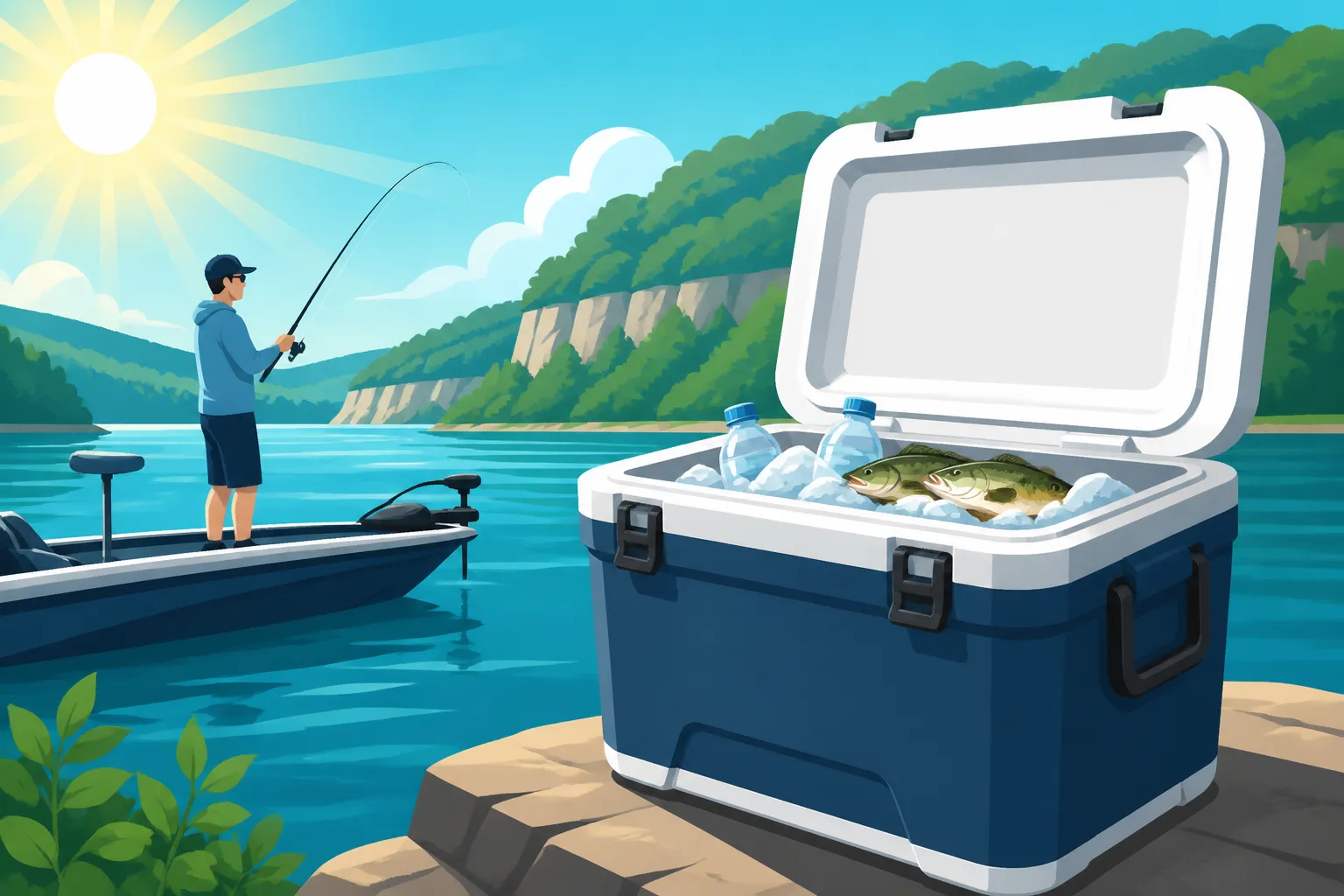
And what about the catch of the day? If you're hoping to keep some fresh fish, like walleye or catfish, you'll need separate space, ideally in a dedicated cooler or a sectioned-off part of your main cooler. Cross-contamination isn't just gross, it's a food safety concern. If you anticipate keeping a few fish, remember that they'll need their own ice bed, which means a larger overall cooler capacity than if you were only bringing food and drinks. Always check West Virginia Bag and Possession Limits by Species before you head out, so you know how much space you might actually need for your keepers.
Boat Size and Storage Space
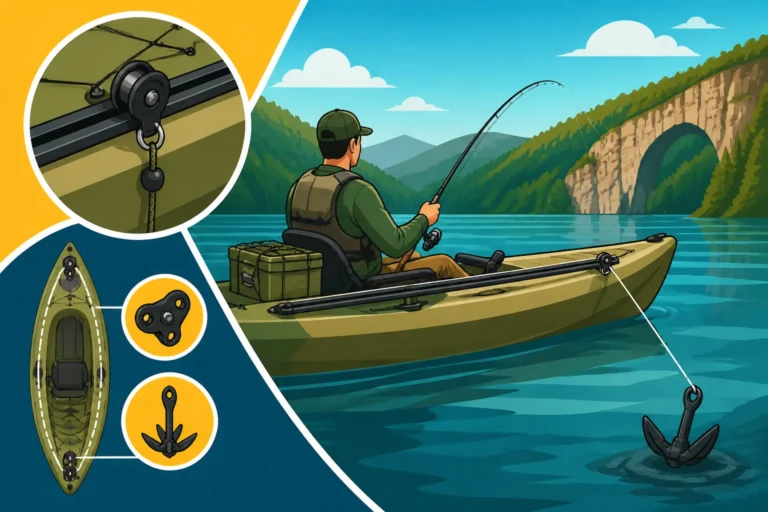
This is a practical reality check that many anglers overlook. You might want a massive cooler, but does your vessel actually have the space for it? If you're kayak fishing on Summersville Lake, a colossal cooler is simply not an option. You’re limited by the storage capacity of your kayak, and you'll need something compact that can be strapped down securely and won't hinder your paddling or casting. Check out options discussed in Best Kayak for Lake Fishing in West Virginia for ideas on space-saving gear.
On a larger fishing boat, pontoon, or even a modest jon boat, you'll have more flexibility. However, even with more space, consider the ergonomics. Does the cooler fit neatly under a seat? Does it block access to important gear? Can you open the lid fully without hitting something? These seemingly small details can become major irritants on a long day. Thinking about the layout of your boat and how the cooler will integrate into that space is just as important as how much it can hold. Plus, consider the weight when fully loaded – you want to ensure it’s manageable, especially if you're adhering to West Virginia Boating Laws for Anglers and keeping things safe and balanced.
Common Cooler Sizes and Their Ideal Uses for Summersville Lake
Let's break down the general categories of coolers you'll encounter and what they're best suited for on Summersville Lake. This isn't an exact science, as brands measure things a little differently, but it gives you a good baseline.
Small Coolers (15-30 Quarts)
These are your personal-sized companions, perfect for quick trips or single-person outings. Think of them as lunchbox-plus coolers. They're incredibly portable and easy to manage, making them ideal if you're bank fishing from one of the Best bank fishing spots at Summersville Lake or if you're taking a short kayaking excursion where space is at a premium.
- Capacity: Roughly 12-24 cans (without ice), or enough space for a few drinks and a small meal for one or two people for a few hours.
- Ideal Uses:
- Solo fishing trips (2-4 hours): Just enough for your hydration and a sandwich.
- Short family outings: Maybe some juice boxes and snacks for the kids.
- As a secondary cooler: To hold drinks separately from food, or just for quick access items.
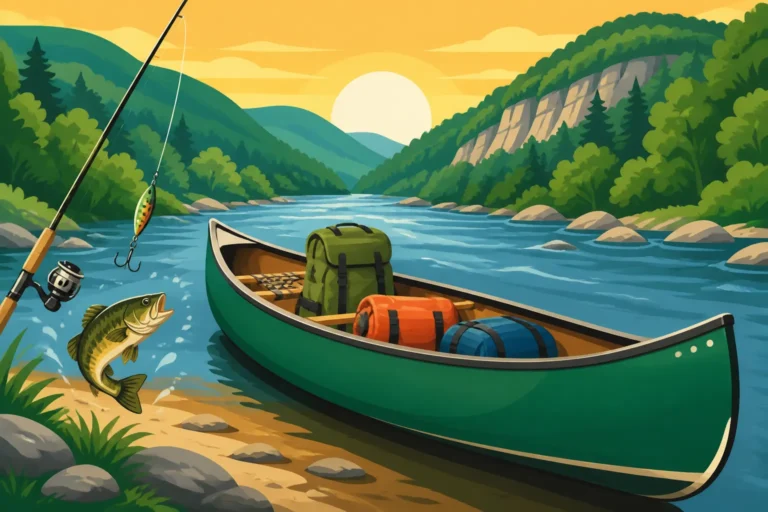
- Kayak or Canoe fishing: Where space is severely limited.
- Pros: Lightweight, highly portable, easy to store, typically more affordable.
- Cons: Limited capacity, ice melts faster due to smaller volume (less ice mass), not suitable for keeping fish or large quantities of food. You'll definitely be wishing for more if your West Virginia Fishing Seasons by Month finds you out on a hot July day for more than a few hours.
Medium Coolers (35-50 Quarts)
This is often the sweet spot for many recreational anglers and small families on Summersville Lake. These coolers offer a good balance of capacity and portability, making them incredibly versatile. They can usually hold enough provisions for a solid half-day to full-day trip for a small group.
- Capacity: Roughly 28-40 cans (without ice), or enough for a full meal, snacks, and drinks for 2-4 people for most of a day. You might even squeeze in a few smaller fish, properly iced.
- Ideal Uses:
- Full-day fishing trips (2-3 anglers): Keeps lunch, drinks, and snacks cold.
- Family outings (half-day to full-day): Plenty of room for everyone’s picnic and refreshments.
- Weekend camping trips (short duration): For essential food items.
- General boating: Versatile for any type of boat, from modest fishing boats to pontoon boats.
- Pros: Good balance of capacity and portability, better ice retention than small coolers, can often double as a seat, suitable for a wider range of activities. You'll find a wide selection of these at places like Bass Pro Shops.
- Cons: Can be heavy when fully loaded, takes up more space than smaller models, may not be enough for larger groups or very long trips if also storing fish.
Large Coolers (60+ Quarts)
When you're planning a serious expedition on Summersville Lake, a long day with a big crew, or need to keep a substantial catch on ice, a large cooler is your best friend. These are robust, spacious, and designed for maximum ice retention over extended periods. They might require a bit more muscle to move, but the convenience of having everything you need, perfectly chilled, is often worth it.
- Capacity: 48+ cans (without ice), or enough for significant food, drinks, and ample space for fish for 4+ people for a full day, or even a multi-day trip. Some can hold dozens of pounds of ice.
- Ideal Uses:
- Large group outings: Family reunions, friend groups, where everyone needs their provisions.
- Dedicated fish cooler: Perfect for keeping your Muskie Fishing in West Virginia catches fresh, or a limit of walleye.
- Overnight or multi-day trips: When you need serious ice retention and storage.
- Serious boaters: For bigger boats with ample storage space, such as those discussed in Best Boats for West Virginia Rivers and Lakes.
- Pros: Excellent ice retention, massive capacity, often very durable, can serve as extra seating or a casting platform on a boat. Many top-tier coolers you'll find on Amazon in this size range offer superior insulation.
- Cons: Very heavy when full, takes up significant space, less portable, higher initial cost. You definitely don’t want to be lugging one of these around solo unless it has wheels.
Here's a quick comparison table to help visualize:
| Cooler Size Category | Quart Range (Approx.) | Cans (No Ice, Approx.) | Ideal Group Size | Ideal Trip Duration | Key Advantages | Key Disadvantages |
|---|---|---|---|---|---|---|
| Small | 15-30 | 12-24 | 1-2 people | 2-4 hours | Lightweight, highly portable | Limited capacity, lower ice retention |
| Medium | 35-50 | 28-40 | 2-4 people | Half-day to Full-day | Versatile, good balance of size/ice | Heavy when full, moderate capacity |
| Large | 60+ | 48+ | 4+ people | Full-day to Multi-day | Max capacity, superior ice retention | Very heavy, bulky, higher cost |
Tips for Maximizing Your Cooler's Performance on Summersville Lake
Even with the perfect-sized cooler, there are still some tricks of the trade to ensure your ice lasts longer and your provisions stay colder. It’s not just about what cooler you have; it’s how you use it.
Pre-Chilling and Ice Management
This is perhaps the most crucial step that many anglers overlook. Don't just toss your warm drinks and a bag of ice into a hot cooler right before you leave. Your cooler acts like a giant sponge for heat if it's not pre-chilled. The best practice is to pre-chill your cooler by filling it with sacrificial ice or frozen water bottles the night before your trip. Let it sit for several hours, or even overnight, to bring the internal temperature down. Dump that ice out right before you pack your provisions.
When it comes to the ice itself, block ice lasts significantly longer than cubed ice because it has less surface area exposed to warm air. A combination often works best: lay a bed of block ice, then add your items, and fill the remaining voids with cubed ice to maximize contact and ensure everything stays frosty. Using frozen water bottles or reusable ice packs can also extend your ice life, and they have the added benefit of providing drinking water as they melt, or keeping your sensitive foods dry without creating a watery mess.
Smart Packing Strategies
How you pack your cooler has a huge impact on its efficiency. Think of it like a puzzle. Start with a layer of ice at the bottom. Then, place items you won't need until later, or that need to stay coldest (like raw fish, if you're keeping them, or sensitive ingredients for lunch). Items you'll access frequently, like drinks, should be packed on top. This minimizes how often you have to dig deep, which in turn reduces the amount of cold air escaping with each opening of the lid.
Consider using separate, sealed containers for food items to prevent them from getting soggy as the ice melts. Ziploc bags, Tupperware, or dry bags work wonders here. For drinks, some anglers like to freeze a few bottles of water or sports drinks, which act as extra ice packs and provide refreshing cold beverages as they slowly thaw. Remember to pack your cooler as full as possible – less air space means less warm air to circulate and melt your ice.
Choosing the Right Cooler Type and Features
While we're focusing on size, the type of cooler you choose also plays a role in its performance. High-end roto-molded coolers, often found at Bass Pro Shops or online at Amazon, offer superior insulation and durability compared to traditional blow-molded coolers. They might be a bigger upfront investment, but their ability to retain ice for days, even in the West Virginia heat, is unmatched.
Look for features like thick insulation in the lid and walls, a good sealing gasket, and sturdy latches that keep the cold air locked in. A drain plug is an absolute godsend for easily emptying melted ice water without having to tip the entire heavy cooler. Non-slip feet are also a nice touch, especially on a rocking boat. For those truly serious about their Best Cooler for a Fishing Boat, considering these additional features can make a huge difference in convenience and performance. Even if you're just starting out, there are many robust, yet budget-friendly options that offer a good balance of features and performance for a day on Summersville Lake.
No matter your choice, understanding these nuances will help you get the most out of your cooler and keep your provisions perfectly chilled throughout your Summersville Lake adventure.
Disclaimer
This article is for general informational purposes only and does not constitute professional advice. Laws, prices and regulations vary by location and change over time. Consult a qualified professional for guidance on your specific situation.