What water temperature trout need to survive
It’s a heartbreaking reality for any West Virginia angler who loves chasing trout: you head out to your favorite stream on a beautiful summer day, eager for a tug on the line, only to find the water is uncomfortably warm. You start to worry, and rightly so. We all want to protect these beautiful fish, and understanding their critical need for cold water is paramount, especially as our summers seem to get hotter. This guide will dive deep into the specific water temperatures trout need to not just survive, but truly thrive, and what that means for us as responsible anglers here in the Mountain State.
The Cold Hard Truth: Why Trout Demand Chilly Waters
Trout, whether we're talking about our cherished native brook trout, the feisty rainbows, or the elusive brown trout, are creatures of cold water. It's not just a preference; it's a fundamental biological requirement. Their entire physiology is adapted to cooler temperatures, and when those temperatures climb, everything from their metabolism to their ability to fight off disease goes haywire.
Understanding Trout Physiology and Cold Water Needs
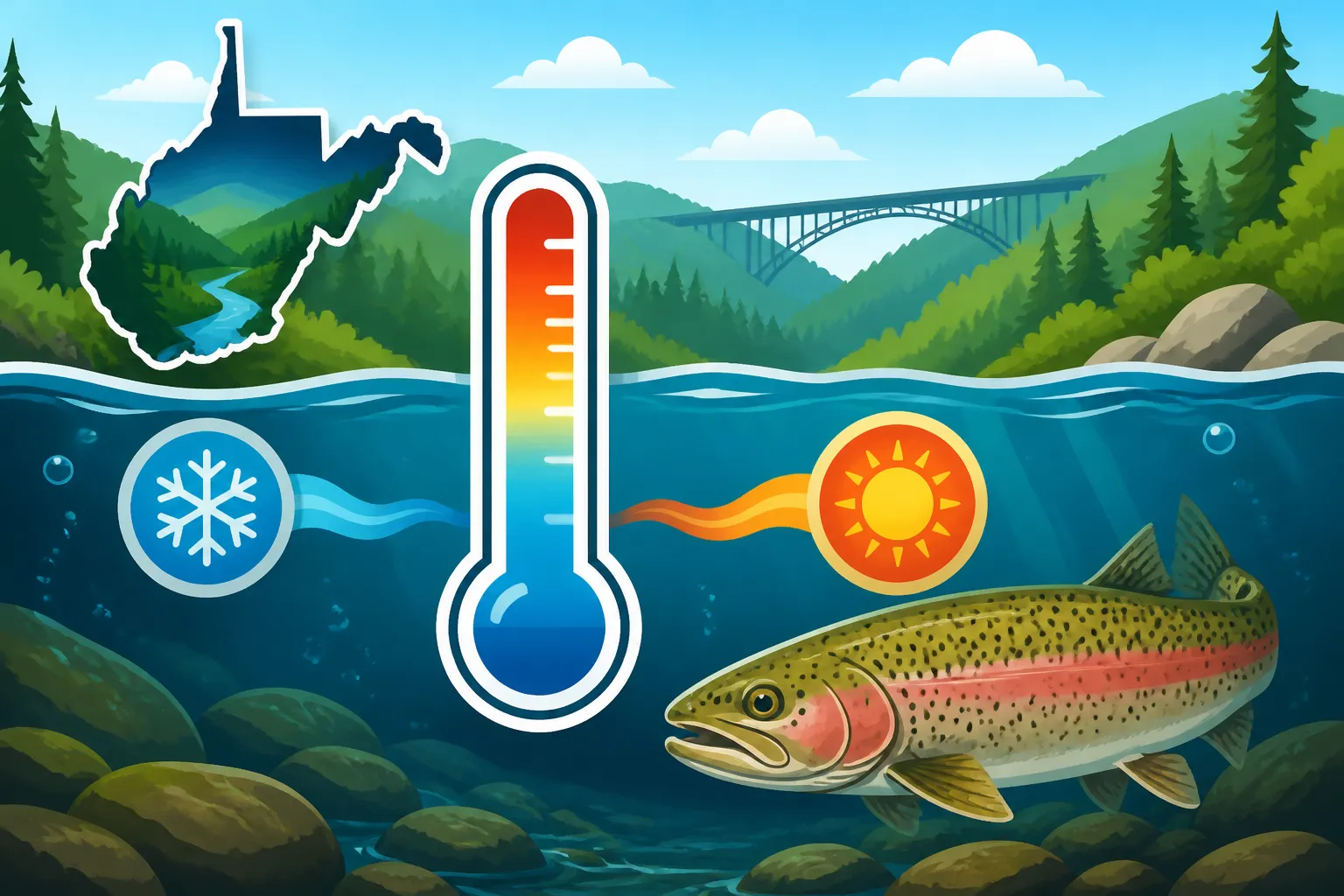
Think of trout like a high-performance engine that runs best in a specific temperature range. These fish are ectothermic, meaning their body temperature is regulated by the surrounding water. Unlike us warm-blooded folks, they can't simply sweat or shiver to adjust. Cold water holds more dissolved oxygen, which is absolutely vital for fish respiration. As water warms up, its capacity to hold oxygen drops dramatically. At the same time, a trout's metabolic rate actually increases in warmer water, meaning they need more oxygen just to function, even as less is available. It's a double whammy that can quickly become fatal.
Furthermore, cooler water keeps trout less stressed. It helps them digest food properly, maintain strong immune systems, and develop healthy eggs and milt for reproduction. When water temperatures are ideal, trout are more active, more aggressive, and generally in peak condition. This is why you'll often find the best Trout Fishing in West Virginia in early spring and late fall, or in high-elevation streams year-round.
Ideal Temperature Ranges for West Virginia's Trout Species
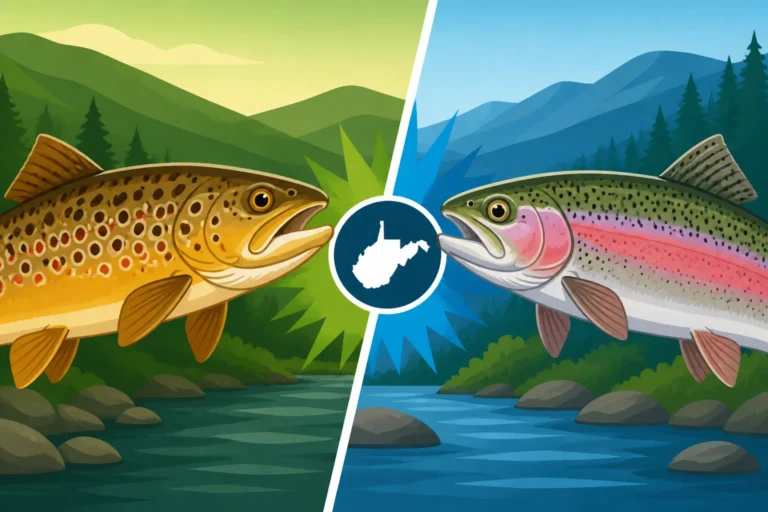
Different trout species have slightly different tolerances, but the general rule is: colder is better, within reason. Our native Brook Trout: West Virginia's Native and State Fish are the most sensitive to warm water, typically preferring the coldest, cleanest headwater streams. Rainbow trout and brown trout are a bit more tolerant, which is why they can survive in a wider range of our stocked waters, but they still have their limits.
Here’s a general breakdown of what these beautiful fish need to stay healthy:
| Trout Species | Optimal Temperature Range (Fahrenheit) | Stress/Avoidance Temperature (Fahrenheit) | Lethal Temperature (Fahrenheit) |
|---|---|---|---|
| Brook Trout | 45-60°F | 65-68°F | 70°F+ |
| Rainbow Trout | 50-65°F | 68-70°F | 72°F+ |
| Brown Trout | 50-65°F | 68-70°F | 72°F+ |
It's important to remember these are general guidelines. Factors like water quality, dissolved oxygen levels, and the trout's overall health can influence how they respond to specific temperatures. For instance, a struggling fish might succumb to temperatures that a healthy one could tolerate for a short period.
The Perils of Warm Water: Stress, Disease, and Mortality
When stream temperatures push beyond the optimal range and into the stress zone, trout face a cascade of problems. As anglers, recognizing these dangers helps us make responsible choices about when and where to fish.
Physiological Stress and Oxygen Depletion
Once water temperatures hit the mid-to-high 60s for an extended period, trout begin to experience significant physiological stress. Their hearts work harder, their breathing rate increases, and they become lethargic. This isn't just about comfort; it's about survival. The primary culprit is often reduced dissolved oxygen. Warmer water simply cannot hold as much oxygen, and as we discussed, the trout's need for oxygen actually increases. It's like trying to run a marathon while breathing through a straw in a hot room.
This stress makes them more susceptible to diseases and parasites that thrive in warmer conditions. Their immune systems are compromised, making even minor infections dangerous. You might see fish gasping at the surface, which is a clear sign they are struggling for oxygen. Even if they don't immediately die, prolonged exposure to high temperatures can lead to delayed mortality, where fish seem fine after release but succumb days later due to the internal damage. This is why many experienced anglers often stop fishing for trout entirely during the hottest summer months or restrict themselves to very early mornings.
The Impact of Catch and Release in Warm Water
This is a tough one to talk about, because we all love to fish. But the truth is, catch and release fishing, while generally a fantastic conservation tool, can be deadly for trout when water temperatures are elevated. Even a quick fight can push an already stressed fish over the edge. The physical exertion of the fight, combined with handling, further depletes their oxygen reserves, and the lactic acid buildup in their muscles can be lethal.
When the water hits that "stress" range (around 68-70°F for rainbows and browns, and even lower for brook trout), the survival rate of released fish drops dramatically. It's often recommended to avoid targeting trout altogether when temperatures climb this high. If you absolutely must fish, employ every tactic to minimize stress: use heavier tackle to land fish quickly, keep them in the water as much as possible, handle them gently with wet hands, and release them as soon as you can. Consider checking out West Virginia Catch and Release Rules for Trout for more specific guidelines. Many anglers carry a stream thermometer – you can find a reliable one on Amazon – and make the difficult but responsible decision to put their trout gear away for the day if the mercury is too high.
Seeking Sanctuary: Finding Cool Water Havens
Even when ambient air temperatures soar, not all waters warm up equally. West Virginia, with its mountainous terrain and dense forests, offers several natural advantages that create cool water refuges for trout. Knowing where to look can make all the difference for a successful and ethical fishing trip.
High-Elevation Streams and Headwaters
Our highest mountain streams and the headwaters of larger river systems are often the last bastions of cold water in the summer months. These streams benefit from several factors: they are typically fed by springs and groundwater, which emerge at a consistently cool temperature; they often flow through dense forest canopies that provide constant shade, preventing direct sunlight from heating the water; and their higher elevation means cooler ambient air temperatures to begin with.
These remote, often difficult-to-access streams are frequently home to our wild and native Brook Trout: West Virginia's Native and State Fish. While they might not hold the biggest fish, the experience of finding these pristine cold-water gems is incredibly rewarding. Before heading out, always check local forecasts and recent rainfall. A recent cold rain can temporarily drop water temperatures, while a prolonged dry, hot spell will warm even these high-elevation havens. Locations listed in guides like Best Trout Streams in West Virginia often highlight some of these cooler spots.
Spring Feeds, Deep Pools, and Tailwaters
Beyond the high mountains, other features can create localized cool spots in lower-elevation streams and rivers. Look for areas where cold springs enter the main flow; these can create significant thermal refugia where trout will congregate. Deep pools, especially those with bedrock bottoms or undercut banks, tend to stay cooler longer because they are less exposed to direct sunlight and have a larger volume of water to heat up.
Another fantastic option, especially for Brown Trout Habits in West Virginia Streams and Rainbow Trout Stocking in West Virginia, are tailwater fisheries. These are sections of river immediately downstream from large dams that release cold water from the bottom of reservoirs. The water released from the depths of the lake is consistently cold, providing a stable, trout-friendly environment even in the hottest weather. Famous tailwaters like the Elk River below Sutton Dam are prime examples of this phenomenon. It's always a good idea to research specific tailwater regulations, as they can sometimes differ from general state rules.
Your Role as a Responsible Angler: Conservation Through Awareness
As anglers, we are often the first line of defense for our aquatic ecosystems. Our actions on and off the water directly impact the health of our trout populations. Being informed and making conscious choices is a powerful form of conservation.
Monitoring Water Temperatures
One of the simplest yet most effective tools an angler can carry is a reliable stream thermometer. Before you even cast a line, take a few temperature readings from different parts of the stream – the shallows, the deeper pockets, and especially where trout are holding. If you see the temperature creeping into the upper 60s (Fahrenheit), it's time to seriously consider if fishing is the responsible choice for that day. You can find many affordable and accurate stream thermometers on Amazon, and it's an invaluable piece of kit for ethical trout fishing.
If the water is too warm, don't despair! It’s an excellent opportunity to explore other fishing opportunities, perhaps targeting warm-water species like bass or panfish that thrive in higher temperatures. Or use the time to scout new access points for when conditions improve, or work on your Fly Fishing for Trout in West Virginia knots! Your patience will be rewarded with healthier fish when conditions are right.
Best Practices for Warm Water Trout Fishing
If you do decide to fish when temperatures are borderline, or if you're in a tailwater where the fish are still active but it's warm elsewhere, adopt these strict best practices:
- Go Early, Finish Early: Fish during the coolest parts of the day, typically dawn and early morning. As the sun gets high and the air heats up, water temperatures will inevitably rise.
- Fish Faster, Stronger: Use tackle that allows you to land fish quickly, minimizing the fight time. A longer, drawn-out battle exhausts the fish, making recovery less likely. For example, consider a slightly heavier fly rod or a sturdier spinning setup as part of your Best Gear for West Virginia Trout Fishing.
- Keep Them Wet: Try your absolute best to keep the fish in the water as much as possible. Avoid dragging them onto banks or rocks. Use a rubber-meshed net, which is gentler on their slime coat and fins than traditional nylon nets. If you want to take a quick photo, get everything ready beforehand, lift the fish for literally a second or two, snap the shot, and get it back into the water immediately.
- Gentle Handling: Handle fish with wet hands only, and avoid squeezing them. Support their body, especially their belly and tail, and allow them to recover in calm, oxygenated water before releasing them. Sometimes, holding them gently facing upstream in a mild current helps push oxygen over their gills.
- Crimped Barbs: Always crimp your barbs. This makes hook removal quicker and less damaging, reducing stress on the fish.
By being mindful of water temperatures and adjusting our approach, we can ensure that West Virginia's trout populations remain vibrant for generations of anglers to come. Always remember to consult the West Virginia Fishing Regulations Explained before heading out, as rules can vary by water body.
Disclaimer
This article is for general informational purposes only and does not constitute professional advice. Laws, prices and regulations vary by location and change over time. Consult a qualified professional for guidance on your specific situation.