Are Golden Rainbow Trout Genetically Modified?
It's a common question that pops into the mind of many anglers, especially when they first lay eyes on that dazzling, almost surreal golden flash in West Virginia's streams: "Is this fish… natural?" The vibrant, almost unbelievable color of the Golden Rainbow Trout often leads people to wonder if these fish are the result of some high-tech genetic engineering. This guide aims to clear up that very common misconception and dive deep into the true origin and characteristics of these magnificent fish that add so much excitement to our waters.
Unveiling the Mystery: What Exactly is a Golden Rainbow Trout?
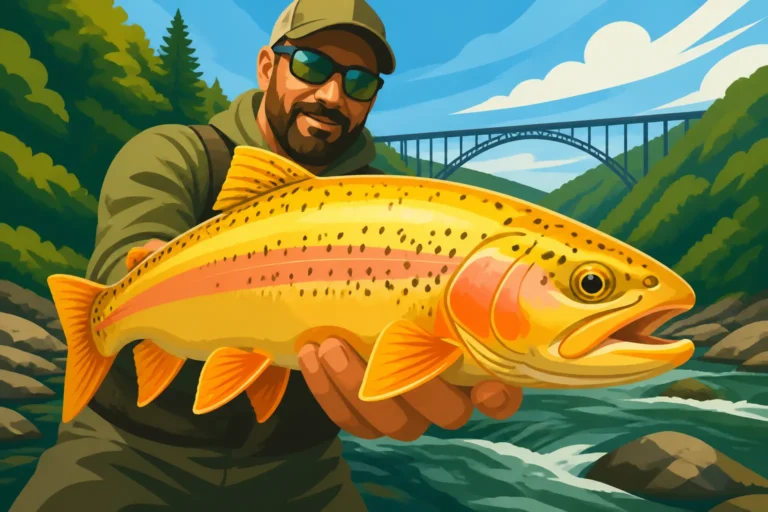
When you spot a Golden Rainbow Trout finning in a clear West Virginia stream, it's truly a sight to behold. Unlike their more subtly colored rainbow trout cousins, these fish boast a stunning, almost iridescent golden-yellow hue, often with a vibrant red stripe running down their side. It's no wonder they turn heads and spark curiosity among both seasoned anglers and newcomers alike. Their striking appearance makes them easily identifiable and a highly sought-after catch, adding a unique thrill to any fishing trip in the Mountain State.
The Dazzling Appearance of West Virginia's Golden Trout
Imagine standing knee-deep in a pristine mountain stream, the sun dappling through the leaves, and suddenly, a streak of pure gold zips past. That's the magic of the Golden Rainbow Trout. Their coloration isn't just a slight variation; it's a dramatic, eye-catching golden-yellow, often with that distinct lateral red band that classic rainbow trout are known for. Some individuals might even appear almost orange, particularly when they're fresh from the hatchery and full of vigor, glowing against the darker tones of the water and riverbed.
The sheer excitement of catching one of these golden beauties is palpable. Anglers often share stories and photos of their golden catches with a special kind of pride, not just because of the fight, but because of the fish's sheer visual appeal. It really adds an extra layer of enjoyment to the West Virginia fishing experience, transforming a regular trout outing into a hunt for a glittering, living treasure. These fish bring a splash of exotic beauty to our local waters, making every encounter with them feel a little more special and memorable, and their unique look inspires many a tale.
A Prized Addition to West Virginia's Stocking Program
The West Virginia Division of Natural Resources (WVDNR) recognized the immense popularity and appeal of these golden-hued fish early on. They've strategically incorporated the Golden Rainbow Trout into their extensive stocking programs, making them a cornerstone of the state's efforts to enhance recreational fishing. These fish are released into numerous lakes and streams across West Virginia, often alongside their standard rainbow trout counterparts, to provide an exciting and diverse angling opportunity for residents and visitors throughout the fishing seasons.
The most famous manifestation of this strategy is the highly anticipated "Gold Rush" event. Each year, the WVDNR orchestrates a massive stocking of Golden Rainbow Trout into specially designated waters across the state, creating a frenzy of excitement among anglers. It’s like a treasure hunt, but with fishing rods, drawing families and friends to various water bodies in search of that golden flash. You can find more details on these special events in our guide on Gold Rush Golden Rainbow Trout Event Rules. These stocking efforts are a testament to the WVDNR's commitment to providing unique and thrilling fishing experiences for everyone, ensuring that the allure of the golden trout remains strong in the Mountain State. You can also stay informed about general stocking times by checking out the West Virginia Trout Stocking Hotline and Schedule.
Are Golden Rainbow Trout Genetically Modified? The Scientific Truth
This is the big question, isn't it? That dazzling gold color just screams "unnatural" to many, conjuring images of scientists in labs altering DNA. But here's the straightforward answer, and it might surprise some: Golden Rainbow Trout are not genetically modified in the modern sense of the term, where genes are intentionally altered or spliced from different organisms using advanced biotechnological tools. Their unique color is the result of a completely natural process, albeit one that has been carefully managed by humans for specific outcomes.
Understanding Genetic Mutations in Nature
The golden coloration of these trout stems from a spontaneous genetic mutation, a natural occurrence that happens in many species, including humans and animals across the globe. Think of it like albinism or leucism in other animals; it's a deviation from the typical pigmentation due to a change in genetic code, rather than an intentional human design. In the case of the Golden Rainbow Trout, this mutation affects the production or deposition of melanin, the dark pigment responsible for the darker, more silvery tones in standard rainbow trout. Instead, certain yellow or orange pigments become more dominant or are expressed differently, resulting in that spectacular golden hue.
This isn't something concocted in a laboratory with gene-editing tools. It happened naturally, probably in a single fish at some point in time, maybe even several individual fish over history. When a fish with this unique mutation was first observed, most likely in a hatchery setting where large numbers of fish are reared, it immediately stood out from the others. Imagine a fish culturist noticing this incredibly bright, unusual trout among thousands of its peers. This discovery was the starting point, recognizing a natural anomaly that had significant aesthetic appeal and potential for recreational fisheries. It’s a fascinating example of how nature, even with slight variations, can produce something truly extraordinary without any direct human intervention at the genetic level.
The Role of Selective Breeding in Fish Hatcheries
Once this naturally occurring golden variant was identified, the journey of the Golden Rainbow Trout really began. Fishery scientists and hatchery managers didn't genetically engineer them; instead, they employed a time-honored practice known as selective breeding. This is a far cry from what people typically imagine when they hear "genetically modified." Selective breeding involves carefully choosing individuals with desirable traits – in this case, the vibrant golden coloration – and breeding them together to enhance and perpetuate those specific traits in subsequent generations. This process mirrors centuries of agricultural and animal husbandry practices.
Over many generations, by consistently breeding only the golden-hued trout with each other, hatcheries were able to establish a stable line of these uniquely colored fish. It's the same principle used for centuries by farmers to develop different breeds of cattle for specific purposes, or to cultivate various types of apples with desired flavors and textures, or by dog breeders to create specific dog breeds from ancestral wolves. No external genes are introduced; it’s simply a matter of careful observation and controlled reproduction to favor a naturally occurring genetic variation. The West Virginia DNR hatcheries, like many others, have perfected this process, allowing them to consistently produce thousands of these beautiful fish for stocking purposes, ensuring that the golden flash is available to anglers year after year. If you're curious about the different trout species you might encounter, our Trout Species Identification Guide for West Virginia can offer more insights into their unique characteristics.
Differentiating Genetic Modification from Selective Breeding
It's crucial to understand the distinction between "genetically modified organisms" (GMOs) and organisms developed through "selective breeding," as these terms are often confused by the public. While both involve human intervention to influence genetic outcomes, the methods and underlying principles are vastly different. Understanding this distinction clarifies why Golden Rainbow Trout fall squarely into the category of selectively bred animals, not GMOs.
| Feature | Genetically Modified Organism (GMO) | Organism via Selective Breeding |
|---|---|---|
| Method | Involves laboratory techniques to directly alter an organism's DNA, often by inserting genes from other species or by gene-editing specific sequences using molecular tools. | Involves traditional breeding methods where individuals with desired natural traits are chosen to reproduce, passing those traits to offspring over generations. |
| Gene Source | Can involve genes from entirely different species (e.g., bacteria gene into a plant) or precise edits within the same species' genome that wouldn't occur naturally. | Uses genes already present within the existing gene pool of the species, emphasizing naturally occurring variations. |
| Speed of Change | Can achieve changes rapidly, sometimes in a single generation, due to direct, targeted manipulation of DNA. | Requires many generations and takes a longer time to achieve significant and consistent changes in traits. |
| Occurrence | Does not occur naturally in the wild; requires advanced laboratory technology. | Occurs naturally through variations in reproduction; human intervention simply directs and accelerates the process. |
| Examples (General) | Herbicide-resistant crops, disease-resistant trees, some types of fast-growing salmon (engineered for rapid growth). | Dog breeds (e.g., Labrador Retrievers), specific apple varieties (e.g., Honeycrisp), faster racehorses, and Golden Rainbow Trout. |
The key takeaway is that Golden Rainbow Trout are a product of selective breeding, harnessing a natural mutation. They haven't had their DNA engineered in a lab with foreign genes or altered through advanced gene-editing technologies. This traditional method has been employed for millennia by humans to develop specific characteristics in plants and animals that are beneficial or aesthetically pleasing. If you're interested in diving deeper into aquaculture or genetics, resources can be found on platforms like Amazon, where many books and educational materials are available to explore the science behind these distinctions, from historical breeding practices to modern genetic engineering.
The Life and Characteristics of Golden Rainbow Trout
Beyond their stunning looks, Golden Rainbow Trout share many characteristics with their standard rainbow trout brethren. They are essentially the same species, Oncorhynchus mykiss, just with a unique color palette. This means their behavior, diet, and general preferences are largely consistent with what you'd expect from any rainbow trout in West Virginia's waters. However, their hatchery upbringing and distinct color do lead to some specific considerations for anglers to keep in mind.
How Golden Rainbows Behave in West Virginia Waters
In terms of behavior, Golden Rainbow Trout act very much like any other stocked rainbow trout. They are eager feeders, often responding well to a variety of baits and lures, especially after being freshly stocked and getting acclimated to their new environment. When you hook one, expect a lively fight! They can be acrobatic, jumping clear of the water with impressive energy, and they have strong runs, making for an exciting angling experience that tests your skill and tackle. Their initial eagerness can sometimes make them easier to catch than their more wary wild counterparts, particularly during the first few days post-stocking when they are still adjusting.
While they might stand out visually in the water, their instinctual behaviors for foraging, seeking cover, and reacting to perceived threats are largely the same as other rainbows. They'll cruise shorelines, hold in deeper pools where food might drift, and sometimes dart into currents for passing food items. Because they are so bright, some anglers wonder if they are more visible to predators or struggle to hide. In the controlled hatchery environment, this isn't an issue, and in the "put-and-take" fisheries where they are mostly released, their striking color often works in the angler's favor, making them a fun and visible target. They're bred to thrive in these conditions and provide immediate angling gratification.
Taste and Culinary Considerations
For those who enjoy keeping their catch for a delicious meal, Golden Rainbow Trout are just as delectable as regular rainbow trout. Since they are the same species and are raised in similar hatchery environments with controlled, high-quality diets, there is generally no noticeable difference in taste or texture. They possess the same delicate, flaky white to pinkish flesh that makes rainbow trout a popular and versatile choice for the dinner table across the globe.
Many anglers report that freshly caught Golden Rainbow Trout, when properly cleaned and cooked, make for an excellent meal, just as satisfying as any other trout. Whether you prefer them baked with herbs, pan-fried with a crispy skin, grilled over an open flame, or even smoked for a rich flavor, they offer a delightful culinary experience that stands up to any preparation method. The fact that they are so visually stunning on the hook often translates into a sense of pride and satisfaction when they are brought to the kitchen and ultimately enjoyed with family and friends.
Health and Survival in Stocked Environments
Golden Rainbow Trout are robust fish, specifically bred for hatchery life and thriving in the controlled conditions provided by the West Virginia DNR's aquaculture programs. They are fed a high-quality, balanced diet and grow quickly, reaching catchable sizes efficiently and consistently. Their health is carefully monitored by hatchery staff through all stages of their development to ensure they are strong, disease-free, and ready for release into public waters, providing a healthy and vigorous fish for anglers.
Once stocked, their survival often depends on various factors such as fishing pressure, predation, and local environmental conditions, much like any other stocked trout. However, due to their unique coloration and the "put-and-take" nature of many stocked fisheries, they are typically caught relatively quickly after release. They rarely establish self-sustaining populations in the wild, as their bright color may make them more conspicuous and vulnerable to natural predators in some natural settings, and the specific conditions needed for successful wild reproduction (like appropriate spawning gravel and consistent water temperatures) are often absent in the stocked waters. This means that if you want to catch these beautiful fish, you'll mostly be targeting waters that are regularly stocked by the WVDNR, rather than seeking out wild, naturally reproducing golden trout. Our guide on West Virginia Trout Season and Stocking Rules provides a great overview of when and where to expect these and other trout throughout the year.
Experiencing the Thrill of Golden Rainbow Trout Fishing in West Virginia
Fishing for Golden Rainbow Trout is a highlight for many anglers in West Virginia. Their distinct color makes them a memorable catch, and the anticipation of hooking one adds an extra layer of excitement to any fishing trip. Knowing when and where to look, and what gear to use, can greatly increase your chances of reeling in one of these shimmering treasures. It's an experience that truly embodies the spirit of West Virginia's vibrant fishing culture.
Prime Times and Locations for Catching Golden Trout
The absolute best time to catch Golden Rainbow Trout is typically during and immediately following the WVDNR's stocking events. These fish are generally eager to bite when first introduced to a new environment, especially within the first few days or weeks. West Virginia's stocking schedule usually ramps up significantly in the spring, offering abundant opportunities, with additional stockings often occurring in the fall and sometimes even through milder winter months, extending the season for dedicated anglers. Many popular lakes, larger impoundments, and easily accessible community ponds and streams across the state receive these golden fish, chosen for their public access and ability to support trout.
To maximize your chances, always keep an eye on the official WVDNR stocking schedule. This information is regularly updated and is the single best resource for knowing exactly where and when these fish will be released. You can find out more about specific events and locations by checking out resources like the West Virginia Trout Stocking Hotline and Schedule or delving into the Gold Rush Golden Rainbow Trout Event Rules for that special annual event that draws so many participants. Planning your trip around these confirmed stocking dates can make all the difference in having a successful golden trout hunt and truly experiencing the excitement they bring.
Recommended Gear and Techniques for Golden Rainbows
Fishing for Golden Rainbow Trout doesn't require highly specialized equipment; the same gear you'd use for standard rainbow trout will generally work wonders. A light to medium-light spinning rod and reel combo, spooled with 4 to 6-pound monofilament or fluorocarbon line, is an excellent all-around choice for handling the spirited fight of these fish. For bait, classic choices like PowerBait (especially in bright, attractive colors), kernels of corn, small salmon eggs, or garden worms are often irresistible to freshly stocked trout. Small inline spinners (like Rooster Tails or Mepps) and tiny spoons (like Kastmasters or Phoebe) can also be incredibly effective, especially when cast and retrieved near structure or in deeper pools where trout tend to congregate.
Fly anglers will find success with a range of patterns, including various nymphs, wet flies, and even small streamers, particularly if fishing in streams where the fish have had a chance to acclimate and begin feeding on natural aquatic insects. A 3- to 5-weight fly rod is typical for trout fishing in West Virginia, offering a good balance of finesse and fighting power. Whatever your preferred method, having a selection of tackle available, perhaps purchased conveniently from a retailer like Amazon, will prepare you for varying conditions and fish preferences. For more specific advice on what to bring and how to present it, consult our comprehensive guide on Best Gear for West Virginia Trout Fishing and Spring Trout Fishing Techniques for West Virginia Streams.
Ethical Angling for these Unique Fish
While the excitement of catching a Golden Rainbow Trout is undeniable, it's vital to practice responsible and ethical angling, just as you would with any other fish. If you plan to release your catch, which is encouraged for fish not intended for consumption, handle the fish as gently and as little as possible. Always wet your hands thoroughly before touching the fish to protect its delicate slime coat, which is crucial for its health and disease resistance. Try to keep it in the water as much as you can while you quickly remove the hook.
Using barbless hooks, or simply crimping down the barbs on your regular hooks, can make the release process much easier and less stressful for the fish, minimizing injury. Even though these are hatchery-raised fish, treating them with respect and ensuring their best chance of survival post-release is a cornerstone of good sportsmanship and conservation. Following all catch limits and regulations, which can be found in resources like the West Virginia Fishing License Guide for 2026, helps ensure the sustainability and quality of our fisheries for everyone to enjoy for years to come. Remember, the goal is to enjoy the resource responsibly, ensuring that the thrill of catching a golden trout can be experienced by many future generations of anglers. For more insights on responsible fishing practices, check out West Virginia Catch and Release Rules for Trout.
Conservation and the Future of Golden Rainbow Trout in West Virginia
The presence of Golden Rainbow Trout in West Virginia's waters is a testament to thoughtful fishery management and a commitment to providing diverse angling opportunities. While they are a popular draw and contribute greatly to recreational fishing, it's important to understand their role within the broader ecological context and how our fishing practices contribute to the health and sustainability of the entire fishery.
Their Place in the Ecosystem
Golden Rainbow Trout, being hatchery-reared and selectively bred, are primarily a "put-and-take" fishery species in West Virginia. This means they are stocked for the express purpose of being caught, and they typically do not establish self-sustaining wild populations in West Virginia's natural streams. Their unique coloration, while beautiful to anglers, might actually make them more conspicuous and therefore vulnerable to natural predators if they were to try and survive long-term in truly wild, untamed environments.
Therefore, their direct ecological impact on native fish populations, such as the beloved Brook Trout: West Virginia's Native and State Fish, is generally minimal. They are strategically introduced into waters where environmental conditions or existing fish populations are not typically threatened by their presence, or in environments specifically managed for stocked trout. The WVDNR carefully manages these stocking programs to ensure that the ecological balance is maintained while still providing exciting and accessible fishing opportunities for the public. The ultimate goal is to enhance the angling experience without compromising the health and integrity of our indigenous aquatic life and ecosystems.
Supporting West Virginia's Fishery Programs
The ability of the West Virginia DNR to stock hundreds of thousands of trout, including the ever-popular Golden Rainbows, each year is directly supported by the dedicated angling community. The purchase of fishing licenses, specialized trout stamps, and other required permits provides the necessary and crucial funding for hatchery operations, ongoing stocking efforts, vital habitat improvements, and the enforcement of fishing regulations. This vital revenue ensures that West Virginia can continue to offer high-quality, diverse, and thrilling fishing experiences for all who wish to participate.
Every time you purchase your Trout Stamps and Trout Fishing Rules in West Virginia or your annual fishing license, you're directly investing in the future of fishing in the Mountain State. These funds enable the hatcheries to continue their successful selective breeding programs for golden rainbows, maintain the overall health and well-being of all stocked trout, and perform crucial conservation work for wild fisheries, including habitat restoration and protection of native species. It's a cooperative effort between passionate anglers and the WVDNR that keeps our waters vibrant and full of fish, ensuring that the golden flash of a rainbow trout will continue to bring joy and excitement to countless fishing enthusiasts for years to come.
Disclaimer
This article is for general informational purposes only and does not constitute professional advice. Laws, prices and regulations vary by location and change over time. Consult a qualified professional for guidance on your specific situation.