West Virginia state record channel catfish weight
There’s a special kind of thrill that comes from wondering about the biggest fish lurking in West Virginia’s waters. For many anglers, the thought of landing a truly colossal fish – one that makes it into the record books – is a powerful motivator. If you're like me, you've probably spent hours daydreaming about what it would take to catch a state record channel catfish, and this guide is here to shed light on just that, offering a detailed look at the current record and how you might chase your own giants.
Chasing Giants: The Allure of West Virginia's Record Fish
Every angler, deep down, has a bit of a dream of catching "the one." The fish that's bigger than any they've seen, bigger than any their buddies have caught, and maybe, just maybe, bigger than any recorded in the state. West Virginia's waters are teeming with incredible fish, from feisty smallmouth bass in our mountain rivers to the elusive muskie in our lakes, and of course, the robust catfish that call our deeper holes home.
The state record books aren't just lists of impressive catches; they're a testament to the health of our fisheries and the dedication of anglers who spend countless hours on the water. They tell stories of perseverance, a little bit of luck, and often, incredible skill. When you look at a record, it’s not just a number; it’s a challenge, an inspiration, and a reminder of the potential that lies beneath the surface of our beautiful streams and lakes. Whether you're a seasoned pro or just starting out, knowing about these records provides a benchmark, a goal, and a connection to the rich angling history of the Mountain State. It's truly exciting to think that with the right technique and a bit of patience, you could be the next person to write your name in those esteemed pages.
Unveiling the West Virginia State Record Channel Catfish
For those of us who appreciate the fight and the sheer size of a good catfish, the channel catfish holds a special place. They’re prolific, widespread, and grow to impressive sizes, offering a fantastic challenge for anglers across the state. The question that often comes up is, "Just how big do they get?" And more importantly, "What's the biggest one ever caught here?"
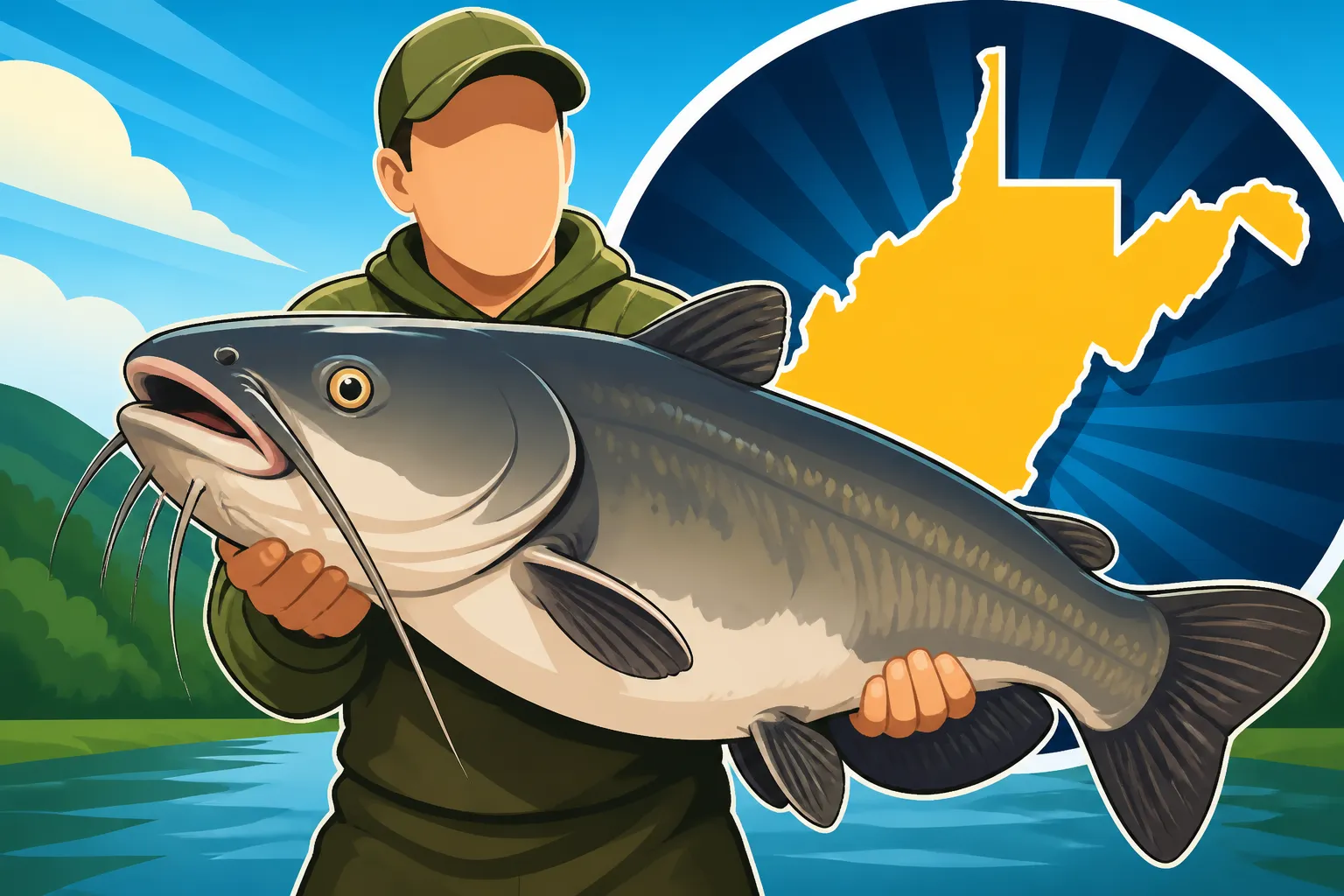
The West Virginia state record for a channel catfish is a truly remarkable specimen, weighing in at 23.75 pounds. This magnificent fish wasn't just heavy; it measured an impressive 37.50 inches in length and boasted a girth of 24.50 inches. This incredible catch was landed by angler Frank W. Miller on the New River, a river renowned for its trophy-sized fish, back in 1993. It's a record that has stood for decades, inspiring countless anglers to try their luck in those very same waters. Think about that for a moment: almost 24 pounds of pure muscle, caught in the currents of one of our most iconic rivers. It truly sets the bar high and shows the incredible potential for giant catfish in West Virginia.
While we're talking about records, it's interesting to see how the channel catfish stacks up against its cousins. West Virginia is home to several species of catfish, and each has its own unique record.
| Catfish Species | West Virginia State Record Weight (Approx.) | Where to Find Them Generally |
|---|---|---|
| Channel Catfish | 23.75 lbs | Widespread in rivers, large creeks, and lakes throughout the state. |
| Flathead Catfish | 70 lbs+ | Larger rivers like the Ohio, Kanawha, and New. They prefer deeper, slower pools with lots of cover. |
| Blue Catfish | 60 lbs+ | Primarily in larger river systems like the Ohio River. |
| Bullhead Catfish | 4 lbs+ | Smaller ponds, slow-moving streams, and muddy bottom lakes. (Black, Brown, and Yellow Bullhead all have separate records, typically smaller than channels). |
(Note: Specific record weights for other species change, but this table gives a general idea of size potential. Always check the official state records for current figures.)
It's clear that while the channel catfish record is impressive, the state's flathead and blue catfish can grow to even more colossal sizes. Nevertheless, the 23.75-pound channel catfish remains a testament to the species' trophy potential and the excellent fisheries found in our state. You can find more details on these and other impressive catches in West Virginia State Fish Records by Species.
The Mighty Channel Catfish: A West Virginia Favorite
The channel catfish (Ictalurus punctatus) isn't just a record holder; it's one of West Virginia's most popular sport fish, and for good reason. They are plentiful, found across nearly all our major river systems, larger creeks, and many lakes. From the mighty Ohio River to the tranquil state park lakes, you’re likely to find channel cats.
They're easily identifiable by their slender bodies, deeply forked tail, and often spotted flanks (though these spots can fade in larger, older fish). Their barbels, or "whiskers," are packed with taste buds, allowing them to locate food even in murky water or complete darkness – a major advantage when you're a bottom-dwelling scavenger. This incredible sense of taste and smell is a key factor in their success as a species, and it's also why certain baits work so well for them.
Channel cats are incredibly adaptable. They can thrive in a wide range of conditions, from the fast currents of a river to the more stagnant waters of a reservoir. However, they generally prefer areas with some current and structure, like log jams, rock piles, deep holes, and undercut banks. In lakes, you'll often find them near submerged timber, creek channels, or drop-offs. Their diet is equally diverse, making them opportunistic feeders. They'll eat just about anything, including insects, crayfish, smaller fish, aquatic vegetation, and even carrion. This "anything goes" menu is a huge plus for anglers, as it means you have a wide array of bait options. If you're interested in their specific behaviors, our guide on Channel Catfish Habits in West Virginia Rivers has even more great insights.
What makes them such a favorite is not just their widespread availability and willingness to bite, but their fighting spirit. A large channel catfish will put up a tremendous battle, often making powerful runs and refusing to give up, especially in river currents. Landing one of these brutes can be an exhilarating experience, often leaving your arms sore and your heart pounding.
Strategies for Catching Your Own Trophy Channel Catfish
So, you've got that state record weight in your head, and you're ready to put in the time and effort to catch your own trophy channel catfish. Here's how you can approach it, focusing on locations, techniques, and the right gear to give you the best shot.
Finding Prime Catfish Real Estate
First, you need to be where the big fish are. While channel cats are widespread, truly large ones gravitate towards certain areas:
- Deep River Holes: On rivers like the New River, where the current record was caught, or the Kanawha River, look for the deepest pools, especially those downstream of rapids or major bends. These spots often collect food and offer sanctuary for larger fish. Check out Kanawha River Fishing Spots for ideas.
- Confluences and Eddies: Where two rivers meet, or where strong current creates a swirling eddy, baitfish and other food sources get concentrated. These are prime feeding grounds for big cats.
- Submerged Structure in Lakes: In lakes like Summersville or Bluestone, focus on old creek channels, sunken timber, rock piles, or abrupt drop-offs. Catfish use these structures for cover and as ambush points.
- The Ohio River: The vastness of the Ohio River system makes it a hotspot for all types of catfish, including monster channels. Look for deep scour holes near dams, major river bends, and barge tie-ups. Our Ohio River Fishing Guide for West Virginia Anglers has tons of info on that.
- Tailwaters Below Dams: The turbulent, oxygen-rich waters below dams often hold large fish, as the current disorients baitfish and creates prime feeding opportunities.
Techniques and Baits for Big Cats
Catching a truly large channel catfish often requires different tactics than simply catching dinner-plate sized ones. You need to present big, smelly baits in the right places and be ready for a powerful fight.
- Bottom Fishing: This is the most common and effective method. Use a stout rod and reel, a heavy sinker to hold your bait on the bottom against current, and a sturdy hook. A Carolina rig or a three-way swivel rig are popular choices.
- Bait Selection: Forget the small worms. For trophy channel cats, you need strong-smelling, substantial baits.
- Cut Bait: Shad, bluegill, or other oily baitfish cut into chunks are incredibly effective. The scent trail they release is a major attractant.
- Prepared Stink Baits: Commercial stink baits designed specifically for catfish can be deadly. Look for punch baits or dip baits that can be applied to a worm or sponge.
- Live Bait: While cut bait is often preferred for channel cats, a live bluegill or small suckers can also entice a monster, especially if you're targeting flatheads simultaneously.
- Chicken Livers or Gizzards: Classic catfish bait, these are still incredibly effective due to their strong scent and texture.
- Night Fishing: Channel catfish are primarily nocturnal feeders, especially the bigger ones. Fishing after dusk and through the night dramatically increases your chances of connecting with a trophy. Make sure you're prepared with headlamps, proper safety gear, and plenty of bug spray! You can learn more about this in Night Fishing Techniques for West Virginia Lakes.
Gearing Up for the Battle
When you're targeting a potential state record, your gear absolutely needs to be up to the task. Don't skimp here; a flimsy rod or weak line could mean the difference between landing a legend and telling a heartbreaking "one that got away" story.
- Rods: Look for heavy-action or medium-heavy casting rods, typically 7 to 9 feet long. These rods need enough backbone to handle heavy sinkers and fight powerful fish in current. Brands like Ugly Stik or Berkley offer durable, affordable options often found on Amazon that are perfect for this kind of fishing.
- Reels: A robust baitcasting reel is often preferred for its power and line capacity. Look for models with a strong drag system and a large spool. Alternatively, a heavy-duty spinning reel in the 6000-8000 size range can also work, especially if you prefer that style. Make sure it's spooled with plenty of strong line.
- Line: Braided line in the 30-60 lb test range is a popular choice for its strength and sensitivity. You might pair this with a heavy monofilament or fluorocarbon leader to absorb shock and provide some abrasion resistance against rocks and logs.
- Hooks: Stick with strong, sharp circle hooks. Sizes range from 5/0 to 10/0, depending on your bait. Circle hooks are excellent for catfish as they tend to hook in the corner of the fish's mouth, making for easier, safer release if you're not keeping the fish. You can find quality assortments of these hooks when browsing fishing tackle on Amazon.
- Sinkers: You'll need substantial weight to keep your bait on the bottom in current. Bank sinkers or no-roll sinkers from 2 to 6 ounces (or even heavier in strong current) are essential.
- Other Essentials: A sturdy rod holder to keep your rod secure while waiting, a bright headlamp for night fishing, a heavy-duty landing net or a pair of stout gloves for handling big, slimy cats, and maybe even a large cooler if you plan on keeping your catch.
Remember, patience is paramount in catfish fishing. Sometimes you'll wait for hours for that one powerful bite, but when it comes, it's often from a truly impressive fish.
From the Water to the Record Book: Documenting Your Potential Record Catch
Imagine the moment: your rod doubles over, your drag screams, and after an epic battle, you land a channel catfish that looks absolutely massive. You immediately wonder, "Could this be a record?" To even have a chance at making it into the West Virginia record books, there are some very specific steps you need to follow. The process is designed to ensure accuracy and prevent any doubt about the legitimacy of a catch.
The Immediate Aftermath: Preserve and Measure
The clock starts ticking the moment you land that fish.
- Keep it Alive (if possible): If you believe your fish is a record, and you intend to release it after documentation, try to keep it alive in a livewell or a large cooler with aerated water. This isn't always feasible with truly massive fish, but it's the ideal.
- Locate a Certified Scale: This is absolutely critical. Your fish must be weighed on a state-certified scale. This means a scale that is regularly inspected and calibrated, typically found at grocery stores, post offices, bait shops that have been approved, or even some meat processors. Weighing it on your personal digital scale, no matter how accurate you think it is, will not count.
- Take Measurements: While the weight is paramount, length and girth measurements are also important for the record books. Lay the fish flat and measure from the tip of the nose to the tip of the tail (with the tail compressed). For girth, measure the thickest part of the fish's body.
- Capture High-Quality Photos: Take several clear photos of the fish. These should include:
- The fish on the certified scale, clearly showing the weight.
- The fish with a recognizable ruler or measuring tape to show its length.
- Clear shots of the entire fish, from multiple angles, to aid in species identification.
- A photo of you with your catch, if you like, but the scientific documentation is key.
Contacting the Experts
Once you have your fish weighed and measured, and photos taken, it's time to contact the West Virginia Division of Natural Resources (WVDNR).
- Reach Out Immediately: Don't delay. Contact your local WVDNR district office or the main Wildlife Resources Section office as soon as possible after the catch. You'll need to speak with a fisheries biologist or an authorized WVDNR representative.
- Species Verification: A WVDNR biologist will need to physically inspect and identify the fish to confirm its species. This step is crucial, as misidentification can disqualify a record. This is why clear photos are also important if the biologist can't get to the fish immediately. They might ask for fin counts, barbels, or other distinguishing characteristics.
- Complete Necessary Paperwork: You'll need to fill out official forms detailing the catch, including the date, time, location, method of catch, and witnesses. You'll also need to provide your West Virginia fishing license number. Speaking of licenses, ensure yours is up to date – you can find information on how to get one in How to Buy a Fishing License on WVhunt.com.
- Honesty and Integrity: The process relies on the honesty and integrity of the angler. Any attempts to mislead or tamper with the fish will result in disqualification and potential penalties.
The Awaiting Game
After all the documentation, it becomes a waiting game. The WVDNR will review all the information, verify the species, and confirm the weight. If all checks out, your name and your incredible catch will be officially entered into the West Virginia state record books, cementing your place in the state's angling history. It's a rigorous process, but it ensures that the records truly reflect the biggest and best catches from West Virginia's waters.
Disclaimer
This article is for general informational purposes only and does not constitute professional advice. Laws, prices and regulations vary by location and change over time. Consult a qualified professional for guidance on your specific situation.