Northern Pike Waters in West Virginia
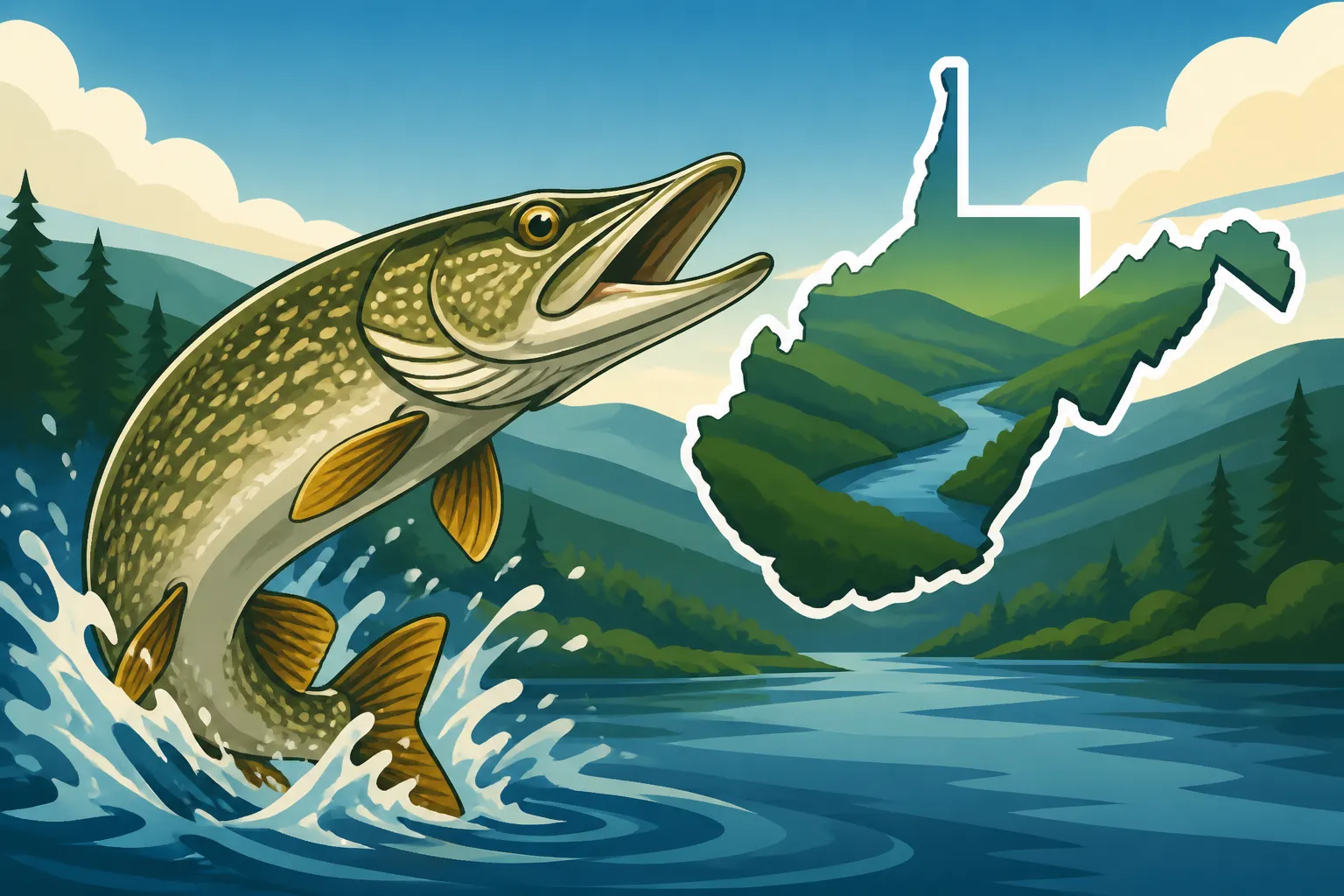
For anglers across West Virginia, there's often a whispered legend, a fleeting rumor, or a hopeful wish about hooking into a Northern Pike. It's a fish that evokes images of wild, untamed waters and aggressive strikes, but the reality of finding them here in the Mountain State can be a bit of a mystery, leading to a lot of head-scratching and speculative conversations around the tackle shop. This comprehensive guide aims to clear up some of that confusion, diving deep into whether Northern Pike truly inhabit West Virginia waters, where you might possibly encounter one, how to identify them, and what gear you'd need for such an elusive pursuit.
The Pike Puzzle: Are Northern Pike Really in West Virginia?
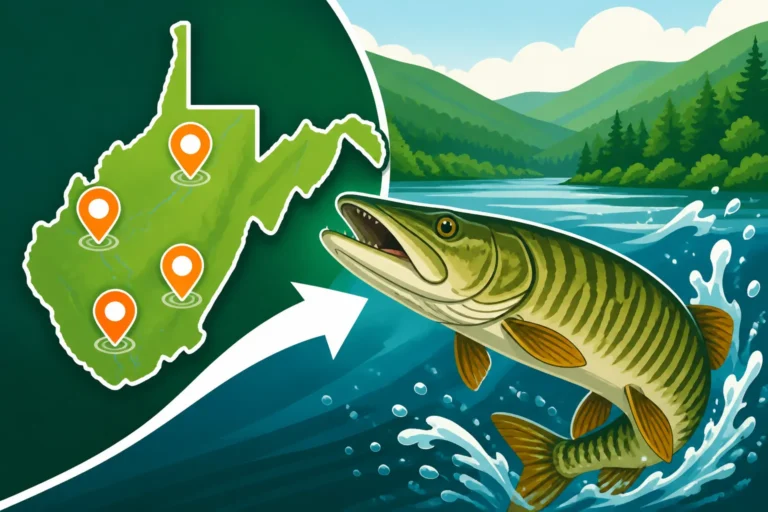
Let's cut right to the chase because this is the question on everyone's mind. The short answer is: yes, Northern Pike can be found in West Virginia. However, it’s not as straightforward as trout fishing in a stocked stream or bass fishing in one of our many fantastic reservoirs. Their presence is far more localized, often incidental, and certainly not widespread. It’s a bit like trying to find a needle in a haystack, but for the dedicated angler, that challenge is exactly what makes the pursuit so thrilling. Many folks confuse pike with other similar-looking species, which only adds to the mystique and the challenge of confirming a true Northern Pike sighting.
The Elusive Nature of West Virginia Pike
Unlike our abundant smallmouth bass or the regularly stocked trout, Northern Pike aren't a target species for active management or widespread stocking by West Virginia's wildlife agencies. This means you won't find specific "pike waters" listed in the annual regulations with daily limits and size restrictions like you would for West Virginia Walleye Daily and Possession Limits or West Virginia Black Bass Limits and the New River Slot Limit. Their elusive nature stems from a combination of factors, primarily that West Virginia is generally at the very southern edge of their natural range. They prefer colder, shallower waters with abundant vegetation, which aren't as prevalent or interconnected throughout much of our state's diverse aquatic ecosystems. When they do show up, it's often a surprise, a "lucky" catch, rather than a planned expedition. This rarity makes every reported catch a significant event for local anglers.
Historical Stockings and Natural Range Limits
Historically, there have been limited experimental stockings of Northern Pike in certain West Virginia waters, typically in impoundments, years ago to see if they could establish a viable population. However, these efforts largely proved unsuccessful in creating self-sustaining fisheries. The environmental conditions, such as water temperature, habitat availability, and the competitive landscape with other established predators like muskie, often weren't ideal for Northern Pike to truly thrive and reproduce consistently.
So, while a few populations might persist from these past efforts in very specific, isolated pockets, the majority of Northern Pike encountered today are often transient individuals that have migrated into our waters from neighboring states, particularly via shared river systems. Think of our larger rivers that connect to states where pike are more common. These fish are essentially adventurers, pushing the boundaries of their natural habitats. It’s important to understand these dynamics because it influences where you might even begin to look for them. They aren't going to be in every stream or pond you pass; their presence is a rare gift of the river system.
Where to Potentially Find Northern Pike in West Virginia
Given their limited and often migratory presence, pinpointing exact "Northern Pike waters" in West Virginia is a challenge. However, based on their known distribution and habitat preferences, we can identify areas where an encounter, while still rare, is more plausible. These are generally larger river systems or impoundments that connect to states where pike are more established, or waters with specific environmental conditions that might allow them to linger. It's truly a game of patience and a bit of luck, often a "right place, right time" scenario.
Ohio River Backwaters and Tributaries
If you're going to dedicate time to the pursuit of West Virginia pike, the Ohio River system is your best bet, hands down. The Ohio River forms a significant portion of our western border and connects us to states like Ohio and Pennsylvania, which have more robust Northern Pike populations. Pike are known to move into the slower-moving backwaters, oxbows, and larger tributaries of the Ohio River, especially areas with abundant submerged vegetation, fallen timber, or weed beds. These habitats offer them ambush points and cover from current.
Anglers focusing on Ohio River Fishing Rules for West Virginia Anglers for other species like sauger or catfish might occasionally stumble upon a pike. Look for sloughs, feeder creeks, and embayments off the main river channel. These areas warm up faster in spring, providing potential spawning grounds, and offer cooler, oxygenated water with cover during summer. Remember that fishing regulations along the Ohio River can be unique, sometimes involving reciprocal agreements with neighboring states, so always double-check the rules for the specific section you're fishing. It's in these quiet, often overlooked corners of the mighty Ohio where a true river wolf might be lurking.
Larger Lakes and Reservoirs with Specific Habitats
Beyond the Ohio River, the chances of finding Northern Pike diminish significantly. However, some of our larger impoundments, particularly those with a history of past stockings or indirect connections to other pike-friendly systems, might hold a lingering population. We’re talking about reservoirs that possess large areas of shallow, weedy bays, stumps, or deep weed lines. Pike are ambush predators, so they need cover to hide and dart out to strike unsuspecting prey.
While you might be targeting species like muskie in these waters (and there's often an overlap in habitat), a Northern Pike would be a truly unexpected and exciting catch. It's crucial to remember that this isn't a guarantee; it's more like searching for a treasure that few have ever found. Anglers dedicated to finding elusive fish might consider researching old stocking records, though finding current, verifiable information specifically for Northern Pike can be difficult. Patience and a keen eye for suitable habitat—even if you're primarily fishing for bass or crappie—are key here.
Identifying Northern Pike: What to Look For
One of the biggest reasons for confusion about Northern Pike in West Virginia is their strong resemblance to other members of the pike family, especially muskie and chain pickerel. Anglers often get excited, thinking they’ve caught a pike, only to realize it's a muskie or pickerel. While all are incredible game fish, knowing the difference is vital, not just for bragging rights, but for understanding bag limits and regulations. Proper identification ensures you're compliant with West Virginia Bag and Possession Limits by Species and allows you to appreciate the unique qualities of each catch.
Distinguishing Pike from Muskie and Chain Pickerel
This is where things get tricky, but a few key characteristics will help you tell them apart. It's not just about size; it's about patterns, scales, and the sensory pores on their lower jaw.
| Feature | Northern Pike | Muskie | Chain Pickerel |
|---|---|---|---|
| Body Markings | Light markings (spots/bars) on a dark background | Dark markings (spots/bars) on a light background | Chain-like or "reticulated" dark pattern |
| Cheek Coverage | Fully scaled | Upper half scaled, lower half bare | Fully scaled |
| Opercle Coverage | Upper half scaled, lower half bare | Upper half scaled, lower half bare | Fully scaled |
| Jaw Pores | 5 or fewer on each side of the lower jaw | 6 or more on each side of the lower jaw | 4 pores on each side of the lower jaw |
| Tail Fin Shape | Moderately forked | Deeply forked | Moderately forked |
| Typical Size | Smaller than muskie, larger than pickerel | Largest of the three, trophy size common | Smallest of the three, rarely exceeds 2-3 lbs |
As you can see from the table, the best way to distinguish them often comes down to the scaling patterns on their cheeks and opercles (gill covers), and the number of pores on their lower jaw. Remember, even experienced anglers can be momentarily stumped, especially with smaller specimens or those displaying atypical coloration. If you're ever in doubt, a quick photo and consultation with a local fisheries biologist or experienced angler can help.
Key Physical Characteristics and Markings
Let's break down the specific features of a Northern Pike so you can be confident in your identification.
- Coloration and Pattern: Northern Pike typically have a dark green to olive-green body, fading to a lighter belly, with distinct light, yellowish-white, or bean-shaped spots or bars on their dark background. This is a critical distinction from muskie, which usually have dark markings on a light background. Their fins often have dark spots or streaks.
- Scales on Cheeks and Opercles: The entire cheek of a Northern Pike will be scaled. On the opercle (the bony plate covering the gills), the upper half will be scaled, while the lower half will be bare. This is a consistent identifying feature that rarely deviates.
- Sensory Pores: Along the underside of their lower jaw, you'll find small pores. A Northern Pike will have five or fewer pores on each side. Counting these can be a definitive way to tell them apart from a muskie.
- Snout Shape: Pike have a distinct, duck-bill shaped snout that is relatively broad and flat, perfect for ambushing prey in thick cover.
- Dorsal and Anal Fins: These fins are set far back on the body, close to the tail, giving them a streamlined appearance and the ability for powerful, rapid bursts of speed, a hallmark of ambush predators.
Knowing these details is crucial. Imagine the excitement of thinking you've caught a state-record pike, only to realize it was a muskie—still an incredible catch, but a different species altogether!
Gear and Techniques for Pursuing West Virginia Pike (If You Find Them!)
So, you’ve decided to embark on the quest for the elusive West Virginia Northern Pike. That’s fantastic! This isn't a venture for the faint of heart, but it is incredibly rewarding. Because pike are toothy, aggressive predators, your gear choices and fishing techniques need to reflect that. You'll need equipment capable of handling strong fights and sharp teeth, and techniques that entice these apex predators. Remember, even if you don't find a pike, this setup is perfect for our fantastic muskie population!
Recommended Rods, Reels, and Line for Pike
Forget your ultralight trout setup for this pursuit. Pike demand heavy-duty gear.
- Rods: You'll want a medium-heavy to heavy power casting or spinning rod, typically between 7 to 8.5 feet in length. The longer rod provides better casting distance for covering water and more leverage for fighting big, strong fish and controlling large lures. A fast action tip is good for setting hooks, but a rod with a moderate-fast taper will absorb the shock of head shakes better. Many anglers targeting muskie in West Virginia, which share similar gear needs, would use something like this. If you're looking for durable, high-performance options, Amazon offers a wide selection of rods specifically designed for muskie and pike fishing, often from brands known for their heavy-duty freshwater gear.
- Reels: For casting, a sturdy baitcasting reel with a good drag system and a high line capacity is ideal. Look for models with a strong gear ratio (around 6.4:1 or higher) to quickly retrieve line and battle a fish. For spinning setups, a 4000-6000 series reel with a robust build will suffice. A smooth, consistent drag is paramount to prevent break-offs when a big pike makes a powerful run.
- Line: Braided line is almost a necessity for pike fishing. Its zero-stretch quality provides excellent sensitivity for detecting subtle bites and superior power for hook sets. A pound test in the 50-80 lb range is appropriate. Fluorocarbon line can be used as a leader, but a wire or heavy fluorocarbon leader (80-100 lb test) is absolutely critical. Pike teeth are razor-sharp and will sever monofilament or lighter fluorocarbon with ease. Don't skip this step! Think of it like this: you wouldn't go after a muskie without a strong leader, and a pike has similar dental capabilities. For good quality, reliable braided line and fluorocarbon leader material, check out the fishing section on Amazon; they often have multi-packs or spools that offer great value.
Lures and Baits That Entice Aggressive Predators
Northern Pike are aggressive, opportunistic predators. They love to strike at large, flashy, or erratic presentations.
- Spoons: Classic metal spoons, particularly those in silver, gold, or brass finishes, are deadly for pike. Their wobbling action mimics injured baitfish, triggering strikes. Sizes from 3/4 oz to 1.5 oz are common.
- Spinnerbaits: Large spinnerbaits with tandem or single blades (Colorado or Willow Leaf) in white, chartreuse, or black/red combinations are excellent. The flash and vibration are irresistible.
- Inline Spinners: Oversized inline spinners, similar to those used for Best Lures for Muskie Fishing in West Virginia, can also be highly effective for pike. The larger blades create significant disturbance.
- Crankbaits: Deep-diving crankbaits that imitate large baitfish like perch, shiners, or suckers work well, especially when trolled or retrieved along weed lines and drop-offs. Jointed crankbaits add an extra enticing action.
- Soft Plastics: Large swimbaits or paddle-tail grubs rigged on heavy jig heads (1/2 oz to 1 oz) can be worked slowly along the bottom or through vegetation. The realistic profile and thumping tail are very attractive to pike.
- Jerkbaits: Suspended jerkbaits, especially those that can be twitched and paused, allowing them to hang tantalizingly in the water column, are fantastic for drawing strikes from wary pike.
- Live Bait: If legal and available, large shiners, suckers, or other robust baitfish fished under a bobber or on a quick-strike rig can be incredibly effective, especially in colder water. Always check local regulations regarding live bait use.
When choosing lures, think big and bold. Pike aren't shy about attacking something substantial.
Safety Considerations: Handling Pike
Handling a Northern Pike requires extreme caution due to their numerous, sharp teeth. A poorly handled pike can result in a serious injury to your hands.
- Tools are Essential: Always have long-nosed pliers or jaw spreaders and a sturdy, long-handled landing net on hand. A good pair of fish-handling gloves can also offer extra protection. You might find a great pair of long-handled pliers or a robust landing net (similar to what you'd use for Best Landing Net for Muskie) available on Amazon that will serve you well.
- Landing the Fish: Once you've got the pike to the boat or shore, use a large, rubberized landing net to secure it. Avoid grabbing the fish by the gill plates, as these are sharp and delicate.
- Unhooking: With the fish in the net or on a protective mat, use your long-nosed pliers to carefully remove the hook. If the hook is deep, use jaw spreaders to open the mouth and gain access. Never stick your hand directly into the pike's mouth.
- The "Pike Grip": If you need to handle the fish for a quick photo, the best method is the "gill plate grip." Slide your hand under the gill plate from the bottom, being careful not to touch the rakers (the red, fleshy parts). Your fingers should come out just under the opercle, allowing you to grip the fish firmly without touching the teeth. Support the body with your other hand. Practice this before you're in the heat of the moment.
- Minimizing Time Out of Water: Pike, like all fish, are sensitive to being out of water. Keep their time out of the element to an absolute minimum, especially if you plan to release them. A quick photo and then a gentle release will ensure the best survival odds.
Conservation and Regulations for Northern Pike in West Virginia
While Northern Pike are not a primary management focus in West Virginia, responsible angling practices and adherence to general fishing regulations are crucial. Any fish you catch, regardless of its commonality, deserves respect and care. Understanding the rules ensures you're fishing legally and contributing to the health of our state's aquatic ecosystems. After all, protecting these waters benefits everyone, from the casual weekend angler to the dedicated trophy hunter.
Understanding Current West Virginia Fishing Regulations
Because Northern Pike are not typically a species that is specifically managed or stocked in West Virginia, they often fall under general fishing regulations. This means you won't find a dedicated section for "Northern Pike" with specific size and creel limits in the annual fishing proclamation.
- General Creel Limits: In the absence of species-specific regulations, the general statewide daily creel and possession limits for "other game fish" may apply. However, this is something you should always verify with the West Virginia Division of Natural Resources (WVDNR) directly, especially if you intend to keep a pike. It's always better to be safe than sorry!
- License Requirements: Regardless of what you're fishing for, you absolutely need a valid West Virginia fishing license. Make sure you understand West Virginia Fishing License Guide for 2026 and ensure your license is up to date before casting a line.
- Conservation Stamp: Don't forget the West Virginia's Conservation Stamp, Explained which is required for most anglers and contributes to habitat preservation efforts across the state.
- Boundary Waters: If you're fishing the Ohio River, be particularly diligent about checking the regulations. Boundary waters often have unique rules, sometimes involving reciprocal agreements with neighboring states. What's legal on the West Virginia side might differ slightly from the Ohio side, and vice versa. Always check for specific Ohio River Fishing Rules for West Virginia Anglers.
The golden rule here is: when in doubt, consult the official West Virginia Fishing Regulations Summary. It's available online through the WVDNR website and is your ultimate source of truth.
Catch and Release Best Practices for Pike
Given the rarity of Northern Pike in West Virginia, practicing catch and release is highly encouraged, even if regulations technically allow harvest. Every pike caught is a special fish, and giving it the best chance of survival ensures that another angler might experience the thrill of encountering one of these elusive predators.
- Minimize Fight Time: Use appropriate gear (heavy rods, strong line) to bring the fish in quickly without over-stressing it. A prolonged fight can exhaust the fish, making it less likely to survive release.
- Stay Wet: Whenever possible, keep the fish in the water while unhooking it. If you must remove it for a photo, keep it out for only a few seconds. A wet landing net or unhooking mat helps protect the fish's slime coat.
- Gentle Handling: Support the fish horizontally with both hands, especially if it’s a larger one. Avoid holding it vertically by the head or tail, as this can damage its internal organs and spine. Use the "pike grip" described earlier.
- Revival: If the fish seems sluggish after being unhooked, hold it gently upright in the water, facing into a mild current. Move it forward and backward gently to force water over its gills until it regains strength and can swim away on its own. Don't simply toss it back; ensure it's ready.
- De-barbed Hooks: Consider using single, de-barbed hooks on your lures, especially if you're specifically targeting toothy fish like pike or muskie. They are much easier to remove, reducing damage to the fish and speeding up the release process.
Embracing these catch and release practices is not only responsible but also shows respect for the incredible, wild creatures that grace our West Virginia waters, especially one as rare and sought-after as the Northern Pike. The chance to pursue such a fish is a gift, and it's our duty as anglers to protect that opportunity for future generations.
Disclaimer
This article is for general informational purposes only and does not constitute professional advice. Laws, prices and regulations vary by location and change over time. Consult a qualified professional for guidance on your specific situation.