Best months to catch smallmouth bass in West Virginia
Trying to figure out the absolute best time to hit the water for smallmouth bass in West Virginia can feel like a guessing game sometimes. You want to maximize your chances, not just cast aimlessly and hope for the best, especially with the state's diverse rivers and lakes. This guide will walk you through the prime windows, explaining why certain months are more productive and how to adapt your strategies throughout the year to consistently hook into those feisty bronzebacks.
The Prime Smallmouth Seasons: Spring and Fall Domination
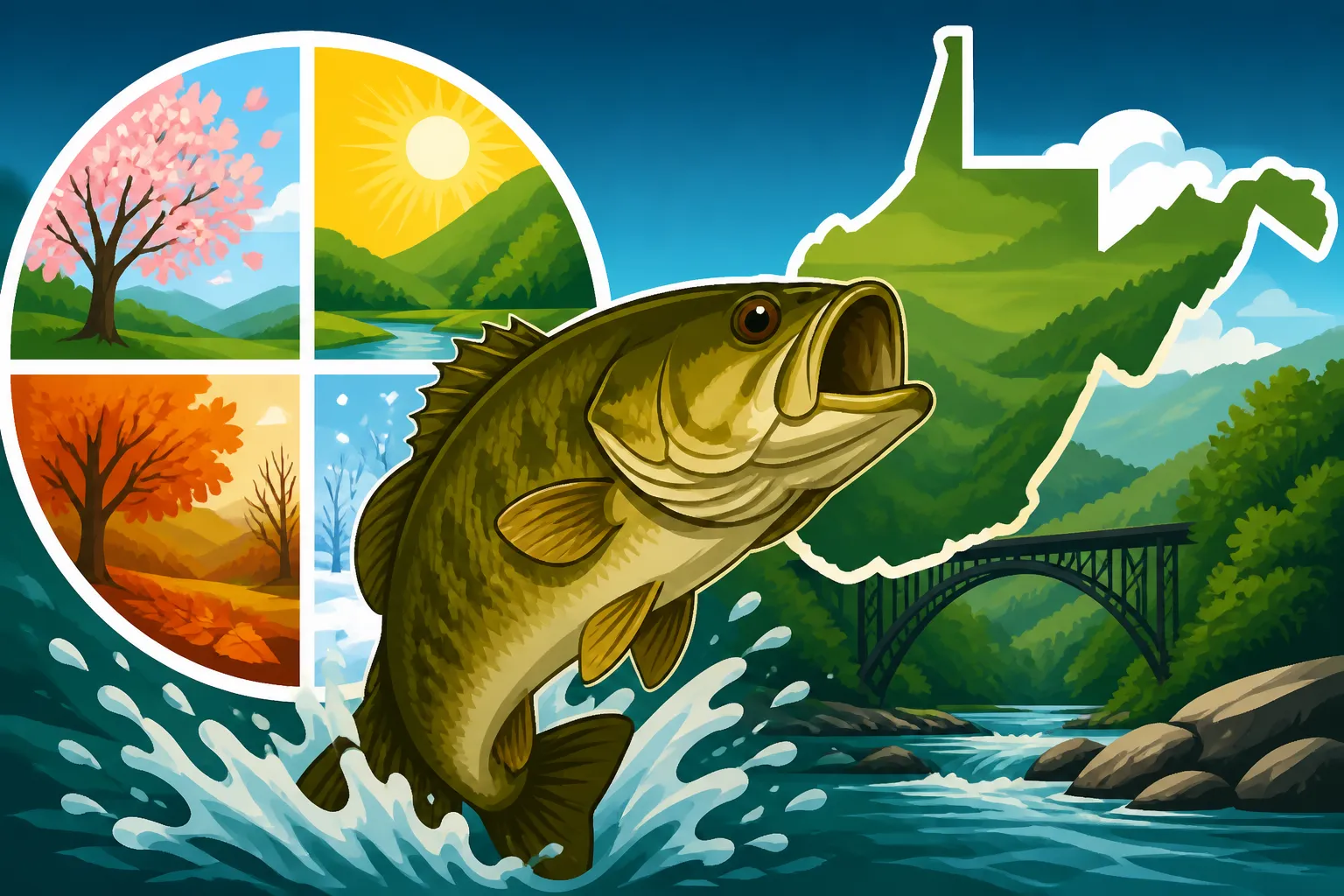
When most anglers think about West Virginia smallmouth, their minds naturally drift to the vibrant colors of spring and fall. These seasons consistently offer the most exciting and productive fishing, largely driven by the bass's biological needs for spawning and preparing for winter. It's a time of heightened activity, and if you plan your trips around these periods, you're setting yourself up for some incredible action.
Spring: Pre-Spawn Aggression and Post-Spawn Recovery
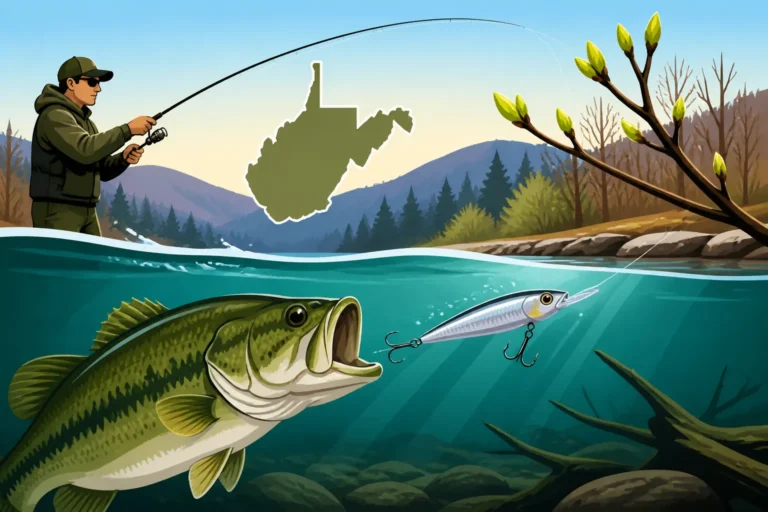
Ah, spring! There's nothing quite like it for West Virginia smallmouth. As the ice melts and water temperatures begin to climb steadily from the low 40s into the 50s and 60s Fahrenheit, smallmouth bass start to shake off their winter lethargy and move towards their shallow spawning grounds. This pre-spawn period, usually from late March through May depending on the specific water body and elevation, is often considered the absolute peak for catching larger, aggressive fish. They're hungry and actively looking for food to fuel their upcoming spawning rituals.
During this time, smallmouth will stage in transitional areas – think outside bends of rivers, current breaks, or flats adjacent to deeper channels. They're waiting for the water to hit that sweet spot, typically in the high 50s to low 60s, before they commit to building nests. This is when baits like suspending jerkbaits, jig and craw combos, or even slow-rolled spinnerbaits can be deadly. You'll find these fish gorging themselves, so don't be afraid to throw slightly larger presentations. The trick is to identify those areas where they're gathering, often where there's a good mix of cover and access to deeper water for safety. The New River Smallmouth Bass Fishing, for instance, lights up during this period, with fish moving into gravelly flats and eddies. Understanding the nuances of How to Catch Smallmouth Bass in West Virginia Rivers really pays off during these crucial spring months.
Following the spawn, usually in late May to early June, there's a brief "post-spawn funk" where some fish might be a bit lethargic and recuperating. However, this is quickly followed by a strong recovery bite as they regain their energy. They'll spread out a bit more, moving into areas with good current and cover where they can ambush prey. Topwater baits can start to shine during this phase, especially during low light conditions, as fish become more active and willing to chase. The key is to keep an eye on those water temperatures, as they dictate the smallmouth's behavior more than any calendar date.
Fall: The Feeding Frenzy Before Winter
If spring is about procreation, then fall is unequivocally about survival. As summer heat gives way to cooler nights and water temperatures begin to drop from the 70s back into the 60s and 50s, smallmouth bass enter another highly active feeding period. This usually spans from September through November, making it a fantastic time to be on the water. They know winter is coming, and they need to pack on as much fat and energy as possible to sustain themselves through the lean, cold months.
During the fall, smallmouth can often be found in shallower water than you might expect, especially during sunny afternoons, soaking up the warmth. However, their primary focus is on chasing baitfish. Crayfish and shad become vital parts of their diet. This is a fantastic time for aggressive presentations: crankbaits, spinnerbaits, and large swimbaits that imitate struggling baitfish. Look for them concentrated around rocky points, current seams, and areas with good forage. The South Branch Potomac Smallmouth Fishing can be exceptional in the fall, with strong currents and abundant rock structure providing perfect ambush points. Anglers who master the Best crankbait retrieve for New River smallmouth will find this period particularly rewarding.
The fall bite is often characterized by a willingness to hit a wide variety of lures, and sometimes, the more erratic the retrieve, the better. As the water cools further into November, the bite might slow down, and fish will begin to transition to deeper wintering holes, but the aggressive feeding continues until water temperatures consistently drop into the low 50s. If you enjoy a brisk, scenic day on the river with the chance for multiple hard-fighting smallmouth, fall is absolutely one of the best times to go.
Summer's Challenge and Opportunity: Adapting to Warmer Waters
While spring and fall grab the headlines, don't write off summer for West Virginia smallmouth. It can be a bit more challenging due to higher water temperatures and increased recreational traffic, but it also presents unique opportunities for dedicated anglers. Success in the summer hinges on understanding how smallmouth react to the heat and adjusting your tactics accordingly.
Hot Weather Tactics and Deep Water Holds
When West Virginia's summer really heats up, typically from July through August, river and lake temperatures can climb into the high 70s and even low 80s in some shallower areas. This warmth generally means smallmouth become less active during the brightest, hottest parts of the day. They'll often retreat to deeper, cooler water, seeking refuge in thermal refuges like deeper pools, current seams where cooler water might mix, or areas with abundant shade from overhanging trees or rock ledges.
During these peak summer months, your approach needs to shift. Instead of targeting shallow flats, focus on deep structure. Jigs, drop shots, and Carolina rigs presented slowly along ledges, rock piles, and submerged timber are often effective. Look for drop-offs where the current creates an oxygenated haven. For example, if you're fishing a wider river like the New River, seek out the deepest holes or the oxygenated water found directly below rapids. Smallmouth Bass Habits on the New River during summer dictate a focus on these cooler, deeper sanctuaries. Using a good fish finder can be incredibly beneficial for identifying these elusive deep-water holds.
Another key is to consider the type of forage available. While crayfish are always on the menu, many baitfish species are also abundant. Matching the hatch with smaller profile swimbaits or finesse worms can be very effective. Don't be afraid to experiment with different depths and retrieve speeds until you find what the fish are responding to. Remember, they're still feeding; they're just doing it more cautiously and in their preferred cool-water hideouts.
Evening and Morning Bites
The high sun and heat of midday are usually the slowest times for summer smallmouth, but the bookends of the day offer fantastic opportunities. Early mornings, just as the sun peeks over the horizon, and late evenings, as it dips below, provide cooler ambient temperatures and lower light conditions that make smallmouth much more comfortable moving into shallower water to feed.
Topwater action can be absolutely phenomenal during these low-light periods. Poppers, walk-the-dog baits, and even buzzbaits can elicit explosive strikes from aggressive smallmouth that might be lethargic during midday. Imagine the tranquility of a West Virginia river at dawn, the mist rising, and then the sudden eruption of a smallmouth slamming your topwater lure. It's truly an unforgettable experience. Evenings offer a similar thrill, as fish move out from their daytime cover to ambush prey in the fading light. This is also a good time for shallow-running crankbaits or soft plastics worked near cover.
These twilight hours are also when you'll often find less competition from other anglers and recreational boaters, allowing for a more peaceful and productive fishing experience. Make sure your tackle box includes the Best smallmouth bass lures for the New River in summer to take advantage of these prime low-light windows. Having a reliable headlamp from Amazon can also be a game-changer for getting set up before dawn or staying out a bit longer after sunset.
Winter's Chill: A Different Kind of Smallmouth Hunt
Winter fishing for smallmouth bass in West Virginia might sound daunting, and it's certainly not for everyone. The cold can be intense, and the bite is often much more subtle. However, for those willing to brave the elements, winter offers the chance for some truly remarkable catches, including some of the largest smallmouth of the year. It's a testament to patience and precision.
Locating Winter Smallmouth Holds
Once water temperatures consistently drop below 45-50 degrees Fahrenheit, smallmouth bass will largely move to their wintering grounds. These are almost always the deepest, slowest-moving sections of rivers or lakes, offering thermal stability and protection from strong currents. Think deep pools, major bends where currents slow down, or the deep ends of reservoirs near dam structures. They tend to school up tightly in these areas, conserving energy.
Finding these winter holds is the biggest challenge, but once you do, you can often catch multiple fish from the same spot. It requires a lot of slow, methodical probing. A boat with good electronics can be a huge advantage for locating these deep schools, but bank anglers can also succeed by targeting known deep holes and focusing on areas with vertical structure or significant depth changes. Understanding the Best water temperature for smallmouth bass fishing is paramount here; if it's too cold, they'll be in those deepest, most stable zones.
The key is to think about where the fish can expend the least amount of energy while still having access to occasional food. They won't be chasing aggressively. They're more likely to feed opportunistically on whatever drifts by or ventures too close. This often means targeting those deepest sections, especially if there's any sort of current that brings food to them.
Slow Presentations for Cold-Blooded Fish
When the water is cold, a smallmouth's metabolism slows down significantly. This means they are less inclined to chase fast-moving baits, and their strike often feels more like a subtle tap or just added weight on your line rather than an aggressive hit. Your presentation needs to match this lethargy.
Finesse techniques are king in winter. Small jigs (like Ned rigs or hair jigs), spybaits, or even small, slow-rolling swimbaits are excellent choices. The retrieve should be incredibly slow, almost imperceptible. Sometimes, simply letting a jig sit on the bottom for an extended period, punctuated by tiny twitches, is what it takes. Consider your line choice too; a sensitive fluorocarbon leader for clear river water can help detect those light bites. Often, the Best rod length for New River smallmouth bass in winter will be a longer, more sensitive spinning rod that allows for precise bait control and superior bite detection.
Winter fishing demands patience and a willingness to feel for the bite rather than see it. Dress warmly in layers, including a good waterproof outer shell, and focus on enjoying the quiet solitude of the river. The rewards can be substantial, as winter smallmouth are often the largest, healthiest fish in the system, and catching one in the dead of winter is a true accomplishment.
Key Factors Beyond the Calendar: Water Temperature, Conditions, and Spawning
While the months provide a general framework, Mother Nature often has her own schedule. Relying solely on the calendar can lead to frustrating days if you don't also consider other critical factors that dictate smallmouth behavior. Being adaptable and reading the conditions is what truly separates successful anglers from those who just go fishing.
The Critical Role of Water Temperature
If there's one single factor that governs smallmouth bass behavior more than any other, it's water temperature. Smallmouth are cold-blooded creatures, meaning their metabolism and activity levels are directly tied to the temperature of their environment. This is why spring and fall are so good – the temperatures are in their ideal comfort and feeding zones.
- Below 40°F (Winter): Smallmouth are largely lethargic, holding in the deepest, most stable water. Feeding is minimal and opportunistic.
- 40-50°F (Early Spring/Late Fall): Fish begin to move and feed, but slowly. They're staging for the spawn or preparing for winter.
- 50-65°F (Peak Spring/Peak Fall): This is the absolute prime zone. Pre-spawn feeding frenzy, post-spawn recovery, and intense fall feeding occur here. Fish are aggressive and highly active.
- 65-75°F (Summer): Smallmouth are active, but will often retreat to deeper, cooler water during the hottest parts of the day. Evening and morning bites are strong.
- Above 75°F (Peak Summer): Fish are stressed. They'll seek deep, oxygenated water or strong current. Activity levels drop significantly during midday.
Always check local water temperature reports or carry a thermometer. Knowing the water temperature can help you decide not just if the fish are active, but where they're likely to be and how they're likely to react to your lures.
Impact of Weather and River Conditions
Beyond temperature, general weather patterns and specific river conditions play a huge role. A sudden cold front can shut down a hot bite, while a sustained period of stable weather, even if cool, can make for excellent fishing.
- Rain and Runoff: Heavy rains can muddy up rivers and raise water levels, often scattering fish and making sight fishing impossible. However, after a few days, as the water clears and begins to drop, the fishing can be exceptional, as the influx of nutrients and bait washes into the river. Darker lures and those that create a lot of vibration (like spinnerbaits or chatterbaits) can be effective in stained water.
- Clear, Low Water: While beautiful, very clear, low water can make fish spooky. Longer casts, lighter line, and more natural presentations (finesse jigs, natural colored plastics) are often required. During these conditions, early mornings and late evenings become even more crucial.
- Barometric Pressure: While debated, many anglers believe stable or rising barometric pressure tends to encourage fish activity, while a rapidly falling barometer (often associated with approaching storms) can turn fish off. It's not a hard-and-fast rule, but it's another piece of the puzzle.
- Sun vs. Clouds: Cloudy days often mean smallmouth are more comfortable moving into shallower water throughout the day, whereas bright, sunny days tend to push them deeper or into shaded cover.
Paying attention to a comprehensive West Virginia Fishing Seasons by Month guide and current conditions from sources like the National Weather Service or river gauge websites before you head out can save you a lot of time and frustration.
Understanding the Smallmouth Spawning Cycle
The smallmouth bass spawning cycle is a defining event that heavily influences their location and behavior for a significant portion of the year. While specific dates vary by region and water temperature, understanding the general progression is vital.
- Pre-Spawn (Late March-May): As mentioned, this is a prime feeding period. Smallmouth move from deep wintering holes to shallower staging areas, gorging themselves to build energy for the spawn. They are aggressive and often willing to chase.
- Spawn (April-June): Once water temperatures consistently hit the mid-50s to low 60s Fahrenheit, male smallmouth will begin fanning out nests in gravelly, rocky areas. Females will move onto these nests to lay eggs. During the actual spawning act, fish are often highly focused on reproduction and can be less interested in feeding, though males will aggressively defend nests. It's often debated whether to target spawning fish, but be mindful of their vulnerability during this crucial time.
- Post-Spawn (Late May-July): After spawning, females typically move to deeper water to recover, while males guard the fry for a period. Both sexes will eventually begin to feed aggressively again as they recover their energy, though they might be spread out more than during pre-spawn. This can be a great time for topwater or reaction baits.
Local regulations, such as the West Virginia Black Bass Limits and the New River Slot Limit, are often designed to protect bass during their vulnerable spawning periods. Always consult the current regulations before fishing. Respecting these cycles not only helps ensure healthy fish populations for future generations but also improves your own fishing success by targeting fish when they are naturally most active and accessible. Remember, West Virginia smallmouth offer incredible sport, and by understanding their seasonal patterns and environmental triggers, you can enjoy fantastic fishing almost any time of year.
Disclaimer
The information provided in this guide is for general informational purposes only and is subject to change. Fishing regulations, season dates, and license requirements in West Virginia can vary and are updated periodically by the West Virginia Division of Natural Resources (WVDNR). It is the angler's responsibility to consult the most current WVDNR fishing regulations and obtain all necessary licenses and permits before engaging in any fishing activities. Always prioritize safety on the water and practice ethical angling.