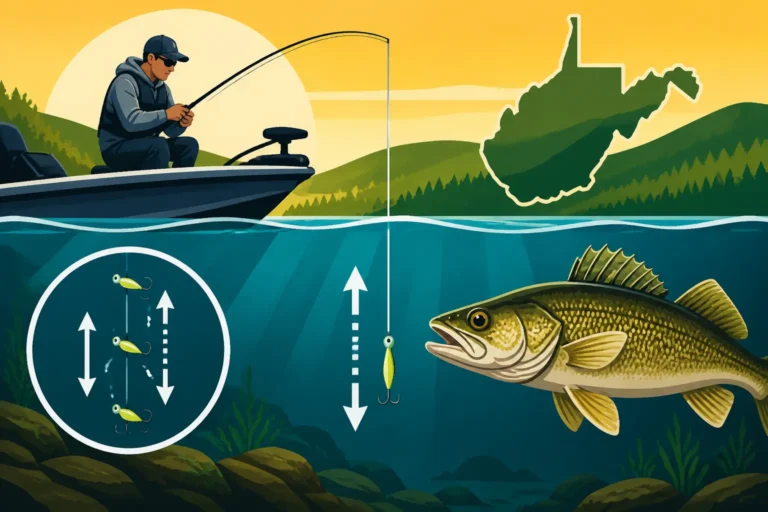
How deep to troll for walleye at Tygart Lake
One of the biggest head-scratchers for anglers targeting walleye in Tygart Lake is figuring out exactly how deep those elusive fish are holding. It's a common frustration, especially when you're out there trolling and not getting any bites. This guide will dive deep into understanding walleye behavior in Tygart Lake and equip you with the knowledge to consistently hit the right depths, no matter the season.
Understanding Walleye Behavior at Tygart Lake
Walleye in Tygart Lake, like most places, are creatures of habit driven by two primary factors: water temperature and forage. If you can understand where the baitfish are, and what temperatures the walleye prefer, you're halfway to solving the depth puzzle. Tygart Lake is a deep, clear reservoir, which often means walleye will seek deeper, cooler water, especially during warmer months.
Seasonal Movements and Water Temperature
Walleye are cold-water fish, and their activity levels and locations are heavily influenced by the seasonal changes in water temperature. In Tygart Lake, this means they'll be found at different depths throughout the year.
- Spring Warm-up: As the ice melts and water temperatures begin to rise into the 40s and 50s Fahrenheit, walleye start to move shallower for their spawning rituals. They'll seek out rocky areas, gravel beds, and tributary mouths where they can deposit their eggs. You'll find them concentrating in the upper reaches of the lake and shallower flats.
- Summer Stratification: Once summer hits and the surface water warms significantly, Tygart Lake will develop a thermocline – a distinct layer where water temperature changes rapidly. Walleye will often be found just above, within, or just below this thermocline, seeking cooler, oxygen-rich water. This is when they move much deeper, often to depths ranging from 20 to 50 feet, depending on the lake's specific conditions and the depth of the thermocline. They're still active, but they're not going to chase lures near the scorching surface.
- Fall Turnover: As air temperatures drop in late summer and early fall, the surface water cools and becomes denser. Eventually, the entire water column "turns over," mixing the oxygen and nutrients. This can temporarily scatter fish, but once the lake stabilizes, walleye will often move back to shallower to mid-depths, following baitfish that are also moving in response to the cooler water. This can be a fantastic time to catch them as they feed aggressively before winter.
- Winter Chill: When the water temperatures consistently drop into the 30s and low 40s, walleye become less active but still feed. They typically return to deeper basin areas, often suspending over structure or near drop-offs. Their metabolism slows, so presentations need to be slower and more deliberate.
Forage and Structure Preferences
Walleye in Tygart Lake are primarily predatory fish, and their diet consists mainly of smaller baitfish. Understanding what they're eating and where that food hides is key to finding the walleye themselves.
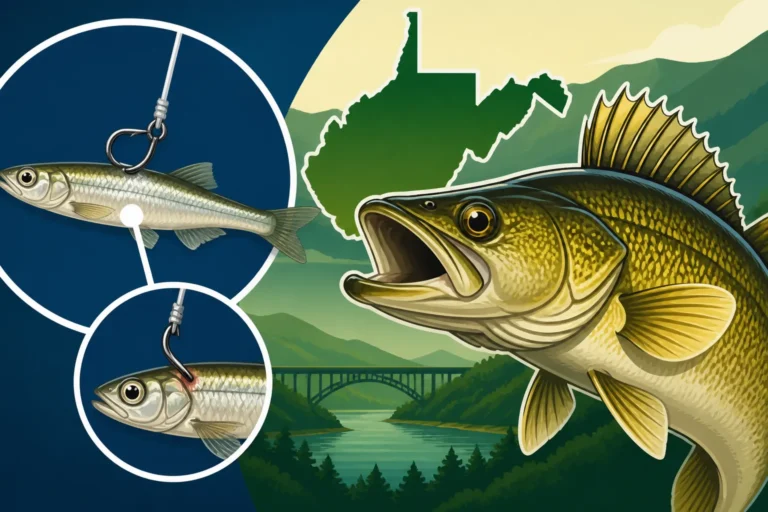
- Primary Forage: The main forage for walleye in Tygart Lake includes alewives, gizzard shad, yellow perch, and various minnows. Walleye will follow these baitfish schools relentlessly. If you can locate the baitfish on your fish finder, you're usually in the right zone for walleye.
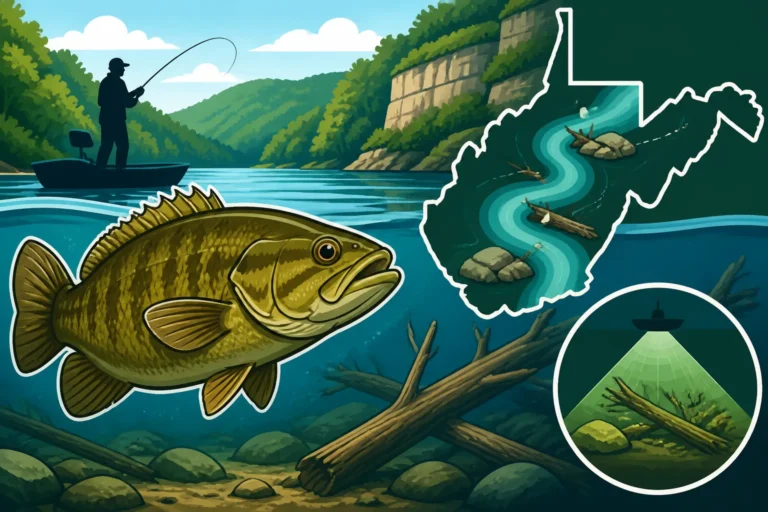
- Structural Elements: Tygart Lake offers a variety of underwater structures that attract walleye. These include:
- Submerged Humps and Islands: These are prime ambush points where walleye can hold just off the top or along the sides, waiting for bait to pass.
- Points and Submerged Ridges: Any extension of land underwater creates a current break or a natural travel lane for fish.
- River Channels and Creek Beds: The old river channel that runs through Tygart Lake is a significant highway for fish, especially in deeper water. Walleye will often hug the edges of these channels or sit in deeper pockets within them.
- Drop-offs and Ledges: These provide quick access to varying depths, allowing walleye to move up to feed and quickly retreat to deeper, safer waters.
- Timber and Brush Piles: While not as prevalent in all areas, submerged wood can offer cover and attract baitfish, especially in the shallower arms of the lake.
- Riprap and Rock Piles: These are crucial during spawning and can hold walleye even during other seasons, attracting crawfish and other small prey.
When you're looking at your West Virginia Fishing Regulations Explained for Tygart Lake, remember that these structural preferences and seasonal movements are general guidelines. Every day on the water is a new puzzle, but these insights give you a solid starting point.
Decoding Trolling Depths for Tygart Lake Walleye
Trolling is an incredibly effective way to cover vast amounts of water and present lures to walleye at precise depths. The key to success at Tygart Lake is understanding how to adjust your trolling depth based on the season and prevailing conditions.
Spring Spawning and Post-Spawn Tactics
As Tygart Lake sheds its winter coat, walleye become more active and start their annual migration toward spawning grounds. This is a time of shallower action.
- Pre-Spawn (Water Temps 40-50°F): Walleye will be moving into shallower areas, typically 8 to 20 feet deep, but might hold slightly deeper during cold fronts. Focus your trolling on long, gradual points, rocky shorelines, and the mouths of feeder creeks. Crankbaits that run 8-15 feet deep are excellent here. You might even find walleye shallower, 5-10 feet, on cloudy days or early mornings.
- Post-Spawn (Water Temps 50-60°F): After the spawn, walleye are hungry and recovering. They'll often drop back slightly from the absolute shallowest areas but remain in relatively accessible depths, say 10 to 25 feet. They'll use nearby cover and structure to ambush baitfish. Trolling crankbaits that dive to these depths or even pulling a crawler harness with a bottom bouncer can be very effective. This period can see some of the most aggressive feeding.
Remember that West Virginia Fishing Season Dates and Closures are important to check, especially for specific species, to ensure you're fishing legally during these critical times.
Summer Deep Water Trolling
Summer can be the most challenging but also the most rewarding time to troll for walleye on Tygart Lake, as the fish move deep.
- Thermocline Fishing (Water Temps 65°F+): Once the lake stratifies, walleye will congregate around the thermocline, which in Tygart Lake usually sets up anywhere from 20 to 35 feet, though it can vary. Your goal is to keep your lures running right at this depth, or just above or below it. This might mean trolling at depths of 25 to 50 feet.
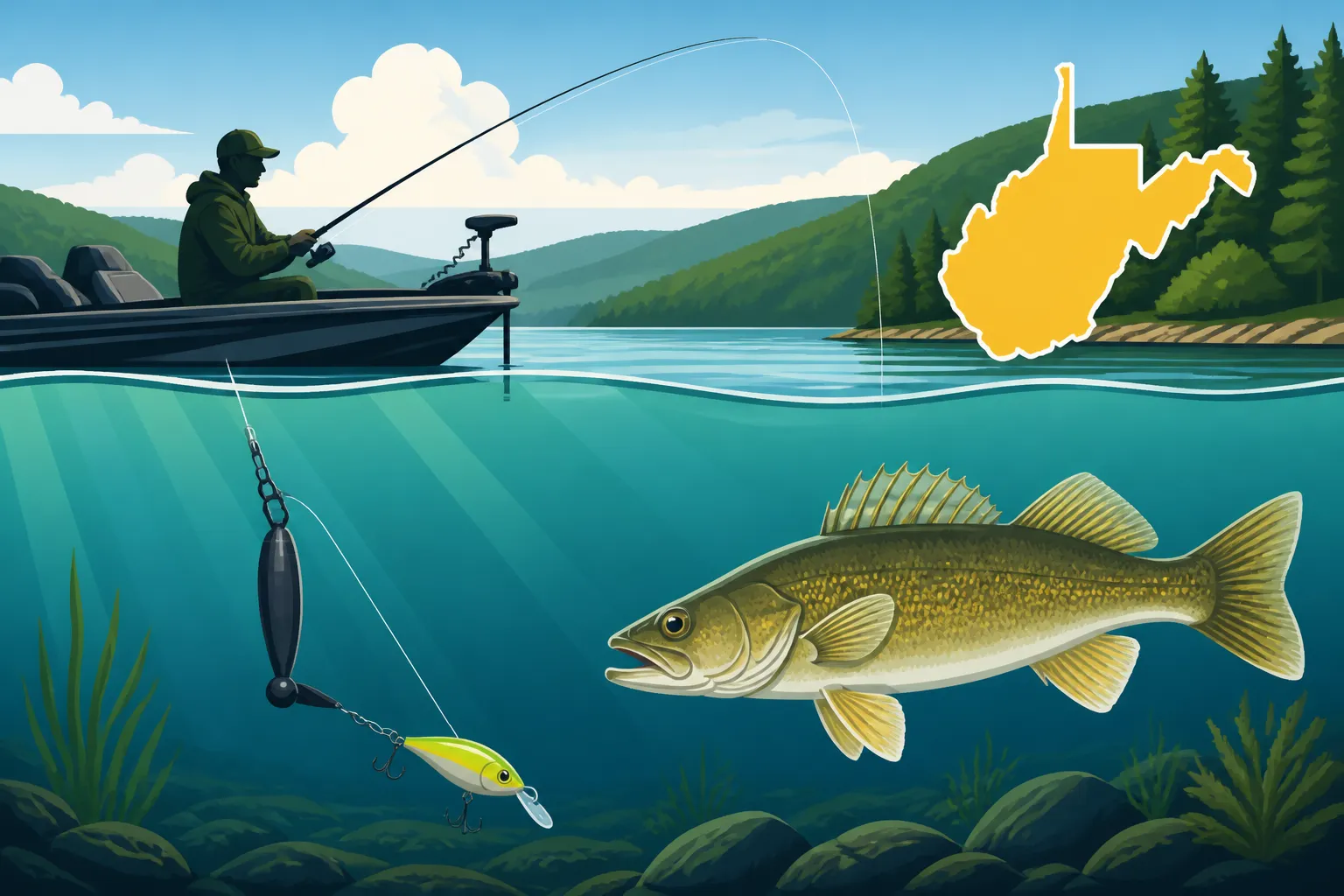
- Downriggers and Dipsy Divers: These tools are invaluable for consistently reaching and maintaining deep trolling depths. They allow you to present crankbaits, spoons, or worm harnesses precisely where the fish are holding, often suspending over the main lake basin or deep points.
- Lead Core Line: This specialized line changes color every 10 yards, with each color representing approximately 5-7 feet of depth at a typical trolling speed with certain lures. Running multiple colors of lead core can get your lures down to those deep walleye.
- Deep Structure: Even when suspending, walleye will relate to deep structure. Look for the edges of the old river channel, deep humps, or submerged timber that sits at or below the thermocline. Your fish finder is your best friend here. Targeting these features at depths from 30 to 60 feet can yield excellent results, especially during midday heat.
Fall Transition and Feeding Frenzy
Autumn brings a fantastic opportunity for walleye anglers on Tygart Lake as water temperatures cool and fish become highly active, bulking up for winter.
- Post-Turnover (Water Temps 50-60°F): After the lake turns over, baitfish will often scatter and then regroup. Walleye will follow suit, often found in a wider range of depths. You might find them anywhere from 15 to 40 feet, chasing bait. Trolling long, slender crankbaits that imitate shad or alewives can be deadly.
- Aggressive Feeding: The fall is characterized by an aggressive feeding period. Walleye will move shallower during low light conditions or on overcast days, sometimes as shallow as 10-20 feet, but can quickly retreat to 25-35 feet as the sun rises. Pay attention to your electronics for bait balls and active fish. This is a great time to experiment with different depths until you find the sweet spot.
Winter Patterns and Ice Fishing Considerations
While trolling in West Virginia during the dead of winter can be limited by ice formation on Tygart Lake, if open water prevails, walleye can still be targeted.
- Deep Basin Trolling (Water Temps 30-40°F): In open water winter conditions, walleye will be sluggish and hold tight to deep structure or suspend over the deepest parts of the lake. Trolling depths can be significant, often 40-70 feet, requiring slow presentations with heavy spoons or deep-diving crankbaits.
- Ice Fishing Alternative: If Tygart Lake freezes over, ice fishing becomes the primary method. Walleye will still be found in deeper areas, often near submerged structure or on flats adjacent to deep water. Jigging spoons and tip-ups with live bait are effective. However, this guide focuses on trolling, so we won't go too deep into Ice Fishing in West Virginia here.
Essential Gear and Techniques for Effective Trolling
To consistently hit your target depths and effectively troll for walleye in Tygart Lake, having the right gear and understanding its applications is crucial.
Lure Selection and Diving Depths
The type of lure you choose plays a massive role in how deep it will run, especially when trolling.
- Crankbaits: These are arguably the most popular trolling lures for walleye. They come in various bill designs that dictate their diving capabilities.
- Shallow Divers (0-15 feet): Ideal for spring and fall, these have smaller bills and a tighter wobble. Brands like Rapala Shad Raps or Berkley Flicker Shads are great.
- Medium Divers (15-25 feet): Versatile for many conditions, these have slightly larger bills. Storm ThunderSticks or Bagley Small Fry Series are good examples.
- Deep Divers (25+ feet): Characterized by long, aggressive bills, these can reach impressive depths, especially with thin line. Think Rapala Down Deep Husky Jerks or Reef Runner Deep Divers. When buying online, checking product descriptions on sites like Amazon for stated diving depths is always a good idea.
- Spoons: While often associated with casting, certain spoons can be trolled, especially when using downriggers or lead core line to get them deep. Their erratic flutter can be very enticing.
- Crawler Harnesses: These are incredibly effective, particularly when walleye are feeding on bottom or suspended just off the bottom. Paired with a bottom bouncer, they can be trolled at very precise depths. The weight of the bottom bouncer dictates depth, with heavier weights (1-3 oz) reaching deeper.
Line Type and Diameter
Your fishing line isn't just for holding the fish; it's a critical factor in how deep your lure will run.
- Monofilament (Mono): It has stretch and a larger diameter for a given breaking strength compared to braid or fluorocarbon. This larger diameter creates more drag in the water, which reduces the diving depth of many lures. It's good for some applications but might require more weight or longer leads to get lures deeper.
- Fluorocarbon: Less stretch than mono and a smaller diameter. It's nearly invisible underwater and sinks, making it excellent for leaders or even main line when you want a little extra depth without adding weight. It's often preferred for clear water conditions in Tygart Lake.
- Braided Line (Braid): Minimal stretch and a very thin diameter for its breaking strength. This thinness means less water resistance, allowing crankbaits to run deeper than with mono. It's excellent for feel and setting the hook at long trolling distances. Many anglers use braid as their main line and then a fluorocarbon leader for stealth. You can find a wide variety of quality braided lines on Amazon.
- Lead Core Line: As mentioned, this specialized line is designed to sink. Each color segment (typically 10 yards) adds to the depth. The number of "colors out" combined with your trolling speed and lure choice will determine your depth.
Electronics and Mapping
Modern electronics have revolutionized walleye trolling, turning guesswork into a science.
- Fish Finders (Sonar): Absolutely essential. A good fish finder will show you not only the depth of the bottom but also baitfish schools, individual fish (including walleye), and crucial thermoclines. Look for units with clear, high-resolution screens and good transducer capabilities. Brands like Humminbird and Lowrance offer excellent options.
- GPS and Chartplotters: Integrated GPS is vital for marking waypoints over productive structure, following contour lines, and saving your successful trolling passes. Detailed contour maps of Tygart Lake will show you humps, channels, and drop-offs that are invisible from the surface. Many modern fish finders come with mapping capabilities or allow you to upload detailed charts.
- Side Imaging/Down Imaging: These technologies provide photographic-like views of the bottom and structure to the sides and directly below your boat. This helps you identify submerged timber, rock piles, and even individual fish relating to structure, giving you a better idea of where to aim your trolling passes. Understanding how to use your electronics will be a game changer for finding the best walleye fishing spots in West Virginia.
By combining your understanding of seasonal walleye movements, forage preferences, lure mechanics, and electronics, you'll be well on your way to consistently finding and catching walleye in the beautiful waters of Tygart Lake. Remember, fishing is all about adapting and learning from every trip.
Here's a quick reference for typical trolling depths at Tygart Lake:
| Season | Target Water Temperature (F) | Typical Trolling Depth Range (Feet) | Primary Lure Types & Tactics | Notes |
|---|---|---|---|---|
| Early Spring | 40-50°F | 8-20 feet | Shallow/Medium crankbaits, jigs | Pre-spawn, near rocky banks, creek mouths. Slow trolling. |
| Late Spring | 50-60°F | 10-25 feet | Medium crankbaits, crawler harnesses w/ bouncers | Post-spawn, fish recovering and actively feeding. |
| Summer | 65°F+ (Surface) | 25-50 feet (at thermocline) | Deep-diving crankbaits, spoons, crawler harnesses | Use downriggers, Dipsy Divers, lead core. Focus on deep structure. |
| Fall | 50-60°F | 15-40 feet | Medium/Deep crankbaits, crawler harnesses | Post-turnover, aggressive feeding. Walleye chase bait. |
| Winter | 30-40°F | 40-70 feet | Heavy spoons, deep jigs, slow-trolled deep crankbaits | Open water: very slow presentations, deep basin areas. |
This table provides general guidelines. Always consult your fish finder and local conditions! You can often find deals on essential trolling gear, from crankbaits to bottom bouncers, on Amazon. Don't forget to check out our guide on Trolling Techniques for West Virginia Lake Walleye for even more specific tips.
Disclaimer
Please note that fishing conditions, regulations, and fish behavior can change. Always consult the latest West Virginia Division of Natural Resources fishing regulations before heading out. This guide provides general information and should be used in conjunction with your own observations and judgment on the water.