Best time of day to catch walleye on Stonewall Jackson Lake
Figuring out the exact best time to target walleye can feel like cracking a secret code, especially on a fantastic but often challenging lake like Stonewall Jackson Lake. These elusive fish are renowned for their finicky nature and their unique ability to vanish when the sun is high. This guide will help you understand the daily rhythms of walleye on Stonewall Jackson, helping you pinpoint those precious windows when they're most likely to bite.
Understanding Walleye Behavior in Stonewall Jackson Lake
Walleye aren't like bass, always willing to chase a lure in broad daylight. Their entire existence revolves around light sensitivity, which dictates when and where they feed. Understanding this fundamental aspect of their biology, combined with the specific characteristics of Stonewall Jackson Lake, is crucial for successful walleye fishing.
The Walleye's Relationship with Light
Walleye possess a special eye structure, including a reflective layer called the tapetum lucidum, which gives them superior vision in low-light conditions. This incredible adaptation is what makes them such formidable nocturnal predators. However, it also means they actively avoid bright sunlight. On Stonewall Jackson Lake, with its often clear waters, this means that during the brightest parts of the day, walleye typically retreat to deeper, darker water or seek out dense cover. They'll hug the bottom, hide in submerged timber, or tuck themselves into deep rock crevices, waiting for the light to dim. This isn't just a preference; it's a physiological necessity. Too much bright light can actually be uncomfortable or even damaging to their eyes, making them hesitant to actively feed in such conditions.
The implication for anglers is clear: you need to adjust your fishing times to coincide with these natural preferences. Think of it like a vampire; they're most active when the sun isn't shining. This explains why an hour before sunrise or after sunset can be incredibly productive, as the reduced light gives them a distinct advantage over their prey, like schools of shad or yellow perch, while reducing their own vulnerability to predators, including larger fish or even ospreys. Even subtle changes in light, like a heavy cloud cover or a strong chop on the water's surface, can trigger walleye to become more active in shallower zones.
Forage and Feeding Windows
Walleye in Stonewall Jackson Lake primarily feast on abundant baitfish populations. Alewives, gizzard shad, and yellow perch are staples in their diet. The daily movements of these baitfish directly influence when and where walleye will concentrate. For instance, alewives and shad often move into shallower water to feed during low light, drawing the walleye with them. During bright midday hours, these baitfish might also seek deeper, cooler water, and the walleye will follow.
Successfully targeting walleye means understanding these subsurface food chains. If you can locate schools of baitfish, you're often one step closer to finding walleye. This becomes especially evident during cooler water periods, like spring and fall, when baitfish are more spread out and accessible. In the dead of summer, when baitfish often suspend in deeper water over main lake basins, walleye will be nearby, waiting for their chance. Using a good fish finder to mark these baitfish schools can be incredibly helpful. You can find some excellent models on Amazon that offer features like side imaging or down imaging to help you pinpoint bait at various depths and structures.
Prime Fishing Windows for Walleye on Stonewall Jackson Lake
While walleye can be caught throughout the day under specific conditions, there are undoubtedly certain periods when your chances of success skyrocket. These "prime windows" align perfectly with the walleye's light sensitivity and feeding habits.
The Magic of Dawn and Dusk
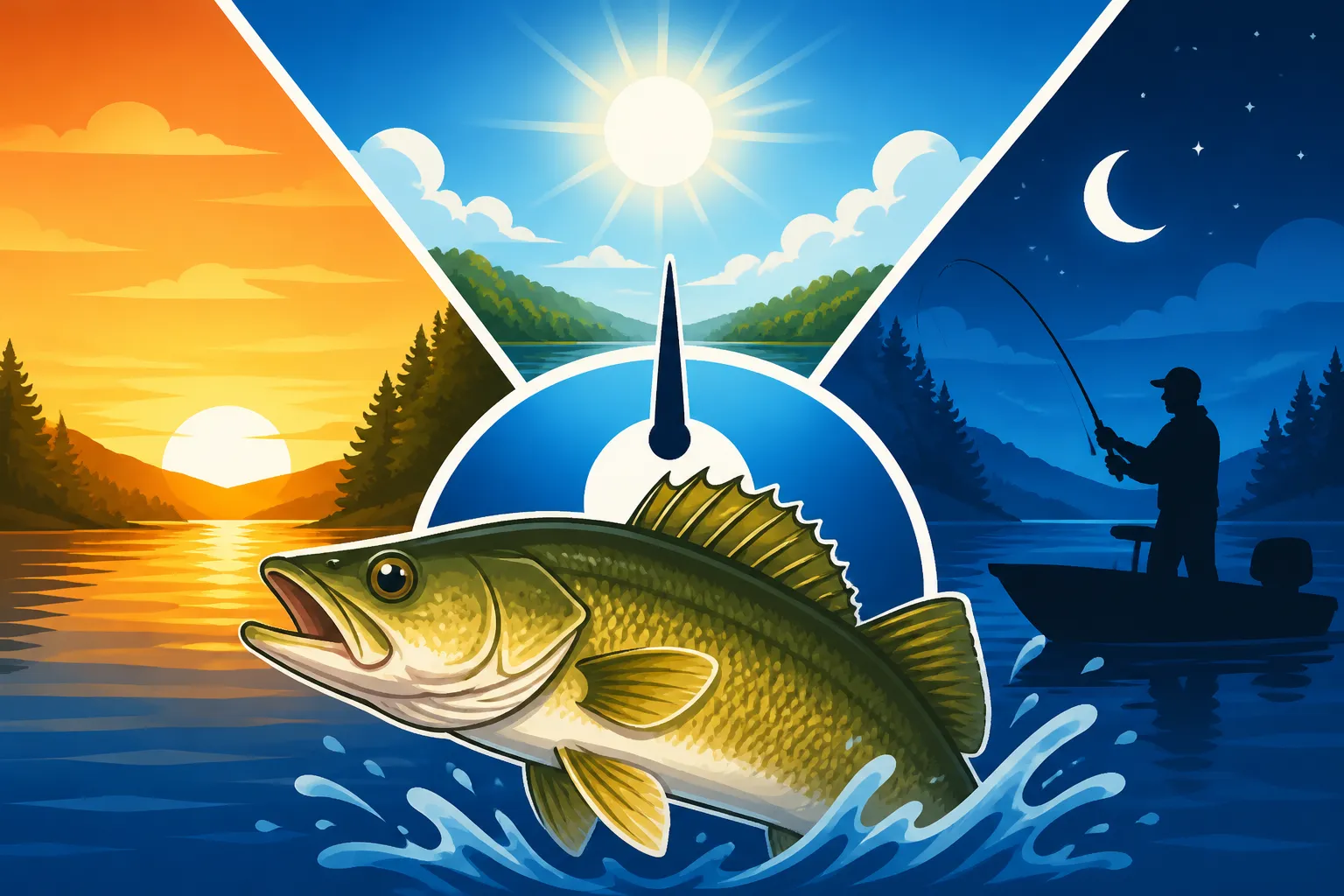
Hands down, the hours around sunrise and sunset are often the most productive for walleye on Stonewall Jackson Lake. As the sun begins its ascent or descent, the light penetration into the water dramatically decreases. This creates that perfect crepuscular environment where walleye feel comfortable moving out of their deep-water hideouts and into shallower feeding zones. You'll find them cruising along points, humps, ledges, and rocky shorelines, actively hunting for baitfish that are also becoming more active.
During these low-light periods, walleye are often less wary and more aggressive, making them more susceptible to a variety of presentations. Trolling shallow-diving crankbaits or casting jigs tipped with a soft plastic or live minnow near structural elements can be incredibly effective. Consider being on the water an hour before official sunrise and staying an hour after sunset to truly maximize these golden hours. If you're focusing on particular areas, try to hit them at both dawn and dusk, as the fish might use different ambush points depending on the direction of light. For deeper insights into targeting these fish, be sure to check out our comprehensive guide on How to Catch Walleye in West Virginia.
Night Fishing for Trophy Walleye
If you're serious about catching bigger walleye, particularly those trophy-sized fish, then night fishing on Stonewall Jackson Lake is an absolute game-changer. Once darkness fully descends, the walleye's nocturnal advantage becomes undeniable. Their superior low-light vision allows them to hunt with incredible efficiency, and they often push into extremely shallow water, even over flats and humps that might only be a few feet deep, areas they would never dare to enter during the day.
Targeting walleye at night requires a different set of strategies and safety precautions. Trolling large stickbaits, like Rapalas or Smithwick Rogues, can be deadly effective, especially those with reflective finishes or internal rattles. You can also try jigging with glow-in-the-dark or lighted baits over known walleye structure. Remember to equip your boat with proper navigation lights and consider a good headlamp for tying knots or unhooking fish. Night fishing can be an incredibly peaceful and rewarding experience, and the rewards can be significant, often yielding the largest walleye of the season. For more detailed advice, read up on specific Night Fishing Techniques for West Virginia Lakes.
Overcast Days and Choppy Water
Don't despair if your fishing day on Stonewall Jackson Lake is grey and gloomy! Overcast conditions, especially when combined with a nice chop on the water, can transform an otherwise "off" day into a fantastic walleye bite. The diffused light and agitated surface mimic the low-light conditions of dawn and dusk, effectively extending those prime feeding windows throughout the day. Walleye, feeling less exposed, will often remain in shallower water for longer periods, actively searching for food.
When the sky is dark and the wind is blowing, walleye will often move right up onto shallow flats or the wind-blown side of points. The chop on the water helps break up light penetration, reducing their sensitivity, and also concentrates baitfish along wind-swept areas. This is a perfect scenario for aggressive presentations like casting brighter colored crankbaits or jigging with heavier jigs to cut through the turbulence. Don't be afraid to experiment with more vibrant lure colors, as the reduced light can make them stand out better.
Adjusting Your Approach by Season and Conditions
While dawn, dusk, and night are generally prime, walleye behavior on Stonewall Jackson Lake isn't static. It shifts dramatically with the seasons and responds keenly to daily weather and water conditions. Being able to adapt your timing and tactics is what separates a good angler from a truly great one.
Seasonal Shifts in Walleye Activity
The time of year dictates where walleye are and how they're behaving, which in turn influences the best time of day to target them.
- Spring: As ice gives way and water temperatures rise into the 40s and 50s, walleye begin their pre-spawn and spawning migrations. Early spring sees them moving into shallower rocky areas to spawn. During this time, which is usually late March through April on Stonewall Jackson, the fish can be caught throughout the day, particularly on overcast days, but dawn and dusk remain exceptional. After the spawn, they’ll disperse to feed actively, and those low-light periods are again key. Understanding the Walleye Spawning Season in West Virginia is crucial for this time of year.
- Summer: When water temperatures climb into the 70s, walleye on Stonewall Jackson Lake typically retreat to deeper, cooler, oxygenated water during the heat of the day. They'll relate to deep humps, main lake points, and submerged timber. Your best bet for summer walleye will be those prime low-light hours of dawn, dusk, and especially night. During the day, you'll need to focus on vertical presentations or deep trolling to reach them. For specific techniques, our guide on Trolling Techniques for West Virginia Lake Walleye can be very useful.
- Fall: As water temperatures begin to drop, walleye enter an aggressive feeding phase, packing on weight for the upcoming winter. This is often considered one of the best times of year to catch trophy walleye. Their feeding windows tend to be longer, and they'll often hold in shallower to mid-depth ranges for extended periods, especially on cloudy days. Look for them to school up, following baitfish into creek arms and along main lake points.
- Winter (Ice Fishing): If Stonewall Jackson Lake freezes over sufficiently for safe ice fishing, walleye behavior shifts again. The bite can often be strong mid-day during stable weather patterns, as the overall light penetration is much lower under the ice. You'll typically find them near deeper structure, reacting well to jigging spoons and live minnows. Always prioritize safety on the ice; knowing the Best Time of Day to Catch Walleye in West Virginia during winter also means knowing when it's safe to be out there.
Impact of Weather and Water Conditions
Beyond the season, daily weather patterns and water conditions play a significant role in walleye activity.
- Water Clarity: Stonewall Jackson Lake can often be quite clear. In clear water, walleye are even more light-sensitive. This means they'll likely stay deeper or in denser cover during the day, making low-light periods even more critical for success. If the water is slightly stained, they might be more comfortable moving shallower, even in brighter conditions.
- Barometric Pressure: Stable or slowly falling barometric pressure often corresponds with active feeding periods for many fish, including walleye. A rapidly dropping barometer before a storm can trigger a pre-front feeding frenzy, while a high, stable pressure system often means a slower bite, pushing fish deeper or making them more lethargic.
- Wind: Wind can be your friend when walleye fishing. A steady breeze creates a "walleye chop" that diffuses light, making fish more active. It also pushes and concentrates baitfish along wind-blown shorelines, points, and flats. The windward side of structure is often a prime ambush point for walleye. Consider casting jigs like those suggested in our Best Jigs for West Virginia Walleye guide into these areas.
Understanding all these variables will help you not just know the general "best time," but the specific best time for your particular fishing day on Stonewall Jackson Lake. Having a detailed map of Stonewall Jackson Lake Fishing spots, easily viewed on your phone or a dedicated GPS unit you can find on Amazon, will help you navigate and target these fish effectively. Don't forget to review the West Virginia Fishing Regulations Explained before you head out, and if you're boating, familiarize yourself with the West Virginia Boating Laws for Anglers.
Here's a quick summary of general guidelines, but remember to adjust based on the day's specific conditions:
| Season | Optimal Time of Day | Key Considerations |
|---|---|---|
| Spring | Dawn, Dusk, Overcast Midday | Pre-spawn/Post-spawn movements, focus on shallow rocky areas. |
| Summer | Dusk, Night, Dawn | Retreat to deeper, cooler water during the day. Night is prime for larger fish. |
| Fall | Dawn, Dusk, Overcast Midday | Aggressive feeding period, walleye often school up and move shallower for bait. |
| Winter | Midday (Ice Fishing) | Under ice, light is reduced, often triggering a mid-day bite. Focus on deep structure. |
Essential Gear and Techniques for Different Times
Having the right gear and knowing the appropriate techniques can make a huge difference in converting those prime windows into successful catches. Whether it's the early morning chill or the dead of night, your setup needs to match the conditions.
Lures and Baits for Low-Light Success
When you're fishing during those magical dawn, dusk, or nighttime hours, you'll want to choose lures that maximize visibility and vibration. Walleye rely heavily on their lateral line system to detect movement in low light, so baits with good wobble, rattle, or flash are key.
- Crankbaits and Stickbaits: These are workhorses for low-light walleye. For dawn/dusk, shallow-running crankbaits in natural baitfish patterns or bright colors (like firetiger or chartreuse) can be deadly when cast or trolled along breaklines and points. For night fishing, larger, jointed stickbaits with a strong wobbling action are incredibly effective. Some anglers swear by dark colors at night, believing they create a better silhouette against the moonlit sky, while others prefer reflective or glow-in-the-dark options. You can find a vast selection of these on Amazon, often with reviews specific to walleye fishing.
- Jigs: Tipped with live bait (minnows, nightcrawlers) or soft plastics (grubs, paddle tails), jigs are versatile and effective. During low light, vertical jigging over humps or casting jigs to shallow structure can be very productive. Again, glow-in-the-dark jigs or those with reflective eyes can enhance their appeal. Our guide on Best Jigs for West Virginia Walleye has some excellent recommendations.
- Live Bait Rigs: Nothing beats live bait in many situations, especially when walleye are finicky. A simple minnow rig (slip bobber, split shot, small hook) fished near structure during low light can be incredibly effective. Leeches and nightcrawlers also work wonders, particularly in spring and fall.
Technology to Enhance Your Fishing Experience
Modern technology can give you a significant edge when hunting walleye on Stonewall Jackson Lake, especially during those low-light and deep-water periods.
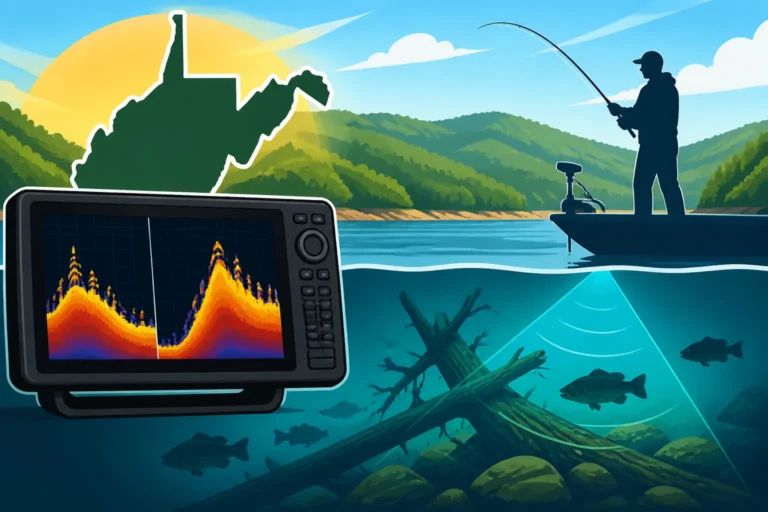
- Fish Finders: A quality fish finder is almost a necessity for walleye. It helps you locate baitfish schools, identify underwater structure (like humps, ledges, and submerged timber), and mark individual walleye. Features like side imaging or down imaging, available on many Humminbird or Lowrance units, can be invaluable for pinpointing fish holding tight to structure or suspended in the water column. You can find a wide range of these devices, from basic models to advanced units, on Amazon. Our Best Fish Finders for West Virginia Lakes article dives deeper into selections.
- GPS and Mapping: Modern GPS units, often integrated into fish finders or available on dedicated devices, allow you to mark productive spots, navigate safely in the dark, and return to precise locations repeatedly. Detailed lake maps show contours, depths, and potential walleye habitats, saving you precious fishing time.
- Lighting: For night fishing, adequate lighting is crucial for safety and efficiency. Beyond your boat's navigation lights, a powerful headlamp (preferably with a red light option to preserve night vision) is a must for tying knots, rigging baits, and handling fish. Portable LED lights can also illuminate your work area on the boat without spooking fish as much as bright white lights.
Safety Considerations for Early Morning and Night Fishing
Fishing in low-light conditions on a large body of water like Stonewall Jackson Lake always comes with inherent risks. Prioritizing safety is paramount.
- Navigation: Be extra vigilant when navigating in the dark. Know your boat's capabilities, carry up-to-date charts, and always operate at a safe speed. Watch out for other boats, buoys, and submerged hazards that are much harder to see at night or during twilight.
- Life Jackets: Ensure everyone on board is wearing a U.S. Coast Guard-approved life jacket, or at least has one readily accessible. Accidents can happen quickly, and the chances of survival in cold water are greatly increased with a life jacket. Remember to review West Virginia Life Jacket Requirements for Boaters.
- Communication: Always let someone know your float plan – where you're going, when you expect to return, and who is with you. Carry a fully charged cell phone or a marine radio for emergencies.
- Weather Awareness: Check the weather forecast before heading out, especially for potential fog or sudden storms that can quickly make low-light conditions even more treacherous.
By understanding walleye behavior, capitalizing on prime feeding windows, adapting to seasonal changes, and prioritizing safety, you'll significantly increase your chances of finding success on Stonewall Jackson Lake. Good luck out there!
Disclaimer
The information provided in this guide is for general informational purposes only and is subject to change. Always consult the most current West Virginia Division of Natural Resources fishing regulations and boating laws before heading out on the water. Fishing conditions, fish behavior, and lake safety can vary, and anglers should always exercise caution and good judgment.