Best Techniques for Panfish in West Virginia
It’s a tale as old as time for many anglers in West Virginia: you head out to your favorite lake or stream, hoping to fill a stringer with tasty panfish, only to find yourself either catching nothing but tiny fry, or worse, just not knowing where to even begin looking. The Mountain State is brimming with incredible panfish opportunities, from abundant bluegill and feisty crappie to the elusive yellow perch, but knowing the right techniques can feel like unlocking a secret code. This guide is here to demystify panfish angling in West Virginia, offering proven strategies and gear advice to help you consistently land those delicious, palm-sized fighters.
Understanding West Virginia Panfish
Before we dive into the nitty-gritty of techniques, it's crucial to understand the stars of our show: the various panfish species that call West Virginia home. Each has its own quirks, preferred habitats, and feeding behaviors. Knowing these fundamentals is the first step to successful and consistent catches.
Targeting Bluegill and Sunfish
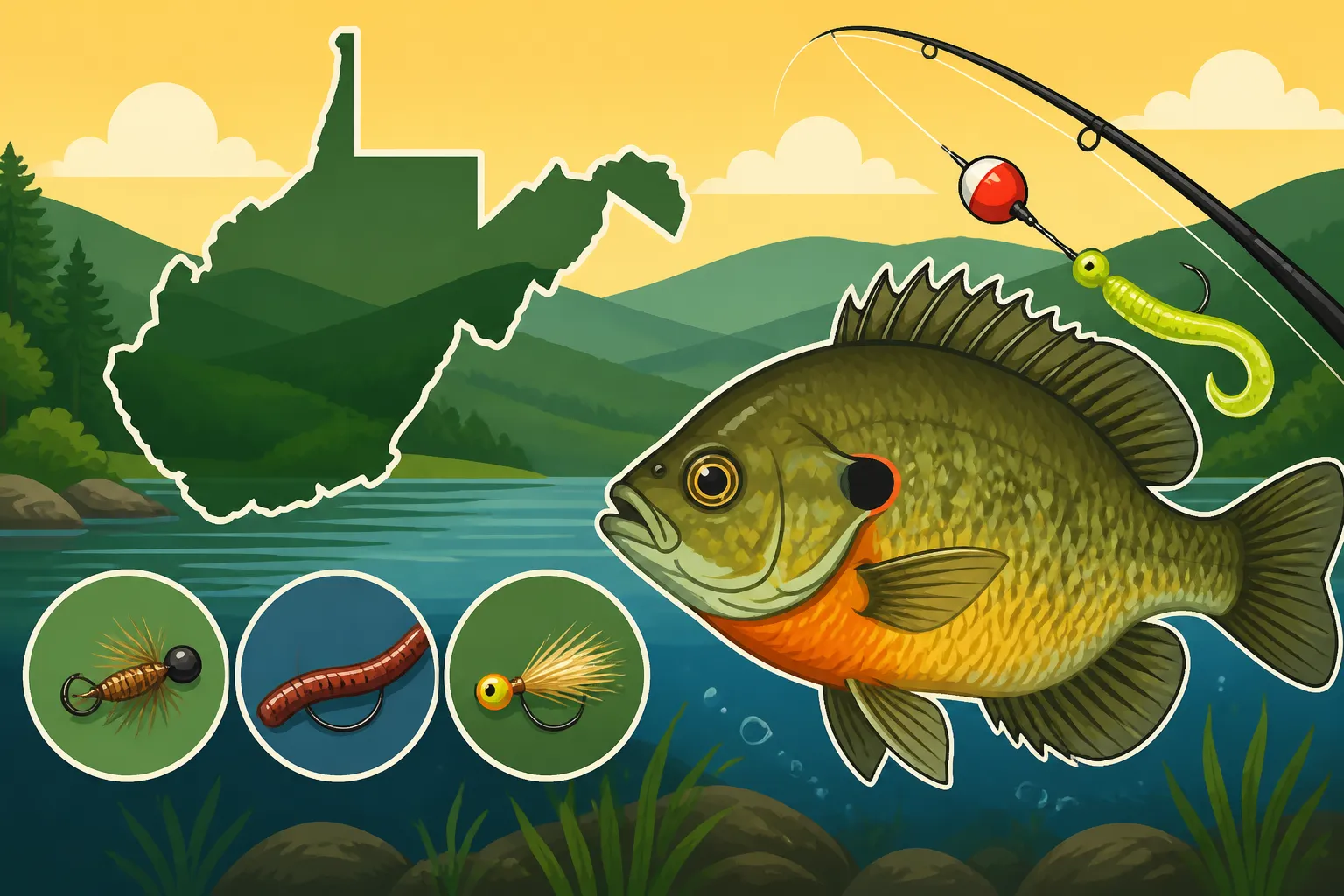
Bluegill are arguably the most iconic panfish in West Virginia, often the first fish many of us ever caught as kids. They're widespread, readily available, and a blast to catch on light tackle. Beyond bluegill, you'll also find other sunfish species like green sunfish, pumpkinseed, and redbreast sunfish, all sharing similar habitat preferences and feeding habits. They typically prefer warmer, shallower waters, often congregating around submerged structure like fallen trees, weed beds, docks, and rocky shorelines. During the spring and early summer, they move into extremely shallow areas to spawn, often creating visible "beds" or depressions in the bottom.
Their diet is quite varied, consisting of insects, insect larvae, small crustaceans, and even tiny fish. This diverse diet makes them relatively easy to tempt with a wide array of baits and lures. The key to consistent bluegill action is often finding these areas of cover and understanding their seasonal movements. Don't be fooled by their small size; a big "bream" can pull hard on an ultralight rod, making for some truly enjoyable fishing.
Chasing Crappie in Open Water and Structure
Crappie, both black and white, are another highly sought-after panfish in West Virginia, prized for their delicious fillets and often schooling behavior. Unlike bluegill, crappie tend to prefer slightly deeper water and are often found relating to vertical structure in lakes and reservoirs. This could mean submerged timber, brush piles, bridge pilings, or even deep weed lines. They are ambush predators, often holding just off the structure, darting out to snatch unsuspecting baitfish or insects.
When crappie move into shallower water, it's typically during their spring spawn. At this time, they'll congregate in protected coves or along shorelines with woody debris, making them a prime target for anglers. The rest of the year, you'll often find them suspended in the water column, sometimes in open water baitfish schools, or tight to deep cover. Their preference for schools makes them fantastic targets once you locate them; where there's one crappie, there are usually many!
Finding Yellow Perch and Other Panfish
Yellow perch are a true delicacy and a favorite among many West Virginia anglers, especially those who enjoy ice fishing. While not as universally distributed as bluegill or crappie, they can be found in many of the larger lakes and reservoirs throughout the state. They have a distinct barred pattern and a schooling nature, often roaming deeper flats, humps, and drop-offs. Yellow perch are primarily minnow eaters, though they will also consume insects and aquatic invertebrates.
Beyond these three main targets, West Virginia waters also hold other panfish like rock bass, often found in rocky river systems, and even occasional warmouth in some of the slower, weedy waters. Each offers a unique angling experience. Learning to identify these different species and their preferred haunts will significantly improve your panfish catches. For a deeper dive into their characteristics, check out our guide on a Sunfish Species Identification Guide for West Virginia
/articles/fish-species/sunfish-species-identification-guide-for-west-virginia).
Setting Up Your Panfish Arsenal
You don't need a boatload of expensive gear to catch panfish, which is part of their appeal! However, having the right basic setup can make all the difference, especially when you're trying to detect those subtle bites or cast light lures effectively.
Light Tackle for Maximum Fun
For panfish, ultralight to light spinning gear is the undisputed champion. A rod in the 5 to 6.5-foot range with a fast or moderate-fast action will provide the sensitivity needed to feel light bites and the backbone to handle surprisingly strong pulls from larger crappie or bluegill. A good ultralight rod also makes even a small bluegill feel like a heavyweight fighter, maximizing the fun factor. You'll want a small spinning reel, typically in the 500 to 1000 size class, perfectly balanced with your chosen rod. This combination allows for long, accurate casts with tiny baits and lures, which is often crucial for spooky panfish.
The beauty of light tackle is its versatility. You can switch from casting a small spinner for bluegill to jigging a tiny plastic for crappie with minimal adjustments. Many beginner anglers often start with heavier gear, and while it can catch fish, it severely limits the enjoyment and effectiveness when dealing with light-biting panfish. Investing in a dedicated ultralight setup, which you can easily find on platforms like Amazon, will dramatically improve your panfish success and overall angling experience.
Line Choices and Rigging Basics
When it comes to line, lighter is almost always better for panfish. Two to four-pound test monofilament or fluorocarbon is ideal. Monofilament is a classic choice, offering good knot strength and stretch, which can be forgiving when a panfish makes a sudden run. Fluorocarbon, while a bit more expensive, offers less stretch, excellent sensitivity, and is nearly invisible underwater, which can be a huge advantage in clear waters or when targeting wary fish. Some anglers even prefer a braided mainline (4-6 lb test) for its incredible sensitivity and castability, often paired with a short fluorocarbon leader for stealth.
Basic rigging for panfish is usually quite simple. A bobber setup is probably the most common, involving a small bobber, a few split shot weights to get your bait down, and a small hook. This allows you to present your bait at a specific depth and easily detect bites. For crappie, a simple jig head rigged with a plastic body is often all you need. We'll dive into more specific rigs in the techniques section, but remember: keep it simple, keep it light, and you'll be on your way to catching more fish.
Essential Terminal Tackle: Hooks, Weights, Bobbers
The right terminal tackle is paramount for panfish. Small, sharp hooks are a must. For bluegill and other sunfish, Aberdeen-style hooks in sizes #8 to #12 are perfect, as their thin wire allows them to penetrate easily and causes less damage to smaller fish, making catch and release easier. For crappie, a sharp jig hook is built into the jig head, usually ranging from 1/32 to 1/16 ounce.
Split shot weights, ranging from tiny #7 to #3, are essential for getting your bait down to the desired depth, especially when using a bobber. You want just enough weight to allow your bobber to stand upright without submerging it entirely. As for bobbers, a variety of small pencil, clip-on, or slip bobbers will cover most situations. Slip bobbers are fantastic when you need to fish deeper than your rod length, allowing the line to slide freely through the bobber until it hits a small stopper knot, presenting your bait at a precise, predetermined depth.
Baits and Lures That Panfish Can't Resist
Panfish aren't usually picky eaters, which is great news for anglers. However, some baits and lures are simply more effective than others, depending on the species, season, and conditions.
The Allure of Live Bait
Live bait is, for many, the undisputed king of panfish catching. It's hard to beat the natural scent and movement of a live offering. Worms, particularly small red wigglers or pieces of nightcrawlers, are bluegill magnets. Thread a small piece onto a #8 or #10 Aberdeen hook and suspend it under a bobber near some cover, and you're almost guaranteed a bite.
Minnows are the go-to live bait for crappie and yellow perch, especially during colder months. Small shiners or fathead minnows, hooked lightly through the back or lips, and fished under a slip bobber or tightlined near structure, are incredibly effective. You can often find these at local bait shops across West Virginia. While live bait requires a bit more care to keep fresh, its effectiveness is often unparalleled, especially when fish are less aggressive.
Tempting Panfish with Artificials
Don't want to deal with live bait? No problem! Artificial lures can be incredibly productive for panfish, offering the added benefit of being able to cover more water and mimic various forage. Tiny inline spinners, like those from Rooster Tail or Mepps, in sizes 0 to 1, are fantastic for active bluegill and sunfish, especially when retrieved steadily near cover. Their flashing blade and vibration often trigger aggressive strikes.
Small crankbaits or shallow-diving jerkbaits can also entice larger panfish, particularly crappie and even bigger bluegill, especially those actively feeding on baitfish. Look for lures in the 1-2 inch range that mimic minnows or small insects. These can be particularly effective when fish are scattered or holding just off the bottom. You can find a vast array of these tiny lures on Amazon, perfect for building out your tackle box without breaking the bank.
Matching the Hatch with Micro Jigs
Micro jigs are a personal favorite for many seasoned panfish anglers, offering incredible versatility and effectiveness. These tiny jigs, often weighing 1/64 to 1/8 ounce, are paired with small soft plastic bodies that imitate insects, minnows, or aquatic invertebrates. Popular styles include tube jigs, grubs, tiny swimbaits, and even spider-like creatures. The key is to present them slowly and naturally.
For crappie, jigging techniques are paramount. Small hair jigs or soft plastics on a jig head can be vertically jigged around submerged trees, bridge pilings, or brush piles. Slowly lifting and dropping the bait, or just letting it hang motionless in the strike zone, often elicits a strike. For bluegill, a tiny jig suspended under a bobber, twitched occasionally, can be irresistible. The color often matters, with bright colors like chartreuse, pink, and white working well in stained water, and more natural colors like black, brown, or olive excelling in clear conditions. These tiny jigs are especially effective when combined with the specific techniques for Jigging for Crappie in West Virginia Lakes
/articles/techniques-seasons/jigging-for-crappie-in-west-virginia-lakes).
Techniques for Different West Virginia Habitats
West Virginia offers a diverse range of fishing environments, from sprawling lakes to intimate mountain streams. Adapting your panfish techniques to these different habitats is crucial for consistent success.
Fishing Lakes and Ponds for Panfish
Lakes and ponds are classic panfish havens. For bluegill and other sunfish, focus on shallower areas with plenty of cover. Think lily pads, weed beds, submerged logs, brush piles, and docks. During the spring spawn, look for visible "beds" in 1-3 feet of water. A simple bobber rig with a worm or a tiny jig is incredibly effective here. Cast your offering near the edge of the cover or directly into pockets within the weeds, let it sit for a moment, and twitch it occasionally.
Crappie in lakes and ponds will often relate to deeper structure. During the spring, they might be found in shallower coves with submerged brush. The rest of the year, use a fish finder to locate schools suspended over deeper channels, humps, or around standing timber. Vertical jigging or slow trolling small minnows or jigs through these areas can be deadly. Pay close attention to depth; once you catch one crappie, others are usually at the exact same depth. Many of West Virginia's state park lakes are fantastic for this, offering accessible shore fishing and boat launches.
Conquering Panfish in Rivers and Streams
Fishing for panfish in rivers and streams requires a slightly different approach due to current. Bluegill and sunfish in rivers often hold in slower eddies, backwaters, and slack-water pockets behind rocks or log jams. They'll also congregate around bankside vegetation and downed trees. A bobber rig can still work, but you might need to use a slightly heavier split shot to keep your bait from washing away too quickly. Casting small inline spinners upstream and retrieving them with the current, allowing them to swing into eddies, can also be very productive for aggressive river panfish.
Crappie in larger rivers, like the Kanawha or Ohio, will often be found in calmer sections, often near tributary mouths, marinas, or around deep structural elements like bridge pilings or submerged barges. They behave similarly to lake crappie, seeking vertical cover and ambush points. For river techniques, especially for black bass and muskie, you might find useful insights in our guides like How to Catch Smallmouth Bass in West Virginia Rivers
/articles/techniques-seasons/how-to-catch-smallmouth-bass-in-west-virginia-rivers) or the general West Virginia Fishing Seasons by Month
/articles/techniques-seasons/west-virginia-fishing-seasons-by-month).
Shore Fishing vs. Boat Fishing Approaches
Both shore fishing and boat fishing offer excellent opportunities for panfish in West Virginia. Shore anglers often have great success targeting bluegill and sunfish in public ponds and accessible lake coves. Focus on areas with easy access to cover – docks, overhanging trees, and visible weed lines. A long, sensitive ultralight rod can help you cast further and reach more distant cover from the bank.
Boat anglers, whether in a full-sized bass boat, a jon boat, or a kayak, have the advantage of mobility. This allows you to explore vast stretches of water, target deeper structure, and follow fish schools. Kayak fishing, in particular, offers a stealthy approach to get into shallow, hard-to-reach areas that often hold big panfish. When fishing from a boat, always pay attention to your electronics to spot schools and structure, and anchor quietly when you find a promising spot.
Seasonal Strategies for Panfish Success
Panfish behavior changes significantly throughout the year, driven primarily by water temperature and spawning cycles. Understanding these seasonal patterns is key to year-round success.
Spring Spawning Frenzy Techniques
Spring is arguably the best time to target panfish in West Virginia, especially bluegill and crappie, as they move shallow to spawn. As water temperatures rise into the 60s, bluegill will create visible circular "beds" in shallow, protected coves and flats. These fish are aggressive and highly concentrated. A simple bobber and worm rig, or a tiny jig, cast directly onto or near the beds, will often get an immediate bite. It's a fantastic time to take kids fishing!
Crappie will also move into shallow, brushy coves and along shorelines with submerged wood in the spring. Look for them in 2-6 feet of water. Small jigs, minnows under a bobber, or even tiny spinnerbaits can be incredibly effective. The crappie bite can be fast and furious during this period, offering some of the best action of the year. For more specific information, check out our guide on Spring Trout Fishing Techniques for West Virginia Streams
/articles/techniques-seasons/spring-trout-fishing-techniques-for-west-virginia-streams) – while it's about trout, the general principles of spring fishing for eager fish can apply.
Summer Deep-Water and Structure Tactics
As summer heats up, bluegill may retreat to slightly deeper water or seek shade under docks, lily pads, and dense weed beds. They're still catchable in the shallows during early morning and late evening, but midday often requires targeting them in shade or deeper pockets. Crappie will typically move to deeper, cooler waters, often suspending over main lake channels, congregating around submerged brush piles (often placed by anglers), or holding tight to deep timber.
For summer crappie, a fish finder becomes invaluable. Look for baitfish schools and crappie arches suspended at specific depths. Vertical jigging small plastics or live minnows is a prime tactic. For bluegill, try dropping a small worm or cricket next to a dock post or deep into a weed line. Night fishing can also be surprisingly productive for both crappie and bluegill in summer, as they become more active when the water cools and boat traffic subsides.
Fall Feasting and Transition Zone Fishing
Fall is a fantastic time for panfish in West Virginia. As water temperatures cool, baitfish schools become more active, and panfish like crappie and perch go on a feeding frenzy to fatten up for winter. Crappie will often move to transitional areas – points, humps, and creek channels that connect shallow bays to deeper main lake basins. They'll often be found near the same type of structure as summer, but potentially shallower or more spread out. Slow trolling or casting small crankbaits and jigs can cover water effectively.
Bluegill remain active, often found in shallower areas during the warmer parts of the day, but may move deeper as cold fronts pass. They'll still respond well to worms and small jigs near cover. Yellow perch often become more accessible in fall, roaming open water flats and feeding aggressively on minnows. This is a great time to experiment with small blade baits or jigging spoons for perch.
Winter and Ice Fishing for Panfish
When the ice forms on West Virginia lakes and ponds, panfish become a primary target. Ice fishing for panfish is a specialized and incredibly rewarding endeavor. Bluegill, crappie, and especially yellow perch, gather in schools and hold in specific areas under the ice. Bluegill often prefer shallower flats with weeds or soft bottoms, while crappie are usually found suspended over deeper basins or near submerged timber. Yellow perch often roam vast, open flats, following baitfish.
Tiny jigs, often tipped with a maggot, wax worm, or a small piece of bait, are dropped through holes in the ice. Ultra-sensitive ice rods allow you to detect the often subtle "light" bites of cold-water panfish. The key is to drill multiple holes and move frequently until you locate a school. For a comprehensive look into this chilly pursuit, check out our guides on Ice Fishing in West Virginia
/articles/techniques-seasons/ice-fishing-in-west-virginia) and Best Techniques for Ice Fishing Panfish
/articles/techniques-seasons/best-techniques-for-ice-fishing-panfish). It's a challenging but highly rewarding way to extend your fishing season!
Here's a quick reference table for panfish species and their preferred techniques:
| Species | Preferred Habitat (General) | Best Baits / Lures (General) | Key Season (Most Active) |
|---|---|---|---|
| Bluegill | Shallow, weedy areas, docks, submerged brush | Worms, crickets, small jigs, tiny spinners | Spring/Early Summer |
| Crappie | Vertical structure, brush piles, standing timber | Minnows, small jigs, tiny crankbaits | Spring/Fall |
| Yellow Perch | Deeper flats, humps, open water schools | Minnows, jigging spoons, blade baits | Fall/Winter (Ice) |
| Rock Bass | Rocky streams, river eddies, rip-rap | Small crawfish imitations, worms, spinners | Spring/Summer |
Leveling Up Your Panfish Game
While panfish are often considered "beginner" fish, there's a lifetime of learning to be had. If you're looking to consistently catch bigger fish or simply refine your approach, these advanced tips can make a huge difference.
Reading the Water and Locating Schools
The most consistent panfish anglers aren't just lucky; they understand how to "read the water" and actively search for fish. This means looking for visible cover like lily pads, downed trees, and docks for bluegill. For crappie, it means using your electronics to scan for baitfish schools, changes in bottom contour, and submerged structure. If you see birds diving, that's often a sign of baitfish near the surface, and crappie or perch might be lurking below.
Don't be afraid to move! If you're not getting bites within 15-20 minutes, especially in a new spot, pick up and try somewhere else. Fan-casting (casting to different areas from one spot) can help you find where fish are holding. Once you catch one fish, try to replicate that cast or depth, as panfish often school together. The ability to quickly locate fish is a game-changer, moving you from occasionally catching fish to consistently finding them.
Approaches for Bigger, Trophy Panfish
Ever felt like you're just catching tiny bluegills when you know there are slabs out there? Targeting larger panfish requires a slight shift in strategy. Big bluegill, often called "dinner plates," tend to be more wary and prefer deeper, more substantial cover than their smaller counterparts. They'll still eat worms, but sometimes a slightly larger presentation, like a small minnow or a bigger soft plastic jig, can deter the smaller fish and attract the more aggressive, larger ones.
For crappie, trophy-sized individuals are often found a bit deeper and tighter to structure. They also tend to be more solitary or in smaller schools of larger fish. Patience is key here. Focus on precise presentations around known crappie haunts, and consider using live minnows that are a bit larger than what you'd use for smaller crappie. Remember, some of the best fishing lakes in West Virginia are known for their trophy crappie, such as those covered in Best Lakes for Trophy Crappie in West Virginia
/articles/fish-species/best-lakes-for-trophy-crappie-in-west-virginia).
Conservation and Responsible Angling
While panfish are abundant, it's always important to practice responsible angling. Only keep what you'll eat, and be mindful of local West Virginia fishing regulations regarding creel limits and size restrictions for various species. Releasing larger, older fish can help maintain healthy populations and ensure great fishing for future generations. When handling fish for release, minimize their time out of water, use wet hands, and support their body weight.
For specific regulations, always consult the official West Virginia Fishing Regulations Explained
/articles/regulations-licenses/west-virginia-fishing-regulations-explained) provided by the West Virginia Division of Natural Resources (WVDNR). Keeping your skills sharp and your impact low ensures that West Virginia's panfish opportunities remain exceptional for everyone who loves to fish.
Disclaimer
Please remember that fishing conditions and regulations can change. Always consult the latest West Virginia Division of Natural Resources (WVDNR) official regulations and advisories before heading out on the water. Stay safe and enjoy your time fishing!