Best Time of Day to Catch Walleye in West Virginia
Trying to figure out the perfect moment to cast your line for West Virginia walleye can feel like cracking a secret code. You've heard whispers of dawn and dusk, but what about those other times? What if you can only fish in the middle of the day? It’s frustrating when you’re out on the water, putting in the time, and not getting results because you might be missing that critical window. This comprehensive guide is here to demystify the best times of day to catch walleye in West Virginia, giving you the insights to make every fishing trip more productive.
Understanding Walleye Behavior and Their Daily Rhythms
Walleye are notoriously light-sensitive, and this fundamental trait dictates a huge portion of their daily activity. Unlike some other fish that might happily chase baits under a blazing sun, walleye generally prefer lower light conditions. Their large eyes are adapted to gather light efficiently, giving them a significant advantage over their prey species when the sun isn't high in the sky. This biological advantage drives their feeding patterns and explains why certain times of day are far more productive than others.
The Role of Light Sensitivity in Walleye Feeding
Imagine wearing sunglasses indoors – that's often how bright sunlight can feel to a walleye. Their eyes have a special layer called the tapetum lucidum, which enhances their vision in dim light, but it becomes a hindrance in bright conditions. This means that during the brightest parts of the day, walleye often retreat to deeper, darker water or seek out heavy cover like submerged timber, rock piles, or dense weeds. They're not necessarily "off the bite" completely, but they're certainly less inclined to roam and actively hunt.
This inherent sensitivity explains why the bite often turns on like a switch as the sun begins to set, or just before it peeks over the horizon. When the light levels drop, their world suddenly becomes much clearer, and they gain the upper hand over baitfish. Understanding this is key to successfully targeting these elusive fish, whether you're on Summersville Lake or the Ohio River. Knowing their comfort zone helps you predict their location and activity levels throughout the day.
Walleye Habitat Preferences by Time of Day
During those bright, sunny hours, walleye typically stick to structural elements that offer shade and cover. This could be the deep side of a sharp drop-off, the shady side of a submerged island, or nestled within thick weed beds that block out the sun's intensity. As light levels decrease, they become more audacious. They'll venture out of their deep-water sanctuaries and move shallower, often following baitfish into areas like flats, points, and humps where they can actively ambush prey.
For example, on a clear, sunny afternoon at Tygart Lake, you might find walleye hugging the bottom in 30-40 feet of water near a channel edge. But as dusk approaches, those same fish might push up to 10-15 feet to feed on baitfish that are also moving shallower. This movement is a predictable pattern that anglers can exploit, and it’s why understanding the specific time of day is so crucial for catching walleye in West Virginia.
Prime Time for Walleye: Dawn and Dusk
There's a reason why early mornings and late evenings are almost legendary among walleye anglers – it's because these are indeed the golden hours. The transition from darkness to light and vice versa creates the ideal conditions for walleye to hunt, making them significantly more active and aggressive. If you can only pick one time to fish, these low-light periods are your best bet.
The Magic of Twilight: First Light and Last Light
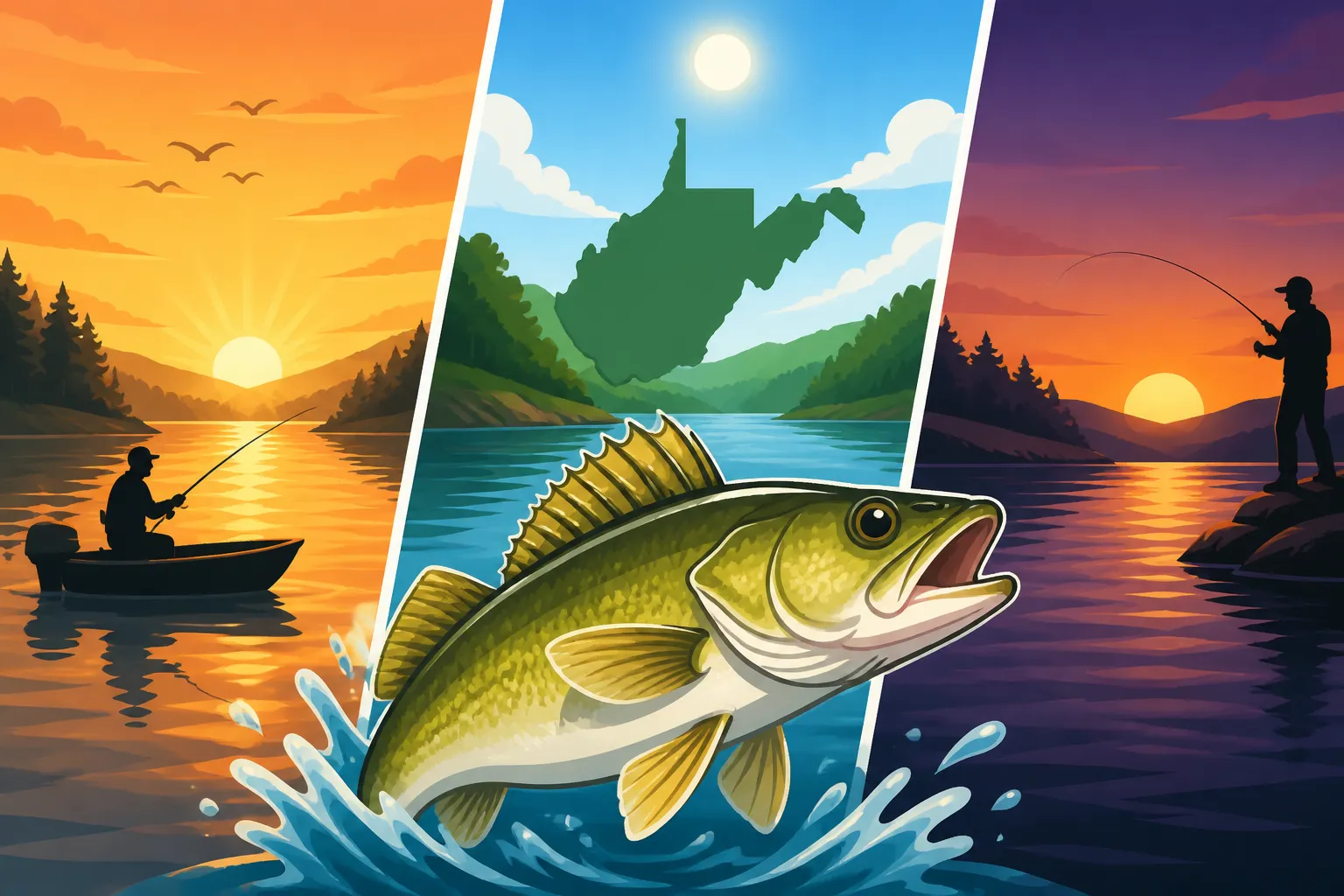
The period often referred to as "first light" – roughly 30 minutes before and an hour after sunrise – is consistently one of the most productive times. As the sky brightens, but before the sun's direct rays hit the water, walleye move out of their deeper holding patterns. They're hungry from the night, and the fading darkness gives them that visual edge. This is a fantastic time for casting shallow-running crankbaits, jigging along break lines, or even trolling in shallower depths where baitfish are congregating.
Similarly, "last light," which encompasses the hour before and after sunset, is another incredible window. The declining light mirrors the morning, providing that crucial competitive advantage for the walleye. Many anglers find the evening bite to be even more aggressive than the morning, as walleye are fueling up for a long night or making a final push before total darkness. This is when they might be found chasing schools of shad or other baitfish right up to the edges of weed lines or rocky points.
Adapting Techniques for Low-Light Conditions
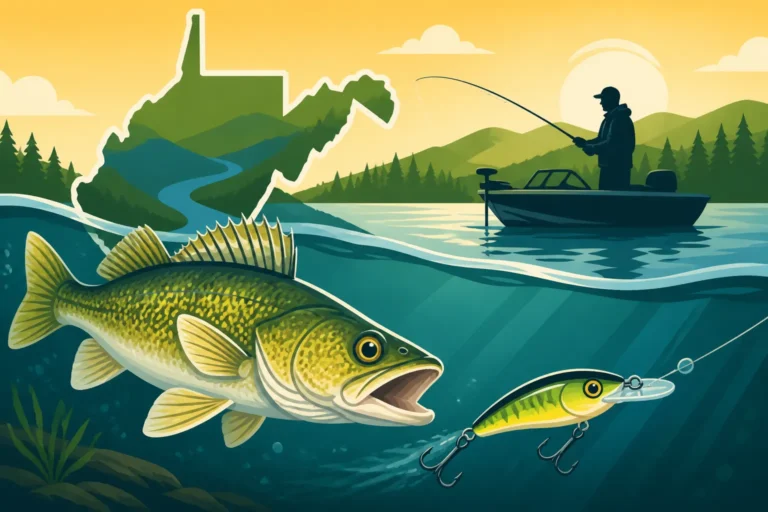
During these prime times, walleye are often more willing to chase, so presentation can be a bit more aggressive. Consider bright or dark lures that create a strong silhouette against the changing light. Firetiger, chartreuse, or even solid black can be incredibly effective. For those who enjoy Trolling Techniques for West Virginia Lake Walleye, these are excellent periods to cover water efficiently, often with crankbaits that dive to the depths where walleye are actively feeding.
Jigs tipped with live minnows, nightcrawlers, or soft plastics are also fantastic choices. The key is to be present when the light is right and to match your presentation to the active, hunting fish. Many anglers swear by using a specific lure during these times; you can often find a wide array of effective walleye jigs and crankbaits on Amazon that are perfect for these low-light feeding windows.
Daytime Walleye Strategies
So, what if your schedule doesn't permit those coveted dawn or dusk trips? Don't despair! While the bite might be tougher, catching walleye during the brighter parts of the day is absolutely possible in West Virginia. It just requires a different approach, focusing on where walleye retreat to escape the light and how they might still feed opportunistically.
Targeting Deep Water and Structure
When the sun is high, walleye aren't generally shallow and actively cruising. Instead, they’ve often descended to the deepest, coolest, and shadiest parts of the lake or river. This means focusing your efforts on significant underwater structure: deep humps, channel edges, submerged islands, sharp drop-offs, and deep points. These areas provide the overhead cover or depth they need to feel secure from the bright light.
For instance, on Stonewall Jackson Lake, targeting the deep edges of submerged timber or the main lake channel can be productive midday. Using your electronics to locate schools of baitfish and any nearby walleye suspended near them is critical. Vertical jigging with heavy spoons or blade baits, or slowly dragging bottom bouncers with crawler harnesses, can coax bites from these deeper-holding fish. Remember, patience is a virtue when fishing the brighter hours; bites will often be subtle.
The Impact of Overcast Skies and Choppy Water
One major exception to the "deep and dark" rule for daytime walleye is when the weather provides natural low-light conditions. Overcast days, especially those with a steady drizzle or even a light rain, can significantly extend the prime feeding windows throughout the day. The clouds act like a giant diffuser, reducing light penetration and making walleye much more comfortable in shallower water.
Similarly, choppy water caused by wind breaks up the surface, making it harder for light to penetrate and for walleye to see clearly into the sky. This turbulence can also disorient baitfish, making them easier targets. On such days, don't be afraid to fish shallower flats, windy points, and even shorelines that are typically only productive at dawn or dusk. These conditions can turn an otherwise slow midday into a hot bite. Always keep an eye on the weather forecast; cloudy or windy days are goldmines for daytime walleye.
Night Fishing for Walleye
For many dedicated walleye anglers, the true magic happens after the sun has completely disappeared. Night fishing for walleye is not only productive but also offers a unique, tranquil experience on the water. Given their exceptional low-light vision, walleye become absolute predators under the cover of darkness. This can be especially true during the warmer summer months when daytime temperatures make them sluggish.
The Advantages of Fishing After Dark
The primary advantage of night fishing is that you’re playing directly into the walleye's strengths. With no sunlight to bother them, they'll often move into incredibly shallow water – sometimes just a few feet deep – to feed on baitfish that are also drawn to the shallows or illuminated areas. This makes them much more accessible than their deep, daytime counterparts. You also often find less fishing pressure at night, giving you more space and undisturbed water.
Another benefit, particularly in popular fishing areas like the Ohio River, is the reduction in boat traffic. Without the constant rumble of pleasure boats, the water becomes calmer, and the fish are often less spooky. This can lead to more consistent bites and a more relaxed fishing experience. You’ll be surprised at how much more confident walleye are in the dark, often hitting lures with a ferocity rarely seen during the day.
Essential Gear and Techniques for Night Success
Night fishing requires some specialized gear to ensure safety and success. A good headlamp is non-negotiable, and it’s smart to have a backup, along with boat lights if you're in a vessel. Beyond lighting, focusing on baits that create vibration or strong silhouettes is crucial. Dark-colored crankbaits, jigging spoons, or even large soft plastics retrieved slowly can be deadly. Live bait, such as a large shiner or nightcrawler under a bobber, is also exceptionally effective, especially when fished near dock lights or natural congregation points for baitfish.
Noise discipline is paramount at night. Sound travels further over calm water, and even a dropped tackle box can spook fish. Move stealthily and use your headlamp sparingly, ideally only when retying or landing a fish. For those considering Night Fishing Techniques for West Virginia Lakes, having a reliable fish finder, easily available on Amazon, can still help identify structure and schools of baitfish, even if you’re fishing shallower than during the day.
Seasonal Variations in Walleye Activity
While dawn and dusk remain prime, the "best time of day" for walleye fishing in West Virginia isn't a static concept throughout the year. Different seasons bring different water temperatures, spawning behaviors, and metabolic rates, all of which influence when and where walleye are most active during the 24-hour cycle. Understanding these seasonal shifts is key to consistent success.
Spring: Spawning Runs and Post-Spawn Recovery
In spring, particularly as the water temperatures rise into the 40s and 50s Fahrenheit, walleye move into shallower areas to spawn. This pre-spawn and spawning period is an incredible time to target them, and their activity can often extend throughout the day, especially on overcast days. Rivers like the Ohio and deeper sections of the Kanawha see significant walleye migrations during this time. The Walleye Spawning Season in West Virginia is a critical window to understand for targeting these fish.
After spawning, walleye undergo a recovery period, often returning to slightly deeper water but remaining relatively shallow compared to summer. The early morning and late evening bites are still strong, but they might also be active during cooler, cloudy spring days as they recuperate and feed aggressively to regain energy. Focus on rocky points and flats adjacent to deeper water during these periods.
Summer: Deep Water and Night Feeding
As West Virginia waters warm up significantly in summer, walleye generally retreat to cooler, deeper sections of lakes and rivers during the brightest parts of the day. This makes midday fishing challenging, often requiring How deep to troll for walleye at Tygart Lake or other deep-water tactics. You'll find them hugging thermoclines or congregating around deep structure like channel bends or drop-offs.
However, summer nights can be incredibly productive. With cooler surface temperatures and complete darkness, walleye will often move right up to the shallow flats and shorelines to feed. This is when the night bite truly shines, offering some of the most consistent action. Early morning before the sun gets high can also be excellent, as fish move back to their deeper haunts. For instance, finding the Best Time of Day to Catch Walleye at Stonewall Jackson Lake in summer often means hitting it hard from late evening until the pre-dawn hours.
Fall: Feeding Frenzies and Shorter Days
Fall is arguably one of the best times of year to fish in West Virginia for walleye. As water temperatures begin to cool, walleye enter a major feeding period to build up fat reserves for winter. The shorter days also mean extended low-light conditions. During this period, walleye are often active for longer stretches, and the midday bite can improve, especially on cloudy or windy days.
They'll often be found transitioning between shallow feeding areas and deeper holding patterns throughout the day, following schools of baitfish. Trolling with large crankbaits and jigging blade baits or spoons can be highly effective. The Best Time of Year to Fish in West Virginia for walleye, for many, is definitely autumn, offering a fantastic blend of active fish and more comfortable fishing conditions.
Winter: Slow Metabolism and Ice Fishing
Winter fishing for walleye in West Virginia, particularly through the ice on lakes like Spruce Knob Lake (where ice fishing is possible), is a completely different ballgame. Walleye metabolism slows down significantly in cold water, making them less active. The "best time of day" often shifts to the warmest part of the day, typically late morning to mid-afternoon, when slight increases in light or water temperature might trigger a bite.
On open water, deeper jigging or slow trolling with live bait can still produce, but presentations need to be much slower and more subtle. Don't expect aggressive strikes; winter bites are often just a slight "thump" or added weight on your line. However, for those brave enough to venture out, the reward can be some of the biggest walleye of the year.
Factors Influencing Daily Walleye Activity
Beyond the standard dawn and dusk, a myriad of environmental factors can significantly alter the best time to catch walleye on any given day. Ignoring these elements can lead to frustrating outings, while paying attention to them can turn a slow day into a memorable one. Successful walleye anglers are constantly evaluating these variables and adjusting their strategies accordingly.
Weather Patterns and Barometric Pressure
Sudden changes in weather, particularly the movement of high and low-pressure systems, have a profound effect on fish activity, and walleye are no exception. Generally, a stable or slowly dropping barometric pressure (often associated with approaching storms or cloudy weather) tends to make walleye more active, extending their feeding windows. Conversely, a rapidly rising pressure after a front has passed, bringing clear skies and high pressure, often shuts down the bite.
On days with stable, low pressure, you might find walleye feeding actively throughout the late morning and early afternoon, whereas under high, bluebird skies, they might stick strictly to their deep, low-light haunts. Always check the forecast before you go, not just for safety, but to anticipate how the fish might behave. A few days after a major front has passed can be particularly tough, making those prime low-light hours even more critical.
Water Clarity and Temperature
Water clarity plays a huge role in walleye feeding times. In clear water, their light sensitivity is amplified, meaning they'll stick even more rigidly to low-light periods or deep, shaded areas. In stained or murky water, however, the reduced light penetration means they might be active in shallower water for much longer periods throughout the day. This is why you often hear of great walleye bites in stained river systems even during midday.
Water temperature also dictates their comfort zones and metabolism. Walleye are cool-water fish, preferring temperatures between 60-70°F (15-21°C). When temperatures are within this optimal range, they are generally more active and feed more consistently. During extreme cold or heat, their activity slows, and they might concentrate their feeding into shorter, more specific windows, like the dead of night in summer or midday in winter. Understanding the best water temperature for walleye is crucial for predicting their daily movements and feeding patterns.
Moon Phases and Solunar Tables
While not as universally accepted as light and temperature, many seasoned walleye anglers swear by the influence of moon phases and solunar tables. The theory suggests that fish activity is heightened during major and minor feeding periods, which are linked to the moon's position relative to the earth. Major periods usually occur around moonrise and moonset, and minor periods around the moon's overhead and underfoot positions.
For walleye, especially during the darker phases of the moon (new moon), night fishing can be exceptionally good. The total darkness might make them more aggressive. During full moon periods, the extra light at night might make them feed more shallow during those hours, but potentially push them deeper during the day due to the overall increased ambient light. While not a guarantee, checking a solunar table before your trip, perhaps even on your phone with a fishing app you can find on Amazon, might give you an extra edge, particularly when planning your approach for a West Virginia Walleye Daily and Possession Limits trophy.
Key Walleye Waters in West Virginia
Knowing the best time of day is only half the battle; you also need to know where to find these elusive fish. West Virginia offers several fantastic walleye fisheries, each with its own characteristics that influence the daily bite. Targeting the right body of water with the right approach at the right time is the ultimate recipe for success.
Lakes Known for Productive Walleye Fishing
West Virginia is home to several lakes that boast healthy walleye populations, offering diverse fishing experiences.
- Summersville Lake: As the largest lake in West Virginia, Summersville offers incredible walleye opportunities. Its clear, deep waters often mean that daytime walleye fishing focuses on deep structure, especially during sunny conditions. However, the dawn, dusk, and night bites can be phenomenal as walleye move onto the numerous points and humps. Knowing the Best Fishing Lakes in West Virginia for walleye usually puts Summersville at the top of the list.
- Tygart Lake: Another excellent walleye fishery, Tygart Lake is known for its deep, clear water. Anglers here often employ trolling techniques with crankbaits or deep jigging spoons to target walleye that suspend in the water column or relate to the lake's abundant submerged timber. Early mornings and late evenings are prime, but deep-water strategies can work during the day.
- Stonewall Jackson Lake: While renowned for its bass fishing, Stonewall Jackson also holds a good population of walleye. The lake's abundant standing timber and deep channels provide excellent habitat. Look for walleye relating to these deeper structures during the day and moving to the edges of flats during low-light periods. Stonewall Jackson Lake Fishing offers a good challenge for walleye anglers.
River Systems and Tailwater Opportunities
Beyond the lakes, West Virginia's rivers also present unique chances to catch walleye, especially during certain seasons.
- Ohio River: The Ohio River is a powerhouse for walleye fishing, particularly in its deeper pools and around its many locks and dams. Walleye here are often found in current breaks, eddies, and tailwaters. The bite can be consistent through various times of day, especially on overcast days or in stained water, but dawn and dusk around structure and current seams are particularly good. You can find more specific rules regarding the Ohio River Walleye Aggregate Limit for West Virginia Anglers.
- Kanawha River: While often overlooked for walleye, the deeper sections of the Kanawha River can yield impressive results, especially during spring spawning runs and in the cooler months. Walleye here often relate to rocky bottoms and current breaks, and can be caught at similar times to the Ohio River.
- New River Gorge: Although more famous for smallmouth bass, certain sections of the New River Gorge can produce walleye, particularly in deeper pools and slower stretches. They tend to be more elusive here, but the same principles of low-light feeding apply.
Regardless of the body of water, understanding the specific characteristics of that fishery – its depth, clarity, structure, and prevalent baitfish – combined with the general walleye behavior patterns will significantly increase your chances of success.
Table: Walleye Activity by Time of Day and Season
To help you visualize the optimal times, here’s a quick overview of when walleye are generally most active throughout the day, depending on the season and light conditions. Remember, these are general guidelines, and local conditions always play a role!
| Time of Day | Spring (Cool/Spawning) | Summer (Warm) | Fall (Cooling/Feeding) | Winter (Cold) |
|---|---|---|---|---|
| Pre-Dawn/Dawn | Excellent, very active | Excellent, very active | Excellent, very active | Good, but slow |
| Morning (Sunny) | Fair, deeper areas | Poor, very deep/cover | Good, deeper areas | Fair, warmest part |
| Morning (Overcast/Windy) | Excellent, may be shallow | Fair, deep/structure | Excellent, may be shallower | Good, warmest part |
| Midday (Sunny) | Poor, deep/cover | Very Poor, deepest cover | Fair, deep/structure | Poor, deepest spots |
| Midday (Overcast/Windy) | Good, deeper areas | Fair, deep/structure | Excellent, active | Fair, warmest part |
| Afternoon (Sunny) | Fair, deeper areas | Poor, very deep/cover | Good, deeper areas | Fair, warmest part |
| Afternoon (Overcast/Windy) | Excellent, may be shallow | Fair, deep/structure | Excellent, may be shallower | Good, warmest part |
| Dusk/Post-Dusk | Excellent, very active | Excellent, very active | Excellent, very active | Good, but slow |
| Night (Dark) | Good to Excellent | Excellent, very active | Excellent, very active | Fair, but can be tough |
This table should give you a quick reference point when planning your next trip. Always cross-reference with local reports and conditions for the most accurate information.
Conclusion: Mastering the Clock for West Virginia Walleye
Catching walleye in West Virginia isn't just about having the right lure or being on the right lake; it's profoundly about being there at the right time. By understanding their light sensitivity, daily movements, and how these factors shift with the seasons, you can dramatically improve your success rate. While dawn and dusk are almost always your best bet, savvy anglers know how to adapt their strategies to find fish during midday, or embrace the magic of night fishing.
So next time you head out, whether it's to Summersville Lake, Tygart Lake, or the mighty Ohio River, don't just guess. Pay attention to the clock, the weather, and the water conditions. Equip yourself with the knowledge of when walleye bite, and you'll be well on your way to adding more of these prized fish to your West Virginia fishing memories. And don't forget to always check the West Virginia Fishing Regulations Explained before you hit the water!
Disclaimer
Fishing conditions and regulations in West Virginia can change. Always consult the latest West Virginia Division of Natural Resources (WVDNR) official regulations before fishing to ensure compliance with all laws and to stay informed about any seasonal closures, creel limits, or special area rules. The information provided in this guide is for general educational purposes only.