West Virginia Fishing Seasons by Month
It can feel incredibly frustrating to plan a fishing trip in West Virginia, only to arrive and find that your target species isn't biting, or worse, that the season for them is closed. The Mountain State’s diverse waters and varied climate mean that what works one month might be completely ineffective the next. This comprehensive guide will walk you through West Virginia's fishing seasons month by month, helping you understand when and where to find your favorite fish, what techniques to use, and how to adapt to the changing conditions.
Understanding West Virginia's Dynamic Fishing Calendar
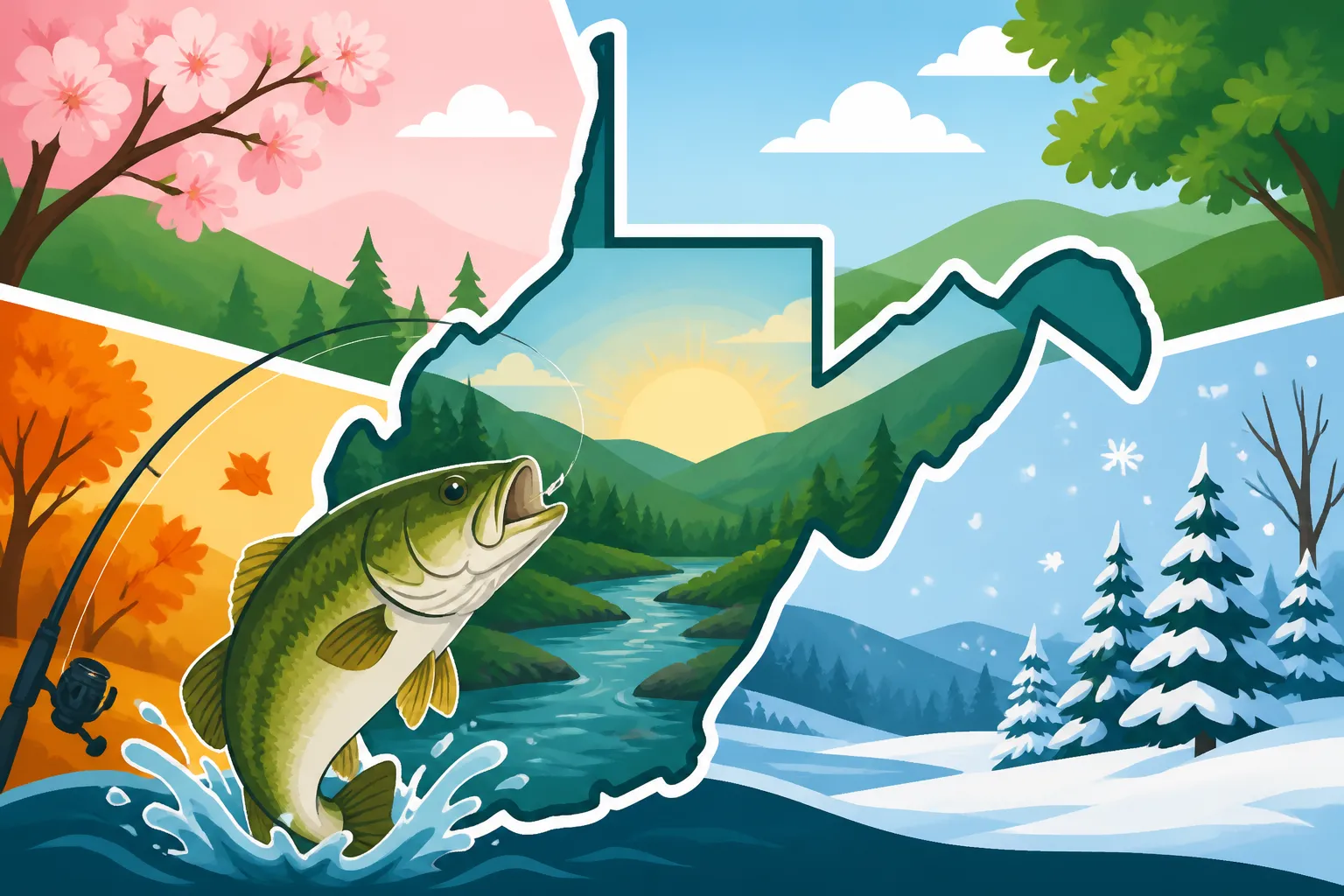
West Virginia, with its stunning Appalachian landscape, offers an incredible array of fishing opportunities. However, this isn't a static environment. The weather, water temperatures, and fish behaviors change dramatically throughout the year, making a clear understanding of the seasonal calendar absolutely crucial for consistent success on the water.
The Influence of Appalachian Weather
Our weather here in West Virginia is a huge driver of the fishing seasons. We experience four distinct seasons, often with abrupt transitions, and these shifts have a profound impact on water temperatures, oxygen levels, and, consequently, fish metabolism and activity. For instance, a sudden cold snap in spring can push back a bass spawn by weeks, while a warm, dry summer can lead to low water levels in our mountain streams, making trout fishing challenging. Knowing that a hot, humid July afternoon might mean sluggish bass in shallow water, but potentially an excellent opportunity for catfish in deeper pools, helps you strategize. The elevation changes across the state also play a significant role; a river in the eastern panhandle might be ready for smallmouth bass a couple of weeks before a similar river in the higher elevations of the Allegheny Mountains.
Key Factors Driving Seasonal Changes
Beyond just the air temperature, several other critical factors influence the fishing calendar. Water temperature is probably the most important for fish activity. Each species has an optimal temperature range for feeding and spawning. For example, trout thrive in colder water, typically below 65°F (18°C), while warm-water species like bass and catfish become much more active as temperatures rise above 60°F (15°C). Water levels and clarity, often dictated by rainfall and snowmelt, also play a huge role. High, muddy water after heavy rains can push fish into eddies and slack water, making them harder to find, while low, clear water demands a much stealthier approach and often lighter tackle. The photoperiod, or the length of daylight, also triggers natural biological processes like spawning migrations and major feeding periods as fish prepare for winter or the rigors of reproduction. Understanding these factors allows anglers to predict fish behavior more accurately, regardless of the calendar date.
General Species Behavior by Season
Fish species react differently to the changing seasons. Cold-water species, primarily trout, are most active during the cooler months of spring and fall, and during the winter if waters don't freeze solid. Warm-water species like largemouth and smallmouth bass, walleye, muskie, and panfish become incredibly active as waters warm in spring, hitting their peak during the summer before a final aggressive feeding push in the fall. Catfish, though often catchable year-round, really come alive in the warm summer nights. Understanding these broad patterns is the first step in tailoring your approach. For instance, you wouldn't expect to catch a trophy smallmouth bass shallow in January, just as you wouldn't expect a robust trout bite in a low-elevation stream in August.
Winter Wonders: January, February, March
Don't let the chill of winter deter you; West Virginia still offers fantastic fishing opportunities if you know where to look and what to target. These months are often overlooked, but for the dedicated angler, they can be incredibly rewarding.
Hardwater Opportunities: Ice Fishing
For many anglers, winter means hanging up their rods, but for others, it's prime time for ice fishing. While West Virginia isn't renowned for widespread ice fishing opportunities like some northern states, dedicated anglers can find success on smaller, higher-elevation lakes and ponds that consistently freeze over with safe ice. Places like Spruce Knob Lake, Summit Lake, and Trout Pond in the Monongahela National Forest are popular choices. The target species are typically panfish—bluegill, crappie, and yellow perch—which can be incredibly active under the ice. Trout are also often found in these waters. You'll need specialized gear, including an ice auger, short rods, and small jigs tipped with wax worms or minnows. Safety is paramount when ice fishing; always check ice thickness, ideally at least 4 inches for individual foot travel, and be aware of changing conditions. It's a unique experience, bundled up against the cold, watching your bobber for the slightest twitch. If you're new to it, consider going with experienced anglers. You can learn more about Ice Fishing in West Virginia to get started safely.
Early Trout Stocking Excitement
As late winter gives way to early spring, typically starting in late January or February, the West Virginia Division of Natural Resources (WVDNR) kicks off its annual trout stocking program. This is a highly anticipated event for many anglers, bringing fresh, feisty rainbow, golden rainbow, and sometimes brown trout to accessible streams and lakes across the state. These early stockings can be a fantastic way to beat the cabin fever and get some immediate action. The fish are often hungry and less wary than later in the season. Popular baits include PowerBait, corn, salmon eggs, and small spinners or spoons. Streams like Shavers Fork, Williams River, and Cranberry River see early stockings, as do many state park lakes. Keeping an eye on the official West Virginia Trout Stocking Hotline and Schedule is key to timing your trips perfectly. The water is usually cold, so presentation needs to be slow, and fish tend to hold in deeper pools or slower current where they expend less energy.
Pre-Spawn Movement for Walleye and Muskie
While the water is still very cold, larger predatory fish like walleye and muskie begin to stir in preparation for their spring spawning rituals. Walleye typically spawn very early in the spring, often when water temperatures are still in the low 40s (Fahrenheit), in rivers or rocky areas of lakes. In late winter, they'll start staging in deeper sections of rivers or near dam tailwaters. This can be an excellent time to target them with vertical jigging spoons or heavy jigs, as they feed aggressively to build energy. The Ohio River, Tygart Lake, and Sutton Lake are prime spots. Muskie, while also a cool-water species, will begin to move from their deep winter haunts to shallower areas, especially rocky points or areas with submerged timber, seeking out food. They are often less active but can be caught with slow retrieves of large crankbaits or glide baits. While not a numbers game, catching a winter muskie is a true trophy. Knowing the precise timing of these pre-spawn movements can give you a significant advantage when targeting these elusive giants.
Spring Spectacle: April, May, June
Spring in West Virginia is a vibrant explosion of life, and for anglers, it's arguably the most exciting time of year. With warming waters, longer days, and abundant food, fish activity reaches its peak.
Prime Time for Trout and Delayed Harvest Waters
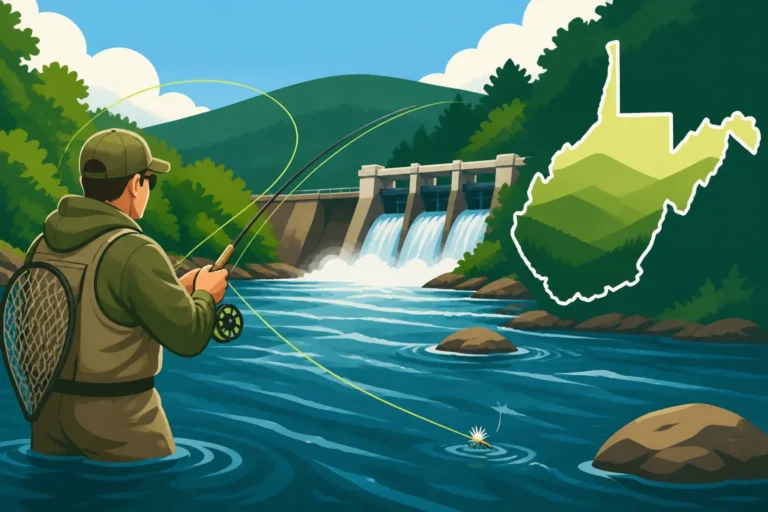
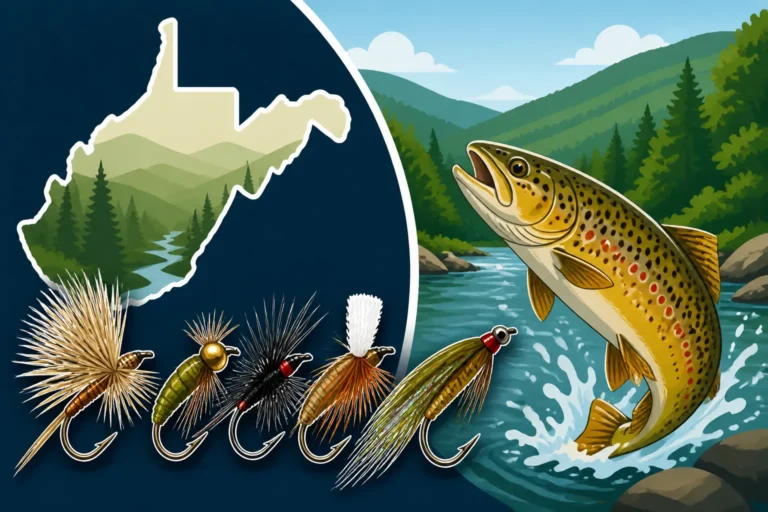
Spring is synonymous with trout fishing in West Virginia. The WVDNR continues its robust stocking efforts throughout April and May, ensuring a steady supply of trout in rivers, streams, and lakes. This is when the Delayed Harvest (DH) waters truly shine. These sections of streams, often larger and more accessible rivers like the Elk River, Cranberry River, and Williams River, are stocked heavily in the fall and spring but are "catch-and-release only" until early June. This allows the fish to grow larger and become more challenging, offering incredible fly fishing and spin fishing opportunities. Once June arrives, these waters open to harvest, providing a bounty for anglers. Understanding Trout Stamps and Trout Fishing Rules in West Virginia is vital, as a valid trout stamp is required even for catch-and-release fishing on these waters. For those who love to fly fish, spring means prolific hatches of mayflies, caddisflies, and stoneflies, making dry fly fishing exhilarating, especially in the afternoon.
Smallmouth and Largemouth Bass Spawning Frenzy
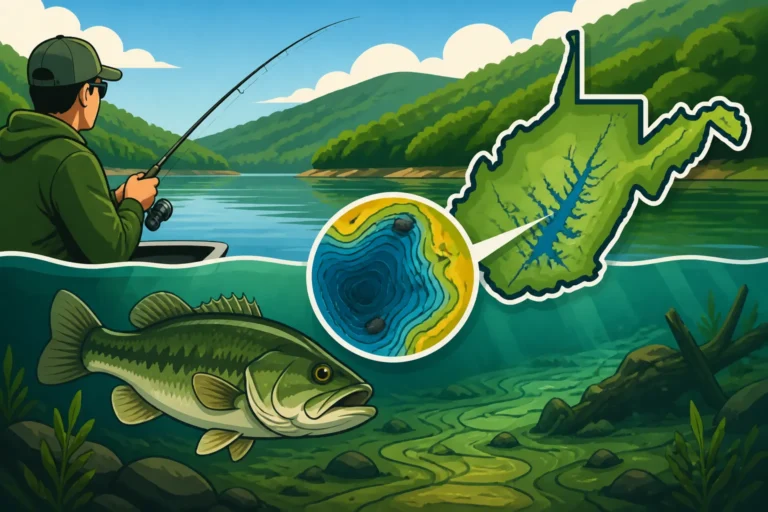
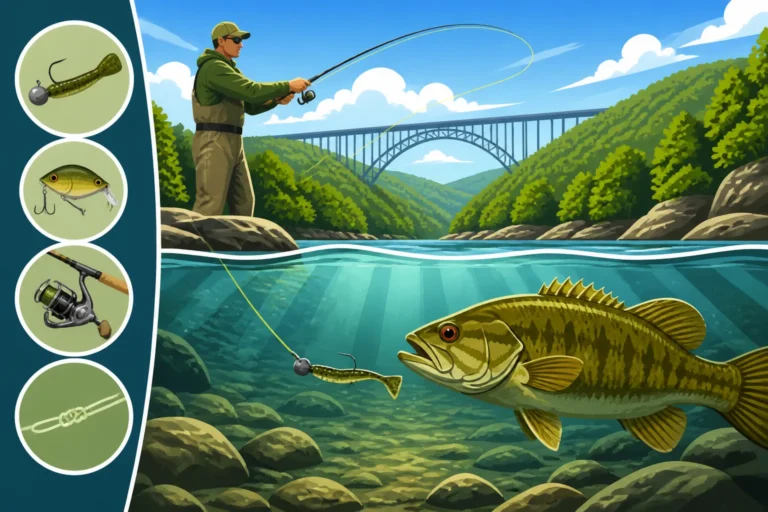
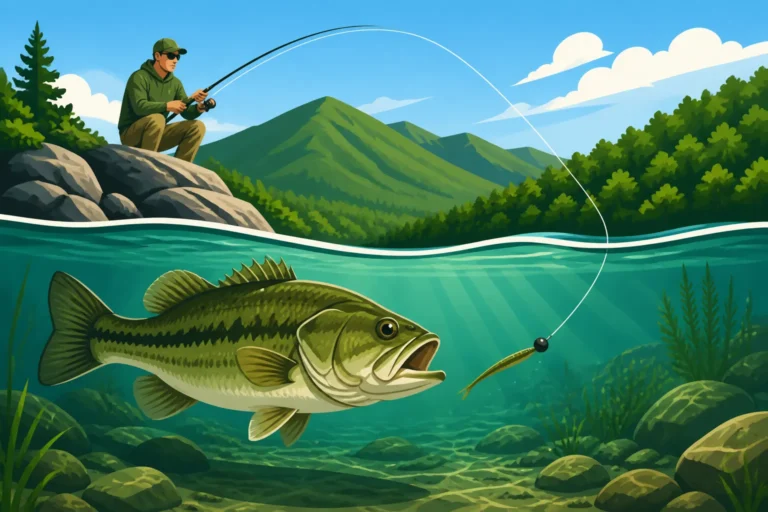
As water temperatures climb into the 50s and 60s Fahrenheit, both smallmouth and largemouth bass begin their annual spawning ritual, making these months prime time for targeting them. Smallmouth bass in particular are a beloved species in West Virginia, thriving in our rocky, clear rivers like the New River, Greenbrier, and South Branch Potomac. They move into shallower rocky areas, often near current breaks, to build nests. This is when they can be incredibly aggressive, striking at anything that invades their territory. Lures like tube jigs, crawfish imitations, and spinnerbaits are highly effective. You can find more specific strategies in our guide on How to Catch Smallmouth Bass in West Virginia Rivers. Largemouth bass will similarly move into shallow coves, around submerged timber, lily pads, and docks in lakes such as Summersville Lake, Stonewall Jackson Lake, and Burnsville Lake. Soft plastics, jigs, and crankbaits worked slowly around structure can be irresistible. While fish can be caught during the spawn, many ethical anglers practice catch-and-release during this sensitive period to protect the future of the fishery.
Walleye and Muskie on the Move
Spring is also a fantastic time for walleye and muskie. After their early spring spawn, walleye remain relatively shallow as they recover and begin to feed actively. Look for them on rocky points, submerged humps, and current breaks in lakes and larger rivers. Trolling crankbaits or casting jigs and soft plastics can be very productive. As the waters continue to warm, they’ll eventually retreat to deeper, cooler water. Muskie, often referred to as "the fish of 10,000 casts," become more active and aggressive in spring as their metabolism increases. They'll frequent shallower weed lines, submerged wood, and rocky shorelines, looking for easy meals. Large bucktails, crankbaits, and soft plastic swimbaits are the go-to lures. This is often considered one of the best times of year to land a trophy muskie, as they are actively feeding after the stresses of winter and spawning. Dedicated anglers can read up on How to Catch Muskie in West Virginia for advanced techniques and locations.
Summer Swelters: July, August, September
When the mercury rises and the sun beats down, fishing in West Virginia changes dramatically. While some species become harder to catch, others thrive in the warm water, and adapting your tactics is key to summer success.
Adapting to Warm Water Conditions
During the peak of summer, surface water temperatures in many lakes and rivers can exceed 80°F (26°C). This heat reduces dissolved oxygen, especially in shallower areas, and can make some fish sluggish. Trout fishing, for instance, becomes very challenging in lower elevation streams, and many trout anglers focus on higher elevation, spring-fed streams or tailwater fisheries that remain cool. For warm-water species, the key is often to fish during low-light hours (dawn, dusk, or night) or to target deeper, cooler water during the day. Bass will often move to deeper structure, shaded areas, or areas with current. Walleye will also typically be found deeper. Changing your retrieve speed to a slower, more deliberate action can also be crucial, as fish may not chase fast-moving baits.
Night Fishing for Catfish and Bass
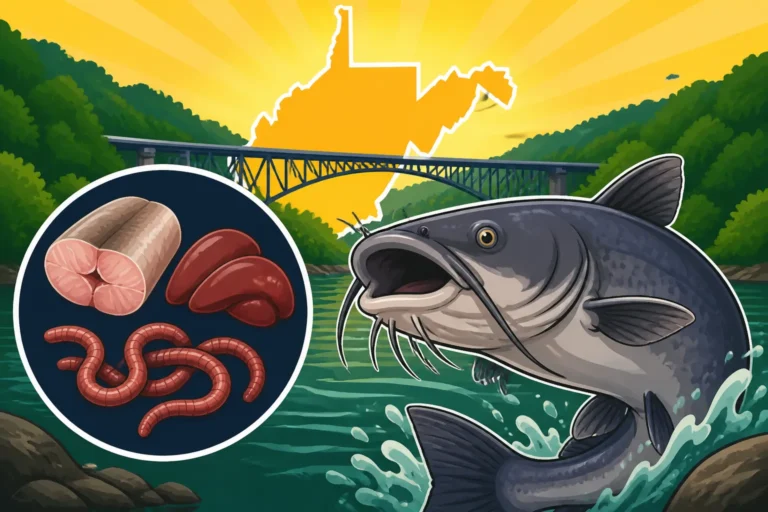
Summer nights in West Virginia offer some of the most exciting fishing, particularly for catfish and bass. Channel and flathead catfish become incredibly active after dark, moving into shallower feeding flats, along river channels, and near structure. Using smelly baits like cut bait, chicken livers, or commercial stink baits on the bottom is a proven method. Many anglers enjoy setting up camp chairs, relaxing by the water, and waiting for the tell-tale tug. For bass, especially largemouth, night fishing can be incredibly productive. They often move from deep cover to shallow feeding areas, becoming less wary under the cloak of darkness. Large dark-colored spinnerbaits, topwater lures that make a lot of commotion, or slow-rolled jigs can entice explosive strikes. Always be mindful of safety when night fishing, ensuring you have proper lighting and are familiar with your surroundings.
Finding Deep-Water Walleye and Panfish
As summer progresses, walleye often retreat to the deepest, coolest parts of lakes and large rivers. This means shifting your tactics from shallow casting to targeting offshore structure. Trolling deep-diving crankbaits, jigging spoons vertically over humps, or using live bait rigs (like a crawler harness) can be effective. A good fish finder becomes an invaluable tool for locating these deeper holding patterns. Summersville Lake and Tygart Lake are known for their summer walleye populations. Panfish, including bluegill, crappie, and yellow perch, will also seek deeper water during the hottest parts of the day. Crappie can be found suspended over submerged timber or brush piles in 15-25 feet of water. Bluegill might be found deeper along weed edges or near shady structures. Small jigs or live minnows are always good options for these delicious fish.
Autumn Angling: October, November, December
Fall in West Virginia is breathtakingly beautiful, with the mountains ablaze in color, and the fishing can be just as spectacular. As waters cool, many species enter a "feeding frenzy" in preparation for winter, offering some of the year's best action.
Fall Trout Stocking and Feeding Frenzies
Just like in spring, the WVDNR undertakes extensive fall trout stockings. These stockings, combined with cooling water temperatures, create fantastic opportunities for trout anglers. Many of the same streams and lakes stocked in spring receive fresh batches of rainbows and golden rainbows. With fewer anglers on the water compared to opening day in spring, and fish that are often very aggressive as they adjust to their new environment and feed before winter, the fall can offer some truly memorable trout fishing experiences. Fly anglers will find fewer insect hatches but excellent streamer fishing, as trout are more focused on larger meals. Spin fishermen will continue to do well with PowerBait, small spinners, and spoons. The cooler weather makes for comfortable wading, and the stunning scenery is an added bonus.
Muskie Madness and Aggressive Feeding
For many muskie enthusiasts, autumn is the absolute best time of year. As water temperatures drop, muskie become incredibly active and aggressive, feeding heavily to pack on weight for the lean winter months. They will often be found shallower than in summer, cruising weed lines, rocky points, and submerged timber. Anglers targeting muskie in rivers like the Little Kanawha River or lakes like Stonewall Jackson Lake will throw large bucktails, oversized crankbaits, glide baits, and soft plastic swimbaits, often with a faster, more erratic retrieve. The "figure-eight" maneuver at the boat can be especially effective, as a following muskie might strike right at the boat. Landing a trophy muskie in the crisp fall air against a backdrop of vibrant foliage is an unforgettable experience.
Late Season Bass and Walleye Opportunities
Smallmouth and largemouth bass also undergo a significant resurgence in activity during the fall. As the water cools, baitfish move into shallower areas, and bass follow. This means you can find them in predictable patterns, often schooling up and feeding aggressively. Crankbaits, spinnerbaits, and jigs can be highly effective. The key is often to locate schools of baitfish, and the bass won't be far behind. Walleye, too, often have a strong fall bite as they feed up. They might move back into shallower areas or suspend over deeper structures, providing excellent opportunities for trolling or casting jigs. This late-season window, especially in November and early December before ice forms, can be incredibly productive for both bass and walleye, offering a final chance to fill your cooler or land a lunker before winter truly sets in.
Year-Round Targets: Species That Don't Quit
While many species have distinct peak seasons, some fish in West Virginia offer consistent action throughout the year, providing reliable opportunities even when other species are sluggish.
Reliable Catfish Action
Catfish are arguably the most reliable year-round target in West Virginia. While their peak activity is undeniably during the warm summer months, channel, flathead, and even the occasional blue catfish can be caught throughout the colder seasons. In winter, they'll typically move to deeper holes in rivers or the main lake basins, becoming more sluggish but still catchable with slow presentations of cut bait or live baits. As spring arrives, they become more active, moving to shallower areas to feed before their summer spawning. The Kanawha River, Ohio River, and Bluestone Lake are known for their excellent catfish populations. Even in the dead of winter, fishing a deep bend in a river with a hearty piece of cut bait can often yield a solid channel cat. This consistent availability makes catfish a great fallback option when other species are challenging.
Panfish for All Seasons
Bluegill, crappie, and yellow perch—our common panfish—are another excellent year-round option, especially for family outings or when you're just looking for some consistent action. While their peak activity is in spring and early summer when they're shallow for spawning, they can be caught throughout the year by adjusting your depth and presentation. In summer, they move deeper, often schooling around submerged brush piles, docks, or weed edges. In fall, they'll often stack up in predictable patterns as they feed heavily. Even in winter, as mentioned with ice fishing, they can be caught through the ice or in deeper parts of lakes that remain open. A simple setup—a small hook, a piece of worm, and a bobber—is often all it takes to catch a mess of bluegill. For crappie, small jigs or live minnows are king. They are abundant in nearly every lake and pond in West Virginia, making them accessible to anglers of all skill levels.
Underappreciated Winter Species
Beyond trout, catfish, and ice-fished panfish, there are a few other species that often go underappreciated during the colder months but can provide unexpected opportunities. Northern pike, while not widespread in West Virginia, can be found in a few specific locations and are known to be active under the ice or in very cold open water. Chain pickerel, another toothy predator, are also active in winter and can be found in vegetated areas of ponds and lakes. Even some of the larger predatory fish, like walleye and muskie, though harder to catch, can offer a chance at a true trophy in the winter months as they concentrate in specific deep-water areas. These colder months demand patience and precision, but for the angler willing to brave the elements, they can yield some truly memorable catches.
Essential Gear Adjustments for Each Season
Just as fish change their behavior with the seasons, so too should your gear. What works perfectly for a summer smallmouth might be completely ineffective for a winter walleye. Being prepared with the right tools is half the battle. If you're looking for specific items, Amazon is a great resource to explore the vast selection of fishing tackle available.
Rods, Reels, and Line for Seasonal Demands
In winter, if you're ice fishing, you'll need short, sensitive ice rods matched with small spinning reels. For open water in winter, a medium-heavy rod with a fast action might be suitable for jigging deep for walleye. As spring arrives, you'll often transition to lighter spinning gear for trout, perhaps a 6-7 foot light to medium-light rod for finesse presentations. For bass, medium-heavy casting or spinning rods for jigs and crankbaits are ideal. Summer often demands heavier gear for deep-water trolling or battling large catfish at night, so medium-heavy to heavy rods with strong reels and braided line might be favored. For fall muskie fishing, heavy-duty casting rods (8-9 feet) with robust baitcasting reels capable of handling large lures and powerful fish are essential. For general river fishing, something like the Best Fishing Rods for West Virginia Rivers might be a good starting point, but consider how different seasons affect the specific species you're chasing.
Lures, Baits, and Fly Patterns that Produce
Lure and bait choices are perhaps the most season-dependent aspect of fishing. In winter, think small jigs, spoons, and live baits like minnows or wax worms for ice fishing. For trout in early spring, PowerBait, corn, worms, or small spinners are effective. As spring progresses, crawfish imitations, tube jigs, crankbaits, and spinnerbaits excel for bass. Fly anglers will switch from nymphs and streamers to dry flies as insect hatches begin. Summer often calls for topwater lures early and late, deep-diving crankbaits, jigs, and soft plastics for bass, and strong, smelly baits for catfish at night. In fall, muskie anglers will rely on large bucktails and swimbaits, while bass and walleye anglers will find success with crankbaits, jigs, and soft plastics. The key is to match the hatch or the prevalent forage, which changes throughout the year. For specific trout fly patterns, consider researching Fly Patterns for West Virginia Trout Streams to ensure you have the right arsenal. Remember, you can often find a great selection of these specialized baits and lures on Amazon to suit any seasonal condition.
Seasonal Clothing and Safety Gear
Beyond rods and reels, seasonal clothing and safety gear are paramount for comfort and success. In winter, layers are key: thermal base layers, fleece, waterproof insulated outer shells, warm hats, gloves, and insulated boots. Ice fishing requires specialized cold-weather flotation suits for safety. Spring can be unpredictable, so waterproof rain gear is a must, along with layers that can be shed or added. Waders are often essential for trout fishing. For summer, lightweight, breathable, sun-protective clothing is vital, along with wide-brimmed hats and polarized sunglasses. Staying hydrated is critical. Fall again calls for layers, often starting warm and cooling throughout the day. Neoprene or breathable waders will be comfortable. Always carry a first-aid kit, a fully charged cell phone, and if boating, ensure you have all required safety equipment, including life jackets for every occupant. A good headlamp from Amazon can be a lifesaver for early morning or late evening trips in any season.
Navigating Regulations and Conservation by Season
Understanding West Virginia's fishing regulations is not just about avoiding fines; it's about being a responsible angler and contributing to the health of our fisheries. Regulations can and do change seasonally, and knowing the specifics is crucial.
Understanding Seasonal Bag and Possession Limits
Many species in West Virginia have specific daily creel (bag) and possession limits that can vary by waterbody or even by season. For instance, trout generally have a daily creel limit, but this might be reduced or completely catch-and-release during certain periods on special regulation waters. Black bass (largemouth, smallmouth, spotted) often have year-round seasons, but there might be minimum size limits or slot limits (where fish within a certain size range must be released) on specific rivers or lakes, especially during their spawning season to protect breeding fish. Walleye, muskie, and other game fish also have strict length and creel limits. Always check the current West Virginia Bag and Possession Limits by Species before you head out, and pay close attention to any special regulations for the specific body of water you intend to fish. These are not arbitrary rules; they are carefully designed to ensure sustainable fish populations for future generations of anglers.
Trout Stamps and Special Regulation Waters
If you plan on targeting trout in West Virginia, a valid trout stamp is almost always required, even if you're only practicing catch-and-release. This fee directly supports the WVDNR's extensive trout stocking program. Additionally, West Virginia has numerous "special regulation waters" which include categories like Catch and Release, Fly Fishing Only, Artificial Lures Only, and Delayed Harvest. These waters have unique rules that supersede general regulations, often aimed at creating trophy fisheries or providing specific angling experiences. For example, a Delayed Harvest stream will have different rules before and after the season opens to harvest. Familiarize yourself with these categories, which are usually clearly marked and detailed in the annual fishing regulations summary. You can learn more about specific requirements, including how to obtain your West Virginia Fishing License Guide for 2026, which is your first step to legal angling in the state. Always ensure you have your license and any necessary stamps before casting your line.
Conservation Practices Year-Round
Beyond just following the rules, practicing responsible conservation is a year-round commitment for every angler. This includes proper catch-and-release techniques to minimize stress and injury to fish you don't intend to keep, especially during sensitive spawning periods. Use barbless hooks, wet your hands before handling fish, and release them quickly. Never leave trash or discarded fishing line on the banks or in the water. Dispose of fish entrails properly, away from popular fishing areas. Be mindful of invasive species; never transport live fish from one waterbody to another, and always clean, drain, and dry your boat and gear to prevent the spread of aquatic hitchhikers. Educate yourself on West Virginia Fishing Regulations Explained in detail to understand the 'why' behind the rules. Our beautiful West Virginia waters are a precious resource, and it's up to all of us to protect them for future enjoyment.
West Virginia Fishing Season Snapshot
To give you a quick overview, here's a table summarizing the peak seasons for some of West Virginia's most popular species. Remember, "peak" means the best general activity, but fish can often be caught outside these windows with adapted techniques.
| Species | Peak Season (General Activity) | Best Methods | Key Locations (Examples) |
|---|---|---|---|
| Trout | March – June (Spring stocking/DH), October – December (Fall stocking) | Bait (PowerBait, worms), Spinners, Spoons, Flies (Nymphs, Dry Flies, Streamers) | Elk River, Cranberry River, Williams River, Spruce Knob Lake |
| Smallmouth Bass | April – June (Pre/Post Spawn), September – November (Fall Feeding) | Tube Jigs, Crankbaits, Spinnerbaits, Topwater, Soft Plastics | New River, Greenbrier River, South Branch Potomac River |
| Largemouth Bass | April – June (Pre/Post Spawn), September – November (Fall Feeding) | Jigs, Soft Plastics, Crankbaits, Spinnerbaits, Topwater | Summersville Lake, Stonewall Jackson Lake, Burnsville Lake |
| Walleye | March – April (Pre-Spawn), June – July (Post Spawn), October – November (Fall Feeding) | Jigs, Crankbaits, Crawler Harnesses, Trolling | Tygart Lake, Sutton Lake, Ohio River, Summersville Lake |
| Muskie | April – June (Post-Spawn), October – December (Fall Feeding) | Large Bucktails, Crankbaits, Glide Baits, Large Soft Plastics | Little Kanawha River, Elk River, Stonewall Jackson Lake, Burnsville Lake |
| Catfish | May – September (Warm Water/Night Fishing) | Cut Bait, Stink Bait, Live Bait (Minnows, Bluegill), Worms | Ohio River, Kanawha River, Bluestone Lake |
| Crappie | March – May (Pre/Post Spawn) | Small Jigs, Live Minnows, Spinnerbaits | Burnsville Lake, Bluestone Lake, Beech Fork Lake |
| Bluegill/Panfish | April – July (Spawn/Warm Water), Year-round (Adaptive) | Worms, Crickets, Small Jigs, Flies | Nearly all lakes, ponds, slow river sections |
This table provides a quick glance, but remember to always dive deeper into the specific conditions and regulations for your chosen fishing spot!
Disclaimer
The information provided in this guide is for general informational purposes only and is subject to change. Always consult the most current West Virginia Division of Natural Resources fishing regulations manual or website before engaging in any fishing activities. Fishing regulations, season dates, and limits can change annually or even mid-season.