Best trophy bass lakes in southern West Virginia
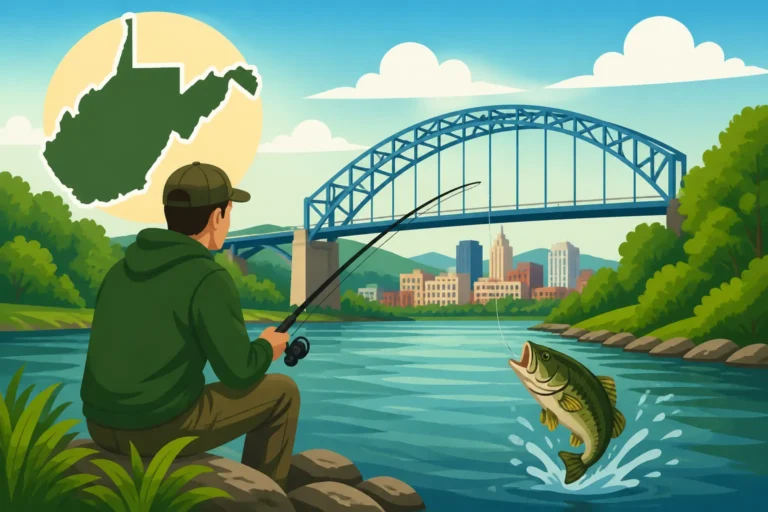
It's no secret that West Virginia holds some absolute giants in its waters, but if you're like many anglers, you might be frustrated trying to pinpoint exactly where those elusive trophy bass are hiding in the southern part of our beautiful state. Chasing that personal best largemouth or smallmouth can feel like searching for a needle in a haystack, especially with so many incredible waterways. This guide is dedicated to cutting through the guesswork, focusing on the prime lakes in southern West Virginia where your dreams of a true trophy bass are most likely to become a reality.
The Quest for Giant Largemouth and Smallmouth in Southern West Virginia
There’s a special thrill that comes with targeting a true trophy bass – that fish that makes your heart pound and your drag scream. Southern West Virginia, with its diverse range of reservoirs and river-like lakes, offers some incredible opportunities for both largemouth and smallmouth bass that grow to impressive sizes. It’s not just about catching a lot of fish; it’s about that one monumental catch that you’ll remember for a lifetime.
Why Southern West Virginia is a Bass Angler's Dream
Southern West Virginia boasts a unique confluence of geography and water management that creates ideal conditions for bass growth. We're talking about deep, clear impoundments carved out of mountain valleys, and nutrient-rich rivers that feed into them, providing abundant forage and diverse habitat. The varied depths, submerged timber, rock structures, and extensive coves offer everything a big bass needs to thrive, from ambush points to ample feeding grounds. The changing seasons also play a crucial role, allowing bass to cycle through different patterns that, if understood, can lead to incredible fishing. The sheer rugged beauty of the region only adds to the experience, making every outing more than just a fishing trip.
When you think about it, these lakes are often less pressured than some of their counterparts in flatter states, giving fish the time and space to mature into real monsters. The West Virginia Division of Natural Resources (WVDNR) also does an excellent job managing these fisheries, implementing regulations and stocking programs that support healthy populations and trophy potential. This careful stewardship, combined with the natural bounty of the Appalachian landscape, truly sets southern West Virginia apart as a premier bass fishing destination.
Understanding Trophy Bass Potential
What exactly defines a "trophy" bass? For many, it's that magical five-pound mark for largemouth, or a solid four-pounder for smallmouth, especially in a region where river smallmouth might typically run a bit smaller on average. However, the true definition often comes down to personal aspiration and the relative size for the specific body of water you're fishing. In West Virginia, a largemouth pushing over eight pounds is considered an absolute giant, while a smallmouth over six pounds is the fish of a lifetime. Looking at the West Virginia State Fish Records by Species, you'll see just how impressive some of these fish can get.
These larger fish aren't just bigger; they often display a different level of cunning and power. They've survived countless encounters, learned to be incredibly efficient predators, and demand different tactics than smaller, more aggressive fish. Understanding their behavior – where they hide, what they eat, and when they're most active – is key. It means paying attention to details like water temperature, forage base (is it shad, sunfish, or crawfish?), and the specific structure they relate to at different times of the year. This deeper understanding is what transforms a casual angler into a dedicated trophy hunter.
Top Lakes for Monster Largemouth Bass in Southern WV
If your heart beats for the thumping fight of a big largemouth, southern West Virginia has several lakes that consistently produce fish well above average. These impoundments are renowned for their incredible structure and abundant forage, allowing largemouth to grow to impressive sizes.
Bluestone Lake: A Deep-Water Haven
Bluestone Lake, located near Hinton, is a massive Army Corps of Engineers impoundment on the New River. It's often overlooked by some anglers who head straight for the river itself, but that's a mistake if you're after big largemouth. This sprawling reservoir offers an incredible diversity of habitat, from vast open waters to deep coves, extensive submerged timber, and rocky bluffs. The largemouth here grow chunky and strong, feeding heavily on the abundant baitfish, particularly shad.
Fishing Bluestone requires versatility. In the spring, targeting shallow coves with jigs, spinnerbaits, or squarebill crankbaits can be incredibly productive as bass move up to spawn. As summer heats up, the bigger fish tend to pull off into deeper structure like old creek channels, humps, and submerged roadbeds. This is when deep-diving crankbaits, Carolina rigs, and large plastic worms come into their own. Don't forget to check out the deeper docks and brush piles too, especially on the main lake points. For a more detailed look at this fishery, check out our Bluestone Lake Fishing Guide. The sheer size of Bluestone means there's always new water to explore, and the reward can easily be a five-pound-plus largemouth.
East Lynn Lake: Structure, Cover, and Big Bass
Further west, near Wayne, you'll find East Lynn Lake, another Army Corps of Engineers reservoir renowned for its fantastic largemouth bass fishing. East Lynn is a truly picturesque lake, surrounded by steep, wooded hillsides, and it offers an incredible amount of woody cover. Think submerged timber, laydowns, stump fields, and brush piles – all prime ambush points for big largemouth. The lake’s stained to moderately clear water often provides a sense of security for larger fish, allowing them to roam and feed more aggressively.
Fishing East Lynn is often about getting right into the thick of that cover. Heavy Texas-rigged worms, creature baits, and jigs are excellent choices for punching through mats or probing dense brush. Spinnerbaits and chatterbaits can also be highly effective when retrieved slowly around submerged trees. Don't be afraid to fish slowly and thoroughly, picking apart every piece of visible and invisible cover. The largemouth in East Lynn are known for their strong pulls, so make sure your tackle is up to the task. Our comprehensive guide on East Lynn Lake Fishing, highlights even more tips and tricks for tackling this bass factory.
Beech Fork Lake: Consistent Action and Size
Beech Fork Lake, located near Barboursville, is yet another gem for largemouth bass in southern West Virginia. This lake often flies a bit under the radar compared to some others, but it consistently produces both good numbers of bass and respectable size, with plenty of four to six-pound fish caught annually. Beech Fork features a mix of standing timber, rocky points, and weed beds, offering varied habitat that largemouth love. The water clarity can vary, but it's often slightly stained, which can be an advantage on bright days.
What sets Beech Fork apart is its consistency. It's a great lake for anglers seeking to build confidence in their bass fishing while also having a real shot at a trophy. Target the numerous coves and channels, especially those with standing timber. Jigs, plastic worms, and crankbaits that mimic the lake’s abundant shad and sunfish forage are excellent choices. During the warmer months, topwater action can be absolutely explosive around weed lines and shallow flats at dawn and dusk. For families or those looking for a slightly more accessible yet still rewarding trophy bass experience, Beech Fork Lake Fishing, provides a great opportunity.
Unearthing Trophy Smallmouth Bass in Southern WV Lakes
While many associate trophy smallmouth with the powerful currents of West Virginia's rivers, there are specific lakes in the southern region that provide exceptional opportunities for truly massive bronzebacks. These lake-dwelling smallmouth often grow bigger and bulkier than their river cousins due to a more consistent food supply and less energy expended fighting current.
Summersville Lake: The Mountain Smallmouth Gem
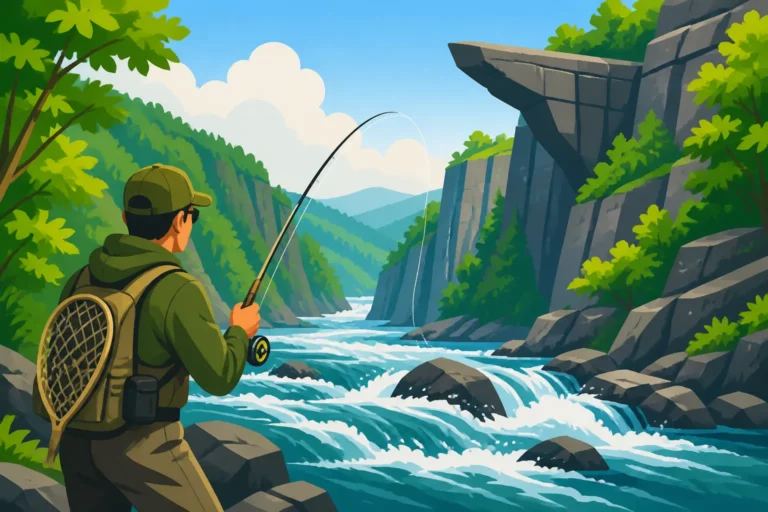
When it comes to trophy smallmouth bass in a lake setting, Summersville Lake is often at the top of the list for West Virginia anglers. This stunning lake, often called the "Little Bahamas of the East" for its clear, turquoise waters, is carved out of the mountains near Summersville. Its deep, clear water, rocky ledges, sheer cliffs, and extensive rock formations create a perfect environment for smallmouth to thrive and grow to incredible sizes. Fish pushing five to seven pounds are regularly caught here, making it a true trophy destination.
Fishing Summersville Lake for smallmouth requires a different approach than river fishing. The clear water means finesse techniques often shine. Drop-shot rigs, Ned rigs, shaky heads, and small swimbaits fished along rocky points, ledges, and submerged humps are highly effective. During the colder months, vertical jigging spoons or blade baits in deep water can tempt the biggest fish. In the spring and fall, when water temperatures are optimal, smallmouth will often move shallower, providing opportunities for jerkbaits, crankbaits, and even topwater lures early in the morning. Our detailed Summersville Lake Fishing Guide, offers invaluable insights into unlocking this lake's full potential for big smallmouth. You can also explore specific strategies in our guide to Best Bass Fishing Techniques for Summersville Lake.
New River Gorge National Park: Lake-like Sections and Riverine Giants
While the New River Gorge National Park is primarily a river system, certain sections and tributary mouths within it, particularly where the river widens and deepens, can exhibit lake-like characteristics, offering opportunities for larger smallmouth that hold in less current. These areas, often characterized by deeper pools and slower flows, allow smallmouth to grow to impressive sizes, capitalizing on the abundant forage that washes in from tributaries or gathers in these calmer stretches.
It’s important to understand that while not a "lake" in the traditional sense, the deep, wide pools of the New River, especially downstream of major rapids or where the river broadens, can mimic lake environments where smallmouth grow large. These areas provide the perfect blend of current and calm, giving fish the advantages of both a river and a lake. For instance, sections around Sandstone Falls or where deep holes persist can hold true giants. Techniques here might involve slower presentations with jigs, tubes, or heavier swimbaits that can be worked along the bottom in deep water, or suspended jerkbaits. Always remember to check West Virginia Fishing Regulations Explained, as rules can vary even within park boundaries.
Strategies for Landing Your West Virginia Trophy Bass
Chasing trophy bass isn't just about showing up at the right lake; it's about employing the right strategies, having the right gear, and understanding the nuances of bass behavior in these unique mountain impoundments.
Dialing in Your Gear and Baits
For trophy bass, heavy-duty gear is often a necessity. You’ll want stout medium-heavy to heavy action rods, paired with reliable baitcasting reels spooled with at least 15-20lb fluorocarbon or braided line. When fishing heavy cover for largemouth, braided line with a fluorocarbon leader is a popular choice for its strength and abrasion resistance. For clear water smallmouth, straight fluorocarbon is often preferred for its near invisibility.
Here’s a breakdown of essential tackle:
| Species Targeted | Preferred Rod Action | Line Type & Weight | Go-To Lures & Baits | Key Features |
|---|---|---|---|---|
| Largemouth Bass | Medium-Heavy to Heavy | Braid (30-50lb) with Fluoro Leader (15-25lb) | Jigs, Plastic Worms, Deep Crankbaits, Spinnerbaits, Chatterbaits | Power for heavy cover, strong hooksets, weedless options |
| Smallmouth Bass | Medium-Light to Medium-Heavy | Fluorocarbon (8-15lb) | Drop-shots, Ned Rigs, Tubes, Jerkbaits, Hair Jigs | Sensitivity for subtle bites, natural presentation, clear water focus |
Live bait, like large shiners or crawfish, can also be incredibly effective for enticing bigger bass, especially during tougher conditions. However, many trophy hunters prefer artificials for the sport and challenge they provide. Experimentation is key; what works one day might not work the next, so having a diverse tackle box is crucial. If you're looking for more specific recommendations, our guides on Best Tackle for West Virginia Smallmouth Bass, and Best Crankbaits for West Virginia Smallmouth Bass, offer excellent starting points.
Timing is Everything: Seasons and Conditions
The prime time for trophy bass often aligns with specific seasonal patterns. Early spring, during the pre-spawn phase when bass are aggressively feeding to build energy for spawning, is a fantastic window. Largemouth will be staging in shallower coves and flats, while smallmouth will congregate on rocky points and humps. Late fall, as water temperatures drop and bass undertake a final feeding binge before winter, is another excellent period. During these times, fish are often heavier and more concentrated.
Even within these seasons, daily conditions matter. Overcast days, low light conditions (dawn and dusk), or even a approaching storm front can often trigger more aggressive feeding behavior in big bass. Conversely, bright, sunny days with high pressure might send them deep or into dense cover, requiring a more subtle, finesse approach. Keeping an eye on weather patterns and water temperatures will significantly increase your odds. Consider using resources like FishingBooker to find local guides who are intimately familiar with these seasonal shifts and can put you on fish when conditions are optimal.
Reading the Water: Structure and Cover
Trophy bass are rarely found just anywhere. They are creatures of structure and cover, constantly seeking ambush points, shelter, and access to food. For largemouth, this means targeting submerged timber, laydowns, stumps, dense weed beds, and even docks and bridge pilings. For smallmouth, especially in the clear lakes, focus on rocky points, deep ledges, humps, sharp drop-offs, and rock piles. Any change in the bottom contour or presence of a significant underwater feature is a potential holding spot for a big bass.
Using electronics, such as a quality fish finder, is almost essential for efficiently locating these hidden gems. Side-imaging and down-imaging sonar can reveal submerged structure and even individual fish that you might otherwise miss. Once you locate a promising piece of structure, approach it cautiously and fish it thoroughly, trying different angles and presentations. Remember, big bass didn't get big by being easy to catch; they often require persistence and precise lure placement. Even subtle changes in depth or bottom composition can be the key to finding a trophy.
Navigating Regulations and Access for Trophy Bass Fishing
Before you hit the water, understanding the local regulations and knowing how to access these prime fishing spots is crucial. West Virginia has specific rules designed to protect its fisheries and ensure sustainable angling for everyone.
Essential Licenses and Rules
Anyone aged 15 and older needs a valid fishing license to fish in West Virginia. This applies to both residents and non-residents. Beyond the basic license, always check for any specific stamps or permits, especially if you plan to fish for other species or in certain designated areas. For instance, while not typically required for bass, a West Virginia's Conservation Stamp, Explained, is often needed. It's vital to review the current year's fishing regulations booklet from the WVDNR, which provides detailed information on West Virginia Bag and Possession Limits by Species, and any special regulations for specific lakes or river sections.
Pay close attention to length limits and creel limits for bass, as these can vary by waterbody. Many trophy bass lakes have slot limits or minimum length requirements designed to protect larger fish and allow them to grow to their full potential. Catch and release is often the best practice when pursuing true trophy bass, helping to ensure these magnificent fish remain in the system for future generations to enjoy. Knowing these rules beforehand will save you from potential fines and help conserve our valuable natural resources.
Finding Prime Access Points and Accommodations
Most of these major lakes offer numerous public boat ramps, often maintained by the Army Corps of Engineers or the WVDNR. These ramps typically provide ample parking and good access for various types of boats. For those who prefer kayak fishing, many ramps are suitable, and some areas might offer specific kayak launch points. If you're planning a trip and need to rent a boat or find a guide, platforms like FishingBooker can connect you with local outfitters and charters that specialize in trophy bass.
When planning your trip, consider lodging options ranging from campgrounds to cabins or hotels near the lakes. Towns like Summersville (for Summersville Lake), Hinton (for Bluestone Lake), and Wayne (for East Lynn Lake) offer amenities and services that can make your fishing trip more comfortable. Always check maps for public access points, as some areas might be privately owned or have restricted entry. Being prepared with knowledge of boat ramp locations, parking facilities, and nearby services will ensure your focus remains on the fishing rather than logistical headaches. Remember to also be aware of West Virginia Boating Laws for Anglers, if you plan on operating a vessel.
Disclaimer
The information provided in this guide is for general informational purposes only and is subject to change. Always consult the official West Virginia Division of Natural Resources (WVDNR) regulations for the most current and accurate fishing laws, license requirements, and creel limits before heading out on the water. Fishing conditions, fish populations, and access points can vary.