High-elevation trout streams in the Monongahela National Forest
For many anglers, the thought of fishing the pristine, cool waters of a high-elevation stream in West Virginia is a dream. It's not just about catching fish; it's about the entire experience—the crisp mountain air, the challenging hike, and the chance to connect with wild, native trout in their natural habitat. If you've been yearning to explore these hidden gems, this guide will walk you through the unique world of high-elevation trout streams in the Monongahela National Forest, helping you understand what makes them special and how to approach them respectfully and successfully.
The Allure and Challenges of High-Elevation Trout Streams
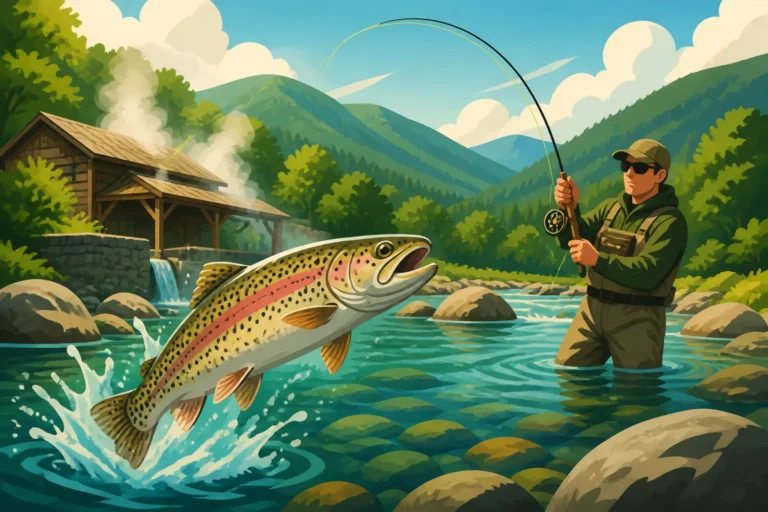
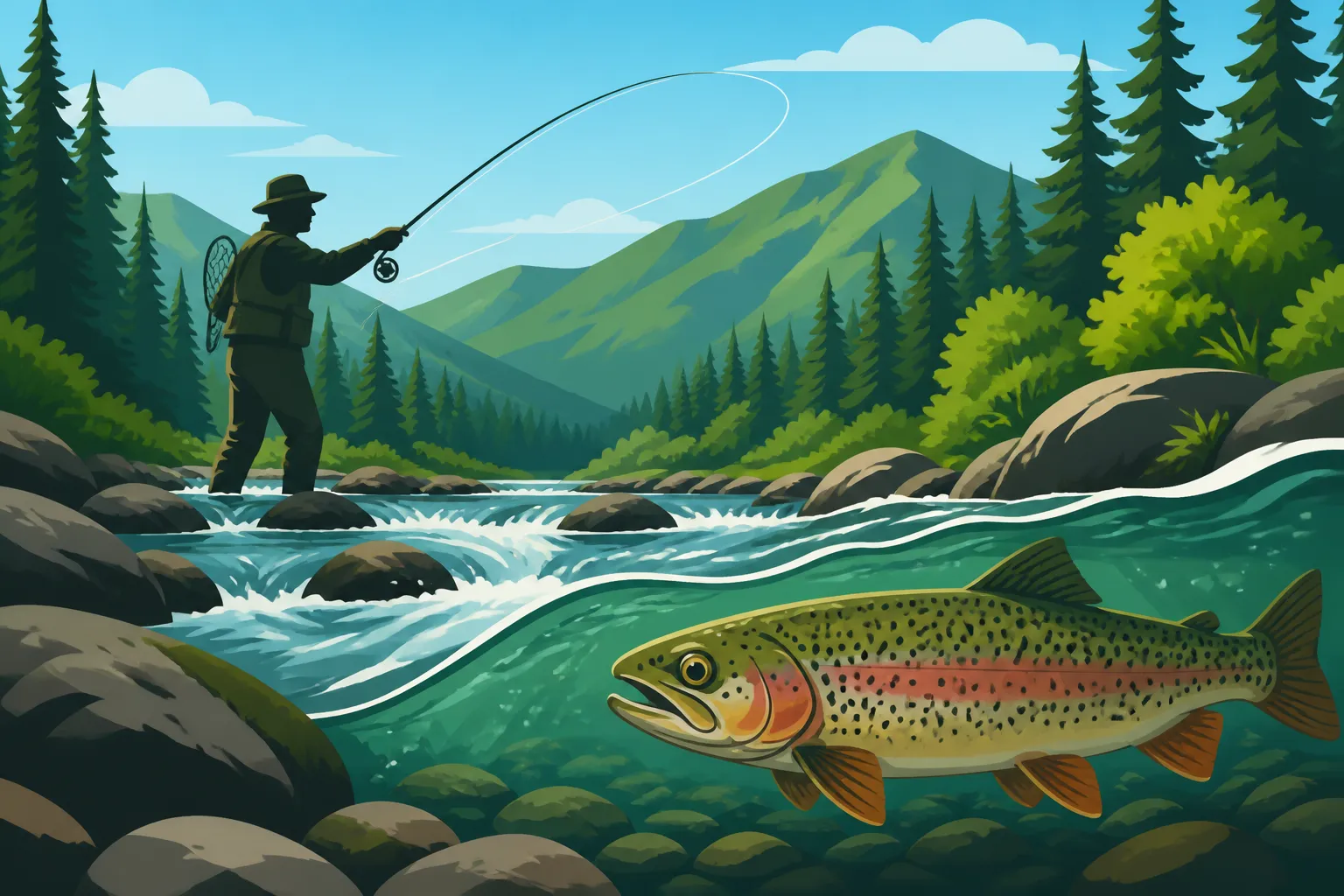
There’s something truly magical about stepping into a mountain stream far from the paved roads and crowded tailwaters. These aren't your typical stocked ponds or wide, lazy rivers. High-elevation streams are characterized by their clear, cold water, often tumbling over rocks and through dense rhododendron tunnels, creating a mosaic of pocket water, riffles, and small pools. It’s a world where the fish are often smaller but fiercely beautiful, and the journey is as much a part of the reward as the catch itself.
Why They're Different and So Rewarding
Unlike many easily accessible fishing spots, high-elevation streams offer a genuine sense of wilderness and solitude. You might hike for miles to reach prime sections, encountering only wildlife along the way. The primary target species here is often the native brook trout, West Virginia's state fish, known for its vibrant colors and aggressive strikes. These wild fish are a testament to the health of their ecosystem, and catching one feels like a true accomplishment. It's a place where the connection to nature feels profound, a stark contrast to the hustle and bustle of everyday life. This unique environment also means less angling pressure, especially further upstream, increasing your chances of finding unbothered fish.
Common Frustrations and How to Overcome Them
Let's be real, fishing these remote streams isn't always a walk in the park. The terrain can be rugged, requiring good physical conditioning and proper gear. Access points might be poorly marked or require navigating unmaintained trails. The streams themselves are often overgrown, making casting a challenge, and the fish can be spooky due to the clear water and lack of heavy cover in some areas. Gear can get snagged, waders can get punctured, and you might even get turned around if you're not careful. The frustration of tangled lines in rhododendron or slipping on mossy rocks is real! However, with a bit of preparation, patience, and the right mindset, these frustrations can transform into valuable lessons and enhance the sense of adventure. Planning your trip carefully, perhaps using resources like FishingBooker to find local guides who know the ins and outs of these challenging spots, can make a huge difference in your success and enjoyment.
Discovering Prime High-Elevation Spots in the Monongahela National Forest
The Monongahela National Forest (Monongahela for short) is a sprawling outdoor playground, covering over 920,000 acres of mountainous terrain in eastern West Virginia. Within its boundaries lie countless headwater streams, many of which hold wild brook trout and, in lower elevation sections or larger flows, stocked or wild brown and rainbow trout. Identifying the "best" spots often depends on what kind of adventure you're seeking, but some streams are legendary.
Noteworthy Trout Streams and Their Unique Characteristics
When you're looking for high-elevation trout streams, you're primarily seeking out the headwaters—the smaller tributaries and upper reaches of larger river systems. These areas maintain colder temperatures longer into the warmer months, providing ideal habitat for trout.
- Shavers Fork: Originating high in the mountains of Randolph County, Shavers Fork is famous for its wild brook trout and sections managed for native fish. Its upper reaches are rugged and wild, requiring a good hike to access. You'll find a mix of cascades, plunge pools, and short riffles, perfect for precise presentations. It’s one of those places that truly tests your angling skill and offers immense solitude.
- Cranberry River: While parts of the Cranberry are easily accessible and stocked, its upper forks and tributaries, like the North Fork and South Fork of the Cranberry, venture deep into the wilderness. These remote sections are known for excellent wild trout fishing, including brook trout and some wild brown trout. Access often requires significant hiking or even backpacking trips. The Cranberry River Fly Fishing rules are specific, so be sure to check those out before you go.
- Dry Fork and Laurel Fork (of the Cheat River): These rivers and their tributaries in Randolph and Pendleton counties offer fantastic high-elevation opportunities. Sections are managed as wild trout waters, teeming with brook and brown trout. The scenery is breathtaking, with dense forests and rocky streambeds. Access points can be scattered, and many areas require a solid trek.
- Seneca Creek: Located in Pendleton County, Seneca Creek is another excellent option for wild trout. It flows through a beautiful valley, offering a mix of accessible and remote sections. The higher reaches are where you'll find the wild brookies, often requiring bushwhacking through dense vegetation. It's a quintessential West Virginia mountain stream experience.
- Elk River Headwaters: While the lower Elk River is a renowned tailwater fishery, its headwater streams, particularly those within the Monongahela, hold a significant population of wild brook trout. These smaller, fast-flowing creeks are perfect for a stealthy approach and light tackle. Finding them often involves studying topographic maps and a willingness to explore.
Accessing Remote Stream Sections
Getting to these pristine waters is often the biggest hurdle, but it's part of the adventure. Many of these streams flow through designated wilderness areas or remote sections of the National Forest, meaning paved roads and well-maintained trails are scarce.
- Mapping and Navigation: Before you even leave home, invest time in studying maps. USGS topographic maps or digital mapping apps like Gaia GPS or onX Offroad (with a good offline map downloaded!) are invaluable. Look for forest service roads (often gravel and sometimes rough) that get you close, then identify trails or even game paths that lead to the stream. Sometimes, there are no trails at all, and you’ll be bushwhacking. Knowing how to use a compass and map is crucial, as cell service is often nonexistent.
- Forest Service Roads: Many forest service roads wind through the Monongahela, providing access points to trailheads or even direct stream access. However, these roads can be seasonal, closing in winter or after heavy rains. Always check the Monongahela National Forest website or call a local ranger station for current road conditions. Some of these roads require high-clearance vehicles, and a 4×4 is often a good idea.
- Hiking and Bushwhacking: Be prepared for significant hiking, sometimes over uneven terrain, through dense undergrowth, and across stream crossings. Wear sturdy, waterproof hiking boots or wading boots that can handle the approach. A good pair of breathable waders can be essential, allowing you to stay dry while navigating the stream itself. Don't underestimate the time it takes to cover even short distances in this type of environment. Always tell someone your planned route and expected return time.
| Stream Section (Example) | County | Primary Species | Access Difficulty | Notable Features |
|---|---|---|---|---|
| Upper Shavers Fork | Randolph | Wild Brook Trout | Difficult (Hike) | Pristine, rugged wilderness, dense rhododendron |
| North Fork Cranberry River | Pocahontas | Wild Brook/Brown | Moderate-Difficult | Remote, beautiful, specific fly-fishing rules |
| Laurel Fork (Cheat River) | Randolph/Pendleton | Wild Brook/Brown | Moderate (Rough roads/hike) | Scenic valley, diverse water types |
| Seneca Creek (Upper) | Pendleton | Wild Brook Trout | Moderate (Hike) | Secluded, tight casting, active insect life |
| Elk River Headwaters | Pocahontas | Wild Brook Trout | Difficult (Bushwhack) | Small, fast-flowing, highly rewarding for stealthy anglers |
Essential Gear and Techniques for Mountain Trout
Tackling high-elevation streams requires a slightly different approach than fishing larger rivers or lakes. The fish are often smaller, the casting lanes are tighter, and the water is clearer. Your gear choices and fishing techniques need to reflect these conditions.
Recommended Rods, Reels, and Line Setups
For these smaller, intimate streams, ultralight and light tackle are your best friends.
- Rods: A shorter, lighter rod is preferred due to the tight casting conditions and smaller fish.
- Spinning: A 5' to 6'6" ultralight or light action spinning rod is ideal. Look for something that can cast very light lures (1/32 oz to 1/8 oz) accurately. This length provides the precision needed for tight quarters.
- Fly Fishing: A 6'6" to 7'6" 2-weight to 4-weight fly rod is perfect for these delicate presentations. A shorter rod helps tremendously when casting under overhanging branches or navigating narrow rhododendron tunnels. Consider a fiberglass rod for a more forgiving, fun fight with smaller fish. You might want to explore specific Fly Rods for West Virginia Trout Streams designed for these conditions.
- Reels:
- Spinning: A small, lightweight reel (1000 or 2000 series) that balances well with your rod is essential. Smooth drag is important, even for smaller fish.
- Fly Fishing: A simple click-and-pawl or small disc drag reel that balances your fly rod is all you need. Line capacity isn't a major concern here.
- Line:
- Spinning: 2-4 lb test monofilament or fluorocarbon line is usually sufficient. Some anglers prefer braided line with a fluorocarbon leader for improved sensitivity and casting distance, but ensure your leader is long enough to remain invisible in the clear water.
- Fly Fishing: Weight-forward floating line matched to your rod weight is standard. For leaders, a longer 7.5 to 9-foot leader tapering down to 5x or 6x tippet is common for dry flies and nymphs. For very spooky fish in crystal clear water, even 7x tippet might be necessary.
Effective Baits, Lures, and Flies
Matching your presentation to the small, wild trout and their environment is key.
- Baits (for ethical catch and release, often discouraged for wild trout): While live bait (worms, mealworms) can be effective, many anglers prefer artificials to minimize harm to sensitive wild populations. If using bait, consider single, barbless hooks. Check West Virginia Fishing Regulations Explained for rules on bait use in specific wild trout waters.
- Lures (Spinning):
- Small Spinners: Classic inline spinners like Mepps Aglia or Panther Martin in sizes 0-1 are deadly. Gold, silver, black, or brown blades are often productive.
- Small Spoons: Tiny Kastmasters or Little Cleos (1/16 oz to 1/8 oz) can mimic small baitfish.
- Micro Jigs: Marabou jigs or small soft plastic grubs on 1/32 oz or 1/16 oz jig heads are fantastic. Colors like olive, black, white, or brown can imitate various aquatic insects.
- Small Crankbaits: Micro crankbaits that dive shallow can be surprisingly effective in larger pools.
- Flies (Fly Fishing):
- Dry Flies: These are often the most exciting way to catch brook trout. Small terrestrials (Ants, Beetles, Grasshoppers), Stimulators, Elk Hair Caddis, and Parachute Adams in sizes 14-20 are excellent choices. Dry Fly Fishing West Virginia Mountain Streams often covers these patterns.
- Nymphs: When fish aren't rising, nymphs are crucial. Popular patterns include Prince Nymph, Pheasant Tail, Hare's Ear, and Green Weenie in sizes 14-20. For deep pockets, a weighted nymph or a small split shot might be necessary. Consider learning Euro Nymphing West Virginia Trout Streams for a highly effective method in these waters.
- Streamers: Small Woolly Buggers (black, olive, brown) in sizes 10-14 can entice larger brook trout or opportunistic browns.
Wading and Stealth Techniques
Moving quietly and deliberately is paramount. These fish are easily spooked.
- Wading: Breathable chest waders are often preferred as they keep you dry and comfortable when moving through brush or making deep crossings. Felt-soled wading boots offer excellent grip on slippery rocks, but rubber soles with studs are also popular. A Wading Staff for Fast Current is a non-negotiable safety item, providing stability and helping you probe depths. Always practice safe Wading Techniques for West Virginia Trout Streams.
- Stealth:
- Low Profile: Stay low to the water as you approach pools. Wear drab, natural colors.
- Slow Movement: Move slowly and deliberately. Avoid splashing or making sudden movements.
- First Cast Counts: Make your first cast into a promising spot count. Often, the first fish in a pool is the easiest to catch.
- Upstream Approach: Typically, you'll want to wade upstream, casting ahead of you. This keeps you behind the fish, as trout generally face upstream, and your disturbance flows downstream behind them.
- Short, Accurate Casts: Focus on short, accurate casts that drop your fly or lure gently into pockets and seams. Roll casts and bow-and-arrow casts are invaluable in overgrown areas.
Regulations and Conservation in High-Elevation Waters
Fishing in the Monongahela National Forest means you're often dealing with sensitive ecosystems and unique regulations designed to protect these valuable resources. Understanding and adhering to these rules is not just about avoiding a fine; it's about being a responsible angler and ensuring these fisheries remain healthy for generations to come.
Understanding West Virginia's Trout Regulations
West Virginia has specific rules for trout fishing, and these can vary significantly based on the water body. High-elevation streams often fall under special regulations, particularly those managed for wild trout.
- Fishing License and Stamps: A valid West Virginia fishing license is always required for anyone 15 years and older. If you plan to fish for trout, you'll also need a trout stamp. Even if you're practicing catch and release, a trout stamp is necessary. You can find detailed information on the West Virginia Fishing License Guide for 2026 and Trout Stamps and Trout Fishing Rules in West Virginia. These are easily purchased online, from license agents, or via the WVhunt.com website or app.
- Bag and Possession Limits: These vary wildly. Some wild trout waters are strictly catch-and-release, while others might have a reduced daily creel limit or specific length restrictions. Always consult the current West Virginia Fishing Regulations Summary for the specific stream you intend to fish. Don't rely on old information; regulations can change annually. The West Virginia Bag and Possession Limits by Species article can offer further insight.
- Season Dates and Closures: While many streams are open year-round, some have specific closures, particularly before the annual stocking season or in certain special regulation areas. High-elevation wild trout streams are often open year-round but may have restrictions on gear or harvest. Check the West Virginia Fishing Season Dates and Closures for the most up-to-date information.
- Special Regulation Waters: Many of the prime high-elevation streams mentioned (like sections of the Cranberry, Shavers Fork, Dry Fork, and Seneca Creek) have special regulations. These might include fly-fishing-only, artificial-lures-only, or catch-and-release only rules. Ignoring these rules can lead to significant penalties. Always consult the official regulations or contact the West Virginia DNR directly if you're unsure.
Leave No Trace Principles
When you venture into remote wilderness areas like the Monongahela National Forest, practicing "Leave No Trace" principles is more than just a good idea—it's essential. These environments are fragile and easily impacted by human activity.
- Plan Ahead and Prepare: Research your destination, expected weather, and regulations. Pack appropriate gear, including trash bags to carry out everything you bring in.
- Travel and Camp on Durable Surfaces: Stick to existing trails. If bushwhacking, try to minimize your impact. Avoid trampling vegetation.
- Dispose of Waste Properly: Pack out all trash, including food scraps, fishing line, and human waste.
- Leave What You Find: Don't disturb historical artifacts, rocks, plants, or other natural objects.
- Minimize Campfire Impacts: Use established fire rings or portable stoves. Keep fires small, and ensure they are completely extinguished before leaving. In many remote areas, campfires might be prohibited or highly discouraged.
- Respect Wildlife: Observe wildlife from a distance. Never feed animals. Store food securely to prevent attracting wildlife.
- Be Considerate of Other Visitors: While solitude is a goal, if you encounter others, respect their experience. Keep noise levels down.
Catch and Release Best Practices
For the wild trout in these high-elevation streams, proper catch and release techniques are vital for their survival. These fish grow slowly and are precious resources.
- Minimize Handling: Try to keep the fish in the water as much as possible. Wet your hands before touching the fish to protect its protective slime coat.
- Barbless Hooks: Crimp down the barbs on your hooks or use barbless hooks. This makes hook removal quicker and causes less damage to the fish.
- Quick Hook Removal: Use hemostats or needle-nose pliers to quickly remove the hook. If the fish is deeply hooked, snip the line as close to the hook as possible; the hook may dissolve or be expelled naturally.
- Support the Fish: When releasing, support the fish gently in the water, facing upstream, until it swims away on its own. Don't throw it back into the current.
- Avoid Over-Fighting: Use appropriate tackle that allows you to land the fish relatively quickly, minimizing stress.
By embracing these regulations and conservation practices, you become a steward of these incredible natural resources, ensuring that the magic of high-elevation trout fishing in the Monongahela National Forest can be enjoyed by future generations of anglers.
Disclaimer
Fishing regulations and conditions in West Virginia are subject to change. Always consult the most current West Virginia Division of Natural Resources fishing regulations before heading out on your trip. This guide is for informational purposes only and does not supersede official regulations. Stay safe and fish responsibly.