Best panfish ponds near Charleston West Virginia
It’s a common frustration: you live in or near a bustling city like Charleston, West Virginia, and you’re yearning for that simple, peaceful joy of fishing, especially for something as reliable and fun as panfish. But where do you even start? Concrete jungles aren't exactly known for their pristine fishing holes, and navigating regulations and finding accessible, productive spots can feel like a chore. This guide is here to cut through the confusion and point you directly to some of the best, most family-friendly panfish ponds and lakes within easy reach of Charleston, ensuring your next fishing trip is less about searching and more about reeling in the fun.
Why Panfish Are Perfect for Anglers in West Virginia
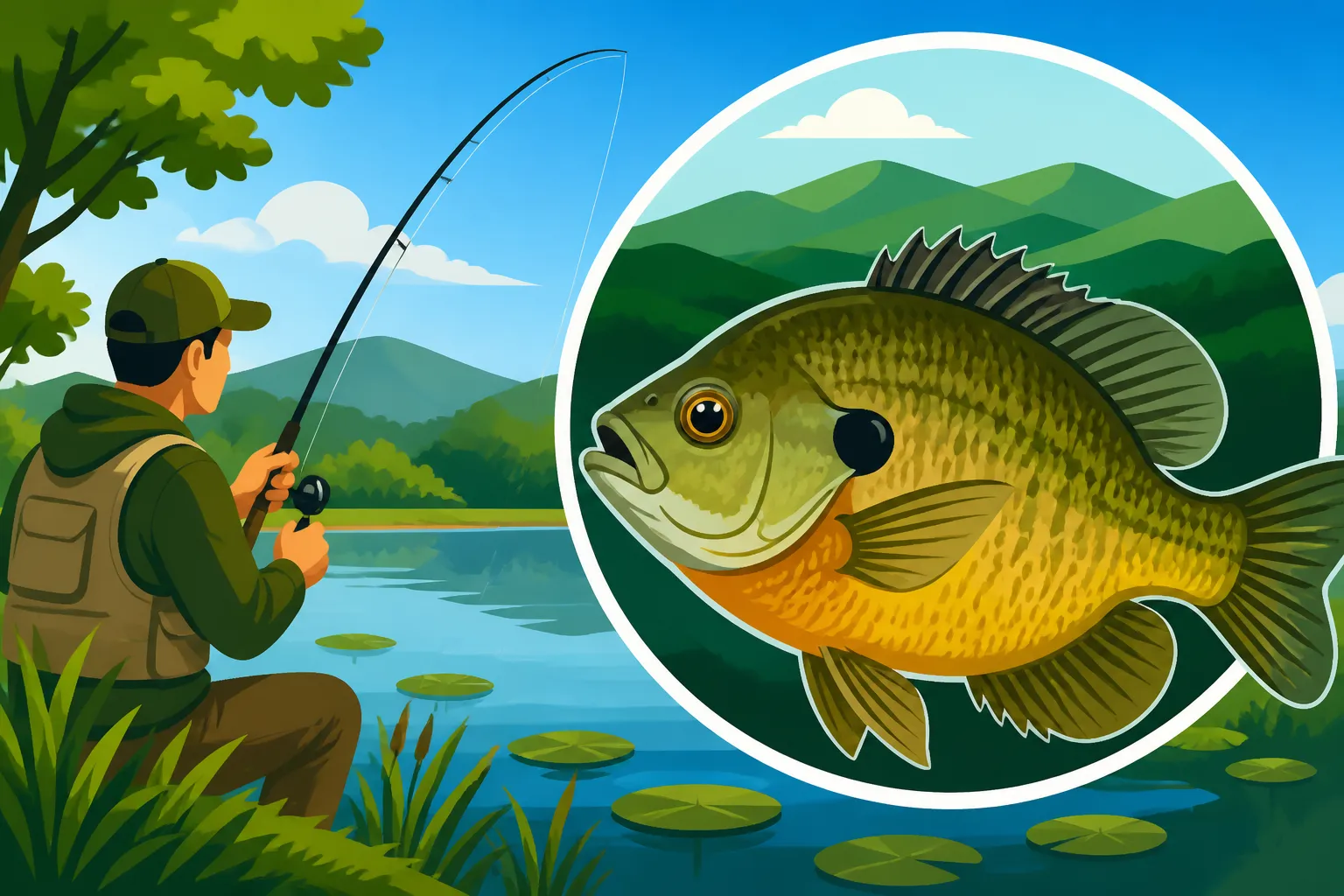
Panfish, a broad term that typically includes species like bluegill, crappie, and various sunfish, are often the unsung heroes of the angling world. They might not get the same glamour as a trophy muskie or a leaping smallmouth, but their sheer abundance, willingness to bite, and widespread distribution make them an absolutely fantastic target, especially for those new to fishing or looking for a relaxing day on the water.
The Accessibility and Fun Factor
One of the biggest draws of panfish is how accessible they are. You don't need a fancy boat or specialized equipment to catch them. A simple spinning rod, a handful of hooks, and some bait are often all it takes. This makes them perfect for introducing kids to the joys of fishing. There’s nothing quite like seeing a child’s face light up as they feel that first tug on the line, pulling in a vibrant bluegill or a speckled crappie. These fish are enthusiastic eaters, which means consistent action, keeping boredom at bay for even the youngest or most impatient anglers. Many of the best spots are also easily accessible, meaning you can often park close to the water and be fishing in minutes, which is a huge plus when you have little ones in tow.
Moreover, panfish are incredibly resilient and can thrive in a wide variety of habitats, from large reservoirs to small, unassuming ponds. Their abundance means that even if you're having an off day for other species, there's a good chance you can still tempt a panfish or two. They offer a fantastic opportunity to hone basic fishing skills, like casting accuracy, bait presentation, and setting the hook, without the pressure of trying to fool a notoriously picky predator. They’re truly a foundational fish species for any angler’s journey, building confidence and fostering a lifelong love for the sport.
A Delicious Reward for Your Efforts
Beyond the thrill of the catch, panfish also offer a delightful bonus: they are absolutely delicious. Many anglers consider bluegill and crappie to be some of the finest eating fish found in freshwater. Their mild, flaky white meat is perfect for a variety of cooking methods, whether you prefer them pan-fried, grilled, or baked. There's a certain satisfaction that comes from catching your own dinner, especially when it's as fresh and tasty as a mess of panfish.
Of course, responsible harvesting is key. While panfish populations are generally robust, it’s always important to be mindful of local regulations regarding West Virginia panfish limit for bluegill and crappie to ensure sustainability. Keeping a few for a meal while practicing catch-and-release for the rest is a great way to enjoy the bounty while preserving the resource for future generations. The act of cleaning your catch, while perhaps not as glamorous as the fishing itself, is an integral part of the experience for many, connecting you even more deeply to the food chain and the outdoor tradition.
Top Panfish Ponds and Lakes Near Charleston
Finding excellent fishing spots close to a metropolitan area like Charleston can sometimes feel like a treasure hunt. Many anglers assume they need to drive hours into the wilderness for quality fishing. However, the good news is that the West Virginia Division of Natural Resources (WVDNR) and local parks departments maintain several excellent waters within a reasonable drive, specifically well-suited for panfish. These spots offer convenience without sacrificing the quality of your fishing experience.
Kanawha State Forest Ponds (Charleston Area)
Nestled just a short drive south of Charleston, Kanawha State Forest is a true gem, offering a surprising escape into nature, complete with excellent fishing opportunities. The forest features several small ponds that are regularly stocked and managed to provide great angling, particularly for panfish. These ponds are incredibly accessible, often just a short walk from parking areas, making them ideal for families with young children or those with limited mobility. The calm waters are perfect for practicing casts and enjoying a peaceful morning or afternoon.
The primary species you'll encounter here are bluegill and other sunfish, along with some stocked trout during certain seasons. These ponds are relatively small, which means fish are often easier to locate, typically congregating around any available structure like downed logs, lily pads, or the edges of deeper pockets. Simple baits like worms, crickets, or small pieces of bread work wonders here. For artificial lure enthusiasts, tiny jigs or micro-spinners can be very effective, especially for more active fish. The forest itself provides a beautiful backdrop, with hiking trails and picnic areas, making it easy to turn a fishing trip into a full day of outdoor adventure. Always check the Kanawha State Forest website or WVDNR stocking schedules for the most up-to-date information on fish stockings and any specific pond rules.
Coonskin Park Lake (Elkview Area)
Just north of Charleston in Elkview, Coonskin Park is another fantastic local resource that boasts a lovely lake perfect for panfish. This park is a hub of activity, offering everything from playgrounds to disc golf, but its well-maintained lake often flies under the radar for many anglers. It’s a wonderfully convenient option for a quick fishing session without straying too far from the city. The lake is regularly stocked by the WVDNR, not just with trout during designated seasons, but it also holds a healthy population of panfish, primarily bluegill and crappie.
The lake at Coonskin Park offers good bank access, and while smaller boats like canoes or kayaks are sometimes permitted (always verify current rules with the park office), shore fishing is typically very productive. You'll often find crappie holding near any submerged brush or drop-offs, especially in the spring and fall. Bluegill are more ubiquitous, readily taking a worm under a bobber near weed lines or shallow areas. The park's amenities make it a perfect spot for a family outing – you can fish for a few hours, then enjoy a picnic or let the kids explore the playgrounds. It's truly one of the best shore fishing near Charleston West Virginia options for a relaxed and rewarding experience.
Hurricane Lake (Putnam County)
While a little further afield, about a 20-30 minute drive west of Charleston in Putnam County, Hurricane Lake is well worth the short trip, especially if you're looking for slightly larger waters and even more diverse angling opportunities. This lake is a focal point of Hurricane City Park and is known for its healthy populations of crappie and bluegill, along with other species like largemouth bass. Its size offers a bit more variety in terms of fishing spots and structure compared to some of the smaller ponds.
Hurricane Lake provides excellent bank access around much of its perimeter, and it also features a boat ramp, making it suitable for kayaks, canoes, and small jon boats if you prefer to get out on the water. For crappie, look for submerged timber or brush piles, particularly in deeper areas. Small jigs tipped with minnows or soft plastics are often irresistible. Bluegill are plentiful along the edges, especially near docks, lily pads, or any overhanging vegetation. The surrounding park offers fantastic amenities, including walking trails, playgrounds, and picnic shelters, making it an ideal destination for a full day of family fun that combines fishing with other outdoor activities. FishingBooker can sometimes list local guides or detailed access points for lakes like this, helping you find those hidden gems.
Dunbar City Park Lake (Dunbar Area)
Even closer to Charleston, the Dunbar City Park Lake provides a remarkably convenient option for anglers seeking a quick panfish fix. This smaller municipal lake, often overlooked, is a fantastic spot for a spontaneous fishing trip, especially if you’re pressed for time but still want to wet a line. It's a testament to how many smaller, accessible waters are scattered throughout the region if you know where to look.
The lake primarily offers bluegill and other sunfish, which are typically quite eager to bite. While not known for trophy-sized fish, it’s an excellent place for consistent action, making it perfect for beginners, children, or anyone just looking to relax. Bank access is good around most of the lake, and its compact size means you can easily walk the perimeter to find productive spots. Focus on areas with any cover or slight depth changes. Small worms, bread, or even bits of hot dog are often all you need to entice a bite. It’s a great example of a local spot where you can enjoy the simple pleasure of fishing without extensive travel or elaborate preparations, truly a hidden gem for quick outings.
Essential Gear and Simple Techniques for Panfish
One of the beautiful aspects of panfish fishing is its simplicity. You don't need to break the bank on high-end equipment, and the techniques are straightforward enough for anyone to master. This low barrier to entry makes it incredibly welcoming, particularly for new anglers or those looking for a laid-back fishing experience. However, a few basic items and an understanding of simple approaches can significantly increase your success and enjoyment.
Your Basic Panfish Tackle Box
When it comes to panfish, less is often more. You want tackle that is light and sensitive enough to detect their sometimes subtle bites, yet sturdy enough to handle a feisty bluegill.
- Rods and Reels: An ultralight or light-action spinning rod, typically in the 5 to 6.5-foot range, paired with a small spinning reel (size 1000 or 2000) is absolutely ideal. This setup is lightweight, easy to cast, and provides excellent feel. For a beginner, a quality Best Rod and Reel Combo for Beginners designed for panfish will serve you well for years.
- Line: Spool your reel with light monofilament line, typically 4 to 6-pound test. Monofilament is forgiving, easy to tie, and has enough stretch to prevent hooks from tearing out of a panfish's soft mouth.
- Hooks: Small, sharp hooks are crucial. Size 6 or 8 Aberdeen hooks are popular choices because they are thin-wired, making them less visible and easier to remove from a fish. Small jigs with tiny hooks are also very effective.
- Bobbers: A small, sensitive bobber (or float) is essential for suspending your bait at the right depth and signaling bites. Slip bobbers are versatile as they allow you to easily adjust your bait's depth, while clip-on bobbers are great for quick setups.
- Sinkers: A few split shot sinkers are all you need to get your bait down. Start with one or two small ones, adding more if you need to cast further or get deeper faster.
- Baits: Natural baits are king for panfish. Live worms (nightcrawlers, red wigglers), crickets, or mealworms are incredibly effective. For artificials, consider tiny jigs (1/32 to 1/16 ounce) in bright colors, small curly-tail grubs, or miniature inline spinners. These Best Tackle for Panfish suggestions cover all the bases.
Easy-to-Master Panfish Techniques
You don't need to be a fishing guru to catch panfish. The most effective techniques are often the simplest, relying on basic principles of presenting bait where fish are likely to be found.
- Bobber Fishing: This is the quintessential panfish technique and for good reason—it works! Attach a small bobber to your line, usually a foot or two above your hook, with a split shot sinker just above the hook to keep your bait down. Cast your rig near structure like submerged logs, weed beds, or dock pilings, and simply wait for the bobber to dip or disappear. This method is incredibly visual and exciting, especially for kids, as the bobber acts as a direct indicator of a bite. You can vary the depth until you find where the fish are holding.
- Jigging with Small Lures: For a more active approach, particularly for crappie, small jigs are incredibly productive. Tie a tiny jig (often dressed with a soft plastic grub or a marabou feather) directly to your line. Cast it out and retrieve it with a slow, steady retrieve, imparting small twitches with your rod tip, or let it sink and then gently lift and drop the rod tip to make the jig "dance" vertically. Crappie often prefer a subtle presentation, so don’t overwork the lure. This technique is also effective for bluegill, especially larger ones that are more aggressively feeding.
- Casting Small Spinners: If panfish are actively feeding and chasing baitfish, small inline spinners or beetle spins can be very effective. Cast these lures out and reel them in at a steady pace, just fast enough to get the blade spinning. The flash and vibration can draw fish from a distance, appealing to their predatory instincts. This is a great technique to cover water and find active fish quickly, especially in slightly larger ponds or sections of lakes.
Remember that panfish, regardless of species, love cover and structure. They’ll often hide near submerged brush, weed lines, docks, lily pads, or drop-offs, as these areas provide both protection from predators and ambush points for their own food. Pay close attention to these areas when you're casting.
Planning Your Panfish Adventure Near Charleston
A successful and enjoyable fishing trip isn't just about the right gear or knowing where to cast; it's also about proper planning. Understanding local regulations, knowing the best times to fish, and making sure you’re prepared can make all the difference between a frustrating outing and a memorable one.
Checking Regulations and Licenses
Before you even tie a knot, the most critical step is ensuring you're compliant with West Virginia’s fishing laws. Every angler 15 years and older needs a valid West Virginia Fishing License Guide for 2026. This isn't just a recommendation; it's a legal requirement, and fines for fishing without a license can be substantial. You might be wondering, "How much does a West Virginia fishing license cost?" The price varies based on residency and the type of license you choose, whether it's an annual license or a short-term option.
It’s also important to remember that while the general rule is age 15, there are specific guidelines on West Virginia fishing license age requirements and certain exemptions, such as for very young children or during free fishing days. Always check the official West Virginia Fishing Regulations Explained summary for the most up-to-date information on daily creel limits and possession limits for various species, including panfish. While panfish limits are generally generous, it's good practice to be aware. You can easily purchase your license online through the WVDNR website, or find a local vendor using a West Virginia DNR license agent list.
Best Times and Conditions
Timing can play a huge role in the success of your panfish trip. While panfish are often willing biters throughout the day, certain periods tend to be more productive.
- Seasons: Spring and fall are generally considered prime seasons for panfish in West Virginia. In spring, fish become very active as water temperatures rise, moving into shallower areas to spawn. Fall offers another burst of activity as fish feed heavily in preparation for winter. During the heat of summer, early mornings and late evenings often provide the best action as fish seek cooler water and are more active during lower light conditions. For a broader look at seasonal opportunities, check out our guide on West Virginia Fishing Seasons by Month.
- Time of Day: Like many fish, panfish are often most active during periods of low light, meaning early mornings just after dawn and late evenings leading up to dusk. During these times, they feel safer from predators and are more inclined to feed in shallower waters. Overcast days can also extend these productive periods throughout the day.
- Weather: Stable weather conditions are generally preferable. A light overcast sky can be ideal, as it reduces glare on the water and makes fish feel less exposed. Avoid fishing immediately after a heavy cold front rolls through, as the sudden change in barometric pressure can make fish lethargic. However, a gentle rain can sometimes surprisingly turn on a bite, washing insects and nutrients into the water.
Maximizing Your Trip Experience
Beyond the fishing itself, making your trip comfortable and enjoyable for everyone involved is paramount, especially when fishing with family.
- Comfort is Key: Pack plenty of water and snacks, especially on warmer days. Sunscreen, hats, and sunglasses are non-negotiable for sun protection. A comfortable chair can make bank fishing much more enjoyable. Don't forget bug spray, especially during warmer months near standing water.
- Family Fun: Panfishing is truly one of the best ways to get the whole family involved. Encourage kids to help with baiting hooks, casting, and even unhooking fish (with supervision). Make it an educational experience by teaching them about the fish, their habitat, and the importance of conservation. Even if the fish aren't biting, the time spent together in nature is invaluable.
- Leave No Trace: Always practice good stewardship. Pack out everything you pack in, including all trash, discarded fishing line, and bait containers. Protect the natural beauty of these West Virginia fishing spots for everyone to enjoy. If you're looking for more specific guidance or even charter services for other types of fishing, FishingBooker can be a useful platform to explore various options and ensure you have all the necessary details for a seamless outing.
Panfish Pond Comparison Near Charleston
To help you quickly decide which panfish pond or lake near Charleston is best for your next trip, here’s a handy comparison table. This breaks down key features at a glance, allowing you to tailor your choice to your specific needs, whether that’s convenience, amenities, or particular species you're targeting.
| Location | Primary Panfish Species | Distance from Charleston (Approx.) | Key Amenities | Best For |
|---|---|---|---|---|
| Kanawha State Forest Ponds | Bluegill, various sunfish, stocked trout (seasonal) | 15-20 minutes | Hiking trails, picnic areas, restrooms | Quick trips, family outings, beginners |
| Coonskin Park Lake | Bluegill, crappie, various sunfish | 15-20 minutes | Playgrounds, disc golf, picnic shelters, restrooms | Family fun, easy access, diverse park activities |
| Hurricane Lake | Crappie, bluegill, various sunfish | 20-30 minutes | Boat ramp, walking trails, playgrounds, restrooms | Longer trips, small boat access, variety of species |
| Dunbar City Park Lake | Bluegill, various sunfish | 10-15 minutes | Playgrounds, green space, restrooms (nearby) | Very quick trips, local convenience, pure relaxation |
Remember that these are general guidelines, and conditions can change. It's always a good idea to check the specific park or WVDNR websites for any recent updates or alerts before heading out.
Disclaimer
Please note that fishing regulations, stocking schedules, and park amenities can change. Always consult the official West Virginia Division of Natural Resources (WVDNR) website and specific park rules and regulations before planning your trip to ensure you have the most current and accurate information. This guide is for informational purposes only.