Best kayak launch points on Summersville Lake
Finding the perfect spot to launch your kayak on Summersville Lake can feel a bit like searching for hidden treasure, especially if you're new to the area or just want to avoid the crowds. With its vast, sprawling waters and dramatic cliffs, knowing the best access points for a smooth, enjoyable paddle or a productive fishing trip makes all the difference. This guide is here to walk you through the top kayak launch points around Summersville Lake, helping you plan your next adventure with ease and confidence.
Understanding Summersville Lake for Kayak Anglers
Summersville Lake, often called the "Little Bahamas of the East" due to its stunningly clear, turquoise waters, is a jewel in West Virginia's crown. But beyond its beauty, it's a massive body of water, over 2,700 acres when at full summer pool, boasting deep channels, rocky points, and submerged timber. Understanding its unique characteristics is key to a successful kayak outing.
The Unique Character of Summersville Lake
This isn't your average placid pond. Summersville Lake is an Army Corps of Engineers flood control impoundment, which means its water levels can fluctuate significantly throughout the year. During the spring and summer, it's typically at its highest, offering vast expanses of water and easy access to coves and tributaries. By fall and winter, however, the lake can be drawn down considerably, sometimes by dozens of feet, drastically changing the shoreline and making some launch points difficult or even impossible to use. This fluctuation is a critical factor for kayak anglers, as what was a convenient launch in July might be a muddy bank far from the water's edge in October.
The lake's topography is also a major consideration. Sheer sandstone cliffs drop directly into deep water in many areas, while other sections feature more gradual, wooded slopes and numerous coves. These features not only create breathtaking scenery but also provide diverse fishing habitats. Kayak anglers need to be prepared for both deep-water fishing along cliff faces and exploring shallower pockets for various species. For more on the lake's diverse offerings, check out our comprehensive Summersville Lake Fishing Guide.
General Considerations for Kayak Launches
When choosing a launch point, there are several practical considerations beyond just getting your kayak to the water. Parking is paramount, especially on busy weekends. Some public launches offer large, paved lots, while others might have smaller, gravel areas or even informal roadside pull-offs. Fees can also be a factor; some developed areas, especially those managed by campgrounds or marinas, may have a day-use fee.
Amenities are another big one. Are there restrooms nearby? Picnic areas for a pre- or post-paddle meal? Trash receptacles? These seemingly small details can greatly enhance your experience, particularly if you're bringing family or spending a full day on the water. Finally, consider boat traffic. Summersville Lake is popular with powerboaters, jet skiers, and sailboats. Launching from a busy ramp means sharing the water, which can be challenging, especially for smaller kayaks. Early mornings or weekdays generally offer a calmer experience.
Top Kayak Launch Points on Summersville Lake
Knowing where to put in your kayak is half the battle. Summersville Lake offers a variety of access points, from fully developed ramps to more rustic carry-down spots. Here are some of the most popular and practical options for kayak anglers.
Battle Run Campground & Day-Use Area
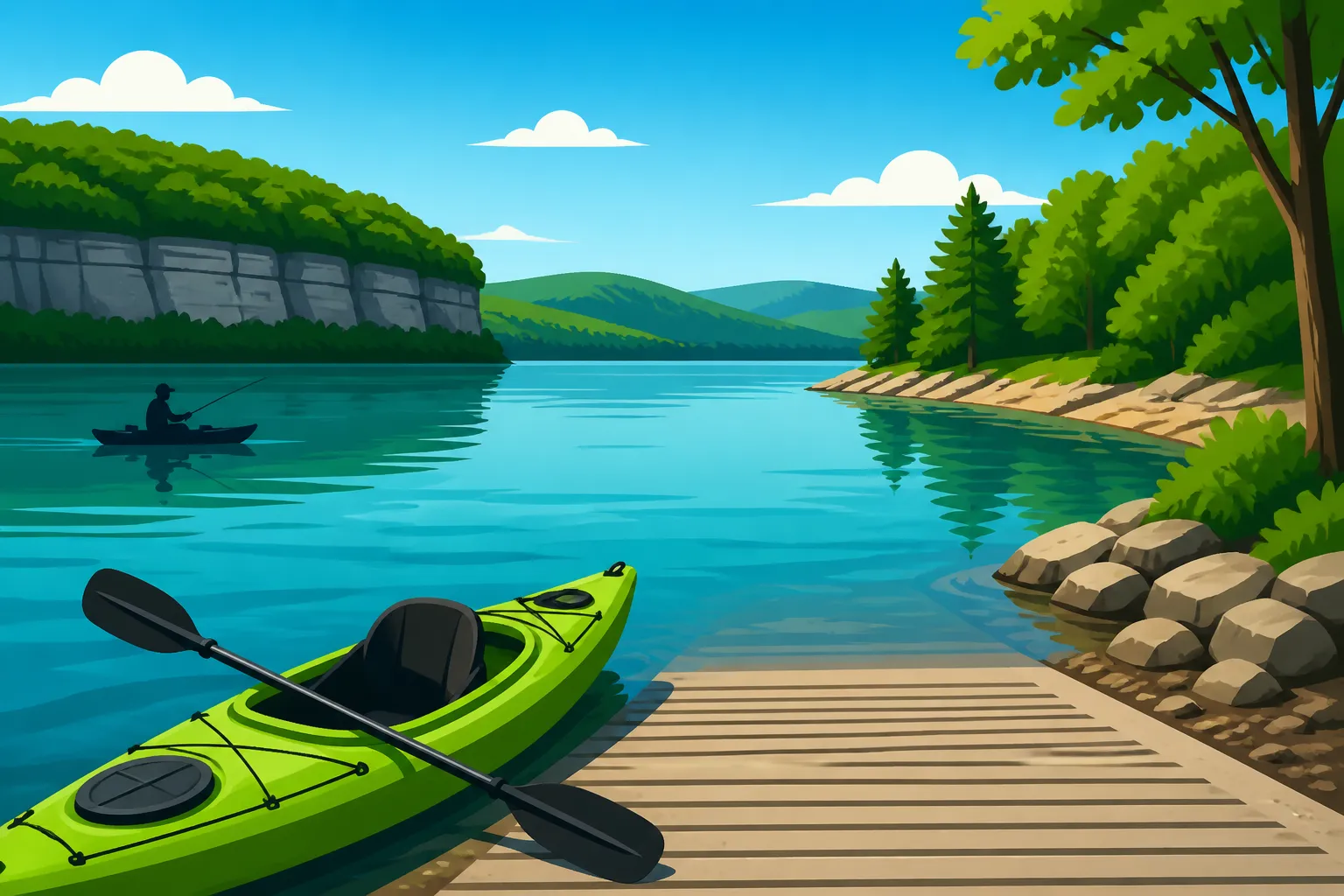
Without a doubt, Battle Run is one of the most popular and well-equipped access points on Summersville Lake. Managed by the Army Corps of Engineers, it provides excellent facilities that cater to a wide range of recreational users, including kayakers.
- Pros: The biggest advantage here is the paved boat ramp, which makes for a relatively easy and smooth launch for almost any type of kayak. There's ample parking, typically able to accommodate many vehicles, though it can still fill up fast on summer weekends. Battle Run boasts clean restrooms, potable water, and picnic areas, making it a great spot for a full day out with family or friends. The area immediately surrounding the launch is relatively sheltered, which can be nice for beginners or on windy days, though you'll want to be mindful of larger boat traffic. You can also find some decent fishing relatively close to the launch, especially for crappie and bass in the nearby coves.
- Cons: Because it's so popular and well-appointed, Battle Run can get incredibly crowded, particularly from late spring through early fall. This means long lines at the ramp, a bustling parking lot, and increased boat traffic on the water, which might detract from the peaceful kayak experience many anglers seek. There's usually a small day-use fee as well. If you're looking for truly secluded fishing spots, you'll likely need to paddle a considerable distance from this launch.
- Fishing Relevance: From Battle Run, anglers can easily access the large main body of the lake. Paddling towards the various coves and points offers opportunities for largemouth and smallmouth bass. It's also a good starting point for exploring deeper water if you're targeting walleye. For tips on specific species, consider learning more about Best Bass Fishing Techniques for Summersville Lake.
Long Point Marina & Education Center
Long Point is another highly developed access point, offering a slightly different experience than Battle Run, often appealing to those looking for quick access to the main lake.
- Pros: Long Point features excellent facilities, including a paved boat ramp, sufficient parking (though sometimes a bit of a walk from the kayak drop-off point), and typically some on-site amenities like a store or food service during peak season. What sets Long Point apart is its direct access to deeper parts of the lake. If you're keen on targeting species that prefer deeper, open water like walleye or hybrid striped bass, this launch can get you there faster. While the marina itself can be busy with larger boats, the specific kayak launching might feel a bit less congested than a main ramp shared by all types of vessels. Sometimes, you can find kayak rentals here if you're traveling light.
- Cons: Similar to Battle Run, Long Point sees significant traffic from larger motorboats, which means you'll need to be extra vigilant, especially when paddling near the main marina area. The walk from parking to the actual water can be a bit longer than at Battle Run, requiring more effort to haul your kayak and gear. Depending on the time of year, fees may apply for launching or parking.
- Fishing Relevance: Long Point provides prime access to the central and deeper sections of Summersville Lake. This makes it an ideal launch for anglers focusing on walleye, particularly with trolling or jigging techniques in the deeper channels and along the dam face. It's also a great spot to launch if you plan to explore the remote, cliff-lined western shores where smallmouth bass often hold.
Salmon Run (Near Dam)
While "Salmon Run" often refers to the downstream access for the Gauley River, there are also informal access points on the Summersville Lake side near the dam that are sometimes referred to by locals this way or simply "Dam Access." These are often less developed but offer unique advantages.
- Pros: Access points closer to the dam on Summersville Lake itself (not the tailwater below) are fantastic for reaching some of the lake's deepest and coolest waters quickly. This area tends to have less large boat traffic due to its proximity to the dam and potentially restricted zones, which can offer a more peaceful kayak experience. These spots often involve less official launches, sometimes just a gravel pull-off, meaning fewer crowds and potentially no fees. For anglers, this proximity to deep, clear water is excellent for targeting larger smallmouth bass and walleye that congregate around structures near the dam.
- Cons: The informal nature of these launches means amenities like restrooms or paved parking are generally non-existent. Access might be steeper, requiring you to carry your kayak down an uneven bank, which can be challenging with heavier fishing kayaks. Parking can be extremely limited, often just roadside pull-offs, so it's best for early arrivals. Wind can also be a significant factor in this more exposed part of the lake.
- Fishing Relevance: This area is a hotspot for anglers focusing on Smallmouth Bass Fishing in West Virginia and Walleye Fishing in West Virginia. The deep rocky points, ledges, and drop-offs near the dam are classic holding patterns for these species. Anglers can work soft plastics, jigs, or even small crankbaits effectively in these areas.
Other, More Primitive/Shoreline Access Points
Beyond the main developed ramps, Summersville Lake is dotted with numerous less-formal access points that are perfect for adventurous kayakers and those seeking solitude.
- Pros: The biggest draws of primitive access points are seclusion and the absence of fees. These spots often put you directly onto overlooked coves, quiet backwaters, or productive shoreline stretches that larger boats can't easily reach or don't bother with. This can lead to fantastic fishing opportunities away from pressure. Sometimes, these are simple pull-offs along roads like US-19 or secondary roads that dead-end near the lake. They offer a real sense of wilderness and a chance to truly connect with nature.
- Cons: The trade-off for seclusion is usually a complete lack of amenities. No restrooms, no trash cans, no paved parking. You'll likely be carrying your kayak down steep, rocky, or muddy banks, which requires more physical effort and the right gear. Parking is almost always limited and informal, sometimes just a shoulder on the road. There's also an increased risk if you're not familiar with the area, as cell service can be spotty in remote sections, and help might be further away in an emergency.
- Fishing Relevance: These hidden gems are often prime for targeting a variety of species. Shallow, woody coves accessible via primitive launches can be fantastic for largemouth bass and panfish. Rocky points and ledges found from these spots can hold smallmouth bass. Exploring these areas requires a good map and a willingness to explore, but the rewards can be significant. It's often the best way to find those untouched fishing havens. If you're looking for unique fishing experiences, even booking a guided trip through services like FishingBooker can help you discover these lesser-known, productive areas.
Here's a quick comparison of the main launch points for kayak fishing on Summersville Lake:
| Launch Point | Access Type | Parking | Amenities | Typical Crowds | Key Fish Species |
|---|---|---|---|---|---|
| Battle Run Campground & Day-Use Area | Paved Boat Ramp | Ample (can fill fast) | Restrooms, Picnic, Water | High | Largemouth/Smallmouth Bass, Crappie |
| Long Point Marina & Education Center | Paved Boat Ramp | Ample (further walk) | Restrooms, Store, Rentals | Moderate-High | Walleye, Smallmouth Bass, Hybrids |
| Salmon Run (Near Dam) | Primitive/Gravel | Limited | Very few to none | Low-Moderate | Smallmouth Bass, Walleye |
| Primitive/Shoreline Access (Various) | Carry-down | Very Limited/Informal | None | Very Low | Bass, Panfish, Trout (seasonal) |
Essential Tips for Kayak Fishing on Summersville Lake
Launching your kayak is just the first step. To truly enjoy and make the most of your time on Summersville Lake, especially when fishing, a few key considerations will make your trip safer and more productive.
Safety First on Big Water
Summersville Lake is a big lake, and while stunningly beautiful, it demands respect. Safety should always be your top priority. Always wear a personal flotation device (PFD) – it's not just a good idea, it's often a legal requirement and could save your life. The weather in West Virginia can change rapidly, with sunny skies quickly turning into sudden thunderstorms or strong winds whipping up whitecaps. Always check the forecast before heading out, and be prepared to get off the water if conditions deteriorate. Understanding West Virginia Boating Laws for Anglers will also enhance your safety.
Another critical safety aspect is awareness of other boat traffic. On busy days, powerboaters might not always see a low-profile kayak, so bright clothing and flags are advisable. Always try to maintain a safe distance from larger vessels and be predictable in your movements. Cell phone service can be spotty in certain parts of the lake, especially in the more secluded coves, so inform someone of your float plan and expected return time. A small air horn or whistle can also be useful for signaling.
Planning Your Kayak Fishing Trip
Successful kayak fishing on Summersville Lake relies heavily on good planning. First, always check the current lake levels. As mentioned, Summersville is a flood control lake, and its levels can vary drastically. Low water can expose hazards, make launching difficult, and change fish behavior. You can often find current lake levels on the Army Corps of Engineers website or local fishing forums.
Understanding the seasonal fish patterns is also crucial. For example, during spring, bass might be found in shallower coves, while in summer, they'll often move to deeper points and submerged timber. Walleye are generally deeper throughout much of the year but can be found shallower during low light. Knowing the West Virginia Fishing Seasons by Month will give you a major advantage. Equip yourself with the right gear for your target species; for smallmouth, that might mean a variety of crankbaits and soft plastics, while for walleye, jigs and trolling gear could be more effective. If you're serious about your bass game, read up on Best Tackle for West Virginia Smallmouth Bass.
Respecting the Environment and Other Anglers
As stewards of our beautiful natural resources, it's vital to practice responsible angling. This means adhering to catch and release principles, especially for larger or sensitive species like muskie, which helps maintain healthy fish populations. Always handle fish gently, minimize their time out of water, and use proper de-hooking tools.
"Leave No Trace" principles are essential. Pack out everything you pack in, including all trash, fishing line, and any other waste. Be mindful of disturbing wildlife or other anglers. Give them space, keep noise to a minimum, and respect private property lines if you're near shoreline developments. Summersville Lake is a shared resource, and by being considerate, we ensure everyone can enjoy its beauty for years to come.
Gear and Logistics for a Successful Summersville Lake Kayak Trip
Having the right gear and knowing where to turn for local knowledge can elevate your kayak fishing experience from good to absolutely fantastic on Summersville Lake.
Kayak and PFD Selection
Choosing the right kayak is paramount for Summersville Lake. Given its size and potential for wind and boat chop, stability is key. A sit-on-top fishing kayak is often the preferred choice for its inherent stability, open deck space for gear, and ease of re-entry should you take a spill. Look for kayaks with good tracking (how straight it paddles) and sufficient storage for all your tackle, cooler, and safety gear. Pedal-drive kayaks, like those from Hobie or Old Town, are excellent for covering large expanses of water and allowing hands-free fishing, but paddle kayaks are perfectly capable too. For a deeper dive, check out our guide to Best Kayaks for West Virginia Fishing.
As for your PFD, don't skimp! A comfortable, fishing-specific PFD with pockets and attachment points will make it much more likely you'll wear it all day. Ensure it fits properly and is Coast Guard approved.
Essential Kayak Fishing Accessories
Beyond the kayak and PFD, a few accessories are absolutely crucial for a productive and safe trip on Summersville:
- Anchor System: Summersville Lake can be windy, and current can be present, especially near inflows or the dam. A lightweight anchor system (like a grappling anchor or a drag chain) with a trolley system (to adjust anchor position along the side of your kayak) is invaluable for holding your position over structure.
- Rod Holders: Integrated or aftermarket rod holders keep your rods secure while paddling, fighting fish, or simply moving between spots.
- Fish Finder: Even on a kayak, a portable fish finder can be a game-changer for locating structure, baitfish, and target species in a deep lake like Summersville. There are many excellent Best Fish Finders for West Virginia Lakes options available that are perfect for kayaks.
- Dry Bags: Protect your electronics, extra clothing, and snacks from splashes or an unexpected capsize.
- Safety Equipment: Always carry a whistle (often integrated into PFDs), a bright light if there's any chance of being out after dusk, and a small first-aid kit.
- Paddle Leash: An absolute must-have! Losing your paddle on big water is a nightmare scenario.
Local Resources and Information
Don't underestimate the value of local knowledge. Before you head out, consider stopping by a local bait and tackle shop in towns like Summersville or Fayetteville. The folks working there are often avid local anglers themselves and can provide invaluable, up-to-the-minute information on hot spots, current lake conditions, and what baits are working best.
If you're looking to really shorten the learning curve or target a specific trophy, consider hiring a local fishing guide. They know the lake intimately, understand fish patterns, and can take you directly to productive areas. Services like FishingBooker can help you connect with experienced local guides who specialize in kayak fishing on Summersville Lake, offering a fantastic way to learn the ropes and increase your chances of a successful trip. They often have all the gear, so you just show up and fish! Online forums and local social media groups for West Virginia fishing can also be great resources for gathering information and connecting with fellow anglers.
Disclaimer
The information provided in this guide is for general informational purposes only. Fishing regulations, lake conditions, and access policies can change. Always check the latest West Virginia Division of Natural Resources (WVDNR) regulations and local notices before heading out. Exercise caution and common sense when recreating on the water.