Where to fish for muskie on the Little Kanawha River
Trying to find those elusive muskie can feel like searching for a ghost sometimes, especially when you're targeting a specific, winding river like the Little Kanawha. It’s a challenge that many West Virginia anglers face, wondering if they're even in the right spot, let alone using the right gear. This comprehensive guide is here to cut through that frustration, providing you with detailed, real-world insights into exactly where and how to fish for muskie on the Little Kanawha River, maximizing your chances of a successful and memorable catch.
Understanding the Little Kanawha River's Muskie Habitat
The Little Kanawha River, often affectionately called the "Little K" by locals, carves its way through West Virginia, offering a unique and often overlooked fishery for muskie. It's not the New River or the Ohio, but it holds its own, presenting different challenges and rewards. Understanding the river's characteristics is the first step to unlocking its muskie potential.
River Characteristics and Ideal Muskie Lair
The Little Kanawha River is a fascinating blend of slow pools, moderate currents, and shallower runs, making it a diverse habitat for muskie. Unlike some of the larger, deeper rivers, the Little K offers more intimate fishing opportunities. You’ll find a mix of rocky bottoms, silt, and plenty of woody debris, which are all key ingredients for muskie hangouts.
Muskies are ambush predators, and they love structure. Think about fallen trees that create current breaks and deep pockets, large boulders that disrupt flow, and underwater weed beds (though less common in some sections). These are the prime locations where a muskie will sit, waiting for an unsuspecting meal to swim by. The river's varying depths also play a crucial role; while muskie can be found in shallower water, especially during certain times of the year, they often retreat to deeper holes during harsh weather or intense sunlight. Keep an eye out for bends in the river where the current has scoured out a deeper channel on the outside bend. Also, the mouths of feeder creeks can be absolute hotspots, especially after a rain, as they wash in baitfish and nutrients, creating an attractive feeding zone for muskie. Identifying these subtle changes in the riverbed or current can make all the difference in locating these apex predators.
Seasonal Patterns and Muskie Activity
Muskie fishing on the Little Kanawha, like anywhere else, is heavily influenced by the seasons. Understanding these patterns will dictate not only where you fish but also what techniques you employ.
- Spring (Post-Spawn): After the spring spawn, which typically occurs when water temperatures are in the mid-40s to low 50s Fahrenheit, muskie are often recovering and can be found in shallower areas. They'll be feeding aggressively to regain energy, making them somewhat more predictable. Look for them around spawning grounds, which are usually weed beds or woody debris in shallow bays or slower sections of the river. Early spring, especially March and April, can be fantastic for targeting these hungry fish. However, remember to respect their post-spawn vulnerability and practice careful catch and release. For more on how these fish behave throughout the year, check out our guide on Muskie Life Cycle and Growth Rate in West Virginia Waters.
- Summer: As water temperatures rise into the 70s, muskie activity shifts. They become more active during low light hours – dawn, dusk, and even at night. During the day, they'll often retreat to deeper, cooler water, or seek out dense cover like thick log jams and shaded banks. Fishing a little later in the evening or very early in the morning can be highly productive. Focus on areas with good shade, deeper pools, and current breaks created by large structures.
- Fall: This is often considered the peak season for trophy muskie on the Little Kanawha, as the fish enter their "fall feed" to bulk up for winter. As water temperatures drop into the 60s and 50s, muskie become incredibly active and aggressive. They will follow baitfish into shallower flats and along current seams, making them more accessible. This is when you want to be on the water, throwing big baits and putting in your time. Our guide on Best Techniques for Fall Muskie Fishing can offer even more specific strategies for this prime season.
- Winter: While many anglers put their gear away, hardcore muskie enthusiasts know that winter can produce some giants. Muskie are much slower in cold water, but they still need to feed. They'll typically be found in the deepest, slowest pools of the river, often congregating in these areas. Downsizing baits and slowing your retrieve significantly can be effective. It’s not for the faint of heart, but the rewards can be incredible.
Prime Access Points and Productive Hotspots on the Little Kanawha
Finding the right spot to drop your line is half the battle when muskie fishing. The Little Kanawha has several accessible areas, but knowing how to interpret the water once you're there is key.
Key Public Access Areas Along the River
The Little Kanawha River winds through several counties, offering various public access points. While some are more developed than others, they all provide a gateway to muskie territory.
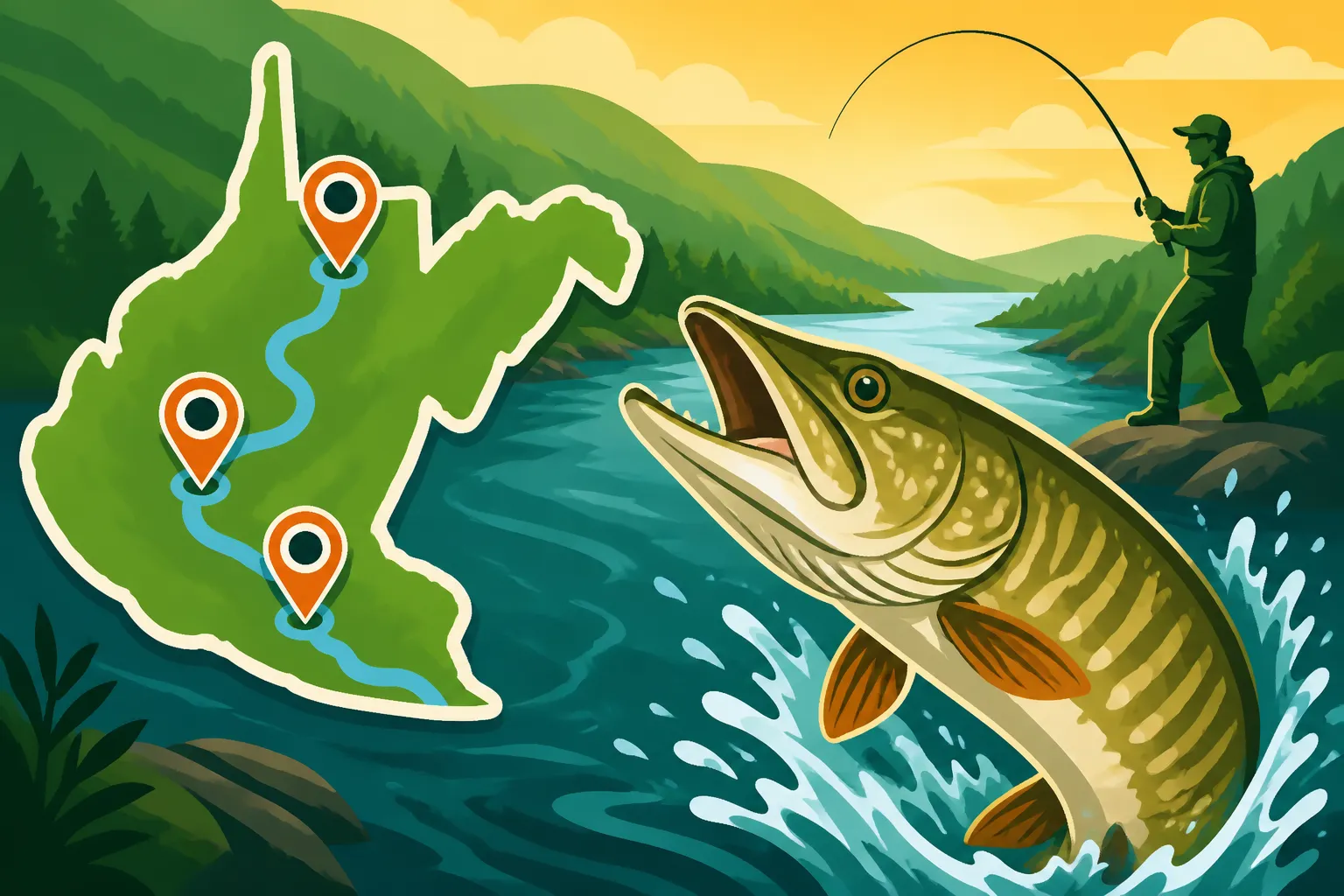
- Palestine/Wirt County Access: Near Palestine, there's a good public access point that many local anglers utilize. This area often features deeper pools and a mix of current and slower water, making it prime muskie habitat. The river here also has a decent amount of woody structure, perfect for ambush points. It's relatively easy to launch a small boat or kayak, or even wade in certain sections, depending on water levels.
- Burning Springs Access (Wirt County): Further downstream, Burning Springs offers another solid access point. This stretch of the river is known for some good deeper runs and significant current breaks. The historical oil and gas activity in this area means you might find some interesting, less-obvious structure underwater from old infrastructure, creating excellent muskie holding spots. Anglers often find success working the banks and around any visible structure like rock piles or log jams.
- Grantsville/Calhoun County Access: Upstream, around Grantsville, you'll find different characteristics, often a bit narrower with more defined pools and riffles. This area can be excellent for smaller boats or kayaks, allowing you to cover water more quietly and effectively. Focus on the transition areas between shallow and deep, and anywhere the current slows or changes direction dramatically. Look up local boat ramps or public fishing areas in these towns through the West Virginia Department of Natural Resources (WVDNR) website for the most current information. Many guides listed on platforms like FishingBooker might also detail their preferred launch sites for specific sections of the Little Kanawha.
Reading the River for Muskie Gold
Just getting to the river isn't enough; you need to know what to look for. Muskie are creatures of habit and structure.
- Current Seams and Eddies: These are prime feeding zones. A current seam is where fast-moving water meets slower water. Muskies will sit in the slower water, waiting for baitfish to be swept past in the faster current. Eddies, which are circular currents, often form behind large obstacles like boulders or fallen trees, creating a resting and ambush spot. Target these transition zones with precision casts.
- Submerged Structure: This is paramount. Look for anything that breaks the monotony of the river bottom: rock piles, log jams, stumps, and even old bridge pilings. If you’re in a boat with sonar, spend time idling and mapping out these hidden gems. For wading anglers, observe how the current flows and look for tell-tale signs on the surface that indicate underwater obstructions. Deeper holes downstream from rapids or sharp bends are also consistent producers.
- Confluence Points: Where smaller creeks or streams enter the Little Kanawha, these can be muskie magnets. These feeder streams often bring in cooler, oxygenated water and a fresh supply of baitfish, especially after a rain. Fish the immediate area where the two bodies of water meet, as well as upstream and downstream a short distance.
- Vegetation Edges: While not as prevalent as in some lakes, any existing submerged weed beds or patches of lily pads offer excellent cover for muskie. Fish the edges of these patches thoroughly, as muskie will use them to ambush prey.
Effective Techniques and Baits for Little Kanawha Muskie
Muskie fishing is often described as "the sport of 10,000 casts," but with the right techniques and baits, you can certainly improve your odds on the Little Kanawha. It’s all about presentation and persistence.
Lure Selection and Presentation Strategies
Muskie on the Little Kanawha will hit a variety of lures, but some stand out as consistent producers. The key is often to use larger baits that mimic their natural prey, like suckers, carp, or even smaller bass and panfish.
- Bucktails: These are perhaps the most iconic muskie lures. Their pulsating flash and vibration are irresistible. On the Little Kanawha, single-bladed bucktails (like a Musky Innovations Bull Dawg or Mepps Musky Killer) are great for covering water quickly in shallower areas or over submerged structure. Tandem bucktails offer more flash and vibration, excellent for drawing strikes in stained water or aggressive fish. Vary your retrieve speed – a fast retrieve often triggers a reaction strike, but don't be afraid to slow it down when conditions dictate.
- Crankbaits and Jerkbaits: Large crankbaits (e.g., Rapala Super Shad Rap, Livingston Lures Titan) that dive to various depths can be incredibly effective, especially in deeper pools or along steep banks. Choose colors that mimic local baitfish or bright, obnoxious patterns for stained water. Jerkbaits (like a Bondy Bait Original or a Livingston Lures Head Hunter) are fantastic for working specific structures. Their erratic, darting action often infuriates muskie into striking. Use a "twitch, twitch, pause" retrieve, varying the pause length to see what the fish respond to.
- Glide Baits and Swimbaits: These lures offer a more subtle, yet highly effective, presentation. Glide baits (like a Phantom Softail Glide Bait) have a wide, S-shaped swimming action when retrieved with short, sharp twitches. Swimbaits, both hard and soft (e.g., Megabass Magdraft, SPRO BBZ-1 Swimbait), mimic baitfish with incredible realism. These are excellent for following bait schools or working the edges of weed lines and submerged timber.
- Soft Plastics and Rubber Baits: Larger soft plastics (like a Drifter Tackle Believer or a Chaos Tackle Medussa) can be fished slowly and deliberately, often in colder water or when muskie are finicky. They offer a larger profile and a more natural feel. Rig them on heavy jig heads and bounce them along the bottom or swim them through cover.
- Topwater Lures: In low-light conditions, especially during summer mornings or evenings, a topwater lure (e.g., Bucher TopRaider, Whopper Plopper) can create explosive strikes. The sound and commotion on the surface can draw muskie from surprising distances. This is arguably the most exciting way to catch a muskie!
Remember to perform a "figure-eight" at the boat or bank on every retrieve. Muskie are notorious for following a lure right to the end before striking. A well-executed figure-eight can often trigger that last-second attack. To learn more about specific lure choices, check out our Best Lures for Muskie Fishing in West Virginia guide.
Essential Gear for River Muskie Angling
Muskie fishing demands specialized gear that can handle powerful fish and heavy lures. Don't skimp here, as cheap gear will often fail when you need it most.
- Rods: You'll want heavy or extra-heavy power baitcasting rods, typically 8 to 9 feet long. The length helps with casting those big baits and provides leverage to control a fighting muskie. Brands like St. Croix (Legend Tournament Musky series) or Shimano (Muskie series) are popular for their durability and backbone.
- Reels: Pair your heavy rod with a robust baitcasting reel designed for muskie. Look for models with a strong drag system, high line capacity, and a solid gear ratio for retrieving big lures. Reels like the Shimano Tranx, Daiwa Lexa, or Abu Garcia Revo Toro Beast are popular choices.
- Line: Braided line is almost a necessity for muskie fishing. Its lack of stretch provides excellent feel for strikes and allows for powerful hook sets. Opt for 80-100 lb test braided line. You'll need a heavy fluorocarbon or wire leader, usually 12-18 inches long, to prevent bite-offs. Muskie teeth are razor sharp!
- Leaders: A high-quality leader is non-negotiable. Fluorocarbon leaders in the 100-150 lb test range are popular for their abrasion resistance and stealth. Heavy wire leaders are also effective, especially for lures with treble hooks that could get tangled in the leader during a fight.
- Landing Net: A large, muskie-specific landing net is essential for safe handling and release. Look for nets with a wide hoop and a deep, rubberized mesh to protect the fish's slime coat.
- Pliers and Hook Cutters: Heavy-duty, long-nosed pliers are critical for safely removing hooks from a muskie's toothy mouth. A good pair of bolt cutters or heavy-duty hook cutters are also vital in case a hook is deeply embedded or the fish is thrashing, allowing you to quickly cut the hook and release the fish. For a deeper dive into gear, see our article on Best Muskie Gear for West Virginia Rivers.
Conservation and Responsible Muskie Angling
Muskie are a prized game fish, and their populations, especially in river systems like the Little Kanawha, require careful management and responsible angling practices. It’s about protecting the future of this incredible fishery.
Best Practices for Catch and Release
Muskie are highly susceptible to stress, especially after a prolonged fight or improper handling. Practicing proper catch and release is not just a suggestion; it's vital for sustaining the muskie population in the Little Kanawha.
- Minimize Fight Time: While you want to enjoy the fight, prolonged battles exhaust the fish and increase its chances of post-release mortality. Use appropriately heavy gear to subdue the fish as quickly as possible.
- Keep the Fish in the Water: The absolute best practice is to keep the muskie in the water as much as possible. This protects their delicate slime coat, which is crucial for disease resistance. If you must remove the fish for a quick photo, do so quickly and keep it horizontal, supporting its body. Avoid holding it vertically by the jaw or gill plate, which can cause internal damage.
- Use a Large, Knotless Net: As mentioned, a large, rubberized net is paramount. It cradles the fish, prevents fin damage, and makes unhooking much safer for both the angler and the muskie.
- Unhook Quickly and Carefully: Have your long-nosed pliers and hook cutters ready before you even bring the fish in. If hooks are deeply embedded, don't hesitate to cut them. A quick release is always better than trying to save a hook.
- Revive the Fish: Once unhooked, hold the muskie gently in the water, facing into the current. Allow water to flow over its gills. It might take a few minutes for the fish to regain its strength and swim away under its own power. Don't let it go until it's ready. Check out Muskie catch and release survival tips for more in-depth advice.
West Virginia Muskie Regulations
Always, always consult the current West Virginia Fishing Regulations Summary, available from the WVDNR, before you head out. Regulations can change, and ignorance is not an excuse. For muskie in West Virginia, you'll typically find specific size and creel limits in place to protect the species.
Here’s a general overview of what to expect, but remember to verify these details with the official WVDNR regulations, which you can usually find by searching for West Virginia Fishing Regulations Explained or by visiting the WVDNR website.
| Species | Minimum Size Limit | Daily Creel Limit |
|---|---|---|
| Muskie | 36 inches | 1 fish |
Note: These are general guidelines. Specific waters, like the Little Kanawha, might have unique regulations. Always check the official WVDNR fishing guide for the most up-to-date and precise information for the exact stretch of river you plan to fish. Ignoring these rules can lead to significant penalties, including fines and the loss of fishing privileges.
Beyond the legal limits, consider adopting personal catch-and-release practices for all muskie, regardless of size, to further support the population. These magnificent fish grow slowly and are a truly special resource in West Virginia. Respecting them means ensuring future generations can experience the thrill of a Little Kanawha muskie.
Many anglers even use resources like FishingBooker to find guides who are experts in local regulations and sustainable fishing practices, ensuring a compliant and ethical trip.
Final Thoughts on Little Kanawha Muskie Fishing
Fishing for muskie on the Little Kanawha River is an incredibly rewarding experience, but it's not without its challenges. It demands patience, persistence, and a deep understanding of the river itself. From decoding the seasonal patterns that dictate muskie activity to pinpointing the prime access points and choosing the right lures, every piece of the puzzle contributes to your success.
The Little Kanawha, while perhaps less famous than some of its larger counterparts, holds a robust population of these elusive predators. By focusing on areas with ample structure, current breaks, and confluence points, you'll put yourself in the best position. Remember to gear up with heavy-duty rods, reels, and line, and to arm yourself with a diverse selection of bucktails, crankbaits, and glide baits.
Most importantly, approach every muskie encounter with a strong commitment to conservation. The sheer power and beauty of a muskie are unparalleled, and it's our responsibility as anglers to ensure these fish thrive for years to come through careful catch and release. So, prepare your gear, study the water, and get ready for a true West Virginia angling adventure. The "fish of 10,000 casts" might just surprise you on the Little Kanawha!
Disclaimer
The information provided in this guide is for general informational purposes only. Fishing regulations, conditions, and access points can change frequently. Always consult the most current West Virginia Division of Natural Resources (WVDNR) fishing regulations and local advisories before planning any fishing trip. Safety should always be your top priority when on or near the water.