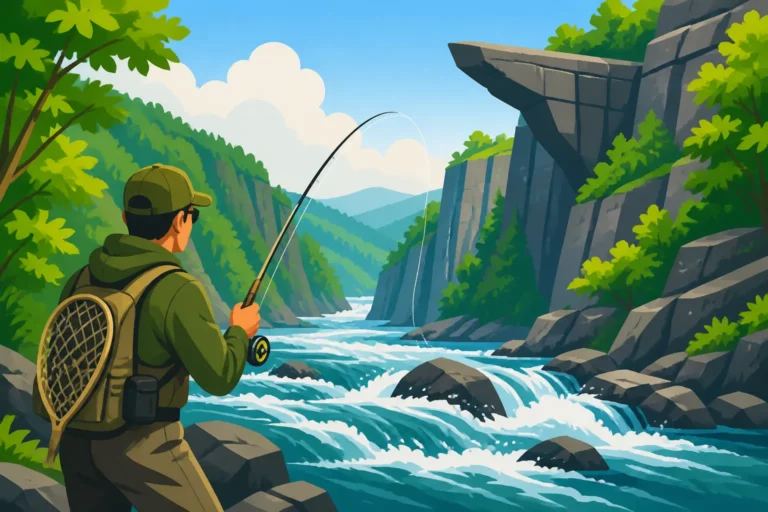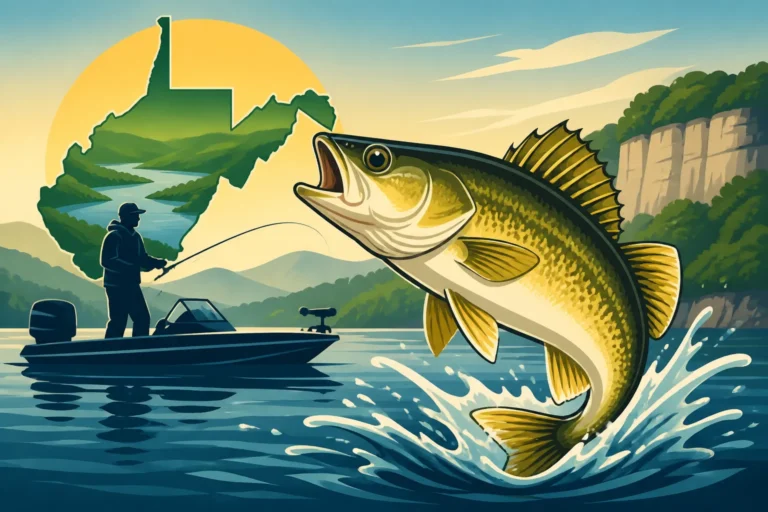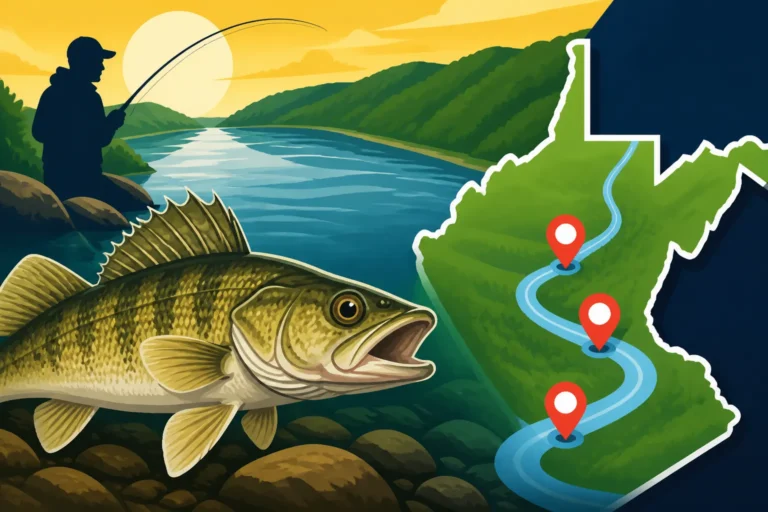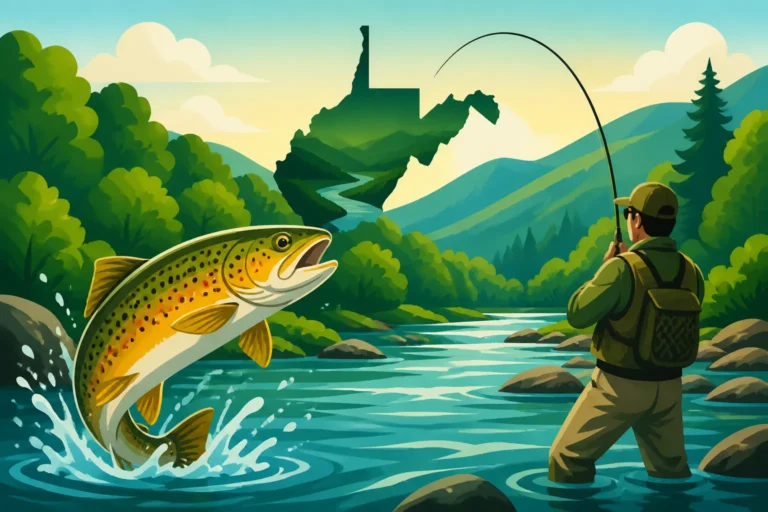
Watoga State Park Fishing
Trying to figure out the best fishing spots in West Virginia can feel like deciphering a secret map, especially when you're eyeing a destination like Watoga State Park. You hear whispers of beautiful scenery and tranquil waters, but what about the actual fishing? What species are biting, what gear should you pack, and what rules do you absolutely need to know? This guide is here to untangle all that, providing you with a clear, in-depth look at what to expect when you cast your line at Watoga.
A Comprehensive Look at Watoga Lake Fishing
Watoga State Park, tucked away in the serene mountains of Pocahontas County, is West Virginia's largest state park, a sprawling natural haven that promises more than just picturesque views. At its heart lies the stunning 11-acre Watoga Lake, a true gem for anglers of all skill levels. This isn't just any mountain lake; it's a managed fishery that provides diverse opportunities throughout the year, making it a reliable spot for a memorable fishing trip.
Primary Species and Stocking Schedule
When you visit Watoga Lake, you're primarily targeting trout, especially during the cooler months. The lake is a proud participant in the West Virginia Division of Natural Resources (WVDNR) stocking program. This means you can expect regular infusions of energetic rainbow trout, and sometimes even brook or brown trout, especially in the spring and fall. These stockings transform the lake into a vibrant fishery, offering exciting action for anglers eagerly awaiting the fresh batches of fish.
Beyond the seasonal trout, Watoga Lake also boasts a healthy population of other popular game fish. You'll find feisty largemouth bass lurking among submerged structures, ready to strike a well-placed lure. Bluegill, those ever-eager panfish, are abundant and provide fantastic light-tackle fun, perfect for introducing kids to fishing. And for those who enjoy a more relaxed evening of fishing, channel catfish are also present, often growing to respectable sizes and offering a rewarding fight. This mix of species ensures that no matter your preference, there’s always something to pursue.
Lake Access and Amenities for Anglers
One of the great things about Watoga Lake is how accessible it is for anglers. There's ample opportunity for shore fishing all around the lake's perimeter, with plenty of spots where you can comfortably set up a chair and cast away. For those who prefer a more structured approach or need easier access, the park features a couple of well-maintained fishing piers. These piers are particularly popular during trout stocking events, providing prime access to deeper waters where the freshly stocked fish tend to congregate. They’re also a fantastic option for families and those with mobility challenges.
If you prefer to get out on the water, Watoga Lake is a fantastic spot for a quiet paddle or row. While private gasoline-powered motorboats are strictly prohibited to maintain the lake's tranquility and water quality, electric motors are allowed for those who wish to cover more ground. The park itself offers convenient boat rentals, including rowboats, paddle boats, and canoes, which are perfect for exploring the lake's coves and shoreline features. These rentals make it incredibly easy for visitors to enjoy a day on the water without the hassle of transporting their own vessel, truly enhancing the Watoga State Park Fishing experience.
Best Techniques and Baits for Watoga Lake
Success on Watoga Lake often comes down to matching your technique to the target species and the season. For the hungry, freshly stocked trout, traditional baits are often incredibly effective. Think about using PowerBait in various colors (chartreuse, rainbow, or even garlic-scented options), small pieces of corn, or good old-fashioned nightcrawlers fished off the bottom with a simple slip sinker rig. Small inline spinners like Mepps or Panther Martins, or tiny spoons like a Kastmaster, can also be deadly when retrieved slowly. Fly anglers will find success with small nymphs, woolly buggers, or even dry flies during hatches in calmer conditions.
When it comes to the largemouth bass population, a more aggressive approach is usually warranted. During the warmer months, plastic worms, jigs, and spinnerbaits worked around submerged logs, weed lines, and docks can entice a bite. Topwater lures like poppers or walk-the-dog baits are incredibly exciting during low-light conditions in summer. For panfish like bluegill, simplicity is key: a tiny hook (size 10-12) with a piece of worm, a cricket, or a small soft plastic grub under a bobber is almost guaranteed to get some action. And for the elusive catfish, don't overthink it; chicken livers, cut bait, or stink baits fished on the bottom after dark can yield some impressive catches.
Exploring the Greenbrier River: A Stone's Throw from Watoga
While Watoga Lake offers fantastic fishing right within the park, many seasoned anglers know that one of West Virginia's premier rivers, the Greenbrier, flows just adjacent to Watoga State Park. This beautiful, free-flowing river is a completely different fishing experience, offering miles of diverse water and a challenge that many river rats absolutely crave. It's truly a natural wonder, offering a glimpse into what makes fishing in West Virginia so special.
Key Species and River Characteristics
The Greenbrier River is synonymous with smallmouth bass fishing. These bronzebacks are the undisputed kings of the river, thriving in its rocky bottom, swift currents, and abundant insect life. You'll find them holding in eddies, behind large boulders, and along current seams, always ready to ambush unsuspecting prey. They fight hard and are incredibly rewarding to catch. Beyond smallmouth, the Greenbrier also harbors a respectable population of muskie, often referred to as the "fish of 10,000 casts." These toothy predators grow to impressive sizes and represent the ultimate challenge for many anglers. If you're looking for a trophy catch, the Greenbrier definitely holds the potential.
The river also offers good opportunities for various panfish, including rock bass (often mistaken for smallmouth by beginners), sunfish, and even some catfish in the slower, deeper pools. The Greenbrier is characterized by its clear, cool waters, a mix of shallow riffles, moderate runs, and deeper pools, all interspersed with abundant rock formations and fallen timber. Its relatively consistent flow and classic river structure make it an ideal habitat for a wide array of fish. Navigating these waters provides a unique chance to experience the wild beauty that West Virginia is famous for. You can learn more about West Virginia Smallmouth Bass Fishing to better prepare for a Greenbrier River trip.
Access Points and Navigating the River
Accessing the Greenbrier River near Watoga State Park is relatively straightforward, though some areas may require a bit of exploration. Several spots along State Route 219, which runs parallel to sections of the river, offer roadside access where you can often pull off and find paths down to the water. Within a reasonable driving distance of the park, there are public access points suitable for launching canoes, kayaks, or even small johnboats (non-motorized or with electric motors are generally preferred due to the river's character and shallow spots).
For a truly immersive experience, many anglers opt for float trips down the Greenbrier. Launching a canoe or kayak and drifting several miles, stopping to wade and fish promising stretches, is an incredibly effective and enjoyable way to cover water. You can plan trips of varying lengths, from a few hours to a full day, or even multi-day adventures if you arrange for shuttles. Wading is also a popular and productive method, especially in the shallower sections, but always be mindful of river conditions, current strength, and slippery rocks. A good pair of wading boots and a wading staff are highly recommended for safety.
Recommended River Techniques and Lures
Targeting smallmouth bass on the Greenbrier calls for a versatile approach. Jigs with soft plastic trailers (like tubes or grubs) are perennial favorites, mimicking crawfish or baitfish. Crankbaits that dive to different depths, especially those with natural patterns, can be incredibly effective when retrieved through runs and pools. Topwater lures, such as poppers, walking baits, and buzzbaits, provide explosive strikes, especially during dawn and dusk or on overcast days. Don't forget spinnerbaits and inline spinners, which are excellent for covering water and often trigger reactive bites. You might find some excellent advice in our guide on Best Baits for Smallmouth Bass on the New River which can be adapted for the Greenbrier.
For those pursuing the elusive muskie, a completely different set of tactics is required. Muskie fishing on the Greenbrier often involves casting large swimbaits, oversized bucktail spinners, jerkbaits, and topwater lures, usually with heavy gear. These fish are predatory and require dedication and patience. Fly anglers can also find success on the Greenbrier, primarily targeting smallmouth with streamers that imitate baitfish or crawfish. Euro nymphing techniques or traditional nymphing can also produce results for trout in the colder headwaters, though smallmouth are the main quarry in the stretches near Watoga.
Essential Regulations and Licenses for Watoga State Park
Before you even think about casting a line in Watoga Lake or the Greenbrier River, it's absolutely crucial to understand the fishing regulations. Navigating these rules can feel like a maze sometimes, with state-wide mandates and specific park or water body rules. But getting it right isn't just about avoiding a fine; it's about respecting the fishery and contributing to sustainable angling for everyone.
State-Wide and Park-Specific Rules
First and foremost, anyone aged 15 and older needs a valid West Virginia fishing license to fish in the state's public waters, including Watoga State Park. This is a non-negotiable requirement. On top of that, if you plan to target trout (which is highly likely at Watoga Lake), you'll also need to purchase a West Virginia trout stamp. These stamps directly fund the state's fantastic trout stocking program, so it’s money well spent! You can dive deeper into the specifics with our comprehensive West Virginia Fishing License Guide for 2026 and Trout Stamps and Trout Fishing Rules in West Virginia articles.
Beyond the basic license, you need to be aware of the general bag and possession limits for various species. These limits dictate how many fish of a certain species you can keep per day and how many you can have in your possession. For example, trout often have a daily creel limit, and exceeding it can lead to penalties. While Watoga State Park doesn't have many highly unique fishing rules beyond the state-wide regulations, remember that only electric motors are allowed on Watoga Lake, a common regulation for smaller, managed lakes in state parks. Always check the current West Virginia Bag and Possession Limits by Species for the most up-to-date information before your trip, as regulations can change.
Acquiring Your Fishing Credentials
Thankfully, getting your West Virginia fishing license and any necessary stamps is a fairly simple process these days. The easiest and most convenient way for many is to purchase them online directly through the West Virginia Division of Natural Resources (WVDNR) website or using their WVhunt mobile application. This allows you to buy your license from the comfort of your home, print it out, or simply store a digital copy on your phone. You can find a step-by-step guide in our article, How to Buy a Fishing License on WVhunt.com.
If you prefer a more traditional route or need to pick one up last minute, there are numerous authorized license vendors scattered across the state, including many sporting goods stores, bait shops, and even some general stores near popular fishing destinations. It's always a good idea to call ahead to ensure they are an active vendor. Once you have your license, make sure you carry it with you while fishing – either a physical copy or a digital one on your mobile device. Law enforcement officers may ask to see it, and being unable to produce it could result in fines. For more details on this, check out Printing or Carrying a Digital Fishing License in West Virginia.
Seasonal Fishing Strategies for Watoga
Understanding the seasonal ebb and flow of fish activity is absolutely critical for a successful trip to Watoga State Park. The fishing experience can change dramatically from early spring to late fall, dictated by water temperature, fish spawning patterns, and the WVDNR's stocking schedule. Being prepared for these shifts will give you a significant advantage.
Spring and Early Summer Opportunities
Spring is arguably the most anticipated time for anglers at Watoga State Park, largely due to the vigorous trout stocking program. As soon as the ice melts and water temperatures begin to rise but remain cool, typically from March through May, Watoga Lake receives its generous deliveries of rainbow trout. This period offers some of the easiest and most consistent trout fishing of the year. The fish are often aggressive, settling into their new environment, and eager to take a variety of baits and lures. The cool, oxygenated water keeps them active and feeding, making it a prime time for both bait and lure fishermen.
Meanwhile, on the Greenbrier River, spring and early summer signal the awakening of smallmouth bass. As water temperatures climb into the 50s and 60s Fahrenheit, bass move into shallower waters for their pre-spawn and spawning activities. This means they are often more concentrated and aggressive, making them excellent targets. Early summer, after the spawn, sees them actively feeding, often chasing topwater lures in the morning and evening. River levels can be higher in spring due to snowmelt and rain, which can make wading challenging but also concentrates fish in certain areas. This is also a fantastic time for Spring Trout Fishing Techniques for West Virginia Streams, which can be applied to the lake as well.
Late Summer and Fall Dynamics
As late summer arrives and water temperatures in Watoga Lake climb, the trout fishing often becomes more challenging. The warmer water drives the remaining holdover trout into deeper, cooler sections of the lake, making them harder to locate and tempt. This is a time when understanding the lake's contours and using a fish finder (if you have an electric motor boat) can be beneficial. However, the warmer water also invigorates the lake's bass, bluegill, and catfish populations. Bass will be actively feeding in the mornings and evenings, often seeking cooler, shaded areas during the heat of the day. Catfish become more active after dark, offering excellent night fishing opportunities.
Fall brings a renewed excitement to Watoga State Park, particularly for trout anglers. As air and water temperatures begin to drop, the WVDNR conducts additional trout stockings, revitalizing the lake's trout fishery. This fall stocking can provide excellent action, mirroring the spring season's productivity. On the Greenbrier River, fall is a prime time for muskie. As baitfish move into shallower water and water temperatures cool, these apex predators become incredibly active, feeding aggressively in preparation for winter. Smallmouth bass also remain active, often schooling up and feeding heavily on crawfish and baitfish before the coldest weather sets in, making it a stellar time for river fishing.
Gear Recommendations for a Successful Trip
Walking into a tackle shop can be overwhelming, with aisles packed full of rods, reels, lures, and gadgets. For a successful fishing trip to Watoga State Park, you don't necessarily need every fancy item on the shelf, but having the right gear tailored to the different species and water types will significantly improve your experience. Thinking through your setup beforehand will help you feel prepared and confident on the water.
Rods, Reels, and Line for Varied Species
For targeting trout and panfish in Watoga Lake, a light to ultralight spinning rod (5 to 6.5 feet long) paired with a small spinning reel (size 1000 or 2000) spooled with 4-6 pound monofilament line is ideal. This setup provides excellent sensitivity for feeling subtle bites and makes even smaller fish feel like a worthy opponent. The lighter line allows for longer casts with small baits and lures, which can be crucial in clear lake water.
If you plan to pursue largemouth bass in the lake or smallmouth bass on the Greenbrier River, a medium-action spinning rod (6.5 to 7 feet) or a medium-heavy baitcasting setup would be more appropriate. Pair this with a 2500-3000 size spinning reel or a baitcasting reel spooled with 8-12 pound monofilament or fluorocarbon, or even 15-30 pound braided line with a fluorocarbon leader. This gives you the power to cast heavier lures, set the hook effectively, and handle larger, harder-fighting fish. For those brave souls chasing muskie on the Greenbrier, a heavy-action baitcasting rod (7.5-9 feet) with a robust baitcasting reel and 65-80 pound braided line is absolutely essential, along with a heavy fluorocarbon or wire leader to withstand their sharp teeth. Our article on Best Gear for West Virginia Trout Fishing offers more specialized tips for trout anglers.
Tackle Box Essentials and Terminal Gear
No matter what species you're after, certain tackle box essentials are non-negotiable. A good selection of hooks in various sizes (from small bait holder hooks for trout/panfish to larger worm hooks for bass and heavy-duty treble hooks for muskie lures) is a must. Bring an assortment of lead weights, from split shot for bobber fishing to bullet weights for Texas rigging, and perhaps some egg sinkers for bottom fishing. Don't forget bobbers, both fixed and slip-float styles, to present baits at different depths.
Beyond the basics, think about the specific lures for each species. For trout, small inline spinners, spoons, and soft plastic trout baits are crucial. For bass, pack a variety of plastic worms, jigs, crankbaits, and topwater lures. River anglers targeting smallmouth will want a good supply of tubes, grub jigs, and small crankbaits. Always carry a pair of long-nosed pliers for unhooking fish safely, especially those with treble hooks or muskie with their sharp teeth. A proper landing net is also vital; a rubberized trout net for lake trout and a larger, knotless net for muskie on the river. Safety items like a small first-aid kit, plenty of water, sunscreen, and polarized sunglasses are also non-negotiable.
Planning Your Watoga State Park Fishing Adventure
Watoga State Park is more than just a fishing destination; it's a place where you can immerse yourself in nature, enjoy the peace and quiet, and create lasting memories. Planning your trip carefully, considering both the fishing and the broader park experience, will ensure you have the best possible time.
Lodging and Park Facilities
One of the great advantages of fishing at Watoga State Park is the excellent range of lodging options available right within the park itself. The park boasts a variety of rustic and deluxe cabins, perfect for individuals, couples, or families looking for a comfortable basecamp for their fishing adventures. These cabins often come equipped with kitchens, bathrooms, and heating, providing a cozy retreat after a long day on the water. For those who prefer a more traditional outdoor experience, Watoga also offers well-maintained campgrounds with sites suitable for tents and RVs, often with electric hookups and access to bathhouses.
Beyond fishing, Watoga State Park provides a wealth of other recreational opportunities that make it an ideal family destination. There are miles of scenic hiking trails, opportunities for swimming in the lake (seasonal), picnicking areas, and even a historic museum detailing the park's rich history. Combining fishing with other activities ensures that everyone in your group finds something to enjoy, even if they're not dedicated anglers. This holistic approach to outdoor recreation truly sets state parks like Watoga apart, making it a destination for a well-rounded outdoor escape. For more options in the area, be sure to check out our overall West Virginia State Park Fishing Guide.
When to Visit and Local Considerations
Deciding "when" to visit Watoga State Park largely depends on "what" you want to catch. As we discussed, spring offers peak trout action in the lake, while early summer and fall are fantastic for smallmouth bass on the Greenbrier River and muskie later in the year. If you're hoping for a mix of species, late spring and early fall often provide a good balance, with active trout in the lake and decent river fishing. Consider avoiding major holiday weekends if you prefer fewer crowds, as the park can get quite busy during these times.
Always check the local weather forecast before your trip and pack accordingly. Mountain weather can change quickly, so layers are always a good idea. Be prepared for rain, sun, and cooler evenings, even in summer. For real-time fishing reports and conditions, local bait shops are an invaluable resource. They can provide insights into what's biting, what baits are working, and any recent changes in water levels or clarity on the Greenbrier River. If you're looking for an even deeper dive or want to maximize your chances of success, consider booking a trip with a local guide through platforms like FishingBooker, especially if you're new to the area or targeting a specific species like muskie on the river. Their expertise can be a game-changer.
Watoga State Park Fishing: A Summary Table
To help you quickly reference the main fishing opportunities at Watoga State Park and the nearby Greenbrier River, here's a handy summary table.
| Fishing Spot | Primary Target Species | Key Seasons | Recommended Baits/Lures | Special Considerations |
|---|---|---|---|---|
| Watoga Lake | Rainbow Trout | Spring (March-May), Fall (Oct-Nov) | PowerBait, Corn, Worms, Small Spinners/Spoons | Stocked regularly; electric motors only; fishing piers. |
| Largemouth Bass | Spring (Pre-spawn), Summer (Dawn/Dusk), Fall | Plastic Worms, Jigs, Crankbaits, Topwater | Look for submerged structure and weed lines. | |
| Bluegill/Panfish | Spring-Fall (Year-round) | Worms, Crickets, Small Grubs, Tiny Jigs | Excellent for kids; abundant near shore and piers. | |
| Channel Catfish | Summer-Fall (Especially Night) | Chicken Livers, Cut Bait, Stink Baits | Best fished on the bottom in deeper sections. | |
| Greenbrier River | Smallmouth Bass | Spring (Post-spawn), Summer, Fall | Tubes, Jigs, Crankbaits, Topwater, Streamers | Rocky bottom, current; float trips or wading. |
| Muskie | Fall (Peak), Late Spring/Early Summer | Large Swimbaits, Bucktails, Jerkbaits | Trophy potential; heavy gear required; patience. | |
| Rock Bass, Sunfish | Spring-Fall | Small Spinners, Worms, Tiny Jigs | Found in rocky areas and eddies; light tackle fun. |
Disclaimer
Please be aware that fishing conditions, regulations, and stocking schedules can change. Always check the official West Virginia Division of Natural Resources (WVDNR) website for the most current regulations, stocking updates, and advisories before heading out on your fishing trip to Watoga State Park or any other public waters in West Virginia. Safe boating practices and responsible angling are encouraged at all times.