Greenbrier River Fishing Guide
Trying to figure out where to cast your line on a river as vast and beautiful as the Greenbrier can feel overwhelming. With its winding stretches, diverse habitats, and sometimes challenging access, it's easy to get discouraged before you even make your first cast. This comprehensive guide is here to break down everything you need to know about fishing the Greenbrier River, from finding the best spots to understanding what gear you'll need, so you can enjoy a truly rewarding experience.
Discovering the Greenbrier River's Unique Charm for Anglers
The Greenbrier River is more than just a waterway; it's a vital part of West Virginia's natural heritage and a true gem for anyone who loves to fish. Flowing for over 160 miles, it's the longest undammed river in the state, offering an incredible variety of fishing environments, from rocky riffles to deep pools and slow, meandering stretches. This river has a character all its own, demanding respect but generously rewarding those who take the time to learn its secrets.
Why the Greenbrier is a West Virginia Treasure
What makes the Greenbrier so special for anglers? Well, for starters, its undammed nature means it flows freely, creating a natural, vibrant ecosystem that supports a healthy and diverse fish population. This isn't a stagnant reservoir; it's a living, breathing river that changes with the seasons, presenting new challenges and opportunities. The scenery alone is worth the trip, with lush forests, towering cliffs, and charming small towns dotting its banks. You'll often find yourself surrounded by incredible beauty, making the fishing experience as much about connecting with nature as it is about catching fish. It's truly an immersive experience, offering solitude and adventure in equal measure. Beyond its natural beauty, the river’s history runs deep, too, with remnants of old logging operations and railroad beds telling tales of a bygone era.
Understanding the River's Character and Flow
The Greenbrier River is primarily known as a warmwater fishery, meaning it's home to species that thrive in slightly warmer temperatures, most notably the smallmouth bass. However, its diverse character means you'll find other species too. The river's flow is heavily influenced by rainfall, and its levels can fluctuate dramatically. After heavy rains, it can become a fast-moving, high-water torrent, while during dry spells, it can be quite low and clear. Understanding these flow dynamics is crucial for planning your trip. Many anglers use online stream gauges to check the current conditions before heading out, as high, muddy water can make fishing tough, while very low water can make navigation difficult, especially for those in boats or kayaks. The gradient of the river also varies; some sections are slow and wide, perfect for leisurely floats, while others offer swifter currents and more challenging wading.
Prime Fishing Seasons on the Greenbrier
Knowing when to hit the Greenbrier can make all the difference between a frustrating day and a fantastic one. While you can technically fish year-round, certain seasons offer distinct advantages and opportunities for specific species. Timing your trip with the river's rhythms and the fish's behavior is a key part of successful angling here. Always remember to check the latest West Virginia Fishing Regulations Explained before heading out, as season dates or special rules can sometimes change.
Spring's Frenzy and Post-Spawn Action
Spring is arguably one of the most exciting times to fish the Greenbrier. As water temperatures begin to rise from their winter lows, the river comes alive. Smallmouth bass, the river's most prized game fish, become increasingly active, moving out of their deeper wintering holes and into shallower areas to feed heavily in preparation for their spawn. This pre-spawn period, typically from April to early June depending on water temperatures, offers some of the best opportunities for catching big, aggressive smallmouth.
Once the spawn is complete, usually by late May or early June, the post-spawn period sees fish recuperating and then moving back into their regular feeding patterns. They might be a bit more finicky right after the spawn, but once they recover, they're often found around structure, aggressively feeding. Early spring can also offer chances at other species like walleye or even stray trout in the lower sections of tributaries if the water is cool enough, but smallmouth are definitely the main attraction. Just be mindful of rising water levels from spring rains, which can impact safety and fishability.
Summer's Steady Bites and Evening Rises
Summer on the Greenbrier offers consistent fishing, though it demands a slightly different approach. As water temperatures peak, especially in July and August, smallmouth bass often move into deeper, cooler water during the heat of the day. However, early mornings, late evenings, and overcast days can provide excellent topwater action, which is an absolute blast on this river. The lower sun angles and cooler air temperatures often bring fish to the surface, eagerly chasing poppers and walking baits.
Aside from smallmouth, summer is fantastic for other species. Catfish become incredibly active, particularly at night, offering a great alternative when bass fishing slows down. Panfish like sunfish and rock bass are abundant and provide steady action, making them perfect targets for family outings or beginners. Kayak and canoe fishing really shine in the summer, allowing anglers to float long stretches and access areas unreachable by shore. If you're considering a float trip, remember to review Life Jacket Requirements for West Virginia Boaters to ensure everyone stays safe.
Fall's Cooling Waters and Aggressive Fish
As the crisp air of autumn settles in and water temperatures begin to drop, the Greenbrier experiences another surge of activity. Fall is often considered a second peak season for smallmouth bass. They sense the coming winter and engage in a strong feeding frenzy, trying to pack on as much weight as possible. This means they're often more aggressive and willing to chase larger baits. The cooler water also tends to make them more active throughout the day, not just at dawn and dusk.
This is a prime time for targeting trophy smallmouth, and also an excellent period for muskie fishing. These elusive predators become more active and are often found ambushing prey in the river's numerous ambush points. The vibrant fall foliage creates a breathtaking backdrop, adding to the allure of fishing this beautiful river. Many anglers find the solitude and beauty of fall fishing on the Greenbrier to be unparalleled.
Targeting Greenbrier River Smallmouth Bass
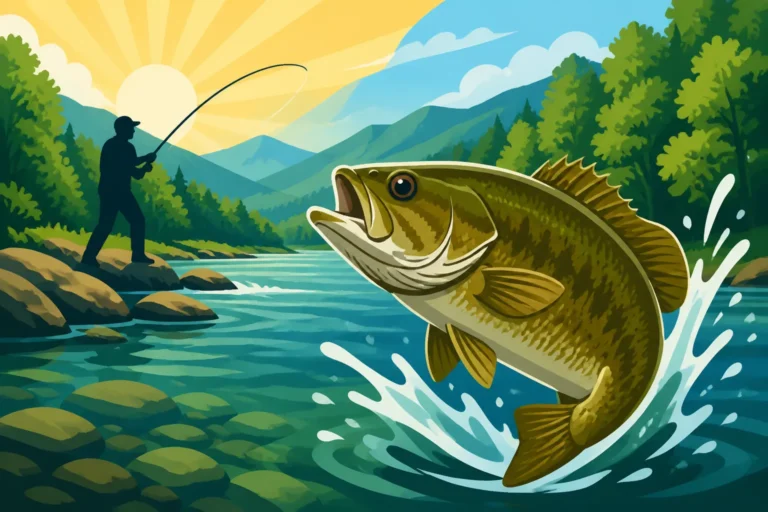
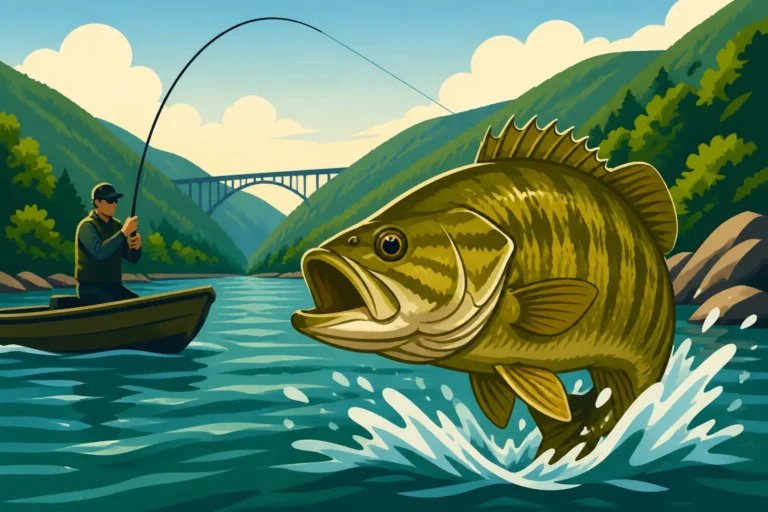
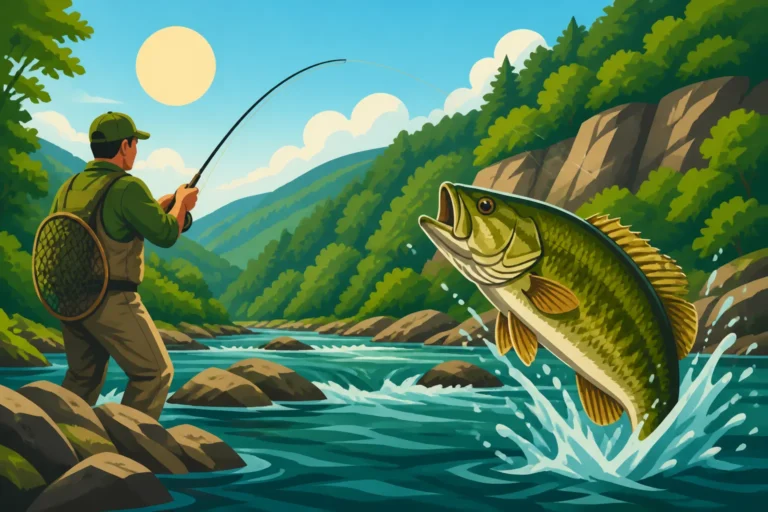
When you talk about fishing the Greenbrier River, you're almost certainly talking about smallmouth bass. This river is renowned for its healthy population of bronzebacks, offering some of the best Smallmouth Bass Fishing in West Virginia. They're feisty, hard-fighting, and incredibly fun to catch, making them a favorite among local and visiting anglers alike.
Essential Baits and Lures for Smallmouth
Smallmouth bass in the Greenbrier are opportunistic feeders, but they do have their preferences. When deciding what to throw, it's always smart to think like a crawfish or a minnow, as these are primary food sources.
- Jigs and Soft Plastics: Tubes, grubs, and creature baits in natural colors (green pumpkin, black, brown) are incredibly effective, especially when fished slowly along the bottom or around submerged structure. A simple tube jig can be deadly.
- Crankbaits and Jerkbaits: Small to medium-sized crankbaits that imitate crawfish or minnows work wonders when fish are actively feeding. Jerkbaits are fantastic in cooler water, giving you the ability to impart an erratic action that mimics a wounded baitfish.
- Spinnerbaits and Chatterbaits: These are excellent search baits, particularly when you're covering water. Their flash and vibration can draw strikes from aggressive bass, especially in stained water or during the pre-spawn.
- Topwater Lures: Poppers, walk-the-dog baits, and buzzbaits provide thrilling surface strikes, particularly during low light conditions or on overcast summer days. Nothing beats the explosion of a smallmouth hitting a topwater lure.
- Live Bait: If all else fails, or if you're just looking for consistent action, live minnows or crawfish can be irresistible to Greenbrier smallmouth. Just be sure to check West Virginia Fishing Regulations Explained for any bait restrictions.
For more in-depth advice on specific lures, you might find tips in Best Baits for Smallmouth Bass on the New River applicable, as river smallmouth often share similar feeding habits.
Key Structures and Hiding Spots
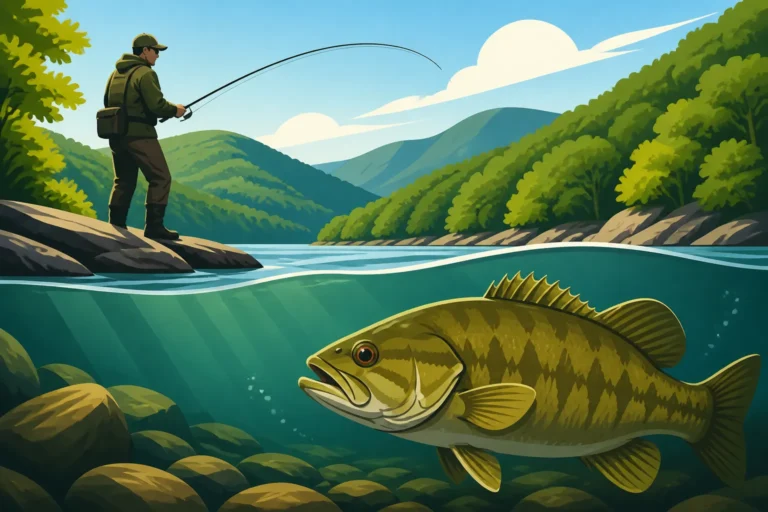
Smallmouth bass are structure-oriented fish, meaning they love to hide and ambush prey around various underwater features. Learning to "read the river" and identify these key spots is crucial for consistent success.
- Rock Piles and Boulders: The Greenbrier is full of rocky bottoms, and smallmouth will congregate around larger rocks, using them as current breaks and ambush points. Cast your lures upstream and let them drift naturally past these structures.
- Ledges and Drop-offs: Changes in depth provide excellent ambush opportunities. Smallmouth will often hold on the deeper side of a ledge, waiting for unsuspecting baitfish to pass by.
- Current Seams and Eddies: Where faster current meets slower water, or behind large rocks, eddies form. These are prime resting and feeding spots for smallmouth, as food is often washed into these areas.
- Submerged Timber and Log Jams: While the Greenbrier doesn't have as much dense wood as some other rivers, any downed trees or log jams can hold fish, especially larger ones looking for cover. Approach these areas carefully to avoid snags.
- Riffles and Runs: Shallower, faster-moving sections with broken water often hold feeding smallmouth, particularly in the mornings and evenings. These areas are great for wading and casting into the broken water.
Reading the River for Smallmouth Success
Successfully fishing the Greenbrier, especially for smallmouth, really comes down to observing the water and understanding where fish are likely to be. It's an art that develops with time on the water. Look for visual cues: subtle changes in current speed, areas where foam accumulates (indicating an eddy), or even diving birds that might be keying in on baitfish.
Consider water clarity; in clear water, fish might be more spooky and hold in deeper, darker areas, requiring lighter lines and more subtle presentations. In slightly stained water, they might be bolder and more willing to chase. The time of day and sunlight also play a role – fish often move into shallower, sun-exposed areas to warm up in the mornings, then retreat to shade or deeper water as the sun gets higher. Understanding these factors will help you make more informed decisions about where to cast and what lure to use, significantly increasing your chances of a successful Greenbrier River smallmouth bass fishing trip.
Exploring Other Popular Species in the Greenbrier
While smallmouth bass might be the star of the show on the Greenbrier, they are far from the only fish swimming in its waters. The river's healthy ecosystem supports a variety of other popular game fish, offering exciting opportunities for anglers seeking different challenges or a change of pace.
Chasing Muskie on the Greenbrier
The Greenbrier River is home to a respectable population of muskie, often referred to as "the fish of a thousand casts." These apex predators are notoriously elusive but offer the ultimate freshwater challenge. Muskie Fishing in West Virginia is a passion for many, and the Greenbrier provides some excellent opportunities, particularly in its deeper, slower pools and around areas with woody cover or weed beds.
Muskie fishing requires dedication, specialized gear, and a lot of patience. They often follow lures right up to the boat before striking, making the "figure-eight" retrieve boatside a critical technique. Large baits like bucktails, crankbaits, gliders, and soft plastics are standard. Targeting muskie is often best during the cooler months of fall, when they are actively feeding to bulk up for winter, or in early spring before water temperatures get too high. If you're serious about chasing these giants, you'll need robust rods, reels, and heavy line, often with a stout leader. To learn more about the tackle required, check out Best Lures for Muskie Fishing in West Virginia. Remember, muskie are primarily a catch-and-release fishery, and handling them carefully is paramount for their survival.
Panfish, Catfish, and Other Opportunities
Beyond the thrill of bass and muskie, the Greenbrier offers a smorgasbord of other species that provide consistent action and are often perfect for a relaxed day on the water or for introducing new anglers to the sport.
- Panfish (Rock Bass, Bluegill, Sunfish): These are abundant throughout the river and are incredibly fun to catch on light tackle. Rock bass, in particular, are common in the Greenbrier, often found in rocky areas alongside smallmouth. They readily hit small spinners, jigs, and live bait like worms or crickets. They're a fantastic option for kids or anyone looking for steady bites.
- Catfish (Channel Catfish, Flathead Catfish): The Greenbrier has a healthy population of catfish, with channel cats being the most common and flatheads growing to impressive sizes. They prefer deeper holes, especially those with structure, and are best targeted with cut bait, chicken livers, or live minnows fished on the bottom. Night fishing can be incredibly productive for catfish, especially during the warmer summer months.
- Walleye: While not as prevalent as smallmouth, walleye can be found in certain sections of the Greenbrier, especially in deeper pools with gravel or rock bottoms. They are often targeted with jigs tipped with minnows, nightcrawlers, or crankbaits, especially in low light conditions.
- Suckers and Carp: These bottom feeders are often overlooked by sport anglers but can provide serious fights on appropriate tackle. They are generally caught using dough balls, corn, or worms fished on the bottom.
This diversity means there's always something biting on the Greenbrier, no matter your skill level or preferred fishing method.
Accessing the Greenbrier River: A Guide to Getting On the Water
Getting onto the Greenbrier River can sometimes be a bit of a puzzle, but with a little planning, you'll find plenty of ways to enjoy its waters. From public access points to hiring local expertise, there are options for every angler. Remember, before you launch any watercraft, familiarize yourself with West Virginia Boating Laws for Anglers to ensure compliance and safety.
Public Access Points and Boat Ramps
The Greenbrier River offers numerous public access points along its length, particularly where it runs parallel to the Greenbrier River Trail. This trail, built on an old railroad bed, often provides easy bank access for wading or launching small, hand-carried boats.
Here's a general idea of access types:
- Developed Boat Ramps: You'll find concrete or gravel ramps in some towns like Marlinton, Caldwell, and Hinton, which are suitable for larger boats, though larger motorboats are less common on the Greenbrier due to its rocky nature and fluctuating levels.
- Undeveloped Access Points: Many spots along the Greenbrier River Trail allow for easy carry-in access for kayaks, canoes, and rafts. These are often just dirt paths down to the water's edge, but they open up miles of floatable river.
- Roadside Access: In some rural areas, you might find informal pull-offs where you can access the bank for wading. Always be respectful of private property and ensure you are on public land.
It's highly recommended to consult a detailed map or a local guide before attempting to access unfamiliar sections of the river. The West Virginia Department of Natural Resources (WV DNR) website often has maps of public access sites.
Kayak and Canoe Fishing Strategies
Kayaks and canoes are, without a doubt, the preferred vessels for fishing the Greenbrier River. Their maneuverability, shallow draft, and quiet nature make them ideal for navigating the river's varied terrain and getting into prime fishing spots.
- Float Trips: One of the most popular ways to fish the Greenbrier is to plan a float trip. This involves putting in at one access point and taking out several miles downstream. This allows you to cover a lot of water, fish new stretches, and experience the river's changing character. Many outfitters in the area offer shuttle services for this very purpose.
- Anchor Systems: While floating and casting are effective, a good anchor system is invaluable for holding your position in a productive spot, especially in moving current. A simple grapple anchor or a stake-out pole can work wonders.
- Gear Organization: Space is limited in kayaks and canoes, so thoughtful gear organization is key. Dry bags for electronics and valuables, rod holders, and small tackle bags will keep your essentials secure and accessible. For more tips on suitable vessels, you might explore articles like Best Kayak for the New River, as many principles apply to the Greenbrier.
Hiring a Local Greenbrier Fishing Guide
For those new to the Greenbrier River, or for anyone looking to maximize their fishing time and learn the ropes quickly, hiring a local fishing guide is an excellent investment. A good guide offers invaluable expertise:
- Local Knowledge: Guides know the river like the back of their hand – where the fish are holding, what they're biting on, and the safest routes through different water levels. They can often put you on fish faster than you could on your own.
- Gear and Techniques: Guides typically provide all the necessary fishing gear, bait, and tackle, as well as a comfortable boat (often a drift boat or raft specifically designed for river fishing). They can also teach you effective techniques for the local conditions.
- Safety and Navigation: Navigating a river like the Greenbrier can have its challenges. A guide ensures your safety, especially when dealing with currents, submerged rocks, and fluctuating water levels. They handle the logistics of shuttling and access.
- Conservation: Many guides are passionate about conservation and can educate you on responsible fishing practices and local regulations, such as those found in West Virginia Bag and Possession Limits by Species.
If you're looking to book a guided trip, platforms like FishingBooker can connect you with experienced Greenbrier River fishing guides who specialize in smallmouth bass and muskie. They offer a range of trip options, from half-day floats to full-day adventures, often providing all the necessary equipment and ensuring a memorable experience on the water. Utilizing a service like FishingBooker streamlines the process of finding reputable local guides.
Essential Gear and River Safety Tips
Having the right gear makes your Greenbrier River fishing trip more enjoyable and productive, but even more important is prioritizing safety. The river, while beautiful, demands respect, and being prepared can prevent accidents and ensure a smooth outing. Remember, acquiring a West Virginia Fishing License Guide for 2026 is your first step before hitting the water, and it's essential to understand what is needed.
Recommended Rods, Reels, and Line
The gear you choose will largely depend on your target species, but a versatile setup will serve you well on the Greenbrier.
-
For Smallmouth Bass and Panfish:
- Rods: A medium-light to medium power spinning rod, 6'6" to 7' feet long, is a great all-around choice. It offers enough backbone to fight feisty smallmouth but is sensitive enough for lighter lures and panfish.
- Reels: A 2000-3000 series spinning reel spooled with 6-10 lb test monofilament or fluorocarbon line, or 10-15 lb braided line with a fluorocarbon leader.
- Line: Fluorocarbon is excellent for its low visibility and abrasion resistance in clear water, while braided line offers superior casting distance and sensitivity, especially important when fishing with jigs and soft plastics.
-
For Muskie:
- Rods: Heavy power baitcasting rods, 8' to 9' feet long, specifically designed for muskie fishing. These rods handle large, heavy lures and powerful fish.
- Reels: High-quality baitcasting reels with a strong drag system and enough line capacity for heavy braided line.
- Line: 50-80 lb braided line, often with a heavy fluorocarbon or steel leader to prevent bite-offs from their razor-sharp teeth.
-
Wading Gear: If you plan to wade, breathable chest waders and sturdy wading boots with good ankle support and felt or rubber soles are essential for navigating the rocky bottom and currents. A wading staff is also highly recommended for stability.
Wading and Boating Safety Considerations
Safety on the Greenbrier River cannot be overstated, especially when water levels are high or currents are strong.
- Always Wear a Life Jacket: Whether you're in a kayak, canoe, raft, or even wading in deeper sections, a properly fitted personal flotation device (PFD) is your best friend. It's not just a good idea; Life Jacket Requirements for West Virginia Boaters outlines legal necessities.
- Check Water Levels and Weather: Before you go, always check the river's flow rates (from USGS gauges) and the weather forecast. Rapidly rising water can turn a fun float into a dangerous situation quickly. Avoid fishing during thunderstorms.
- Wading Safety: If wading, always face upstream, shuffle your feet, and use a wading staff to feel for drop-offs and unstable footing. Avoid wading alone, especially in unfamiliar or faster-moving water. Be aware of your limits and don't take unnecessary risks.
- Boating Safety: Familiarize yourself with West Virginia Boating Laws for Anglers. Never overload your boat, and always have appropriate safety gear onboard, including a first-aid kit, a whistle, and a throw rope. If floating, know your take-out points and have a plan for shuttling vehicles.
- Sun Protection: Spend hours on the water, and the sun can take its toll. Wear sunscreen, a wide-brimmed hat, and polarized sunglasses to protect your eyes and skin. The polarized lenses also help you see into the water, spotting structure and fish.
Being prepared with the right knowledge and gear, and respecting the power of the river, will ensure your Greenbrier River fishing adventure is both successful and safe.
Disclaimer
The information provided in this Greenbrier River fishing guide is for general informational purposes only and is subject to change. Always consult the official West Virginia Division of Natural Resources (WVDNR) regulations and local authorities for the most current rules, licensing requirements, and safety guidelines before engaging in any fishing or boating activities. Fishing and boating inherently involve risks, and personal safety should always be your top priority.