West Virginia Class B resident license details
Navigating the world of fishing licenses can feel like trying to untangle a baitcaster after a strong cast – frustrating, confusing, and if you get it wrong, you might just end up with a headache or worse, a fine. For many West Virginia residents, the standard Class B Resident Fishing License is the cornerstone of their legal angling adventures, but understanding its specific details, what it covers, and what additional requirements you might face is crucial to a worry-free day on the water. This comprehensive guide will break down everything you need to know about the Class B license, ensuring you're fully prepared before casting your line.
Understanding the West Virginia Class B Resident Fishing License
The Class B license is essentially the bread and butter for most resident anglers in the Mountain State. It’s the baseline annual license that permits a West Virginia resident, who falls within a specific age range, to legally fish in most of the state's public waters. Think of it as your general admission ticket to the vast and beautiful fishing opportunities West Virginia has to offer, from the smallest streams teeming with panfish to the larger lakes and rivers holding bass, walleye, and catfish. It's designed to be straightforward, but like many things in life, the "standard" option often has important caveats.
What Exactly is the Class B License?
The Class B license is formally known as the Resident Fishing License (Annual). As the name suggests, it's valid for an entire license year, typically from January 1st to December 31st. This isn't a short-term permit; it's your year-long pass. Its primary function is to grant you the privilege of fishing for non-trout species in designated public waters throughout West Virginia. This includes popular targets like largemouth and smallmouth bass, various species of catfish, crappie, bluegill, and even the elusive muskie, provided you adhere to all other applicable regulations regarding seasons, limits, and specific water body rules. You can find more comprehensive details on the general rules in our guide to West Virginia Fishing Regulations Explained.
What the Class B License Doesn't Cover on Its Own
This is where many anglers, especially newcomers or those returning after a hiatus, can get tripped up. The Class B license, by itself, doesn't cover everything. Most importantly, it does not include the West Virginia Conservation Stamp or the West Virginia Trout Stamp.
- Conservation Stamp: For nearly all resident adult anglers, the Conservation Stamp is a mandatory addition to any annual license. It's a vital component that helps fund essential wildlife and fisheries management programs across the state. In almost all cases, when you purchase a Class B license, you'll also be required to purchase a Conservation Stamp, making it an effective combo for general fishing. Our article on West Virginia's Conservation Stamp, Explained dives deep into its purpose and requirements.
- Trout Stamp: If your angling passion involves pursuing West Virginia's vibrant trout populations – whether rainbow, brown, or the native brook trout – then the Class B license alone won't cut it. You'll need to purchase a separate Trout Stamp. This stamp is specifically dedicated to supporting the state's extensive trout stocking programs and managing wild trout waters. Without it, you cannot legally fish for or possess trout, even if you have a valid Class B and Conservation Stamp. Be sure to check out Trout Stamps and Trout Fishing Rules in West Virginia for all the details before hitting those coldwater streams.
It’s easy to overlook these additional stamps, but they are absolutely critical. Imagine buying your "general admission" ticket to a concert, only to find out you need an extra pass for the main stage. That's essentially what the Conservation and Trout Stamps are for West Virginia fishing.
Eligibility Requirements for the Class B License
Determining if you qualify for a Class B license is usually straightforward, but it hinges primarily on your age and, crucially, your residency status in West Virginia.
Age Requirements for Resident Anglers
The Class B Resident Fishing License is typically required for West Virginia residents who are 15 years of age or older and under 65 years of age.
- Under 15: Great news for the young ones! West Virginia residents under the age of 15 are generally exempt from needing a fishing license. This is a fantastic initiative to encourage youth participation in outdoor activities. However, they must still abide by all other fishing regulations, such as bag limits and season dates. If you're wondering about the specifics, our guide, Do Kids Need a Fishing License in West Virginia?, has all the answers.
- 65 and Over: West Virginia offers some fantastic benefits for its senior residents. Once you reach 65, you may qualify for discounted or even free lifetime licenses, depending on your birth year. These special senior licenses replace the need for an annual Class B. It's a wonderful way to acknowledge a lifetime of contributions and allow seniors to enjoy their golden years on the water without the annual cost. You can learn more about these options in West Virginia Senior Fishing License Rules by Birth Year.
Establishing West Virginia Residency
This is often the most critical, and sometimes the most debated, aspect of eligibility. To qualify for a resident license like the Class B, you must meet West Virginia's definition of a bona fide resident. Generally, this means you have:
- Resided continuously in the state for 30 consecutive days immediately prior to applying for the license. This isn't just about owning property; it's about making West Virginia your primary home.
- Established your permanent home in West Virginia.
- Can provide proof of residency. This could include a valid West Virginia driver's license, voter registration, utility bills in your name, or a state tax return. The specific acceptable proofs can vary slightly, so always check the latest regulations or with the West Virginia Division of Natural Resources (WV DNR).
This distinction is super important because nonresident licenses are significantly more expensive. If you’re an out-of-state college student attending a West Virginia university, for example, you might think you qualify as a resident, but there are specific rules for that scenario. Similarly, active-duty military personnel have their own set of guidelines. Always err on the side of caution and confirm your residency status if there's any doubt to avoid issues later. For a full comparison, check out Resident vs Nonresident Fishing License Costs in West Virginia.
Purchasing Your Class B Resident License
Once you've confirmed your eligibility, actually getting your hands on a Class B license is quite easy. West Virginia has streamlined the process, offering several convenient ways to purchase.
Online Purchases Through WVhunt.com
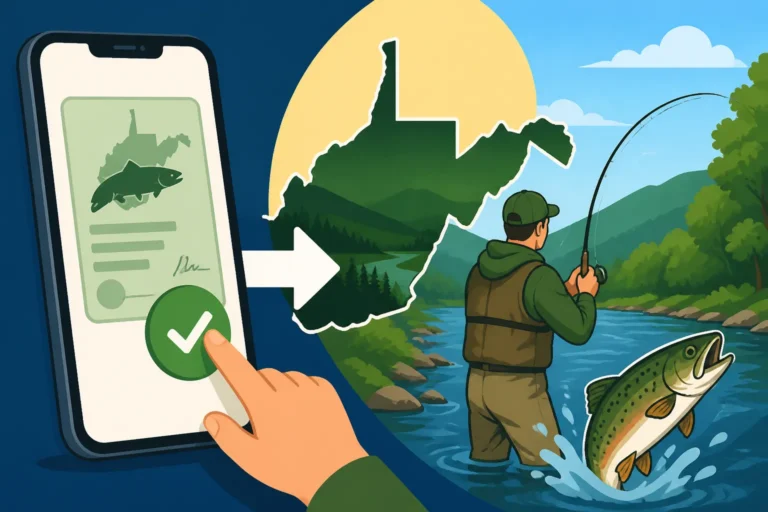
For many, the quickest and most hassle-free way to buy your Class B license is online through the official WV DNR licensing system, WVhunt.com. This portal is available 24/7, meaning you can secure your license from the comfort of your home at any time, day or night.
The process usually involves:
- Creating an account or logging in: If you're a first-time user, you'll need to set up an angler profile.
- Selecting your licenses: You'll choose the Class B Resident Fishing License, and then typically be prompted to add the mandatory Conservation Stamp. If you plan on trout fishing, don't forget to add the Trout Stamp here as well!
- Payment: Payments are usually made via credit or debit card.
- Printing/Digital Access: After purchase, you'll usually have the option to print your license immediately from your home printer. This is also where you can often access a digital copy for your phone. If you need new printer ink or paper, you can easily grab some on Amazon. The convenience of having it digitally on your smartphone is a game-changer for many anglers, saving you from worrying about lost paper copies. More on this can be found in Printing or Carrying a Digital Fishing License in West Virginia.
Using the online system means you can be ready to fish in minutes, without needing to visit a physical location. Our guide, How to Buy a Fishing License on WVhunt.com, provides a detailed walkthrough.
Authorized License Agents
If you prefer a more traditional approach or need to pick up some bait and tackle anyway, you can purchase your Class B license from one of the many authorized license agents across the state. These agents are typically bait and tackle shops, sporting goods stores (like a local Ace Hardware or Walmart with a sporting goods section), or even some convenience stores.
The benefit of using an agent is often the immediate tangible license in your hand and the opportunity to chat with local experts about current fishing conditions or hot spots. They can also help ensure you get all the necessary stamps, like the Conservation Stamp, added to your purchase. Just remember to bring your proof of residency, like your West Virginia driver's license.
WV DNR District Offices
While less common for everyday license purchases, you can also obtain your Class B license directly from a West Virginia DNR district office. This might be a good option if you have specific questions about regulations or exemptions that an agent might not be able to answer definitively, or if you prefer direct interaction with state officials.
Here's a quick comparison of the common resident licenses you might encounter:
| License Type | Description | Age Range (Resident) | Includes Conservation Stamp? | Includes Trout Stamp? |
|---|---|---|---|---|
| Class B (Resident Fishing) | Standard annual fishing license | 15-64 years | No (must add separately) | No (must add separately) |
| Class A (Resident Hunting) | Standard annual hunting license | 15-64 years | No (must add separately) | N/A |
| Class XP (Resident Hunt/Fish) | Combination annual hunting and fishing license | 15-64 years | No (must add separately) | No (must add separately) |
| Class XS (Senior Resident) | Discounted/Free Lifetime (depending on birth year) | 65+ years | Yes (often included) | No (must add separately) |
| Class XJ (Junior Sport) | Junior hunting/fishing combination | 15-17 years | Yes (often included) | No (must add separately) |
Note: The Class B does not include the Conservation Stamp in its base price, which is nearly always required for adult residents. Similarly, the Trout Stamp is always an additional purchase for trout fishing.
Additional Considerations and Regulations
Getting your Class B license is a fantastic first step, but being a responsible and successful angler in West Virginia means staying informed about the broader regulatory landscape. The state's waters are diverse, and with that diversity comes specific rules that can vary by species, location, and even time of year.
Understanding Bag and Possession Limits
Even with a valid Class B license, you can't just catch and keep unlimited fish. Every species has specific daily bag limits and possession limits. A daily bag limit refers to the maximum number of a particular species you can harvest in one day, while a possession limit is the maximum number you can have on your person or in your vehicle at any given time, including those from previous days of fishing. These limits are in place to ensure sustainable fish populations for future generations.
For example, bass regulations can be quite intricate, with different limits for largemouth, smallmouth, and spotted bass, and even special slot limits on rivers like the New River for smallmouth. Walleye and muskie also have very specific regulations due to their popularity and slower growth rates. Always consult the official West Virginia Fishing Regulations Summary before each outing, especially if you're targeting a new species or fishing a new body of water. You can often find the latest version on the WV DNR website, or sometimes even a physical copy at a local license agent or even on Amazon, bundled with other fishing guides.
Special Regulation Waters
West Virginia is home to some truly unique and productive fishing spots, some of which come with "special regulations." These waters might have different size limits, catch-and-release only rules, or restrictions on tackle types (e.g., fly fishing only, single barbless hooks). Common examples include certain trophy trout streams, designated wild trout waters, or specific sections of rivers known for exceptional smallmouth or muskie fishing. Ignoring these special regulations, even with a valid Class B license, can lead to serious penalties. Always check if the water you plan to fish is listed as a special regulation area. Our guide on Special Regulation Waters in West Virginia provides more in-depth information.
Boating Laws and Safety Equipment
If your fishing plans involve a boat, whether a kayak, canoe, or motorized vessel, your Class B fishing license doesn't cover your boating responsibilities. You'll need to be aware of West Virginia's specific boating laws, including registration requirements for motorized boats, and mandatory safety equipment like life jackets. Operating a boat safely and legally is just as important as fishing legally. For instance, there are specific Life Jacket Requirements for West Virginia Boaters that vary by age and boat size, and often a West Virginia Boater Education Certificate Requirement for certain age groups. This isn't just about avoiding a ticket; it's about ensuring your safety and the safety of others on the water. Even for smaller craft, having a throwable flotation device is often a good idea, and you can find many options for these on Amazon.
Staying Compliant and Enjoying Your Time
The primary goal of understanding the Class B Resident Fishing License and all its nuances is to ensure you have a legal, enjoyable, and stress-free time fishing in West Virginia. The fees generated from these licenses and stamps directly support the conservation efforts that make West Virginia such a fantastic fishing destination. From habitat restoration to fish stocking, your license purchase plays a vital role.
Remember that regulations can change, so making it a habit to review the current year's fishing regulations summary is always a good idea. Consider this guide your starting point, and always refer to the official WV DNR resources for the most up-to-date and authoritative information. Happy fishing, and may your lines be tight!
Disclaimer
Please note that fishing regulations and license requirements in West Virginia are subject to change by the West Virginia Division of Natural Resources (WV DNR). While every effort has been made to provide accurate and up-to-date information, this guide is intended for informational purposes only and should not be considered legal advice. Always consult the official West Virginia Fishing Regulations Summary and the WV DNR website for the most current rules and regulations before engaging in any fishing activities.