West Virginia fishing tournament permit requirements
Organizing a fishing tournament in West Virginia can feel like navigating a winding mountain road in the fog, especially when it comes to all the rules and requirements. Many folks get tangled up wondering if they even need a permit, what kind it is, and how in the world they actually get one. This guide is here to clear the air, walking you through everything you need to know about West Virginia fishing tournament permit requirements so your event can be a smooth, successful, and legal day on the water.
Understanding West Virginia Fishing Tournament Permit Requirements
Let's cut right to it: if you're planning a competitive fishing event in the Mountain State, chances are you'll need to jump through a few hoops to get the proper authorization. It's not just about getting people together to fish; it's about ensuring fairness, protecting our incredible natural resources, and managing the impact of organized events on public waters.
Who Needs a Permit and Why?
Think of a fishing tournament permit as the West Virginia Division of Natural Resources (WVDNR)'s way of knowing what's happening on our lakes and rivers. This isn't just bureaucratic red tape; it's a vital tool for conservation and management. Any organized fishing contest, derby, or tournament that involves prizes, rankings, or specific rules for participants, regardless of whether it's a small club event or a large regional showdown, generally requires a permit.
Why do they care so much? Well, imagine if dozens of tournaments were held simultaneously on a popular lake without any oversight. It could lead to localized overfishing, increased pressure on fish populations, or even unsafe conditions if too many boats converge on one spot. The permit system allows the WVDNR to monitor fishing pressure, collect valuable catch data, and ensure that tournaments are conducted in a manner that protects the fish and the overall angling experience for everyone. For instance, a small, friendly club tournament with 10 participants catching bass on Summersville Lake still impacts the fishery, albeit minimally, but the cumulative effect of many such events without regulation could be significant. It also ensures fair play, making sure all participants adhere to standardized rules that align with state regulations.
Types of Permits and Applications
The WVDNR doesn't just have a one-size-fits-all permit; they categorize tournaments to better manage them. While the specifics can sometimes shift, generally, permits are issued based on the scale and nature of your event. For most bass, walleye, muskie, or general panfish tournaments, you'll likely be dealing with a standard Fishing Tournament Permit application. However, larger, multi-day events or those involving unique species might have additional considerations. Youth fishing derbies, often focused on teaching kids to fish, might have slightly different or waived requirements, emphasizing education over strict competition.
To figure out which permit you need, your first stop should always be the official WVDNR website or by contacting their district offices. They'll have the most current application forms and guidelines. Generally, the application will ask for details about your event, and based on your answers (like the number of participants, target species, and prize values), they'll guide you to the appropriate permit class. It's a bit like filling out a detailed questionnaire about your event, which then leads you down the right path. For anyone planning such an event, it's crucial to consult the West Virginia Fishing Regulations Explained document thoroughly, as it forms the bedrock for all tournament rules.
Key Information Required for Application
When you sit down to fill out that application, you'll find they need a fair amount of detail. Don't be surprised; this is all for good reason! Typically, you'll be asked for:
- Organizer Information: Full contact details for the main person or organization responsible for the tournament.
- Tournament Dates and Times: Exact start and end times, including weigh-in periods.
- Waterbody Name and Location: The specific lake, river, or section of a river where the tournament will take place. This might include specific boat ramps or access points.
- Target Species: Which fish species are being targeted (e.g., largemouth bass, smallmouth bass, walleye, trout). This is crucial because different species have different regulations, such as the West Virginia Walleye Daily and Possession Limits or West Virginia Black Bass Limits and the New River Slot Limit.
- Expected Number of Participants/Boats: An estimate of how many anglers or teams will be competing.
- Weigh-in Procedures and Locations: How fish will be weighed, where, and what measures will be in place to ensure fish health and release.
- Live Release Plans: Detailed information on live wells, aeration, and post-weigh-in release strategies.
- Prize Information: The nature and value of any prizes being offered.
It's absolutely essential to be as accurate and thorough as possible when providing this information. Incomplete applications can lead to delays or even denial. The WVDNR uses this data to assess the potential impact of your event, ensure it complies with all state regulations, and communicate any specific conditions or requirements you might need to follow. They're essentially giving your event a conservation check-up before it even starts.
Navigating the Application Process and Deadlines
Once you understand what's needed, the next step is actually getting that application submitted and approved. It can sometimes feel like a race against the clock, so planning is your best friend here.
Step-by-Step Application Submission
The WVDNR offers a few ways to submit your tournament permit application, depending on the type of event and the specific permit. The most common methods include:
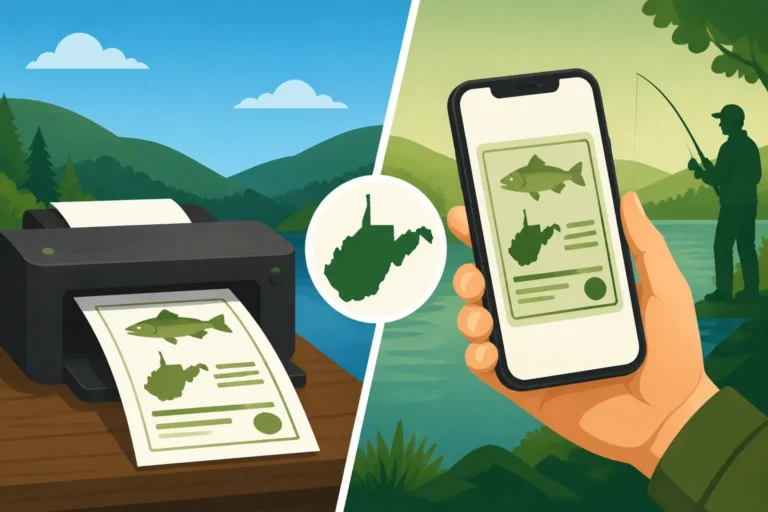
- Online Submission: For many standard tournaments, the WVDNR's online portal, often accessible through
WVhunt.com, is the most convenient way. You can fill out the form, upload any necessary documents, and sometimes even pay fees electronically. This is generally the fastest method and provides a digital record of your submission. Just like when you'd How to buy a West Virginia fishing license online, the process is designed to be streamlined. - Mail: If you prefer paper, you can print out the application, fill it in manually, and mail it to the appropriate WVDNR district office. Make sure to send it well in advance to account for mail delivery and processing times.
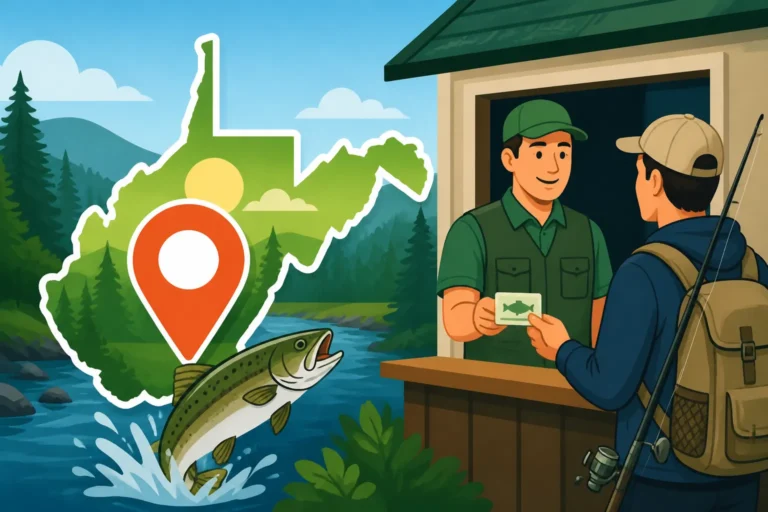
- In-Person: In some cases, you might be able to submit your application directly at a WVDNR office. This can be helpful if you have questions or need clarification, as you can speak with a representative directly. You can usually find a list of local offices by searching for West Virginia DNR license agent list.
Before hitting "submit" or dropping it in the mail, double-check everything. Missing signatures, incomplete sections, or forgotten attachments are common reasons for delays. It’s always a good idea to make a copy of your completed application for your own records, just in case.
Important Deadlines and Planning Ahead
This is where many organizers trip up. Permit applications are not something you can throw together last minute. The WVDNR needs adequate time to review your application, assess the potential impact on the fishery, and ensure everything is in order. While specific deadlines can vary, it's common for applications to be required anywhere from 30 to 90 days in advance of your proposed tournament date.
For instance, if you're planning a springtime bass tournament for April, you should aim to have your application submitted by January or February at the latest. Planning a fall muskie event? Start thinking about the permit in mid-summer. Why so much lead time? The WVDNR often has many applications to process, especially during peak fishing seasons. They also need time to coordinate with other departments or even local authorities if your event impacts public access or requires special considerations. Rushing the process not only creates stress for you but can also jeopardize the approval of your tournament. Always check the current WVDNR guidelines for the most up-to-date deadline information.
Fees Associated with Tournament Permits
Yes, there can be fees associated with obtaining a fishing tournament permit in West Virginia, though these can vary. These fees often contribute directly to the WVDNR's conservation efforts, fishery management programs, and the overall administrative costs of running the permit system.
The exact cost will depend on factors like the size of your tournament (number of participants), the duration, and sometimes even the type of fish targeted. For larger, commercial-style tournaments with significant prize money, the fees will likely be higher. Conversely, smaller, non-profit events or youth derbies might have reduced fees or even be exempt entirely. For example, a youth fishing clinic designed to introduce kids to the sport might not incur the same costs as a professional-level bass circuit event. Always check the application form itself for the current fee schedule. Payment methods typically include credit card (for online applications) or check/money order for mailed or in-person submissions.
Crucial Regulations and Best Practices for Tournament Organizers
Beyond just getting the permit, running a responsible and successful fishing tournament means adhering to specific rules that protect our fish and ensure a positive experience for all.
Conservation and Fish Handling Guidelines
This is arguably the most critical aspect of organizing any fishing tournament. The WVDNR places a strong emphasis on the live release of fish, especially for popular game species like bass and muskie. Poor fish handling can lead to high mortality rates, undermining conservation efforts. Tournament organizers are expected to implement and enforce strict guidelines:
- Aerated Livewells: Every boat participating should have a properly sized, adequately aerated livewell to keep fish healthy during the competition. This means having functioning pumps and ensuring water quality. You can find excellent livewell aeration kits and monitoring equipment on platforms like Amazon to ensure your participants have the best chance of keeping their catch healthy.
- Careful Culling: If your tournament allows culling (releasing smaller fish to keep larger ones), it must be done quickly and gently. Fish should be handled with wet hands, never held by the jaw vertically if they're large, and returned to the water swiftly.
- Weigh-in Procedures: The weigh-in should be efficient and stress-free for the fish. Using weigh bags that hold water, minimizing air exposure, and having a rapid release system are paramount.
- Immediate Release: After weigh-in, fish should be immediately released back into the lake or river, ideally in an area with good oxygenation and minimal stress, or transported by a designated "release boat" if the weigh-in is far from good habitat.
These practices aren't just suggestions; they are often mandatory conditions of your permit. Ignoring them not only harms the fish but can also result in penalties for your organization. Remember that the goal is to make sure those fish are healthy enough to be caught another day!
Waterbody-Specific Rules and Special Regulations
It's a common misconception that once you have a state permit, you're good to go everywhere. Not so! West Virginia has an incredible diversity of waters, and many of them come with their own unique set of rules. For example, the New River Gorge National Park has specific fishing regulations that might differ slightly from statewide rules, even if you still need a state license to fish there.
- Lake-Specific Rules: Some lakes might have horsepower restrictions, no-wake zones, or specific rules about certain types of bait or tackle. For instance, while not exclusive to tournaments, knowing the West Virginia Boating Laws for Anglers is critical for all participants operating vessels.
- River Sections: Certain stretches of rivers, especially those designated as "Trophy Trout" waters or special regulation areas, will have very strict rules regarding bait, tackle, and catch limits. For example, some areas might be fly-fishing-only, catch-and-release only, or have specific slot limits. Familiarize yourself with Special Regulation Waters in West Virginia to ensure your tournament plans comply.
- Species-Specific Rules: Beyond daily and possession limits, some species might have seasonal closures or minimum/maximum size limits that must be strictly observed. For example, Muskie Regulations in West Virginia Waters are quite detailed and must be followed.
Before finalizing your tournament location, always consult the most current Reading the West Virginia Fishing Regulations Summary for the specific waterbody. If in doubt, contact the local WVDNR district office for clarification.
Reporting Requirements Post-Tournament
The WVDNR's interest in your tournament doesn't end when the last fish is weighed. A crucial part of the permit system is the post-tournament report. This report is incredibly valuable for fishery management.
Typically, you'll be required to submit a detailed summary that includes:
- Total Number of Participants: How many anglers fished.
- Total Fish Caught: The aggregate number of each species caught.
- Total Fish Weighed: The number of fish brought to the scales.
- Total Weight: The cumulative weight of all weighed fish.
- Fish Mortality: The number of fish that did not survive the tournament. This is a critical metric for the WVDNR to assess the impact of your event and potentially refine future regulations.
- Anomalies or Observations: Any unusual events, significant catches, or issues encountered during the tournament.
This data helps the WVDNR track population trends, understand the effectiveness of their stocking programs, and make informed decisions about future fishing regulations and management strategies. Submitting this report accurately and on time is a non-negotiable part of your permit agreement.
Common Pitfalls and How to Avoid Them
Even with the best intentions, organizing a tournament can present challenges. Being aware of common pitfalls can help you steer clear of trouble.
Lack of Communication with the DNR
One of the biggest mistakes an organizer can make is failing to communicate effectively with the WVDNR. They are there to help! If you have questions about the application process, specific regulations, or encounter unforeseen issues during the planning phase, pick up the phone or send an email. Trying to guess or assume things can lead to significant problems down the line. A proactive approach to communication builds a good relationship and ensures you're always operating within the bounds of the law. They often have specific tournament coordinators who can offer invaluable advice and guidance.
Overlooking Local Ordinances or Private Land Access
While the WVDNR issues state-level fishing permits, your tournament might also be subject to local ordinances, especially if it involves public parks, specific municipal launch sites, or private property access. For example, a county park might have specific rules about event capacities or hours of operation that could impact your tournament's logistics.
If your weigh-in is planned on private land, you absolutely must secure permission from the landowner in writing. Similarly, if you plan to use a public boat ramp or park, check with the local government agency that manages that facility. They might require their own permits, facility use fees, or have specific rules about parking, waste disposal, or noise. For instance, an event utilizing a public access point might require a special use permit from the local parks and recreation department, separate from your state fishing tournament permit. Always do your due diligence and check all levels of governance.
Penalties for Non-Compliance
Ignoring permit requirements or violating fishing regulations during a tournament can lead to serious consequences, not just for the organizers but potentially for the participants as well. Just as individuals face Fishing Without a License in West Virginia: Penalties, organizations face repercussions for unpermitted events or rules violations.
Penalties can range from fines and citations for the organizers, to disqualification of participants, and even the revocation of future tournament permit privileges. In severe cases, particularly those involving egregious fish mortality or disregard for conservation, legal action could be pursued. The WVDNR takes its role in protecting West Virginia's fisheries very seriously, and they expect tournament organizers to do the same. It's simply not worth the risk to cut corners.
West Virginia Fishing Tournament Permit Requirements Summary
Here's a quick overview of the typical requirements for fishing tournament permits in West Virginia:
| Requirement Category | Key Details | Importance |
|---|---|---|
| Permit Need | Required for most organized fishing contests, derbies, or tournaments with prizes/rankings. | Conservation, fair play, fishery management. |
| Application | Detailed form requesting organizer, event, location, species, participant numbers, weigh-in plans. | Allows WVDNR to assess impact and ensure compliance. |
| Submission | Online (WVhunt.com), mail, or in-person at WVDNR offices. | Timely and accurate submission is crucial. |
| Deadlines | Typically 30-90 days prior to the event; early submission strongly recommended. | Allows adequate review and processing time. |
| Fees | Variable, depending on event size/type; supports conservation efforts. | Funding for fishery management and administration. |
| Fish Handling | Strict guidelines for aerated livewells, careful culling, efficient weigh-ins, immediate release. | Minimizes fish mortality and protects populations. |
| Waterbody Rules | Adherence to specific lake, river section, or species regulations (e.g., horsepower, size limits, bait restrictions). | Ensures compliance with local and special management zones. |
| Post-Event Report | Submission of catch data, participant numbers, and fish mortality figures. | Provides vital data for WVDNR fishery assessment and future planning. |
| Local Compliance | Checking for local ordinances or securing private land access permissions. | Avoids conflicts with local authorities or landowners. |
Disclaimer
Please note that fishing regulations and permit requirements are subject to change. While this guide provides comprehensive information based on current knowledge, it is always the responsibility of the tournament organizer to verify all rules and obtain the most up-to-date information directly from the West Virginia Division of Natural Resources (WVDNR) before planning and executing any event.