West Virginia free fishing days for 2026
It’s a common frustration for folks who are curious about fishing, or even those who used to fish years ago and want to get back into it: the thought of buying a license just to "try it out." You might wonder if it’s worth the investment if you’re not sure you’ll love it, or if you only plan to wet a line once or twice a year. Thankfully, West Virginia understands this hesitation, and that's exactly why our state offers specific "Free Fishing Days" each year. This guide is here to shed light on what these days entail, so you can plan a hassle-free outing and discover the joy of fishing in the Mountain State.
Understanding West Virginia's Free Fishing Days
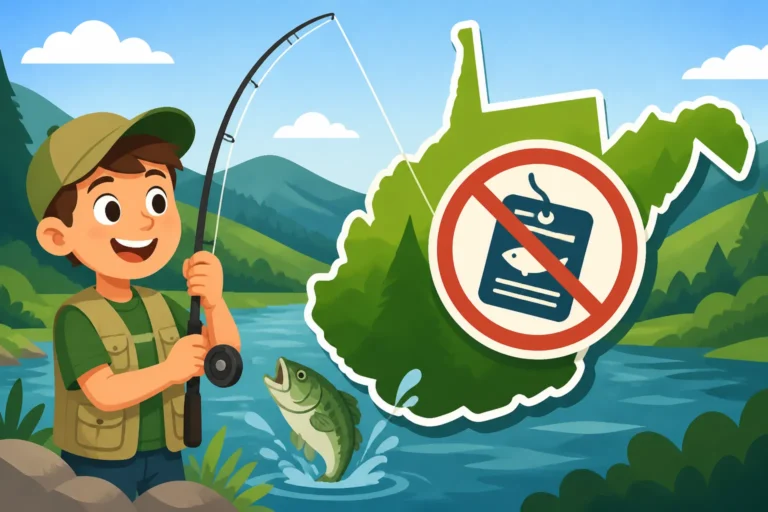
West Virginia's Free Fishing Days are a fantastic initiative designed to lower the barrier to entry for aspiring anglers and provide an opportunity for everyone to experience the state's incredible waterways. It’s a chance for individuals and families to explore the rivers and lakes without the immediate financial commitment of purchasing a fishing license.
What are Free Fishing Days?
At its heart, a Free Fishing Day is exactly what it sounds like: a day (or sometimes a weekend) where both residents and non-residents can fish in the public waters of West Virginia without needing a state fishing license. The West Virginia Division of Natural Resources (WVDNR) designates these days annually, usually with the goal of promoting outdoor recreation, encouraging family participation, and giving newcomers a taste of angling. Imagine a family picnic where you can casually toss a line in, or an opportunity for a grandparent to introduce their grandkids to the sport without the paperwork. It’s all about accessibility and sharing the natural beauty and bountiful fishing opportunities West Virginia has to offer. These days are particularly beneficial for those who might be visiting from out of state and only have a day or two to fish, or for a resident who has never fished before and wants to see if it’s a hobby they’d enjoy pursuing.
When Do They Typically Occur?
While the exact dates for West Virginia's Free Fishing Days in 2026 haven't been officially announced as of early planning stages, we can look at historical patterns to make a very educated guess. Traditionally, the WVDNR designates a specific weekend, often in early June, for these license-free opportunities. For example, in recent years, it’s typically been the second Saturday and Sunday of June. This timing is strategic, as the weather is usually pleasant, schools are out, and families are looking for outdoor activities.
Given this trend, it is highly probable that West Virginia's 2026 Free Fishing Days will fall on a weekend in June, specifically around June 13th and 14th, or the weekend immediately surrounding those dates. However, it is absolutely critical to remember that these are provisional expectations based on past scheduling. The WVDNR will make the official announcement closer to the date, usually in late winter or early spring of 2026. To ensure you have the most up-to-date and accurate information, always check the official West Virginia Fishing Season Dates and Closures page on the WVDNR website as we get closer to the new year. I can’t stress enough how important it is to double-check, because missing the correct dates could lead to a misunderstanding of the rules, even on a day that’s supposed to be free and easy.
Who Benefits and What to Expect
Free Fishing Days are a truly inclusive event, welcoming everyone from seasoned anglers who might be taking a break from buying a yearly license to absolute novices who’ve never held a rod before. It's an open invitation to experience the peace and excitement of fishing.
Ideal for Beginners and Families
One of the biggest advantages of Free Fishing Days is the removal of the initial license cost barrier. For someone just dipping their toes into fishing, committing to a full license can feel like a significant upfront cost, especially if they’re unsure how often they’ll go or if their kids will even enjoy it. Free Fishing Days eliminate that hurdle entirely. It’s the perfect time to:
- Introduce children to fishing: Kids often have short attention spans, and a free day allows you to test the waters (literally!) without feeling like you've wasted money on a license if they're not hooked right away. It's a low-pressure environment to teach them about casting, baiting, and the thrill of a bite. You might be surprised to learn that Do Kids Need a Fishing License in West Virginia? at other times.
- Try out new techniques or locations: Maybe you're usually a river angler but want to try lake fishing, or you've always wanted to try fly fishing but haven't committed. These days offer a risk-free way to experiment.
- Share the hobby with friends: Invite a buddy who's never fished before. It's a great social activity and a fantastic way to spend time outdoors.
- Revisit old passions: For those who fished as a child or young adult but haven't picked up a rod in years, these days are a gentle nudge back into a cherished pastime.
Think about it: you can pack a picnic, head to a beautiful state park lake listed in the West Virginia State Park Fishing Guide, and simply enjoy the day. No need to worry about the paperwork or fees for that particular weekend. It fosters a very relaxed, family-friendly atmosphere that makes outdoor recreation truly accessible.
What Permits Are Still Required
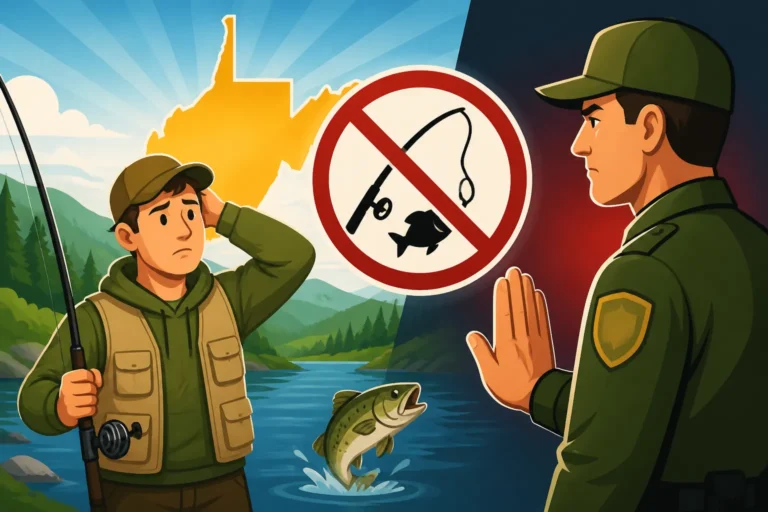
Here’s where a crucial clarification comes in: "Free Fishing Days" means no base fishing license is required, but it doesn't mean all regulations are suspended. This is a common misconception that can lead to unexpected issues. You still need to be aware of and abide by all other state fishing regulations.
Specifically, during Free Fishing Days, you will still need to possess any necessary stamps for specific types of fishing. The most common one you'll encounter is the trout stamp. If you plan to fish for trout in waters designated as trout streams or areas where trout have been stocked, you will still need to purchase a West Virginia Trout Stamp Cost for Residents and Nonresidents. The same goes for the Conservation Stamp, which is generally required for all license holders to fund conservation efforts. While your base license is waived, the conservation stamp is often considered a separate, essential fee for maintaining our natural resources.
Furthermore, all other fishing laws remain in effect. This includes:
- Bag and Possession Limits: You still need to follow the daily and possession limits for all species, like those detailed in the West Virginia Bag and Possession Limits by Species. You can't just keep everything you catch.
- Size Limits: Minimum or maximum size limits for certain fish, such as bass or muskie, still apply.
- Gear Restrictions: Rules about the number of rods you can use, or permissible bait types, are still in force.
- Special Regulation Waters: Certain waters, particularly those managed for trophy trout or specific species, might have unique rules (e.g., catch-and-release only, artificial lures only). These regulations are not waived during Free Fishing Days.
- Federal Waters: If you venture into federal lands or waters that require additional permits, such as those within the New River Gorge National Park, those federal requirements might still apply. Always check with the specific park or land management agency beforehand.
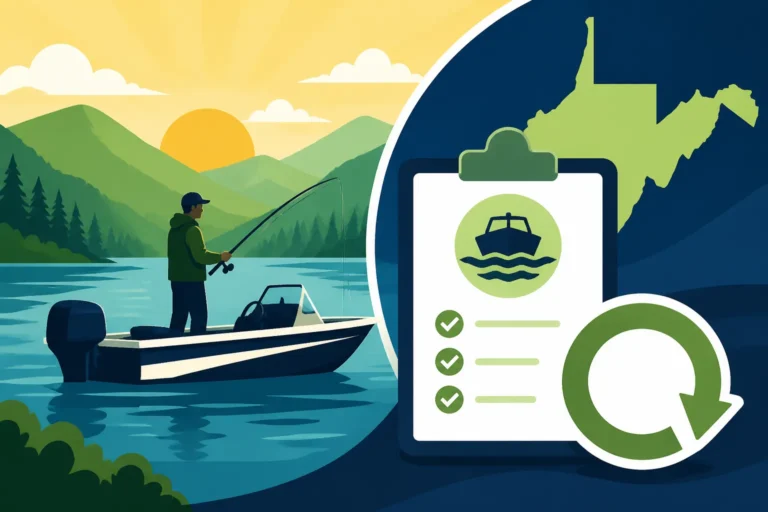
- Boating Laws: If you plan to fish from a boat, all West Virginia Boating Laws for Anglers, including life jacket requirements, registration, and boater education certifications, are still fully in effect.
Ignorance of these continuing rules is not an excuse. While the WVDNR wardens are usually very understanding and often use Free Fishing Days as an educational opportunity, repeated or egregious violations can still result in penalties, including Fishing Without a License in West Virginia: Penalties on non-free days. Always consult the official West Virginia Fishing Regulations Explained summary for the most current information.
Making the Most of Your Free Fishing Experience
Since you're getting a free pass on the license, these days are all about soaking up the experience! A little preparation can go a long way in ensuring your day on the water is memorable and enjoyable.
Essential Gear for Your First Outing
You don't need a boatload of expensive gear to have a great time fishing, especially on Free Fishing Days. The idea is to make it easy and accessible. For a beginner or a family outing, focus on the basics:
- Simple Rod and Reel Combo: A medium-light spinning combo is versatile for most panfish and smaller bass. You can find decent beginner combos for a very reasonable price online or at local sporting goods stores. Even a basic spinning rod and reel combo available on Amazon will get you started without breaking the bank.
- Terminal Tackle: This is the small stuff:
- Hooks: A variety of small to medium hooks (sizes 6-1/0) will cover most common species.
- Weights/Sinkers: Split shots or small egg sinkers to get your bait down.
- Bobbers: Crucial for visual bite detection, especially for kids.
- Swivels: Small barrel swivels can prevent line twist.
- Bait: Live bait is often the easiest and most effective for beginners. Worms (nightcrawlers, red wigglers) are universal. Minnows, crickets, or even corn can be effective depending on what you're targeting. For those who prefer artificial, some basic jigs, small spinnerbaits, or even simple soft plastic worms are great starting points.
- Pliers/Forceps: Essential for safely removing hooks, especially if you plan to catch and release.
- Small Cooler: For drinks, snacks, and to keep any fish you plan to legally harvest fresh on ice.
- Sun Protection: Hat, sunglasses (polarized ones are fantastic for seeing into the water, and you can grab affordable options on Amazon), and sunscreen are a must.
- Comfortable Chair: If you're planning a bank fishing trip, a comfy folding chair makes a huge difference.
Remember, the goal is to have fun, not to outfit yourself like a pro for your very first trip. You can always upgrade later if you get truly "hooked"!
Finding Great Spots During Free Fishing Days
West Virginia is blessed with an abundance of fantastic fishing locations, many of which are easily accessible for a Free Fishing Day outing. When choosing a spot, consider accessibility, ease of fishing, and likely species.
- State Park Lakes: Many state parks offer excellent fishing opportunities with easy bank access, piers, and often boat rentals. Places like Cacapon State Park or Watoga State Park provide beautiful scenery and good chances to catch panfish, bass, or even stocked trout. They often have amenities like restrooms and picnic areas, making them ideal for families.
- Public Fishing Lakes: The WVDNR maintains numerous public fishing lakes and ponds across the state that are specifically managed for recreational fishing. These often have good populations of bluegill, crappie, catfish, and largemouth bass. A quick search on the WVDNR website can help you locate these near you.
- Slow-Moving River Sections: While some of West Virginia's rivers are rugged, many have slower, wider sections perfect for bank fishing or launching a small kayak. The Greenbrier River, for instance, has many accessible stretches. If you're a beginner, perhaps avoid the roaring sections of the New River for your first trip, but there are calmer spots too. Finding a place with good access for Best Shore Fishing Spots in West Virginia can be a real game changer for a relaxed day.
- Community Ponds: Many towns and cities have community ponds that are regularly stocked and offer easy access for kids and beginners. These are often teeming with panfish.
Before you go, do a little research! Check the WVDNR stocking schedules if you’re hoping for trout, or look up recent fishing reports for local lakes. Local bait shops are also a goldmine of information about current conditions and hot spots.
Respecting the Rules and the Environment
Even though the license fee is waived, the core principles of responsible angling and environmental stewardship remain paramount. It's vital that everyone participating in Free Fishing Days helps maintain the integrity of our natural resources and the sport.
- Know and Follow Regulations: I cannot stress this enough. Free Fishing Days do not mean free-for-all. Before you head out, quickly review the West Virginia Fishing Regulations Explained or grab a physical copy from a WVDNR agent or local outdoor retailer. Pay close attention to bag and size limits for the species you intend to target. For instance, if you’re targeting smallmouth bass, know the West Virginia Black Bass Limits and the New River Slot Limit.
- Practice Catch and Release Responsibly: If you plan to release fish, handle them with care. Wet your hands before touching them, support their body weight, and release them quickly. Barbless hooks can also make release easier and reduce harm to the fish.
- Leave No Trace: Pack out everything you pack in. This includes all trash, discarded fishing line, and bait containers. Our waterways are precious, and leaving them cleaner than you found them ensures everyone can enjoy them for years to come. This is especially important on popular days when more people are out.
- Be Considerate of Others: Free Fishing Days often draw larger crowds. Be mindful of other anglers, give them space, and keep noise levels reasonable. A friendly wave and a shared enjoyment of nature are part of the experience.
- Safety First: Always prioritize safety. Wear a life jacket if you're on a boat, even if it's a small kayak. Let someone know where you're going and when you expect to return. Be aware of weather changes and potential hazards.
By upholding these responsibilities, you not only ensure a positive experience for yourself but also contribute to the health of West Virginia’s fisheries and the reputation of the angling community.
Planning Ahead for Future Fishing Adventures
Free Fishing Days are a fantastic introduction, but if you find yourself truly enjoying the peace and excitement of fishing, you'll likely want to make it a regular part of your outdoor life. This means thinking about how to continue fishing legally throughout the year.
How to Stay Informed About Official Dates
Since the exact 2026 dates are not yet set, staying informed is key. Here are the best ways to get the official word directly from the source:
- WVDNR Official Website: This is your primary and most reliable source. Regularly check the West Virginia Division of Natural Resources (WVDNR) website, particularly their fishing section. The dates are usually announced in the late winter or early spring preceding the Free Fishing Days.
- WVDNR Social Media Channels: Follow the WVDNR on platforms like Facebook or X (formerly Twitter). They often post updates and announcements there first.
- Local Bait and Tackle Shops: These shops are often the heartbeat of the local fishing community. Owners and staff are usually very knowledgeable about state regulations and upcoming events. Many will have flyers or signs posted as soon as the dates are confirmed.
- Email Newsletters: Some state agencies offer email newsletters where they send out important announcements, including Free Fishing Days. It's worth checking if the WVDNR offers such a service.
Make it a habit to check one of these sources a few months before June 2026, and you won't miss out on this fantastic opportunity!
Considering a Full Fishing License After Your Free Experience
If you had a blast on Free Fishing Days and feel the fishing bug, then it's definitely time to consider purchasing a full West Virginia fishing license. It's a small investment that opens up a whole year of angling possibilities and directly supports the conservation efforts that make our state's fisheries so robust.
- Year-Round Access: A license grants you legal access to West Virginia's public fishing waters for a full license year (typically January 1 to December 31). This means you can fish whenever the mood strikes, not just on a specific weekend. You can learn more about this on the West Virginia Fishing License Guide for 2026 page.
- Supporting Conservation: The funds generated from license sales go directly back into managing fish populations, stocking programs (especially for trout, which is a massive draw), habitat restoration, and enforcement of regulations. When you buy a license, you're investing in the future of fishing in West Virginia. Even the basic West Virginia's Conservation Stamp, Explained helps.
- Variety of Options: West Virginia offers various license types to suit different needs, whether you're a resident, a non-resident, a senior, or a youth. You can get an annual license, or if you still prefer shorter trips, there might be West Virginia 1-Day and 3-Day Nonresident Fishing Permits available, or other short-term options for residents. Understanding How Much Does a West Virginia Fishing License Cost is a great next step.
- Convenience: Once you have your license, you can focus purely on fishing. Purchasing a license is easy and can be done online through the WVDNR website, on the WVhunt app (see How to Buy a Fishing License on WVhunt.com), or at a local license agent. You can even choose between Printing or Carrying a Digital Fishing License in West Virginia for convenience.
Taking that step from a free fishing day participant to a licensed angler is a big one. It signifies not just a newfound hobby, but a commitment to the preservation of our wild and wonderful resources.
| Requirement | During Free Fishing Days | During Regular Season |
|---|---|---|
| Base Fishing License | NO (for WV public waters) | YES |
| Conservation Stamp | YES (typically) | YES |
| Trout Stamp (if targeting trout) | YES | YES |
| Federal Permits (if applicable) | YES | YES |
| Bag/Size Limits | YES | YES |
| Gear Restrictions | YES | YES |
| Boating Regulations | YES | YES |
| Resident Status Requirements | NO | YES |
Disclaimer
The information provided in this guide is intended for general informational purposes only and is based on typical West Virginia fishing regulations and historical patterns for Free Fishing Days. While every effort has been made to ensure accuracy, regulations can change. Always consult the official West Virginia Division of Natural Resources (WVDNR) website or the printed fishing regulations summary for the most current and authoritative information regarding fishing licenses, stamps, season dates, and specific rules. It is the angler's responsibility to know and follow all applicable laws.