West Virginia active duty military fishing license discount
For many active duty military members, finding time to unwind and enjoy hobbies like fishing is a precious opportunity. The last thing you want to deal with is navigating confusing state regulations, especially when you’re serving our country. It’s a common frustration to wonder if your service qualifies you for special consideration, like a discounted fishing license, that acknowledges your dedication. This guide is here to break down the specific rules for active duty military members fishing in West Virginia, ensuring you understand your options and can get out on the water without unnecessary hassle.
Navigating Fishing License Rules as Active Duty Military in West Virginia
When you're an active duty service member, your residency status can get a little complicated, and West Virginia's fishing license system is no exception. It's not always a straightforward "discount" in the way some might expect, but there are definite benefits and considerations for those currently serving. Understanding these nuances is key to knowing what you're eligible for and how to ensure you're fishing legally.
The Reality of "Discounts" for Active Duty Personnel
Let's get straight to it: West Virginia doesn't offer a general "discounted" annual fishing license specifically for all active duty military members, regardless of their current station or home of record. This can be a bit confusing, as many states have various discounts for military personnel. Instead, West Virginia focuses on specific scenarios and exemptions that largely hinge on your residency and whether you're currently on leave within the state. The primary benefit for active duty residents isn't a reduced annual fee, but rather the opportunity to fish for free under certain conditions. This is an important distinction to grasp, as it shapes how and when you might qualify for special licensing. It's not about paying less for a standard license; it's about being entirely exempt or receiving a free permit when you meet certain criteria.
Residency Status and Its Impact on License Costs
Your residency status is the biggest factor in determining the cost of your West Virginia fishing license. If you're officially a resident of West Virginia, you're eligible for the significantly lower resident rates, which are a fraction of what non-residents pay. For service members, establishing or maintaining West Virginia residency can sometimes be tricky. Generally, to be considered a resident for licensing purposes, you must have resided in West Virginia for at least 30 consecutive days immediately prior to applying for a license. This means having your permanent home here, paying taxes here, and generally having a presence in the state. If you are active duty military and your home of record is West Virginia, and you maintain your residency here (e.g., you still pay WV state taxes, keep a WV driver's license), then you would purchase a standard resident license, which is already a great value compared to non-resident options. For more details on what constitutes residency, you might want to look into the specific requirements for a West Virginia residency for a fishing license.
However, if you're stationed elsewhere and don't meet the state's residency requirements, you'll fall into the non-resident category. This means paying the higher non-resident fees, which include options like a West Virginia 1-Day and 3-Day Nonresident Fishing Permits. This is often the case for service members who grew up in West Virginia but have since moved for their military careers and haven't re-established residency.
Free Fishing Opportunities for Active Duty Residents on Leave
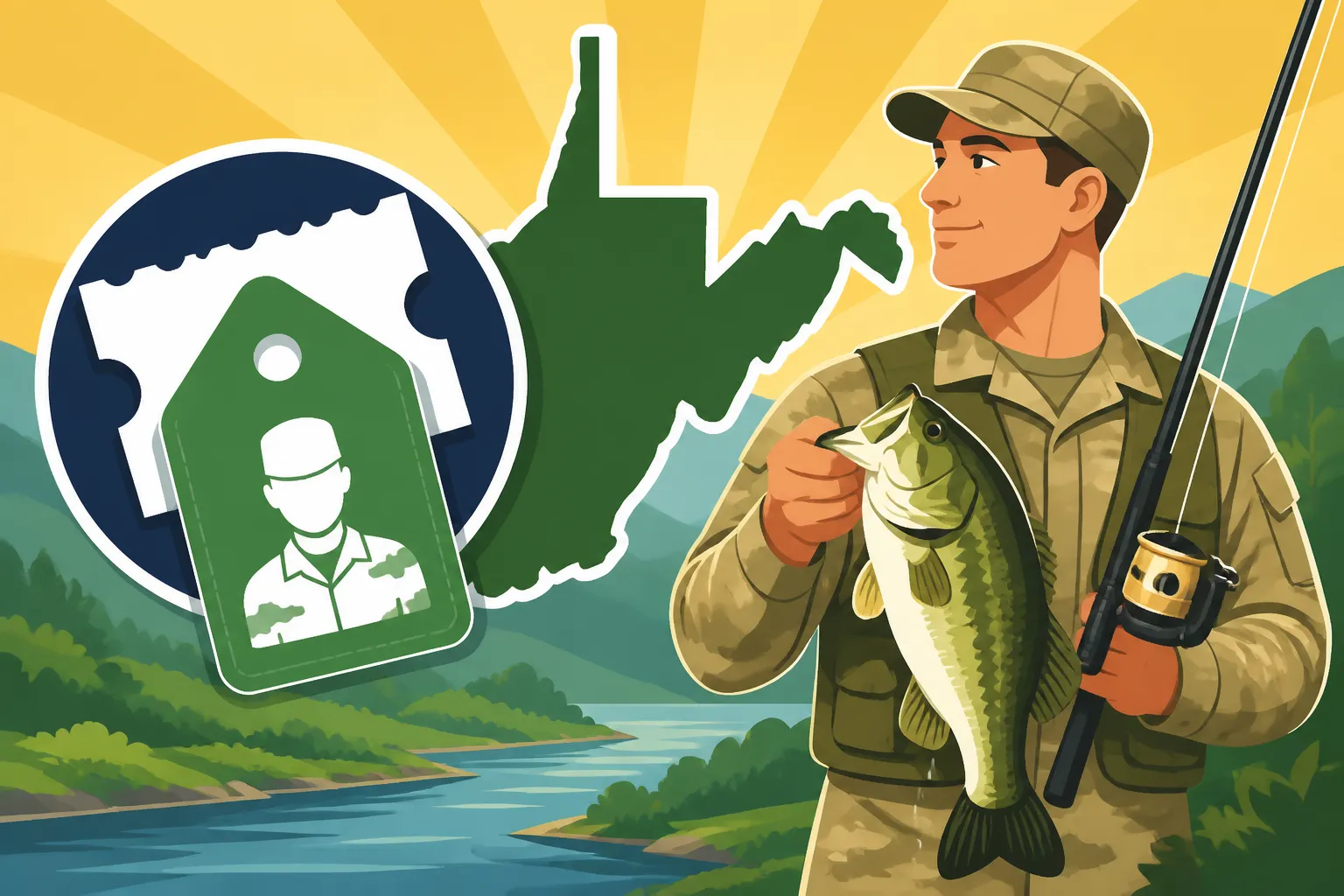
While a blanket discount might not exist, West Virginia does offer a fantastic benefit to its resident active duty military members: the ability to fish for free when home on leave. This is a meaningful way the state acknowledges the sacrifices of its service members, allowing them to enjoy the peace and recreation of fishing without an additional cost burden during their precious time off.
Who Qualifies for the Free Leave License
This particular exemption is quite specific. To qualify for free fishing in West Virginia while on leave, you must be:
- A bona fide resident of West Virginia: This is crucial. Your permanent home must be West Virginia, and you must meet the state's legal definition of residency.
- An active duty member of the United States Armed Forces: This includes the Army, Navy, Air Force, Marine Corps, Coast Guard, and members of the National Guard and Reserves on active duty.
- Currently on leave from active duty: This means you are officially granted time off from your duties and are temporarily back in your home state.
The spirit of this provision is to allow those currently serving, who call West Virginia home, to enjoy recreational fishing during their temporary visits. It's not intended for those who are simply stationed in West Virginia but do not maintain residency here. If you're a non-resident active duty member stationed in West Virginia, you would still need to purchase a non-resident license, unless other specific exemptions apply (like being a disabled veteran, which we'll cover shortly).
How to Obtain Your Leave License and What to Carry
Obtaining your free fishing license while on leave is a relatively straightforward process, but it requires you to be prepared with the correct documentation. You can't just show up to the stream and assume your military ID is enough. You'll need to present official orders proving you are on leave from active duty to a license agent.
Here's a step-by-step guide:
- Gather your official leave papers: This is the most critical piece of documentation. It must clearly state that you are on active duty and are currently on leave. A standard military ID alone is generally not sufficient, as it doesn't confirm your current leave status.
- Bring proof of West Virginia residency: This could be your West Virginia driver's license, a state ID card, or other official documents that establish your residency.
- Visit an authorized license agent: You can typically find these at sporting goods stores, bait and tackle shops, and some convenience stores across the state. The West Virginia DNR website usually has a list of authorized vendors if you're unsure where to go. While you can often buy licenses online, for this specific exemption, visiting an agent in person with your documentation is usually the most reliable method. For general purchases, knowing How to buy a West Virginia fishing license online is also useful.
- Complete the necessary paperwork: The agent will help you fill out the application for your free leave license. There may be a small issuance fee, but the license itself is free.
Once you have your free leave license, always carry it with you while fishing, along with your military ID and any other relevant identification. Conservation officers are diligent in checking licenses, and being prepared ensures a smooth and enjoyable experience. Remember, even with a free license, you are still subject to all West Virginia Fishing Regulations Explained, including bag limits and season dates.
| Document Type | Purpose | Where to Get It / What It Looks Like |
|---|---|---|
| Official Leave Orders | Proof of active duty and current leave status | Issued by your military command; typically a printed document with dates and signatures |
| WV Driver's License/ID | Proof of West Virginia residency | State-issued driver's license or identification card |
| Military ID | Supplemental identification (often requested with orders) | CAC Card or other official Department of Defense identification |
Important Considerations for Non-Resident Active Duty Military
If you're an active duty military member but West Virginia isn't your state of legal residence, the free leave license option won't apply to you. However, that doesn't mean you can't enjoy the incredible fishing opportunities here! You'll simply need to purchase a non-resident license.
Understanding Non-Resident License Options
West Virginia offers several non-resident fishing license options to accommodate visitors, including active duty military from other states. These include:
- Non-Resident Annual Fishing License: This is your standard yearly permit, allowing you to fish for a full year from the date of purchase. For specific cost details, you can refer to the Nonresident Annual Fishing License Cost in West Virginia guide.
- Short-Term Non-Resident Fishing Permits: Perfect if you're only planning a quick trip. You can opt for a 1-day or 3-day permit, which provides flexibility if you're just passing through or enjoying a weekend excursion. These short-term options are often very popular for those visiting family or friends who live in West Virginia.
- Combination Licenses: If you also enjoy hunting, you might consider a combination license that covers both fishing and hunting. This can sometimes offer a slight cost savings compared to buying two separate annual licenses. Details on these are usually found in the West Virginia Combination Hunting and Fishing License Options.
Purchasing these licenses is typically straightforward. You can often buy them online through the WVhunt.com portal, or visit any authorized license agent in person. Just be sure to select the correct non-resident category and ensure you have all required federal and state stamps, such as a West Virginia trout stamp if you plan to fish for trout in designated waters.
General Fishing Regulations All Anglers Must Follow
No matter your residency or military status, every angler in West Virginia is responsible for understanding and adhering to the state's fishing regulations. These rules are in place to manage fish populations, protect aquatic habitats, and ensure fair chase for everyone. Ignoring them, even unintentionally, can lead to fines and penalties.
Key regulations to always be aware of include:
- Bag and Possession Limits: There are strict limits on the number of fish you can keep per day and the total number you can have in your possession. These vary by species (e.g., trout, bass, walleye) and sometimes by specific water bodies. For example, there are specific limits for West Virginia Walleye Daily and Possession Limits or West Virginia Black Bass Limits and the New River Slot Limit.
- Season Dates and Closures: While many species can be fished year-round, certain waters or species have specific seasons or closures. Trout streams, for instance, often have a designated stocking season. Always check the current year's fishing regulations summary for exact dates.
- Gear Restrictions: Certain types of gear or bait might be prohibited in specific waters, especially in designated fly-fishing-only or artificial-lure-only sections.
- Trout Stamp Requirements: If you plan to fish for trout in stocked waters, almost all anglers, including those fishing with a free leave license, will need to purchase a West Virginia Trout Stamp Cost for Residents and Nonresidents. This stamp helps fund the state's robust trout stocking program.
It's always a good idea to pick up a physical copy of the current West Virginia Fishing Regulations Summary wherever licenses are sold, or download the PDF version from the West Virginia Division of Natural Resources (WV DNR) website. This ensures you have the most up-to-date information at your fingertips.
Other Military-Related Fishing Benefits in West Virginia
Beyond the active duty resident on-leave exemption, West Virginia extends other important fishing license benefits to its service members and veterans, recognizing their broader contributions and sacrifices. These programs are vital for many who have served and offer long-term access to the state's fishing resources.
Fishing License Exemptions for Disabled Veterans
West Virginia deeply respects its disabled veterans and offers a significant benefit to those who qualify. If you are a permanently and totally disabled veteran, you may be eligible for a free statewide fishing license. This isn't just a discount; it's a full exemption from needing to purchase a standard fishing license, allowing you to fish most public waters in the state without that annual cost.
To qualify for this exemption, you typically need to provide proof of your disability status from the U.S. Department of Veterans Affairs (VA). The specific percentage of disability required is usually 100% permanent and total, but it's always best to verify the exact criteria with the West Virginia DNR, as regulations can sometimes be adjusted. This exemption applies to both fishing and hunting licenses, offering comprehensive outdoor access. You can find more comprehensive information about these specific benefits in resources like the Disabled Veteran and POW Fishing License Exemptions in West Virginia. This thoughtful provision ensures that those who have borne the brunt of service can still find peace and recreation on West Virginia's beautiful rivers and lakes.
Former Prisoners of War (POW) License Exemptions
Another profound benefit extended by West Virginia is to its former Prisoners of War. If you are a resident of West Virginia and were a prisoner of war, you are exempt from needing to purchase a fishing license. This is another full exemption, much like the one for disabled veterans, and serves as a profound acknowledgment of the immense sacrifice and hardship endured by these individuals.
Like the disabled veteran exemption, proving your status as a former POW requires specific documentation. You would typically need official verification from the appropriate federal agency. When applying for this exemption, it's best to contact the West Virginia DNR directly or visit a regional office to ensure you have all the correct paperwork and understand the application process fully. These programs are critical lifelines for veterans and former POWs, providing a tangible way to give back and foster a connection to the outdoors that many find therapeutic. These exemptions stand as a testament to West Virginia's commitment to honoring its heroes and ensuring they have every opportunity to enjoy the state's natural beauty and recreational offerings.
Disclaimer
Please note that fishing regulations and license requirements can change. While this guide is based on current information, it is always your responsibility to verify the most up-to-date rules directly with the West Virginia Division of Natural Resources (WV DNR) before heading out to fish.