Number of lakes stocked during West Virginia’s Gold Rush
There’s nothing quite like the excitement that buzzes through West Virginia when news breaks of the annual Gold Rush trout stocking. Anglers from all walks of life, from seasoned veterans to excited families, eagerly anticipate the chance to chase those vibrant golden rainbow trout. But let's be honest, figuring out exactly which waters get stocked, especially the specific number of lakes, can feel a bit like trying to solve a puzzle. This guide is here to cut through the confusion and give you the real scoop on how many lakes are typically part of West Virginia's Gold Rush event, helping you plan your next unforgettable fishing adventure.
Unveiling the West Virginia Gold Rush Trout Stocking Event
The Gold Rush isn't just another stocking event; it's a true spectacle in the West Virginia angling calendar. Occurring typically in the late winter or early spring, it marks a thrilling start to the warmer fishing seasons, bringing thousands of anglers out to the state's diverse waterways.
What Makes the Gold Rush So Special?
The West Virginia Gold Rush is essentially a super-sized trout stocking initiative spearheaded by the West Virginia Division of Natural Resources (WV DNR). What sets it apart is the sheer volume of trout stocked and, crucially, the emphasis on the dazzling golden rainbow trout. These fish are not only beautiful with their striking golden-yellow hue but also renowned for their feisty fighting spirit, offering an exciting challenge for anglers. The event is intentionally timed to coincide with a period when many anglers are eager to shake off the winter chill and get back on the water. It transforms numerous fishing spots across the state into prime destinations, making it a fantastic opportunity for families, new anglers, and experienced folks alike to enjoy the outdoors and potentially land a trophy fish. It’s also a great way to introduce younger generations to the joys of fishing, creating lasting memories along the banks of a beautiful West Virginia lake or stream.
The Star of the Show: Golden Rainbow Trout
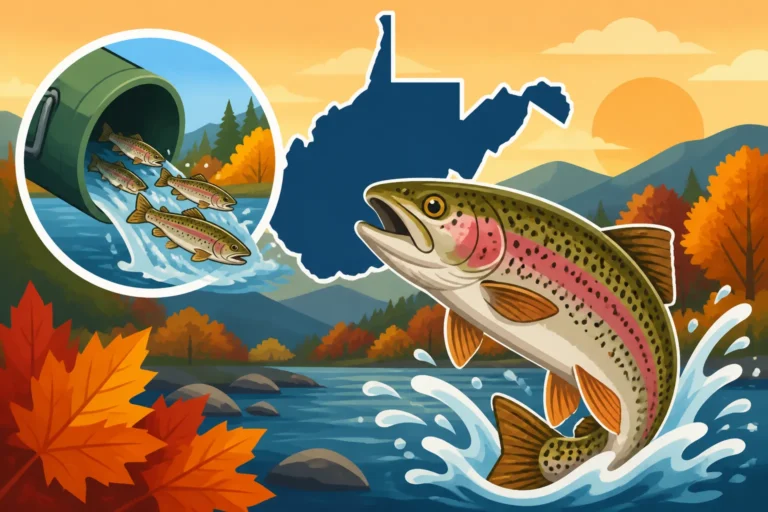
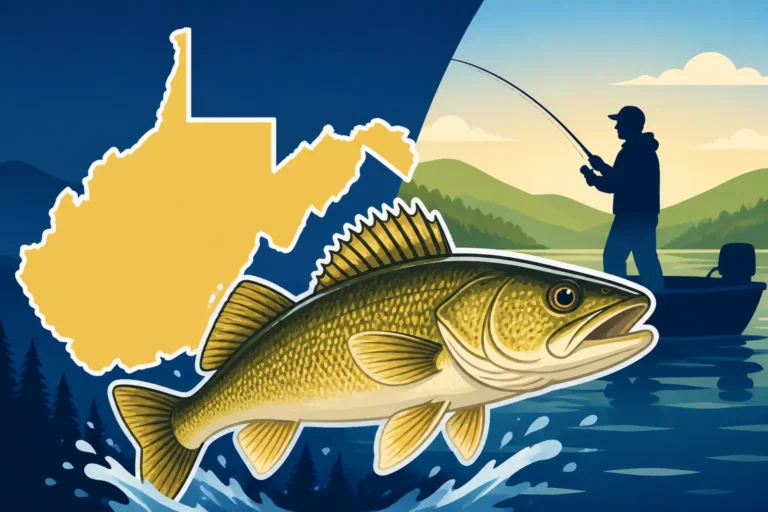
Ah, the golden rainbow trout! These aren't just any trout; they're a genetically unique variant of the traditional rainbow trout, specifically bred for their stunning color. Unlike the more subdued hues of their rainbow cousins, golden rainbows shimmer with bright, iridescent gold and often a distinctive red lateral stripe. Their striking appearance makes them easily identifiable and highly sought after. But it’s not just their looks; these fish are known for their strong pulls and acrobatic leaps, providing an exhilarating fight on the end of your line. Catching a golden rainbow is often considered a highlight, and for many, it becomes a yearly quest. The WV DNR takes great pride in raising and releasing these special trout, ensuring a robust population for the Gold Rush event. They thrive in many of the same conditions as regular rainbow trout and are often eager to bite, making them a fantastic target for anglers using a variety of techniques, from conventional bait fishing to fly fishing.
Deciphering the Stocking Numbers: Focus on Lakes
When the Gold Rush rolls around, it's a statewide endeavor, covering a wide array of public fishing access points. Understanding the scope, particularly regarding lakes, is key to planning your fishing trip effectively.
The Gold Rush and Its Many Waters
When the WV DNR announces the Gold Rush, they typically refer to stocking "approximately 60 waters" across the state. This is a comprehensive figure that includes a diverse mix of fishing destinations. To directly answer the burning question: typically, around 25 to 30 of these approximately 60 waters are lakes, larger impoundments, or community ponds. The remaining waters are various rivers and streams, each selected for its suitability for trout stocking and public accessibility.
It's important to understand that the exact number of lakes can fluctuate slightly year to year based on various factors like water levels, specific operational plans for that season, and environmental conditions. However, the commitment to providing a significant number of lake-based opportunities for golden rainbow trout is consistently high. These lakes range from smaller, easily accessible community ponds perfect for a quick family outing, to larger state park lakes and reservoirs offering more expansive fishing grounds and potentially bigger fish. So, while "60 waters" is the total, you can reliably expect a substantial portion of those to be stillwater environments, offering varied experiences for different angling preferences. If you're wondering where to get your fishing permit, our guide on Where and How to Buy a West Virginia Fishing License has all the details.
Criteria for Lake Stocking
The selection process for which lakes receive Gold Rush stockings isn't arbitrary; it's a careful consideration of several key factors to ensure the best possible experience for anglers and the highest survival rates for the trout.
- Accessibility: Lakes that are easily accessible to the public, often with ample parking, boat ramps, or fishing piers, are prioritized. This ensures that as many people as possible can participate in the Gold Rush. Think about popular spots within state parks or city limits that are easy for families to reach.
- Water Quality and Temperature: Trout require cool, well-oxygenated water to thrive. The WV DNR carefully monitors water temperatures and dissolved oxygen levels in potential stocking locations. Lakes with suitable conditions, particularly those fed by cooler streams or deeper areas that hold cold water, are preferred.
- Size and Structure: Both small community ponds and larger reservoirs are considered. Smaller ponds offer concentrated fishing action, while larger lakes provide more room for anglers and can hold trout for longer periods, often allowing them to spread out and become a bit more challenging. Lakes with good structure like submerged timber, rock piles, or drop-offs can also provide better habitat for the stocked trout.
- Past Success and Angler Pressure: Lakes that have historically provided good fishing experiences and can handle the increased angler pressure during the Gold Rush are often chosen. The goal is to distribute the fish effectively to provide opportunities across the state without over-concentrating them in just a few locations.
- Public Lands and Management: Many of the stocked lakes are on public land, such as those managed by the WV DNR, State Parks, or Army Corps of Engineers, ensuring broad public access.
By carefully considering these factors, the WV DNR aims to make each Gold Rush event a resounding success, distributing those beautiful golden rainbows to waters where they're most likely to be caught and enjoyed.
Essential Preparation for Your Golden Rainbow Quest
Landing one of those magnificent golden rainbow trout requires a bit of planning and the right gear. Being prepared can make all the difference between a frustrating day and a memorable catch.
Gearing Up for Lake Trout Success
While golden rainbows are stocked fish and often eager to bite, having the right setup tailored for lake trout fishing can significantly improve your chances.
For rods and reels, a medium-light to medium action spinning rod, typically 6 to 7 feet long, paired with a reliable spinning reel spooled with 4-6 lb test monofilament or fluorocarbon line, is a fantastic all-around choice. This setup offers enough sensitivity for subtle bites and enough backbone to handle a fighting trout. If you're just starting out or looking for convenient options, you can often find great deals on versatile rod and reel combos on platforms like Amazon, offering a quick way to get outfitted. For those who prefer a more hands-on approach, local tackle shops are invaluable resources for expert advice and specialized gear.
When it comes to bait and lures, stocked trout in lakes are often receptive to a variety of presentations. PowerBait, especially in bright colors like chartreuse, orange, or rainbow, molded into a small ball and fished off the bottom with a small hook and sinker, is incredibly effective. Pieces of corn, salmon eggs, or small worms are also classic, reliable choices. For artificial lures, small inline spinners (like Panther Martins or Mepps), tiny spoons, or micro jigs tipped with a grub or a wax worm can entice strikes. Remember, trout often key in on scent and flash in lake environments, so having a selection of both natural baits and flashy lures is a smart move.
Navigating Regulations and Licenses
Before you even cast a line during the Gold Rush, ensuring you're compliant with West Virginia's fishing regulations is absolutely paramount. It saves you headaches and ensures you're contributing to conservation efforts.
First and foremost, you'll need a valid West Virginia fishing license. For most residents, an annual Class B resident fishing license is sufficient. Non-residents will need a Class F nonresident fishing license or one of the short-term options available, such as a West Virginia 1-Day and 3-Day Nonresident Fishing Permits. Beyond the basic fishing license, anyone intending to fish for trout, regardless of whether they plan to keep them or practice catch and release, must also possess a current West Virginia Trout Stamp. This stamp is vital for funding the state's robust trout stocking program, including events like the Gold Rush. You can find more information about this in our detailed guide on West Virginia Trout Stamp Cost for Residents and Nonresidents.
It's also crucial to remember that while the Gold Rush is a special event, general fishing regulations regarding daily creel limits (the number of fish you can keep), possession limits, and any size restrictions still apply. Some specific waters might have additional special regulations, so always consult the latest West Virginia Fishing Regulations Explained summary before heading out. This summary is available online through the WV DNR website and at license vendors, providing hyper-local details about specific lakes and streams. Familiarizing yourself with these rules ensures a legal and enjoyable fishing experience for everyone.
Maximizing Your Gold Rush Experience on the Water
Once you've got your gear and your license, it's time to hit the water. Knowing a few key strategies can help you make the most of the Gold Rush excitement in West Virginia's stocked lakes.
Strategic Fishing Techniques for Stocked Lakes
Fishing stocked trout in lakes can be a fantastic experience, and a few strategic approaches can significantly increase your success rate.
If you're bank fishing, especially in community ponds or smaller lakes, identifying areas where trout might congregate is key. Often, these fish will cruise along shorelines, especially near drop-offs, inlets where fresh water enters, or areas with submerged structure like old tree stumps or weeds. Casting out PowerBait or a small worm on a slip-sinker rig allows your bait to rest on the bottom where trout often feed. Fan casting small spinners or spoons to cover a wide area can also be very effective as you search for active fish. Early mornings and late afternoons are typically the most productive times, as trout tend to be more active when water temperatures are cooler and light levels are lower. During the middle of the day, they might retreat to deeper, cooler water.
For those with boat access, whether a kayak, canoe, or a small motorboat, you can explore more of the lake. Trolling small spinners, spoons, or even live bait at a slow speed can be a great way to cover water and find where the schools of trout are holding. Pay attention to your fish finder if you have one – trout will often suspend in the water column or hug the bottom near changes in depth. Anchoring near submerged humps, points, or the edges of old creek channels can also put you right in the strike zone. Don't forget to pack a good dry bag for your electronics and essentials, which you can easily grab from an online retailer like Amazon, to protect them from any splashes or unexpected rain.
Beyond the Catch: Enjoying the Gold Rush Spirit
The West Virginia Gold Rush is more than just about catching fish; it's about the shared experience and the joy of being outdoors in the beautiful Mountain State.
Embrace the family aspect of the event. Many lakes stocked during the Gold Rush are perfect for introducing children to fishing. The excitement of seeing those golden flashes beneath the water's surface, the anticipation of a tug on the line, and the joy of reeling in their first fish can create memories that last a lifetime. Pack a picnic, bring comfortable chairs, and enjoy the natural beauty surrounding you. These events are often busy, but that just adds to the festive atmosphere, with fellow anglers sharing tips and stories. For a comprehensive overview of age requirements, check out our guide on West Virginia Fishing License Age Requirements.
Practicing responsible angling is also crucial. This includes proper handling of fish, especially if you plan to release them. Wet your hands before touching a fish, support its body, and try to minimize its time out of the water. If you're keeping fish, be mindful of the creel limits and only take what you intend to eat. Keeping the fishing areas clean by packing out all your trash helps preserve these precious resources for future generations. The Gold Rush offers a fantastic chance to connect with nature, appreciate the efforts of the WV DNR, and create your own golden memories, whether you land a trophy or simply enjoy a peaceful day by the water.
| Lake Type/Characteristic | Typical Size | Access | Common Stocked Fish (Beyond Golden Rainbow) | Notes for Gold Rush |
|---|---|---|---|---|
| Community Ponds | Small (1-5 acres) | Easy | Bluegill, Channel Catfish | Often heavily stocked, great for kids and shore anglers. |
| State Park Lakes | Medium (5-50 acres) | Moderate | Largemouth Bass, Crappie | Good facilities, varied structure, can get busy. |
| Larger Impoundments | Large (50+ acres) | Moderate-Difficult | Walleye, Muskie, Hybrid Striper | Offers more space, potential for larger holdover trout. |
| Reservoirs | Very Large (100+ acres) | Varies | Smallmouth Bass, Catfish | Can be challenging to locate fish, often require a boat. |
Beyond the Lakes: River and Stream Gold Rush Stocking
While the query specifically focuses on lakes, it's helpful to understand that the Gold Rush program is far more expansive, impacting a variety of waterways across the state.
Do Rivers and Streams Also Get Gold Rush Stockings?
Absolutely! As mentioned earlier, the approximately 60 waters stocked during the Gold Rush are not exclusively lakes. A significant portion of the stocking effort is dedicated to West Virginia's numerous rivers and streams. This includes everything from larger, easily accessible rivers with public access points to smaller, more remote mountain streams known for their pristine beauty. The inclusion of rivers and streams diversifies the Gold Rush experience, offering different challenges and environments for anglers. River fishing for trout, especially in a state like West Virginia, often involves wading, drift fishing, or float fishing, which appeals to a different set of skills and preferences compared to lake fishing. These stream stockings are just as anticipated as the lake stockings, providing excellent opportunities for those who love the moving water challenge. You can learn more about this in our guide on West Virginia Trout Season and Stocking Rules.
Maximizing Your Chances in Various Water Types
Whether you're targeting a tranquil lake or a rushing river during the Gold Rush, adapting your techniques to the specific water type is crucial for success.
For streams and rivers, where current is a factor, trout often hold in seams, behind obstacles, or in deeper pools where they can conserve energy and ambush prey. Drifting natural baits like worms or salmon eggs under a bobber, allowing them to tumble naturally with the current, is a time-tested method. Small inline spinners cast upstream and retrieved through likely holding lies can also be incredibly effective. Fly anglers will often find success with nymphing techniques or, during a hatch, dry flies. Remember that trout in moving water are often more spread out and might require a stealthier approach. Wading carefully and observing the water for signs of fish or insect activity can make a huge difference. For the best gear when tackling these conditions, consider exploring options online on Amazon, where you can compare different types of waders and wading boots suitable for West Virginia's rocky streams.
Regardless of the water body, paying attention to local conditions is key. Check water clarity, temperature, and recent rainfall. These factors can influence trout behavior and bait preferences. And always, always keep an eye on the official WV DNR stocking schedule updates. While the "number of lakes" is a great starting point for planning, knowing precisely which specific lakes and streams are getting fish, and when, is the ultimate insider tip for a successful Gold Rush outing.
Disclaimer
Please be aware that fishing regulations, stocking schedules, and license requirements can change. While every effort has been made to provide accurate and up-to-date information, it is always your responsibility to consult the official West Virginia Division of Natural Resources (WV DNR) website or their current fishing regulations manual before planning any fishing trip. This guide is for informational purposes only and should not be considered a substitute for official sources.