What Age Can You Fish Without a License in West Virginia?
It’s a question that pops up in conversations by the campfire and on fishing forums all the time: "What age do my kids actually need a fishing license in West Virginia?" As a parent, or even just someone bringing a younger relative along, it can be confusing to keep track of the rules, especially when you just want to focus on enjoying a day on the water. This guide is here to untangle the specifics of West Virginia’s fishing license age requirements, ensuring you know exactly who needs what, and when, so you can avoid any unexpected hiccups and just enjoy the Mountain State's incredible fishing opportunities.
The Core Age Exemption in West Virginia
One of the most welcoming aspects of fishing in West Virginia, especially for families, is the clear guideline for young anglers. The state wants to encourage the next generation to fall in love with its rivers and lakes, and part of that means removing barriers.
The Under-15 Rule: What You Need to Know
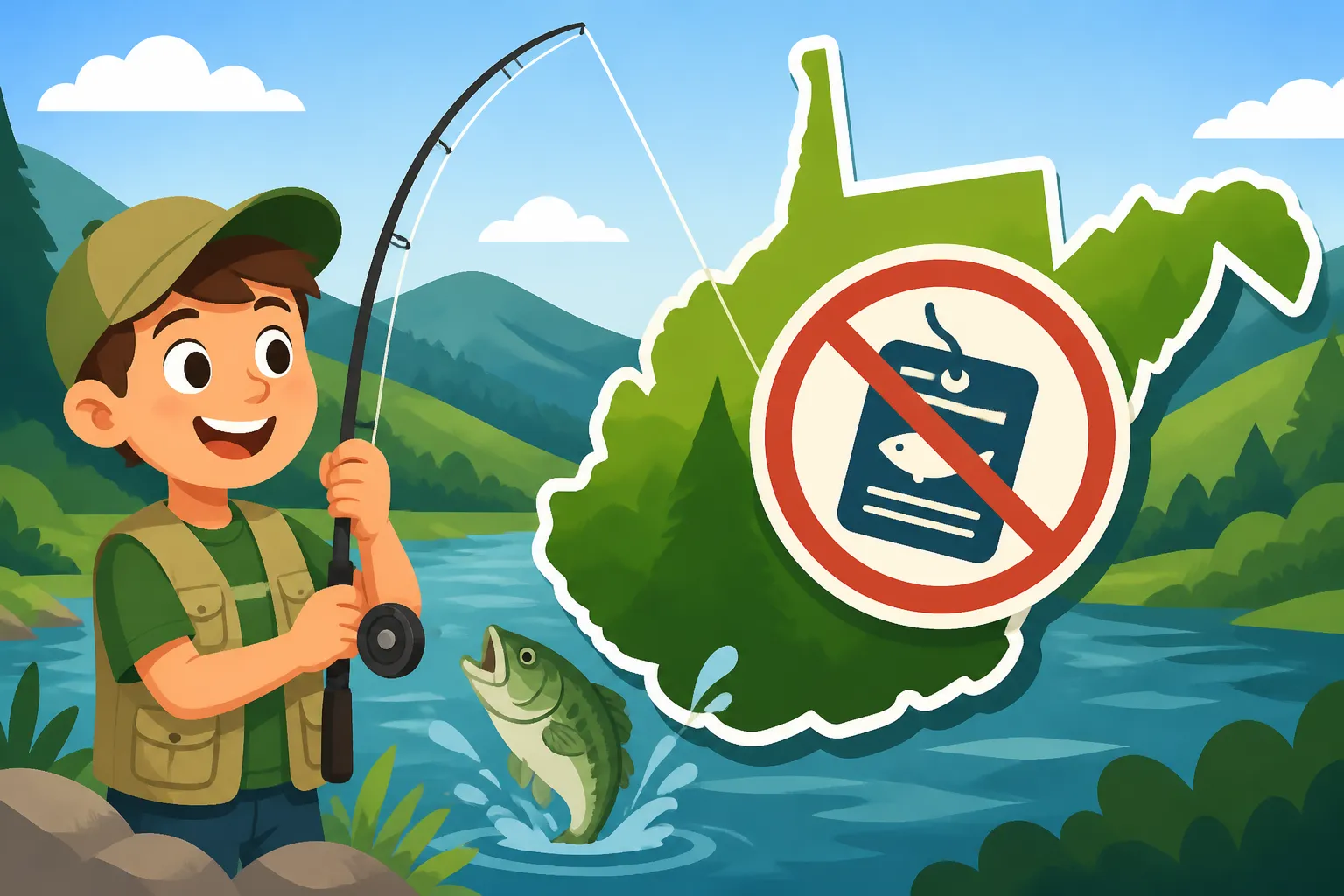
In West Virginia, the rule is pretty straightforward: any person under the age of 15 does not need a fishing license. This is fantastic news for families with younger children who are just starting to explore the joys of angling. Imagine packing up the car, grabbing a few kid-friendly rods, and heading to a stocked pond or a calm section of the river. You don't have to worry about buying a separate license for your 7-year-old, your 10-year-old, or even your 14-year-old. They can simply pick up a rod and cast away, totally exempt from the state's general fishing license requirement.
This policy significantly eases the burden on parents and guardians. Instead of navigating the application process or factoring in additional costs for multiple children, you can simply focus on teaching them how to cast, identify different fish species, and appreciate the natural beauty around them. It truly encourages spontaneity; if the kids wake up one Saturday morning eager to try fishing, you can just go, without a last-minute scramble to secure paperwork. It's a wonderful way to foster a lifelong passion for the outdoors without any initial bureaucratic hurdles.
Why This Age Limit Matters
This "under-15" rule isn't just about convenience; it's a strategic approach to promoting conservation and outdoor recreation. By making it free and easy for youngsters to fish, the West Virginia Division of Natural Resources (WVDNR) is actively cultivating future stewards of the environment. When kids have positive, hassle-free experiences fishing, they are more likely to develop an appreciation for wildlife, clean water, and responsible angling practices. This early exposure, free from the initial commitment of a license purchase, can be the spark that ignites a lifelong passion.
Furthermore, it makes fishing more accessible to a wider range of socio-economic backgrounds. Fishing should be for everyone, and removing the cost of a license for young people ensures that more families, regardless of their financial situation, can partake in this healthy and enriching activity. It's about building traditions, creating memories, and passing down skills. Many states have similar provisions, but West Virginia's clear 15-year-old cutoff is easy to remember and implement, helping to avoid confusion and get more kids on the water. For more details on the general rules, you might want to read our comprehensive guide on West Virginia Fishing Regulations Explained.
Beyond the Youth Exemption: When a License Becomes Necessary
While the under-15 exemption is a huge bonus, it's important to understand when that exemption ends and a license becomes a mandatory part of your fishing gear.
Turning 15: The Transition to Licensed Angler
The moment an angler celebrates their 15th birthday, the game changes. From that day forward, they are required to possess a valid West Virginia fishing license to legally fish in the state's public waters. This transition marks an important step in their fishing journey, signifying their entry into the broader community of licensed anglers who contribute to conservation efforts through their license purchases. It's a rite of passage, in a way, and a good opportunity to teach responsibility and the importance of following regulations.
Parents, this is where you'll want to be proactive. As your child approaches their 15th birthday, make sure they understand this upcoming requirement. You can even make it a special occasion, helping them choose their first official license. West Virginia offers several options for purchasing licenses, including online through the WVhunt.com portal or through various authorized license agents across the state. It's a good idea to consider an annual license at this point, but there are also short-term options if they only plan to fish for a few days out of the year. Getting a license is straightforward, and understanding Where and How to Buy a West Virginia Fishing License can make the process even smoother.
Specific Scenarios and Common Misunderstandings
There are often little nuances and questions that pop up when dealing with age limits. Let's clear up a few common scenarios:
- Group Fishing: If you have a mixed group of anglers – say, a 14-year-old, a 15-year-old, and an adult – only the 15-year-old and the adult need a license. The 14-year-old is still exempt. There's no "group license" that covers everyone, so each individual must meet their own age-based requirement.
- "Almost 15": There's no grace period. On their 15th birthday, the license is required. If they turn 15 on a Saturday and want to fish, they need that license before they cast their line. Planning ahead is key here.
- Free Fishing Days: West Virginia does offer designated "Free Fishing Days" each year, typically in June. On these specific days, all anglers, regardless of age, can fish without a license. These are fantastic opportunities to introduce older friends or family members to fishing without the license commitment, but remember these are exceptions, not the norm.
- Consequences of Non-Compliance: It’s crucial to understand that fishing without a required license can lead to penalties. Conservation officers regularly patrol West Virginia waters, and they do check licenses. A violation can result in fines and legal consequences, which no one wants on a relaxing fishing trip. Make sure to review Fishing Without a License in West Virginia: Penalties so you're fully aware.
Other Age-Related License Considerations
Beyond the standard age requirements for general fishing, West Virginia also has specific provisions for other age groups, particularly for senior citizens, and additional stamps that might be needed regardless of your age or license status.
Senior Anglers: Specific Discounts and Exemptions
West Virginia values its senior citizens and offers a special license program for them. Resident anglers who are 65 years of age or older may be eligible for a Class XS Senior Citizen Lifetime License. This license is a fantastic deal, offering lifelong fishing privileges for a one-time, significantly reduced fee. It's a testament to the state's appreciation for those who have contributed to the community and often have a deep connection to the outdoors.
Eligibility for the Class XS license depends on birth year and residency. Generally, if you're a West Virginia resident and meet the age criteria, you can obtain this lifetime pass. It's important to check the current regulations, as the specific cutoff dates or requirements can sometimes be updated. For many, this lifetime license removes the annual hassle of renewal and provides peace of mind that they can always enjoy their favorite pastime. If you're nearing or past 65, it's definitely worth looking into the West Virginia Senior Fishing License Rules by Birth Year to see if you qualify. This is a big money-saver over many years!
Special Permits and Stamps for All Ages
Even if you fall into an age-exempt category (under 15) or possess a general fishing license (like an annual or senior lifetime license), there are certain fishing activities or species that require additional stamps or permits. These are generally applicable to all anglers, regardless of age or general license status, unless explicitly stated otherwise.
The most common additional requirement is the Trout Stamp. If you plan on fishing for trout in West Virginia's designated trout waters, or harvesting trout from any water, you'll need this stamp. This applies whether you're 15 and just bought your first annual license, or you're 70 with a Class XS lifetime license. The revenue generated from trout stamps goes directly back into the state's robust trout stocking program, which provides incredible opportunities for anglers across the state. For comprehensive information on this, check out West Virginia Trout Stamp Cost for Residents and Nonresidents.
Another important consideration is the Conservation Stamp. Most annual fishing licenses in West Virginia include the Conservation Stamp as part of the package. However, if you're exploring specific situations, such as certain discounted licenses or combination licenses, it's always wise to confirm if the Conservation Stamp is included or if it needs to be purchased separately. This stamp also contributes to broader conservation efforts across the state. Understanding West Virginia's Conservation Stamp, Explained can help clarify its role and when it's required.
Practical Advice for Navigating License Rules
Understanding the age requirements is one thing, but practically applying that knowledge and ensuring you're always compliant is another. Here’s some actionable advice to keep your fishing trips smooth and worry-free.
How to Confirm Age and Regulations
When you're out fishing, especially if you're on the cusp of an age requirement or have older teenagers with you, it's a good idea to have identification handy. While a conservation officer might not ask a clearly young child for ID, a 14 or 15-year-old could easily be asked to verify their age. A school ID, state ID, or even a copy of a birth certificate (though less convenient) can serve this purpose if needed. It's better to be prepared than to face questioning that could disrupt your day.
Beyond age verification, always make it a habit to check the current West Virginia fishing regulations annually. Rules and policies can change, even subtly, from year to year. What was true last season might have a slight modification this season. The WVDNR publishes a comprehensive fishing regulations summary each year, usually available online as a PDF. Make it a point to download and skim through it before your first trip of the season. Knowing Reading the West Virginia Fishing Regulations Summary is a vital skill for any West Virginia angler. This ensures you're up-to-date on not just age limits, but also bag limits, season dates, and special regulations for specific waters.
Where and How to Purchase a License
Purchasing a fishing license in West Virginia is thankfully quite convenient. For those 15 and older, or for seniors looking into their Class XS license, you have a few primary options:
- Online via WVhunt.com: This is by far the easiest and most popular method for many anglers. The official WVhunt.com website allows you to purchase all types of fishing licenses and stamps from the comfort of your home. You can print your license immediately or save a digital copy to your phone. It's quick, efficient, and available 24/7. Learning How to Buy a Fishing License on WVhunt.com is incredibly useful.
- Authorized License Agents: Across West Virginia, many sporting goods stores, bait shops, county clerk offices, and even some hardware stores are authorized to sell fishing licenses. This is a great option if you prefer an in-person transaction or if you need to pick up a license on your way to a fishing spot. You can usually find a list of these vendors on the WVDNR website.
- By Mail: While less common today, it's still possible to purchase licenses by mail through the WVDNR office. This option takes longer, so plan far in advance if you choose this method.
When purchasing, you'll need some basic personal information, including your full name, address, date of birth, and driver's license number (if applicable). For non-residents, the process is similar, but the costs will differ significantly. If you're an out-of-state angler, make sure to consult Nonresident Annual Fishing License Cost in West Virginia and consider options like West Virginia 1-Day and 3-Day Nonresident Fishing Permits for shorter visits.
What About Non-Residents?
If you're visiting West Virginia from another state and plan to fish, the age requirements for needing a license are generally the same: anyone under 15 is exempt. However, for non-residents 15 years and older, the cost of an annual fishing license, or even a short-term permit, will be higher than for residents. This is standard practice in most states, as resident fees often subsidize local conservation efforts that non-residents also benefit from.
Non-residents have several choices depending on how long they plan to stay and fish. There are annual non-resident licenses, as well as 1-day, 3-day, and 7-day permits. These shorter-term options are perfect for vacations or weekend trips, providing flexibility without committing to a full annual license. Remember, just like residents, if a non-resident angler plans to fish for trout, they will also need to purchase a West Virginia Trout Stamp, regardless of their age or the type of general fishing license they hold. If you're buying gear for your trip, remember you can find many essentials, from basic tackle to specialized lures, on platforms like Amazon before you head out. For families from out of state, the under-15 exemption still provides an excellent opportunity to introduce younger members to the fantastic fishing opportunities West Virginia has to offer without the additional cost of a license for them.
Here’s a quick summary of the core age requirements for fishing licenses in West Virginia:
| Age Group | Fishing License Required? | Additional Stamps (e.g., Trout Stamp) | Notes |
|---|---|---|---|
| Under 15 (Residents & Non-residents) | No | Sometimes (if harvesting trout) | While the general fishing license is not required, if a child under 15 intends to keep trout from designated trout waters, a Trout Stamp may be required depending on current regulations. Always double-check this specific nuance in the annual regulations. It's often debated, so play it safe or check the current summary. |
| 15 to 64 (Residents) | Yes | Yes (for specific activities/species) | Requires a Class B Resident Fishing License (or combination license). If fishing for or keeping trout, a Trout Stamp is required. A Conservation Stamp is typically included. |
| 65 and Over (Residents) | Yes (Class XS) | Yes (for specific activities/species) | Eligible for a Class XS Senior Citizen Lifetime Fishing License. This license is valid for life. A Trout Stamp is still required for trout fishing/harvest. A Conservation Stamp is usually included in the Class XS license. |
| 15 and Over (Non-residents) | Yes | Yes (for specific activities/species) | Requires a Class F Nonresident Fishing License (annual), or a short-term permit (Class O1, O3, O7 for 1, 3, or 7 days). A Trout Stamp is required for trout fishing/harvest. A Conservation Stamp is typically included in these licenses. Consider buying a travel-friendly rod and reel combo off Amazon for ease. |
| Free Fishing Days (All Ages) | No | No | During designated free fishing days, no fishing license or stamps are required for anyone, resident or non-resident. These dates are announced annually by the WVDNR. This is a great time to try out new gear you might have found on Amazon, like a new pair of polarized sunglasses for clearer vision on the water. |
Disclaimer
Please note that fishing regulations can change. While every effort has been made to provide accurate and up-to-date information in this guide, it is ultimately the angler's responsibility to review and comply with the most current regulations published by the West Virginia Division of Natural Resources (WVDNR) before engaging in any fishing activities. This guide is for informational purposes only and should not be considered legal advice.