West Virginia Trout Season and Stocking Rules
Navigating the ins and outs of West Virginia's trout fishing rules can feel like trying to untangle a stubbornly knotted fishing line. Between understanding when you can actually wet a line, where the fish are being stocked, and what specific regulations apply to different streams, it’s easy to get overwhelmed. This comprehensive guide is here to cut through the confusion, helping you understand West Virginia's trout season dates, stocking schedules, and all the essential rules to ensure a successful and compliant fishing adventure.
Understanding West Virginia's Trout Program
West Virginia boasts an incredible trout fishing program, a source of pride and enjoyment for countless anglers. But it’s not just about tossing fish into a stream; there’s a whole lot of thought and effort behind how the state manages its beloved trout populations, from native brook trout to the heavily stocked rainbows.
The Goals Behind Trout Stocking
The West Virginia Division of Natural Resources (WVDNR) stocks trout for several key reasons, and understanding these goals helps appreciate the program. First and foremost, stocking aims to enhance recreational fishing opportunities. Many of West Virginia's streams and lakes don't naturally support large populations of trout year-round due to water temperature, habitat, or other environmental factors. By stocking, the WVDNR ensures that anglers have a consistent chance to catch trout, even in areas where they wouldn't naturally thrive. This is especially true for rainbow trout and brown trout, which are often stocked as "put-and-take" fisheries, meaning they are primarily intended to be caught and harvested.
Beyond recreation, the stocking program also plays a vital role in local economies. When anglers visit a stream or lake, they often patronize local businesses – gas stations, restaurants, bait shops, and lodging. This influx of visitors helps support rural communities throughout the state, making the trout program an economic driver as well as a recreational one. Of course, this wouldn't be possible without a thriving and accessible program, and it's something the WVDNR works hard to maintain.
Types of Trout Stocked in West Virginia
When you head out to a stocked trout stream in West Virginia, you're likely to encounter a few different species. The most common, by far, are rainbow trout. These feisty fish are known for their beautiful colors and willingness to bite, making them a favorite among anglers of all skill levels. They adapt well to hatchery life and grow quickly, making them ideal for the WVDNR's extensive stocking operations. You'll find them in almost every stocked waterbody across the state. For more on these, check out our guide on Rainbow Trout Stocking in West Virginia.
Brown trout are also regularly stocked, though typically in lesser numbers than rainbows. Brown trout are a bit more elusive and can grow to impressive sizes, offering a greater challenge for experienced anglers. They also tend to be more resilient in certain stream conditions and can sometimes establish reproducing populations in suitable habitats, though most stocked brown trout are still part of the put-and-take program. Last but not least, West Virginia is famous for its golden rainbow trout, a vibrant, bright yellow-orange variant of the rainbow trout. These eye-catching fish are a special treat, often stocked for specific events or as a bonus in regular stockings. Their unique color makes them highly sought after, and catching one is a memorable experience for any angler. You can delve deeper into their fascinating background in our article on Golden Rainbow Trout Origin and Genetics.
Decoding West Virginia's Trout Season Dates
Understanding when you can legally fish for trout in West Virginia is crucial, and it’s not always as straightforward as a single opening day. The state employs a nuanced system that considers general regulations, special management areas, and different fishing methods.
General Trout Season vs. Special Regulation Waters
For most of the state's stocked waters, the general trout season runs from early spring through late fall, or even year-round in some specific areas that can sustain trout. Historically, there was a statewide "trout opening day," a highly anticipated event that marked the official start of the season. While the exact structure has evolved, the spirit of an early spring opening for major stockings remains a significant part of the angling calendar. During the general season, most waters have daily creel limits and possession limits that anglers must adhere to. These limits are set to allow for reasonable harvest while maintaining fishing quality throughout the stocking period.
However, many of West Virginia's most cherished trout fisheries fall under "Special Regulation Waters." These are specific streams or stream sections, often with exceptional habitat or native populations, that have unique rules designed to protect the fishery, enhance trophy potential, or promote specific fishing methods. These waters might have different opening dates, reduced creel limits, size restrictions, or even require catch-and-release only. Ignoring these special regulations can lead to significant penalties, so it's always critical to double-check the specific rules for your chosen fishing spot. Our detailed guide on Special Regulation Waters in West Virginia can help you sort through these important distinctions.
Catch-and-Release Seasons and Fly Fishing Only Areas
Beyond the general season, West Virginia also designates specific waters, or sometimes specific periods within the general season, for catch-and-release fishing. These areas are incredibly popular with anglers who prioritize the sport of fishing and the conservation of larger, healthier fish. During a catch-and-release season, all trout caught must be immediately released back into the water unharmed. This typically requires using specific tackle, like single, barbless hooks, to minimize stress and injury to the fish.
Furthermore, some of these special regulation waters are designated "fly fishing only" or "artificial lures only" areas. These restrictions are put in place to reduce mortality rates, as natural baits can often be swallowed deeper by fish, causing more severe injury. Fly fishing, in particular, is often seen as a gentler method for catch-and-release, and these waters cater to a dedicated segment of the angling community. For those passionate about this method, our Fly Fishing for Trout in West Virginia article offers a wealth of information. Always verify the bait and tackle restrictions before heading out, as these can vary significantly from one special regulation water to another. Adhering to West Virginia Catch and Release Rules for Trout is not just about legality, but also ethical angling.
Navigating West Virginia's Trout Stocking Schedule
A huge part of planning a successful trout fishing trip in West Virginia involves knowing when and where the fish are going to be stocked. The WVDNR does an excellent job of communicating this information, but you need to know where to look!
How Stocking Works: Weekly and Seasonal Releases
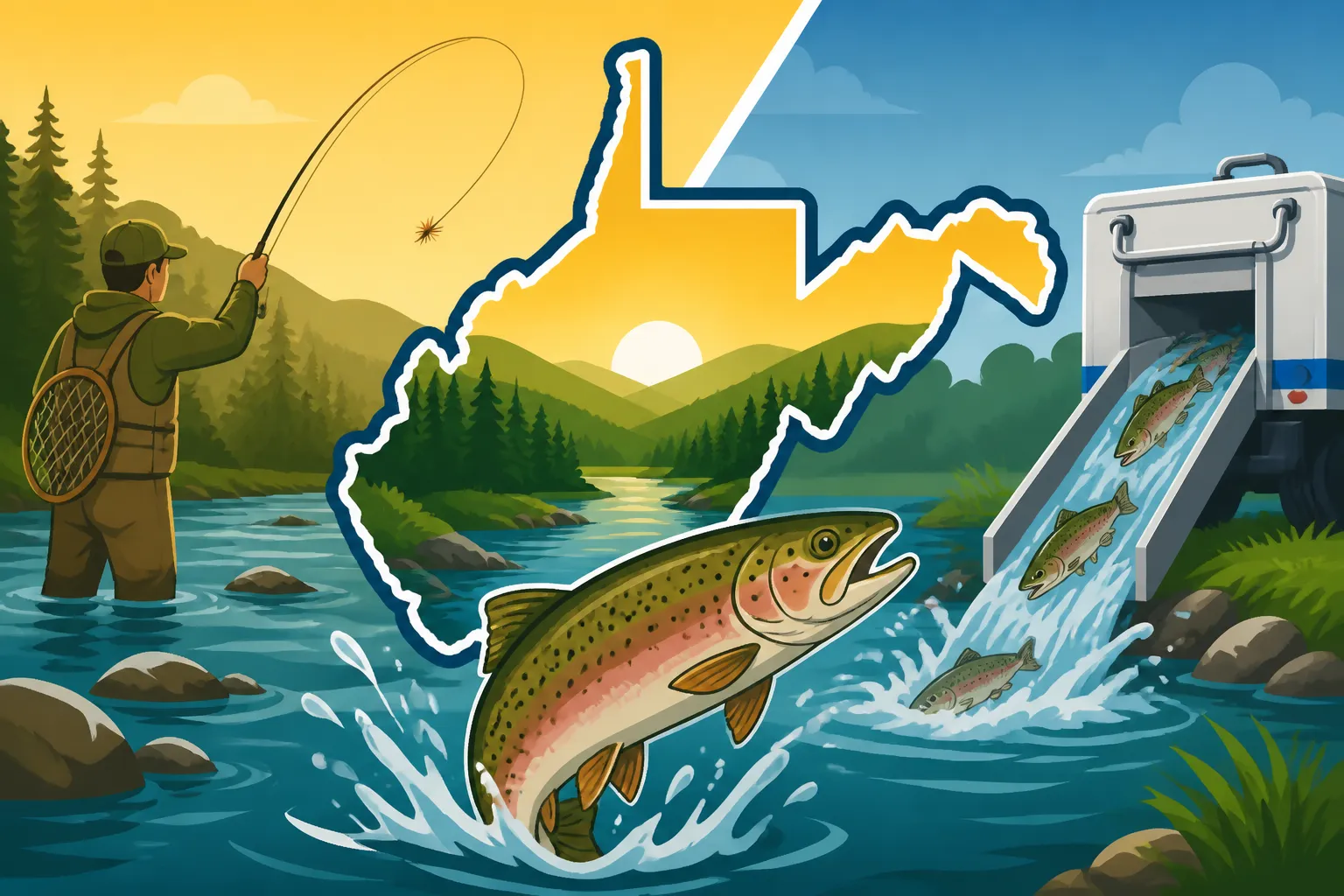
West Virginia's trout stocking program is quite extensive, typically running from early spring well into the fall, and sometimes even through the winter in certain areas. During the peak spring stocking season, many popular streams and lakes receive fresh deliveries of trout on a weekly basis. These weekly stockings are carefully planned to ensure a continuous supply of fish for anglers, spreading the recreational opportunities across different waterbodies and over several months. The WVDNR uses a rotation system, meaning not every stream is stocked every week, but rather on a schedule designed to optimize fishing success and fish distribution.
The stocking operations are a massive undertaking, involving dedicated personnel transporting thousands of pounds of trout from state hatcheries to designated release points. These points are often chosen for easy public access and suitable habitat, although fish will disperse throughout the stream quickly after release. It's a common practice for anglers to keep a close eye on the stocking schedule, as fishing can be particularly productive in the days immediately following a fresh release. The program also considers seasonal changes, with some waters being stocked only when temperatures are cool enough to sustain trout, usually in spring and fall, and higher elevation streams often receiving earlier or later stockings depending on conditions.
Finding the Latest Stocking Information
One of the biggest frustrations for anglers can be trying to pin down exactly when and where trout are going to be stocked. Thankfully, the WVDNR makes this information readily available through several channels. The most reliable source is the official WVDNR website, which typically hosts a comprehensive, up-to-date stocking schedule. This schedule usually lists the specific waterbodies, the dates of stocking, and sometimes even the species of trout being released. It's truly a goldmine of information for planning your trips.
Beyond the website, the WVDNR also operates a dedicated trout stocking hotline. This phone service provides recorded messages with the latest stocking updates, which can be incredibly useful for those who prefer a quick call or are out in areas with spotty internet service. Many local bait and tackle shops, as well as state park offices, also often have printed copies of the schedule or can provide verbal updates. I highly recommend bookmarking the WVDNR trout stocking page and saving the hotline number in your phone. Our article on the West Virginia Trout Stocking Hotline and Schedule provides all the details you need to access this valuable resource.
Major Trout Stocking Events (like Gold Rush)
While regular weekly stockings keep the fishing exciting, West Virginia also hosts special, larger-scale stocking events that create a real buzz among anglers. The most famous of these is undoubtedly the Gold Rush Golden Rainbow Trout event. This annual spectacle involves the stocking of thousands of the unique, brightly colored golden rainbow trout into select waters across the state. The Gold Rush is a massive draw, turning specific lakes and streams into vibrant fishing hotspots for a concentrated period. It's usually held in late March or early April, creating a festive atmosphere and offering a unique opportunity to catch these stunning fish. For details on how to participate and what to expect, check out our guide on Gold Rush Golden Rainbow Trout Event Rules.
These events are usually heavily publicized by the WVDNR and can attract large crowds, so it's wise to plan ahead if you intend to participate. Beyond the Gold Rush, other special stockings might occur for holidays, fishing derbies, or as part of specific conservation initiatives. These events often include larger-than-average trout or a higher density of fish, making for particularly exciting fishing. Always keep an eye on WVDNR announcements, as these special events are fantastic opportunities for anglers.
Essential Rules and Regulations for Trout Anglers
Understanding and following the rules isn't just about avoiding a fine; it's about being a responsible angler and helping to sustain the excellent trout fishing opportunities in West Virginia for everyone. The regulations are designed to protect the resource and ensure fair chase.
Daily Limits and Possession Limits
When fishing for trout in West Virginia, you'll encounter two primary limits: the daily creel limit and the possession limit. The daily creel limit refers to the maximum number of fish of a particular species (in this case, trout) that you can keep in a single day. For most general regulation trout waters, this limit is 6 trout per day. However, this can change based on the specific waterbody or special regulations in place. It’s important to note that once you reach your daily limit, you must stop fishing for that species for the rest of the day in that particular waterbody. You can't just catch and release after hitting your limit if the intent is to continue fishing for trout.
The possession limit, on the other hand, refers to the total number of fish you can have in your possession at any given time, whether they are in your cooler, your vehicle, or back at your campsite. For trout in West Virginia, the possession limit is usually twice the daily creel limit, meaning 12 trout in most cases. This allows anglers on multi-day trips to accumulate fish legally. However, if you are planning to travel home with your catch, be mindful of cooler space and ice, as transporting fish can be challenging. Always remember to check the current West Virginia Bag and Possession Limits by Species before you head out, as these limits can vary and are subject to change by the WVDNR.
The Importance of a Trout Stamp
Fishing for trout in West Virginia requires more than just a general fishing license. If you're 15 years or older and plan to catch or attempt to catch trout, you'll also need a valid West Virginia Trout Stamp. This additional stamp is a small but crucial investment that directly supports the state's trout stocking program. The funds generated from trout stamp sales go towards operating the fish hatcheries, purchasing fish food, maintaining stocking trucks, and covering the personnel costs associated with raising and distributing millions of trout each year. Without the trout stamp, the program simply wouldn't be able to operate at its current scale.
Even if you intend to practice catch-and-release, the trout stamp is still required. The only exceptions are typically for specific free fishing days, or for certain age groups (like children under 15) who are exempt from needing a fishing license in the first place. Purchasing your trout stamp is straightforward; you can usually add it when you buy your West Virginia Fishing License Guide for 2026 online through the WVDNR portal or at any authorized license agent. It’s a vital piece of paper or digital credential that ensures you're contributing to the very fishery you're enjoying. For a deeper dive into this requirement, see our article on Trout Stamps and Trout Fishing Rules in West Virginia.
Gear Restrictions in Trout Waters
While many West Virginia waters allow for a variety of fishing methods, specific gear restrictions are common in trout-designated areas, especially those managed for quality fishing or native populations. The most frequent restriction you’ll encounter is the "artificial lures and flies only" rule. This means you cannot use natural baits like worms, corn, salmon eggs, or powerbait. The idea behind this is to minimize the chances of fish swallowing the hook deeply, which can lead to higher mortality rates, especially in catch-and-release scenarios.
Within artificial lure regulations, some waters might further specify "single, barbless hooks." Barbless hooks are designed to be easily removed from a fish's mouth, causing less trauma and increasing its chances of survival after release. While you can usually pinch down the barbs on regular hooks to comply, many fly fishing flies and artificial lures are sold pre-rigged with barbless hooks. Always check the regulations for the specific stream or lake you plan to fish, particularly if it's one of West Virginia's renowned Best Trout Streams in West Virginia. Using the wrong bait or tackle could result in a fine and, more importantly, can harm the very fish the regulations are designed to protect. It's all about responsible angling and ensuring the longevity of these beautiful fisheries.
Tips for a Successful and Responsible Trout Season
Trout fishing in West Virginia is an incredibly rewarding experience, but it’s more than just catching fish. It’s about understanding the ecosystem, respecting the rules, and ensuring that these opportunities remain for future generations.
Best Practices for Catch-and-Release
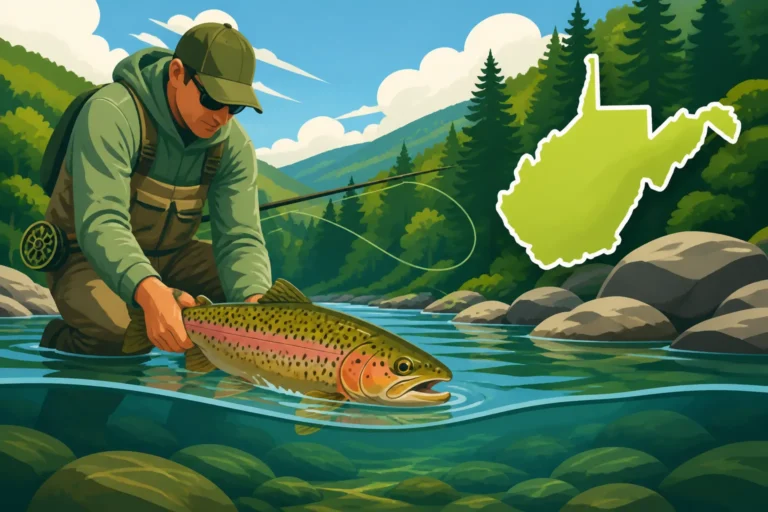
If you choose to practice catch-and-release, or if you're fishing in a designated catch-and-release water, employing the right techniques is paramount for the fish's survival. The goal is to minimize stress and physical harm to the trout. Firstly, handle the fish as little as possible. If you can, unhook the fish while it's still in the water, perhaps using a pair of long-nosed pliers or forceps. If you must handle it, do so with wet hands; dry hands can remove the fish's protective slime layer, making it vulnerable to disease. Avoid squeezing the fish, especially around its belly or gills.
Secondly, use appropriate gear. Single, barbless hooks are ideal, as they come out easily. If you're using barbed hooks, consider pinching down the barb with pliers. Fight the fish efficiently to avoid over-exhausting it, but don't "horse" it in either, which can lead to broken lines or torn mouths. When releasing, gently hold the fish upright in the water, facing upstream into the current, until it regains its strength and can swim away on its own. Never just toss a fish back into the water. A good landing net designed for catch and release, with a rubberized mesh, can also be a game-changer as it's gentler on the fish's fins and slime coat.
Planning Your Trout Fishing Adventure
A well-planned trip is often a successful trip. Before you even leave the house, make sure you have all your licenses and stamps in order. Check the WVDNR website for the latest stocking schedules and regulation updates – they do change! Look for specific information on the waterbody you intend to visit, especially regarding special regulations. Considering the weather forecast is also critical, as trout fishing can be heavily influenced by water temperature and clarity. Many anglers even consult the West Virginia trout stocking schedule for January or other months to anticipate good fishing conditions.
Beyond licenses and regulations, think about your gear. Do you have the right rod, reel, line, and lures or flies for trout? Are your waders in good condition? Do you have polarized sunglasses to help spot fish in clear water? And don't forget essentials like a first-aid kit, plenty of water, snacks, and a way to safely carry out any trash. For those new to trout fishing, a quick search for Best Gear for West Virginia Trout Fishing can provide some excellent starting points. Remember, many of West Virginia's best trout streams are in remote, rugged areas, so preparation is key for both safety and enjoyment.
Contributing to Conservation Efforts
As anglers, we have a vital role to play in the conservation of West Virginia's trout fisheries. One of the simplest ways is to follow all regulations, including limits, season dates, and gear restrictions. These rules are put in place for a reason – to protect the fish and their habitat. Beyond compliance, consider practicing responsible angling ethics. Pack out everything you pack in, and if you see litter, pick it up. Leave no trace of your visit. This not only keeps our natural spaces beautiful but also prevents harm to wildlife.
Supporting conservation organizations, whether through donations or volunteering, can also make a significant difference. Groups like Trout Unlimited work tirelessly to restore habitats, advocate for clean water, and educate the public about the importance of coldwater fisheries. Even something as simple as reporting suspicious activity (like poaching or pollution) to the WVDNR can help protect these valuable resources. By being mindful stewards of our waters, we ensure that the joy of trout fishing in West Virginia can be experienced by generations to come.
| Aspect of Trout Fishing | General Stocked Waters | Special Regulation Waters |
|---|---|---|
| Typical Daily Creel Limit | 6 Trout | Varies (e.g., 2, 4, or 0) |
| Possession Limit | 12 Trout | Varies (e.g., 4, 8, or 0) |
| Trout Stamp Required? | Yes (ages 15+) | Yes (ages 15+) |
| Bait Allowed? | Yes (natural & artificial) | Often "Artificial Lures/Flies Only" |
| Hook Type | Any legal hook | Often "Single, Barbless Hooks" |
| Primary Goal | Put-and-Take Fishing | Quality/Trophy or Catch & Release |
| Season Duration | Spring-Fall (some year-round) | Varies, often year-round or specific periods |
| Source of Info | WVDNR Website, Hotline | WVDNR Website, Regulations Summary |
Disclaimer
The information provided in this guide is for general informational purposes only and is subject to change. West Virginia fishing regulations, season dates, and stocking schedules are determined by the West Virginia Division of Natural Resources (WVDNR) and can be modified at any time. It is the responsibility of every angler to consult the most current official West Virginia Fishing Regulations Summary, available on the WVDNR website or from authorized license agents, before engaging in any fishing activity. Always adhere to all local, state, and federal laws and regulations.