Best boat for shallow rocky rivers
Ah, the lure of those wild West Virginia rivers! There's nothing quite like the solitude and beauty of casting a line in a clear, flowing stream, away from the crowds. But anyone who's tried to navigate our beautiful but often shallow and rocky waterways knows the frustration of scraping a hull or getting stuck on a riffle. This guide is all about helping you find the perfect boat to conquer those challenging conditions, allowing you to access those hidden fishing gems with confidence.
The Unique Challenges of West Virginia's Rocky, Shallow Rivers
Fishing in the Mountain State often means trading wide, deep channels for winding, boulder-strewn stretches of water that demand a specialized approach. Our rivers, like the upper New River, the Greenbrier, or parts of the Cheat, are iconic for their fishing, but they're not always kind to traditional boats. The biggest pain point for many anglers is the constant worry about prop damage, lower unit impacts, or even worse, gouging the hull on unseen rocks just beneath the surface. This isn't just about cosmetic damage; a serious impact can end your fishing day prematurely, leave you stranded, or result in costly repairs.
Beyond the physical damage, the sheer act of getting stuck is a common frustration. You're drifting along, enjoying the flow, when suddenly you're high and dry on a gravel bar or a submerged rock garden. Hauling a heavy boat off a sandbar, especially when you're solo or with limited help, can be exhausting and dangerous. Then there's the issue of launch and retrieval – many of the most pristine river access points are unimproved, meaning no concrete ramps, just natural banks that can be muddy, steep, or equally rocky. This makes launching and trailering a standard bass boat or even a larger jon boat a real nightmare. The ideal river boat for West Virginia isn't just about what performs well on the water, but what makes the entire process of accessing and enjoying these unique environments easier and safer.
Top Boat Contenders for Navigating Mountain State Waters
When it comes to picking a vessel that can handle the often-treacherous conditions of West Virginia's shallower, rockier rivers, you're really looking for a few key characteristics: minimal draft, durability, and maneuverability. Different boat types excel in these areas, and the "best" choice truly depends on your specific fishing style and the rivers you frequent.
Jon Boats: The Workhorse of the Rivers
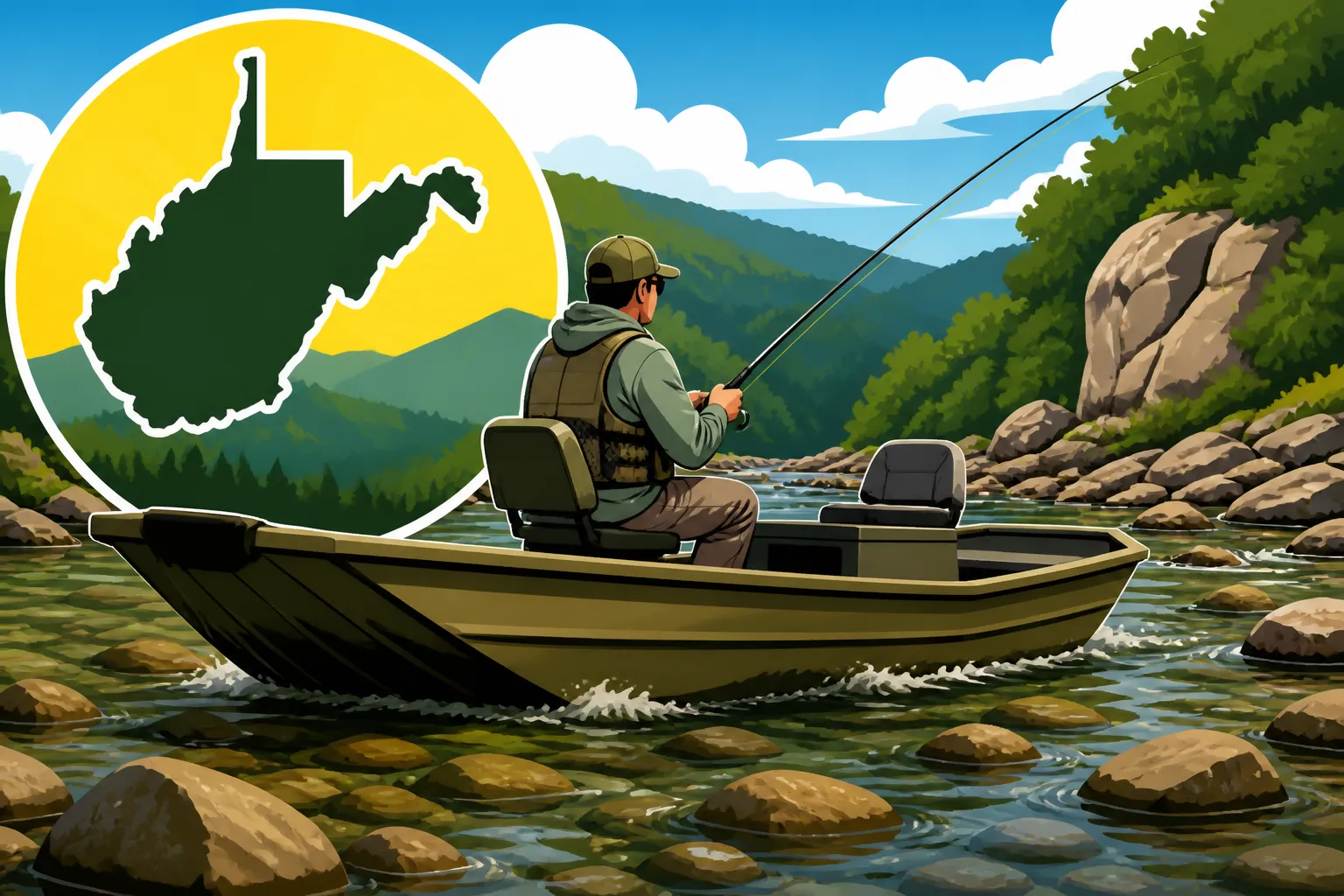
Many West Virginia anglers swear by the humble jon boat, and for good reason. These flat-bottomed boats are designed to run incredibly shallow, often drawing mere inches of water, making them perfect for scooting over riffles where V-hulls would be high-centered. Typically constructed from aluminum, they're surprisingly tough and can take a beating from rocks that would crack fiberglass. While they might not be the prettiest boats on the water, their utilitarian design is a huge advantage. You can customize them extensively with deck plating, casting platforms, and storage. They're also relatively easy to repair if you do sustain a ding.
However, a standard outboard motor with a propeller can still be vulnerable to rocks. This is where a jet drive outboard becomes a game-changer. These engines suck water from below the hull and expel it out the back, eliminating the propeller entirely. This allows you to run in water that's barely deep enough to float the boat, vastly increasing your access to skinny water. While jet drives have a learning curve and are less fuel-efficient than prop-driven motors, they are arguably the most effective way to power a jon boat in truly shallow, rocky rivers. You can often find well-equipped jon boats and jet motors at sporting goods retailers or through marine dealers, and you might even discover great deals on accessories on online marketplaces like Amazon.
Inflatable Boats and Rafts: Ultra-Shallow and Resilient
Don't let the word "inflatable" fool you; modern fishing rafts and specialized inflatable kayaks are incredibly rugged and built for abuse. Brands like Sea Eagle have perfected robust PVC or Hypalon materials that can withstand significant impacts from rocks without puncturing. The beauty of an inflatable is its virtually zero draft – it literally floats on top of the water, conforming to contours rather than scraping over them. This makes them ideal for truly extreme skinny water, allowing access to sections of rivers that no other motorized boat could possibly reach.
Many anglers use these inflatables with small outboard motors (often electric trolling motors in slower water) or row them with oars, sometimes even adding a small framed deck for standing to fish. They're also incredibly portable, deflating to fit in the back of a truck or even a large car, which is a massive advantage for difficult launch sites. While they might not offer the same rigid platform as a jon boat, their unmatched ability to navigate rock gardens and shallow rapids makes them a fantastic choice for serious river exploration. They are also relatively low maintenance compared to hard-sided boats, often only requiring a good rinse and proper storage.
Canoes and Fishing Kayaks: Silent and Agile
For the ultimate in stealth and intimate river experience, canoes and specialized fishing kayaks are hard to beat. A well-designed canoe, especially one made from durable materials like rotomolded polyethylene or even tough aluminum, can handle shallow rock gardens with surprising grace. They're incredibly lightweight and can be easily portaged around rapids or particularly nasty stretches of river. Their open design offers decent storage for gear, and they can be paddled solo or tandem, making them versatile for different fishing trips. The key is to learn proper paddling and ferry techniques to navigate currents safely.
Fishing kayaks, particularly those designed for rivers, offer a low profile and exceptional maneuverability. Many feature scupper holes that allow water to drain, and their sturdy construction handles bumps and scrapes well. Pedal-drive kayaks, like those offered by Old Town, have revolutionized hands-free fishing, letting you cover water while keeping your hands free to cast. They draw very little water and can be spun on a dime, which is invaluable in tight river bends or when battling a fish in current. Best Kayaks for West Virginia Fishing delves deeper into these options. While both canoes and kayaks limit the amount of gear and the number of anglers you can bring, they offer an unparalleled connection to the river and allow access to incredibly remote sections.
Essential Features to Prioritize in a Shallow River Fishing Boat
When you're sifting through all the options for a boat to tackle West Virginia's shallow, rocky rivers, there are a few core features that should sit right at the top of your priority list. Ignoring these can lead to endless frustration, expensive repairs, or even dangerous situations on the water.
Shallow Draft and Hull Design
This is probably the single most critical factor. A boat's draft is how much water it needs to float without touching the bottom. For our rocky rivers, you want the absolute minimum draft possible. This usually means a flat-bottomed hull, like on a jon boat, or an inflatable design that literally rides on top of the water. Avoid deep-V hulls; while they excel in rough, open water, they are a liability in shallow rivers, constantly getting hung up and damaging the hull. Some jon boats feature a "modified V" or "tunnel hull" design, which offers a slightly smoother ride than a pure flat bottom while still keeping the prop somewhat protected in shallow water, a nice compromise for those who want a bit more stability and speed.
The hull material also plays a huge role. Aluminum is a favorite for jon boats because it's incredibly durable against impacts, relatively lightweight, and easy to patch if damaged. Rotomolded plastic, common in many kayaks and canoes, is also very impact-resistant and can slide over rocks without much issue. For inflatables, look for heavy-duty PVC or Hypalon, which are designed to absorb impacts and resist punctures from sharp objects, far more so than you might initially imagine.
Durability and Impact Resistance
Rocks are an inevitable part of river fishing in West Virginia. Your boat will hit them. So, you need a vessel that can take a beating and keep floating. This means robust construction throughout, not just the hull. Look for strong transoms if you're mounting an outboard, durable seams on inflatables, and quality hardware. Beyond the hull itself, consider the motor protection. For outboards, a jet drive is king in shallow, rocky environments because it eliminates the propeller. If a prop motor is your only option, look for models with heavy-duty skegs and consider a prop guard to mitigate damage.
Even with the toughest materials, smart design helps. Boats with a smooth, continuous keel or bottom surface are less likely to snag on submerged objects than those with numerous protrusions or sharp angles. The ability to absorb impacts without catastrophic failure is paramount; a flexible plastic kayak might dent or scrape, but it's less likely to shatter or tear than some other materials. This focus on durability will save you headaches and money in the long run.
Maneuverability and Control
River currents are dynamic, and you need a boat that responds quickly and predictably. Whether you're navigating a swift current, dodging submerged logs, or holding your position in a seam, good maneuverability is key. Shorter boats tend to be more agile than longer ones. Flat-bottomed boats or kayaks often turn on a dime, which is essential for avoiding hazards in fast-moving water.
For motorized boats, responsive steering is a must. A jet drive system, while sometimes challenging to get used to, offers unparalleled control in shallow water, allowing you to quickly change direction. If you're paddling a canoe or kayak, effective paddle strokes and understanding how to use the current will be your best friends. Kayak Fishing Techniques for West Virginia Rivers can offer some great insights here. Additionally, the ability to anchor securely in current, or even briefly pin your boat against a bank, is a crucial aspect of control, allowing you to fish a spot effectively without constantly drifting past it.
| Boat Type | Pros for Rocky Rivers | Cons for Rocky Rivers | Ideal Use Case |
|---|---|---|---|
| Jon Boat | Very shallow draft (especially with jet drive), durable aluminum hull, customizable, stable for standing. | Propeller vulnerability (without jet drive), heavier than inflatables/kayaks, can be rough ride in chop. | Moderate to large rivers with variable depth, good for multiple anglers/gear. |
| Inflatable | Extremely shallow draft, highly impact-resistant, portable, lightweight, stable. | Slower speeds, less rigid platform, limited capacity for very large gear, requires inflation. | Ultra-skinny water, remote access, multi-day float trips. |
| Canoe | Very shallow draft, lightweight, silent, great for portaging, traditional river feel. | Less stable than jon boats/kayaks, limited standing, challenging in strong winds/current for beginners. | Small to medium rivers, quiet exploration, solo or tandem, minimalist fishing. |
| Fishing Kayak | Very shallow draft, highly maneuverable, hands-free options (pedal drive), often very durable. | Limited storage capacity, typically single/double person, lower vantage point for casting. | Small to medium rivers, solo or tandem, precise fishing, technical water. |
Outfitting Your River Rig for Safety and Performance
Having the right boat is only half the battle. To truly make the most of your West Virginia river fishing adventures, you need to properly outfit your vessel for both safety and peak performance. These shallow, rocky environments can be unforgiving, and being prepared is key.
Essential Safety Gear
Safety should always be your number one priority, especially when tackling moving water. First and foremost, everyone on board needs a properly fitting Life Jacket Requirements for West Virginia Boaters. It's not just a law; it's a lifesaver. Beyond that, a few other items are non-negotiable: a first-aid kit, a whistle or air horn to signal for help, and a durable throw bag with a rescue rope. A dry bag containing your phone (fully charged!) and other essential electronics is also a smart move, ensuring communication even if you take an unexpected swim.
For boats with motors, ensure you have an emergency paddle or oars, even if you don't plan to use them. A dead battery or a fouled prop can leave you stranded, and paddles are your only way home in such a scenario. Always check the weather forecast before heading out, as sudden storms can turn a pleasant river trip into a dangerous one very quickly. It's always a good idea to let someone know your float plan, including your put-in and take-out points and estimated return time, especially if you're exploring more remote stretches.
Navigation and River-Specific Accessories
While a full-blown marine GPS might be overkill for smaller river boats, a reliable waterproof map or a mapping app on your phone can be invaluable for identifying access points, rapids, and potential hazards. Knowing the river is a huge part of successful and safe river fishing. A good quality anchor system designed for river currents is also vital. This isn't just a basic anchor; you'll want something that holds firm in moving water, often a drag chain or a small grappling anchor that can be easily retrieved without snagging excessively on the bottom. An anchor trolley system on a kayak can make deploying and retrieving your anchor much safer and more efficient.
Shallow water anchors, like those from Power-Pole or Talon, have become popular for motorized boats, allowing you to quietly pin your boat in place with the push of a button, eliminating the need to throw and retrieve an anchor. For manual boats like canoes and kayaks, a robust, well-designed paddle or a push pole can make a huge difference in navigating extremely shallow sections or fending off rocks. Many anglers find durable cooler options at Bass Pro Shops that double as a seat and can withstand rough river conditions, protecting your lunch and drinks from impacts and water.
Protection and Maintenance for Longevity
Given the harsh nature of rocky rivers, protecting your investment is crucial. For jon boats, consider adding skid plates or reinforcing the keel if it's not already heavily built. Even with a jet drive, a bit of extra protection on the hull can't hurt. For inflatables, always ensure proper inflation levels; too little air makes them vulnerable to punctures, too much can stress seams in hot weather. A small patch kit and a pump are absolute must-haves for any inflatable boat owner.
Regular inspection and cleaning are also vital. After every trip, rinse off your boat thoroughly, especially the hull and any moving parts of a motor, to remove mud, sand, and grit that can cause wear. Check for dings, scrapes, or loose fittings. For outboards, flush the engine regularly, especially if you've been running in silty water. Properly maintaining your boat will extend its life and ensure it's ready for your next adventure on West Virginia's beautiful, but challenging, rivers. Don't forget that Best Gear for West Virginia Trout Fishing often includes tips for protecting gear in rugged environments too.
Disclaimer
This article is for general informational purposes only and does not constitute professional advice. Laws, prices and regulations vary by location and change over time. Consult a qualified professional for guidance on your specific situation.