Best fly for a summer trico hatch
There’s nothing quite like standing on a glassy stretch of a West Virginia river at dawn, the mist still clinging to the banks, and seeing the water come alive with subtle, sipping rises. It’s a magical experience until you realize those fish are feeding on something so tiny it looks like a speck of dust on the water – the dreaded, yet revered, summer trico hatch. If you’ve ever found yourself squinting, fumbling with impossibly small flies, and wondering how on earth to catch these notoriously finicky trout, this guide is for you. We’re going to dive deep into everything you need to know to successfully conquer the trico hatch and turn those frustrating sips into exciting hook-ups.
Unraveling the Enigma of West Virginia's Summer Trico Hatch
The trico hatch is one of the most exciting, and often exasperating, events for fly anglers in West Virginia. It’s a true test of skill, patience, and eyesight, but the rewards are often big fish that have let their guard down, even if just for a fleeting moment. Understanding what these tiny insects are and why trout become so obsessed with them is the first step toward success.
What is a Trico Hatch and Why Does it Matter?
Tricos, scientifically known as Tricorythodes, are one of the smallest species of mayflies. When I say small, I mean tiny. We're talking about flies that typically range from a size 20 all the way down to an impossibly small size 28. Their life cycle, like most mayflies, includes a nymph, emerger, dun (subimago), and spinner (imago) stage. However, it's the spinner fall that really gets West Virginia trout into a feeding frenzy.
The magic of the trico hatch, and what makes it so critical for fly anglers, lies in its sheer numbers and timing. When tricos hatch, they do so in massive clouds, and their spinners, after mating, fall spent on the water's surface in unimaginable quantities. Imagine thousands, if not millions, of tiny, spent mayflies floating lifelessly on the current. Trout, especially large, wary brown and rainbow trout, know this is an easy meal, a buffet of protein that requires minimal effort. They will often ignore larger, more obvious food sources to gorge on these diminutive insects. This is why mastering the trico hatch is a badge of honor for many fly fishermen; it proves you can catch the most selective fish in the trickiest conditions.
The "Trico Time" Phenomenon: When and Where to Find Them
Tricos are primarily a warm-weather hatch, making their appearance from late spring through early fall, peaking in the dog days of summer. But it's not just the season that's important; it's the time of day. This is where the term "Trico Time" comes from, and it's something every dedicated West Virginia fly angler knows by heart.
These hatches almost exclusively occur in the early morning hours, typically starting just as the sun begins to kiss the water, often between 6 AM and 9 AM. The duns will emerge first, quickly flying off to mate. Then, usually within an hour or so, the spinners return and begin their mass descent onto the water, often referred to as the "spinner fall." This is the main event. You'll see trout keying in on these spent spinners with a rhythmic, almost lazy-looking sip. The hatch can be intense but brief, often lasting only an hour or two before the activity completely subsides.
In West Virginia, you'll find prominent trico hatches on many of our excellent trout waters, particularly those with slower, calmer sections, long glides, and glassy pools where the tiny flies can collect on the surface. Rivers like the Elk River Trout Fishing, the South Branch of the Potomac, and even the Cranberry River in its calmer sections, can experience incredible trico events. These are often stretches that hold large, intelligent trout, making the challenge even more rewarding. Look for slower currents adjacent to faster riffles, or the tails of large pools where the current slows down, allowing the spent spinners to concentrate.
The Specific Flies You Need for Trico Hatches in West Virginia
Matching the hatch, especially one as minuscule and nuanced as the trico, is paramount. You can't just throw any old dry fly at these fish. You need patterns that accurately imitate the various stages of the trico life cycle, with the spinner being the absolute star of the show.
The Trico Spinner: The Most Important Stage
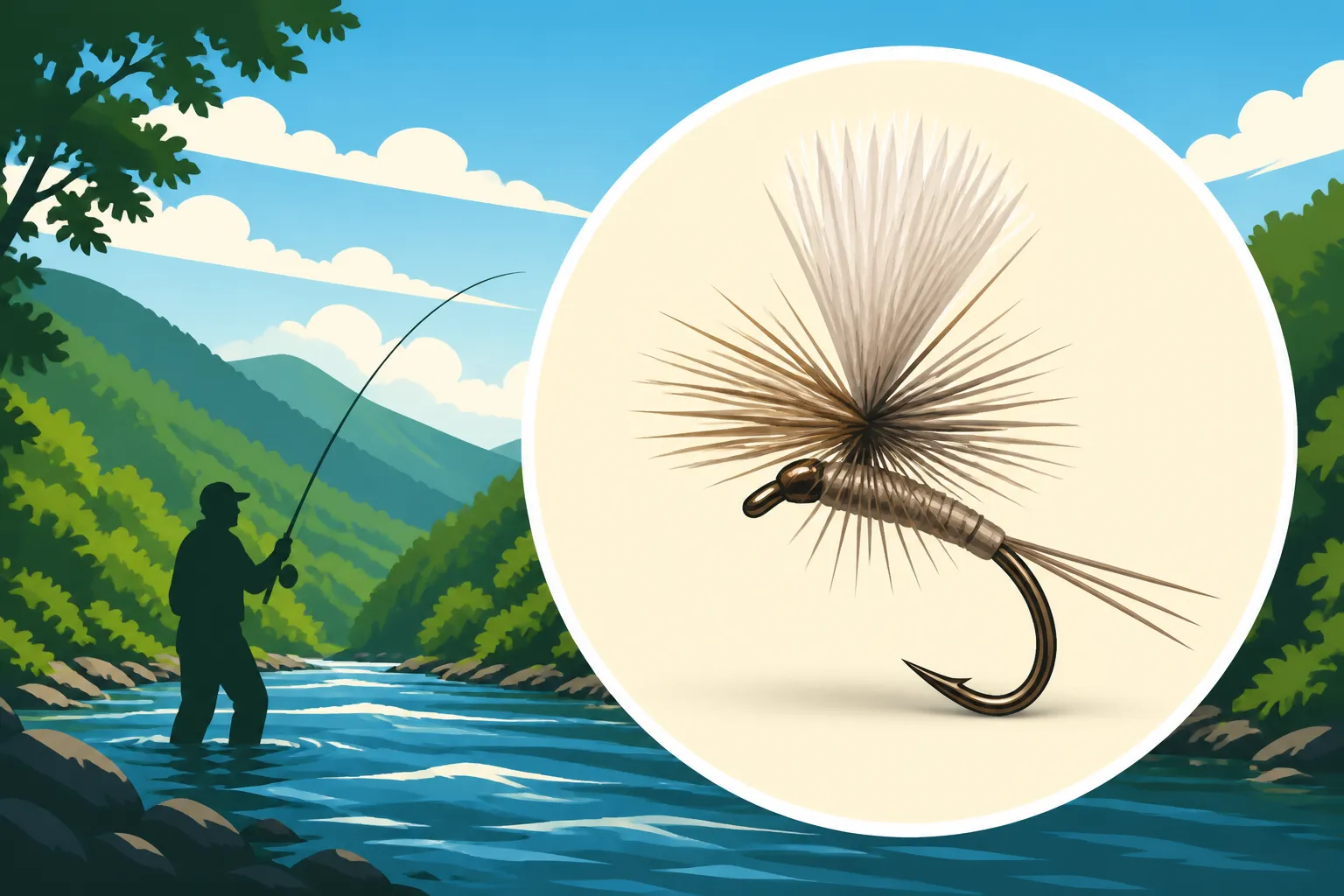
When trout are rising to tricos, nine times out of ten, they are eating the spinner. These are the adult mayflies that have mated and are now dead or dying, floating spent on the water with their wings spread flat. This is the stage you absolutely must have in your fly box, and in a variety of sizes and slight variations.
The key features of a good Trico spinner pattern are its small size (hooks from 20 to 28 are standard), a dark, slender body (usually black or dark gray), and most importantly, transparent, splayed wings that lie flat on the water. Here are some common and effective patterns:
- Black Trico Spinner: This is your bread and butter. Typically tied with a black thread body, often ribbed with a fine silver wire, and clear or white Z-lon, Antron, or CDC wings splayed out horizontally. The key is that sparse, spent profile. Some patterns might incorporate a tiny bit of white poly yarn for a tail to help with visibility.
- Hi-Vis Trico Spinner: Sometimes, seeing that tiny black speck on the water is nearly impossible, especially in low light or glare. A "hi-vis" version will incorporate a small post of brightly colored foam or yarn (like pink, chartreuse, or white) on top of the wings. This doesn't deter the trout and makes your life infinitely easier. Just make sure the post is small enough not to throw off the delicate profile.
- Double Trico Spinner: This pattern is essentially two small trico spinners tied together on a single hook, often representing a male and female. It creates a slightly larger, more visible profile on the water, which can sometimes be the ticket when fish are selectively picking off pairs.
You'll find a good selection of these patterns at specialized fly shops, but also often available through retailers like Bass Pro Shops or online at Amazon. Don't skimp on quality for these tiny flies; good materials and careful tying make a huge difference in how they float and present.
Trico Duns and Emergers: When Trout Are More Opportunistic
While the spinner fall gets most of the attention, there are times when trout will key in on the duns or emergers. This usually happens just before the main spinner fall or if the fish are still transitioning to the spent adults.
- Trico Dun: The dun is the subimago stage, characterized by upright wings. These patterns will typically have a dark body and upright, often grayish or clear, wings. They need to be just as small as the spinners. You might use these if you see fish rising, but they aren't committing to your spinner pattern, indicating they might be taking the emerging insects as they leave the water.
- Trico Emerger: An emerger pattern represents the mayfly as it breaks through the surface film. These flies often have a partially submerged body, a trailing shuck (representing the nymphal skin), and perhaps some upright wing buds. They can be very effective if the fish are "smutting" – making very subtle rises that barely break the surface, indicating they are taking insects just below or in the surface film. A small CDC emerger pattern can be deadly in these situations.
Having a few emerger and dun patterns in sizes 20-24 is a smart move for those moments when the trout aren't quite ready for the full spinner feast.
Nymph Patterns: Before the Rise
Before the main hatch begins, trout are often feeding on the trico nymphs drifting along the bottom or slowly ascending towards the surface. While the excitement often focuses on dry fly fishing, being prepared for the nymphing game can extend your successful fishing window.
Trico nymphs are small, slender, and generally dark brown or black. A simple, unweighted or lightly weighted nymph pattern in sizes 20-24, perhaps with a tiny bead head for sink rate, can be effective. You would typically fish these on a light leader, often using an indicator rig or tight-lining upstream. This pre-hatch phase is often overlooked but can yield some surprisingly good fish before the chaos of the spinner fall ensues. Remember that Fly Fishing for Trout in West Virginia often means being versatile!
Mastering the Delicate Art of Trico Presentation
You've got the right fly, but without the right presentation, those finicky trout will laugh at you. Trico fishing demands precision, stealth, and a perfectly drag-free drift. These fish have seen it all, and a single unnatural movement will send them scurrying.
Leader, Tippet, and Fly Line Considerations
This is where the rubber meets the road. Trico fishing requires a delicate touch, and your leader setup is critical. Forget about heavy tippet; you'll be looking at incredibly fine diameters.
- Long Leaders: You'll want a long leader, typically 12 to 15 feet in length. This long leader helps dissipate casting energy and keeps the thicker, more visible fly line farther away from the wary fish. Tapered leaders designed for dry fly fishing are ideal.
- Fine Tippet: This is non-negotiable. You'll need tippet in the 6X to 8X range. Yes, it's thin, and yes, it breaks easily, but anything heavier will often be refused. For dry flies, a good quality monofilament tippet is usually sufficient as it floats better. If you decide to go with a very small nymph or emerger subsurface, a fluorocarbon tippet can be advantageous due to its invisibility underwater and faster sink rate. Don't be afraid to go as light as you can while still being able to turn over your fly. For example, when fishing for heavily pressured fish, 7X or even 8X tippet might be the only way to get a bite.
- Light Fly Line: A weight-forward floating line that matches your rod weight is standard. Some anglers prefer a line that is a half-size lighter than their rod to help with delicate presentations, or a specialized "presentation taper" line that has a long, fine front taper. The goal is a soft landing, not distance.
Remember that Tippet size for stocked trout often differs from the fine tippets required for these wilder, selective fish on tricos.
Casting and Presentation: The Key to Deception
Once you have your rigging dialed in, it's all about the cast and subsequent drift.
- Delicate Casts: Every cast should be gentle and precise. Think about "laying" the fly on the water rather than "slapping" it. Avoid false casting too much over the fish, as this can spook them. A soft, accurate roll cast can sometimes be more effective than an overhead cast for presenting tiny flies without much fuss.
- Upstream Presentations: Generally, you want to cast upstream and slightly to the side of the feeding fish. This allows your fly to drift naturally down to the trout, appearing as just another one of the many spent spinners.
- Drag-Free Drift: This is the absolute golden rule of trico fishing. Any unnatural drag on your fly – where it moves faster or slower than the surrounding current – will result in an immediate refusal. This means mastering your mend. As your fly drifts, watch your fly line and leader, and make subtle mends (slight upstream pushes of the rod tip) to keep the line slack and your fly drifting perfectly. Often, short, precise casts are better than long ones, as they are easier to keep drag-free. Try to land your leader in a way that creates an "S" curve on the water, giving you extra time before drag sets in.
- Stealth: Trico hatches often occur on clear, calm water, and the trout are often in shallower areas. Approach quietly, wear drab clothing, and avoid making sudden movements or casting shadows over the fish. Sometimes, getting into the best position might require some careful Wading Techniques for West Virginia Trout Streams.
Advanced Tips and Gear for Trico Success on West Virginia Waters
Trico fishing isn't just about the fly and the cast; it's also about observation, adaptation, and having the right auxiliary gear to make the challenging experience a little bit easier.
Seeing the Fly and Setting the Hook
This is often the biggest hurdle for anglers tackling tricos. Those flies are so small, and the takes can be incredibly subtle.
- Polarized Sunglasses are a Must: I cannot stress this enough. High-quality polarized sunglasses, especially those with amber or copper lenses, will cut through the glare on the water and allow you to see your tiny fly and the subtle rise forms. Best polarized sunglasses for sight fishing are an indispensable tool for this kind of fishing. Without them, you're essentially fishing blind.
- Use a Sighter Fly (Often Called an "Indicator Fly"): This is a game-changer for many. Tie a slightly larger, more visible dry fly (like a small Para-Adams, an elk hair caddis, or even a small terrestrial) on your main tippet. Then, off the bend of that first fly's hook, tie a short (6-12 inch) piece of 7X or 8X tippet, and attach your tiny trico spinner. The larger "sighter" fly acts as a tiny bobber, allowing you to track your drift and, more importantly, see when a trout takes the trico. The fish will often eat the trico right next to the larger fly. Just make sure the indicator fly isn't too big, as you don't want to deter the fish.
- Watch for the "Smutting" Rise: Trout taking tricos often make very soft, almost indiscernible rises, sometimes called "smutting." It's not a splashy take; it's more like a quiet sip or a slight dimple on the water. Look for the nose of the fish, or a brief flash, rather than a violent disturbance.
- Delayed Hook Set: Because the takes are so subtle, and the flies so small, you'll often need a slightly delayed hook set. Let the fish really turn down with the fly before you lift the rod. A gentle lift, rather than a hard strip set, is usually all that's needed to bury those tiny hooks.
Patience and Persistence: The Trico Angler's Virtues
Let's be realistic: trico fishing is frustrating. It's difficult to see, difficult to tie on, and the fish can be incredibly selective. But the payoff is immense.
- Embrace the Challenge: Don't get discouraged if you miss a few fish or can't see your fly. It happens to everyone. Trico hatches are often short and intense, so you have to make the most of the window. Keep your focus, make accurate casts, and trust your instincts.
- Go Prepared: Have multiple trico patterns in different sizes and stages. Have your fine tippet pre-spooled and easily accessible. Consider a small fly box specifically for these tiny patterns. A magnifying glass or a strong pair of reading glasses in your vest can be a lifesaver for tying on those minuscule flies! I've even seen anglers use a headlamp on a low setting to help with visibility before the sun is fully up.
- Observe, Observe, Observe: Before you even make a cast, take a few minutes to watch the rise forms. Are the fish sipping gently, or are they more aggressive? Are they taking something on the surface, or just below? Look for natural tricos floating on the water – what size are they? What color are they? This observation will inform your fly choice and presentation. Sometimes you'll find Fly Patterns for West Virginia Trout Streams that are very specific to certain hatches and regions.
Trico fishing is an experience unique to summer mornings, and it teaches you incredible lessons in precision and humility. When everything comes together, and you finally hook into a strong trout that fell for your perfectly presented, almost invisible fly, the feeling is unmatched. So set your alarm, pack your tiny flies, and get ready to witness one of West Virginia's most incredible angling challenges.
| Trico Fly Stage | Key Features | Common Sizes | When to Use | Notes |
|---|---|---|---|---|
| Spinner | Dark, slender body; transparent, splayed wings | 20-28 | Peak of the spinner fall (most common and effective) | Critically important for drag-free drift; Hi-Vis options help with visibility |
| Dun | Dark body; upright, often grayish wings | 20-24 | Early in the hatch, before the main spinner fall | When trout are taking newly emerged adults leaving the water |
| Emerger | Partially submerged body; trailing shuck; wing buds | 20-24 | When trout are "smutting" or taking insects in the surface film | Best for subtle rises just breaking the surface |
| Nymph | Small, slender, dark body | 20-24 | Before the hatch begins, or if fish aren't rising on the surface | Fished subsurface, often with an indicator or tight-lining |
Disclaimer
This article is for general informational purposes only and does not constitute professional advice. Laws, prices and regulations vary by location and change over time. Consult a qualified professional for guidance on your specific situation.