Best bucktail spinner for muskie
Trying to dial in the perfect bucktail spinner for muskie can feel like a quest, especially with the sheer variety out there. It’s easy to get lost in the sea of blades, skirts, and weights, wondering which one will truly entice that elusive toothy critter. This guide is here to cut through the confusion, helping you understand what makes an exceptional muskie bucktail and how to choose the right one for your next West Virginia adventure.
The Undeniable Allure of Bucktail Spinners for Muskie
For generations of muskie anglers, the bucktail spinner isn't just a lure; it's a rite of passage, a go-to, and often the first thing tied on when hunting the fish of a thousand casts. There’s something about the thumping vibration and pulsating flash of a well-presented bucktail that simply drives muskie wild. It's a classic for a reason, consistently producing strikes when other baits fall short.
Why Bucktails Remain a Top Producer
Bucktails are incredibly versatile, mimicking baitfish with their flashy blades and deer hair skirts, which pulsate and breathe in the water. The combination of flash, vibration, and a lifelike profile is a potent cocktail for muskie. These lures can be fished at various depths and speeds, making them effective in a wide range of conditions, from clear lakes to stained river systems like the Little Kanawha River. They often generate a strong reaction strike, even from neutral fish. Many anglers consider bucktails essential for learning How to Catch Muskie in West Virginia.
Muskie are apex predators, and their predatory instincts are highly tuned to detect movement and disturbance in the water. A bucktail spinner creates a substantial wake and vibration, announcing its presence from a distance. The flash from the rotating blades, especially in sunny conditions or clear water, acts as a visual beacon. This dual appeal – auditory and visual – makes bucktails incredibly hard for a muskie to ignore, drawing them in from considerable distances.
Beyond their inherent effectiveness, bucktails offer an engaging fishing experience. The constant retrieve and the anticipation of a follow are exhilarating. There's a satisfaction in feeling the throb of the blades through your rod tip, knowing you're generating a powerful attraction. Plus, the sheer variety available means you can always experiment and find new favorites, adding another layer of depth to your angling.
The Anatomy of a Muskie Bucktail
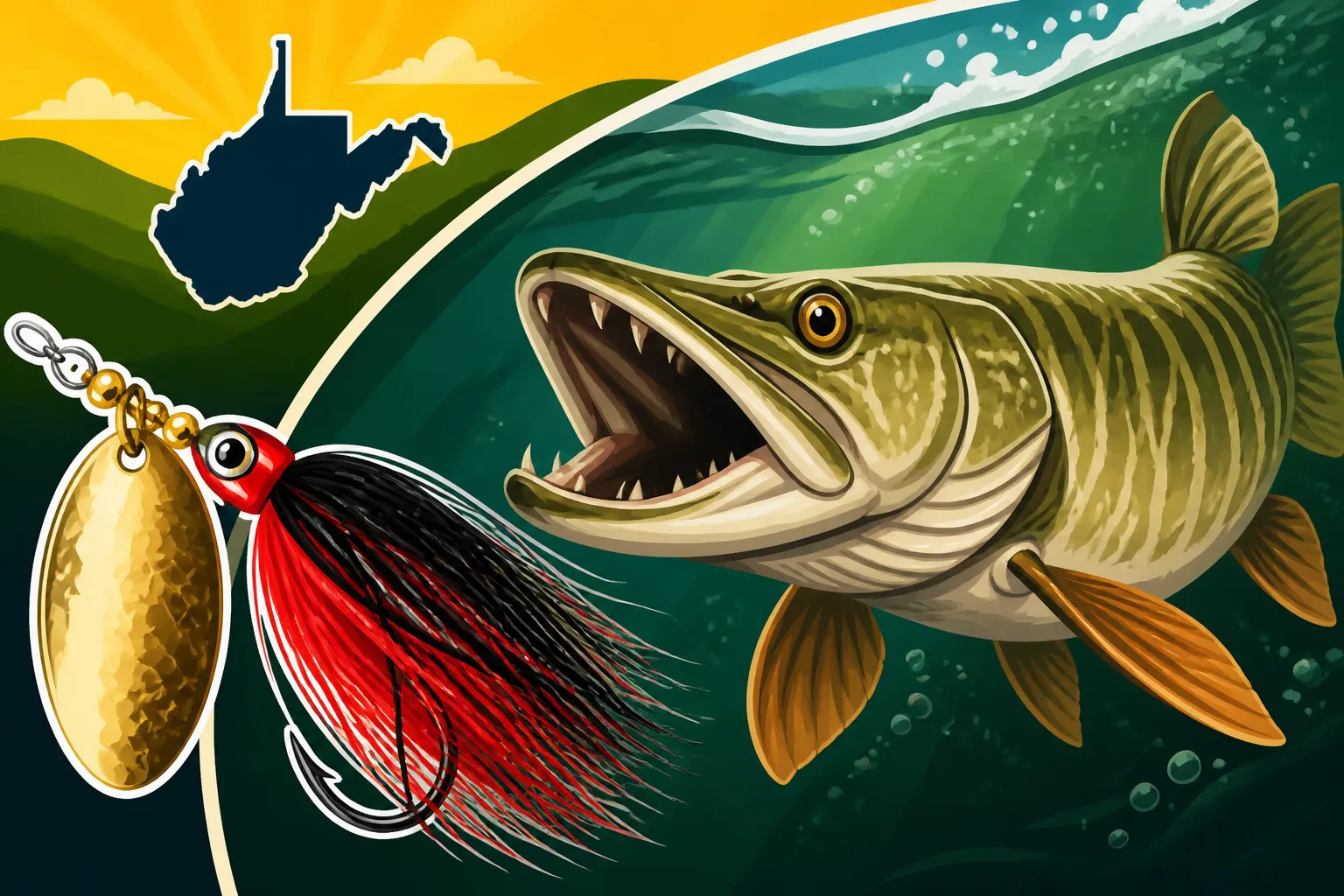
Understanding the components of a bucktail is crucial to picking the right one. Every part plays a role in its action, vibration, and durability. At its core, a bucktail consists of a wire shaft, one or more blades, a body (often weighted), a skirt of natural deer hair (bucktail) or synthetic material, and a sturdy hook system.
The wire shaft is the backbone, holding everything together and needing to withstand serious abuse from powerful muskie. Blades are key for flash and vibration, coming in various shapes and sizes, each with a unique signature. The weighted body helps with casting distance and controlling depth, while the skirt provides the visual appeal and pulsation that triggers strikes. Finally, the hooks, usually trebles, need to be razor-sharp and strong enough to handle a thrashing muskie. Without robust components, even the most attractive bucktail can fail when it matters most.
Anglers often customize their bucktails or choose specific brands known for superior components. The quality of the swivels, for instance, can drastically affect blade rotation, which is vital for the lure's action. Similarly, the durability of the bucktail hair or synthetic material dictates how long the lure maintains its enticing profile after multiple attacks. Paying attention to these small details can make a huge difference in the longevity and effectiveness of your lure on the water.
Essential Features to Consider for Muskie Bucktails
When you're staring at a wall of bucktails at your local tackle shop or browsing online through retailers like Bass Pro Shops, it can be overwhelming. But by focusing on a few key features, you can narrow down your choices and pick a spinner that's perfect for the conditions you'll be fishing in, whether you're targeting smallies on the New River or giants in one of West Virginia's dedicated muskie lakes.
Blade Type and Size: The Heartbeat of the Lure
The blades are what give a bucktail its primary action and vibration, essentially its "heartbeat" in the water. Different blade shapes create distinct vibrations and visual profiles, influencing how the lure performs at various retrieve speeds and depths. Choosing the right blade is paramount for success.
Colorado blades are wide and round, producing a strong thumping vibration and maximum lift, making them excellent for slower retrieves or when you want the lure to stay higher in the water column. They excel in stained or murky waters where vibration is more critical than flash. On the other hand, willow leaf blades are long and slender, offering less resistance, more flash, and a tighter vibration. They're ideal for faster retrieves and clearer water, or when you need the lure to run deeper. Indiana blades are a hybrid, offering a balance of flash and vibration, a great all-around choice.
The size of the blade also matters immensely. Larger blades create more vibration and resistance, appealing to bigger, more aggressive muskie, but they can be tiring to retrieve. Smaller blades are easier to cast and retrieve but might not generate enough commotion to attract fish from a distance. Often, anglers will match blade size to baitfish size in the area, or simply go big when hunting trophy fish. Finding the sweet spot between attraction and manageability is key.
Skirt Material and Color
The skirt of a bucktail provides the visual appeal and adds to the lure's lifelike pulsation. While traditionally made from deer hair, synthetic materials have become increasingly popular due to their durability and vibrant color options. The choice of material and color can significantly impact the lure's effectiveness.
Natural bucktail hair offers a classic, soft, and flowing action in the water that's hard to replicate. It pulses beautifully and can be dyed in a vast array of natural and vibrant colors. However, natural hair can get matted over time or after repeated strikes, requiring more maintenance. Synthetic skirts, often made from materials like Flashabou or similar synthetic fibers, offer incredible flash and come in highly reflective and fluorescent colors. They are typically more durable and less prone to matting. Many anglers combine both, using a base of bucktail with strands of flash for added attraction.
Color selection is a constantly debated topic among muskie anglers. General wisdom suggests bright, contrasting colors like chartreuse, orange, or firetiger for stained or dark water, as they provide better visibility. Natural baitfish colors like white, silver, black, or perch patterns often perform well in clear water or during bright conditions. Don't be afraid to experiment, though. Sometimes, a completely unexpected color can be the ticket, especially on highly pressured waters. Having a diverse selection, easily found on platforms like Amazon, allows you to adapt to changing conditions and fish preferences.
Hook System and Wire Construction
These are the unsung heroes of a bucktail, responsible for landing that muskie once it strikes. A poor hook system or flimsy wire can lead to heartbreak. Muskie have incredibly tough mouths and fight ferociously, so quality components are non-negotiable.
Most muskie bucktails come equipped with heavy-duty treble hooks, often two or three, strategically placed along the skirt. Look for hooks that are chemically sharpened and made from strong, corrosion-resistant steel. Brands like Eagle Claw or Gamakatsu are renowned for their quality. It's not uncommon for experienced anglers to upgrade the factory hooks on some lures to ensure maximum holding power. The hooks should be large enough to get a good bite into the muskie's jaw but not so large that they impede the lure's action or accumulate too much weed debris.
The wire construction is equally critical. A bucktail must be built on a thick, robust wire shaft, typically made of stainless steel. This wire needs to withstand the violent head shakes and powerful runs of a muskie without bending or breaking. The connection points for the blades and hooks, usually formed by bends or twists in the wire, must be securely fashioned. Cheap bucktails often skimp on wire quality, leading to bent shafts or lost fish. Always inspect the wire and connections before heading out, especially after landing a fish or getting snagged.
Here's a quick comparison of common blade types:
| Blade Type | Shape | Vibration Intensity | Flash Intensity | Retrieve Speed | Ideal Water Conditions |
|---|---|---|---|---|---|
| Colorado | Wide, Round | High | Low-Medium | Slow-Medium | Stained, Murky, Deep |
| Indiana | Oval | Medium | Medium | Medium | Versatile |
| Willow Leaf | Long, Slender | Low-Medium | High | Fast | Clear, Shallow, Weedy |
Matching Your Bucktail to Conditions and Techniques
The best bucktail spinner isn't a one-size-fits-all solution; it's the one that best suits the specific fishing conditions and your chosen retrieve style. Understanding how different bucktail features interact with factors like water clarity, current, and fish mood is crucial for consistent success on West Virginia's diverse waters, from the quiet flows of the Cheat River to the powerful currents of the Ohio River.
Adapting to Water Clarity and Light Conditions
Water clarity and light are two of the most significant factors influencing your bucktail choice. What works in a crystal-clear mountain stream won't necessarily be effective in a tannin-stained river. Anglers need to adapt their lure selection to ensure maximum visibility and attraction.
In clear water and bright sunshine, focus on bucktails with highly reflective blades like polished nickel or brass, and skirts with ample flash. Willow leaf blades often shine here due to their maximum flash and tight wobble, which doesn't overwhelm easily spooked fish. Natural baitfish colors, like white, silver, or light browns, tend to be most effective. The goal is to imitate natural prey without appearing overly aggressive or artificial. Best Lures for Muskie Fishing in West Virginia often details specific color patterns that excel in these conditions.
Conversely, in stained, murky, or low-light conditions (dawn, dusk, overcast days), vibration becomes paramount. This is where Colorado blades excel, creating a strong thumping vibration that muskie can sense with their lateral lines. Darker or fluorescent skirt colors like black, chartreuse, orange, or firetiger provide better contrast and visibility in poor light. While flash is still important, the ability to displace water and create a strong sonic signature is often the key to drawing strikes from fish that rely more on their other senses.
Retrieve Speed and Depth Control
How you work your bucktail is just as important as the bucktail itself. Different retrieve speeds and depth requirements necessitate different bucktail designs. A skilled angler knows how to manipulate their lure to trigger a strike.
For fast retrieves, perhaps to cover water quickly or trigger aggressive fish, bucktails with willow leaf blades or multiple smaller blades (tandem or triple bladed bucktails) are often preferred. Their streamlined design creates less drag, allowing for a swift retrieve without excessive strain. These are also great when muskie are actively chasing bait near the surface. Conversely, when fish are sluggish or holding deeper, a slower retrieve is often more effective. This is where Colorado blades shine, generating ample vibration even at minimal speeds. Heavier bucktails also help achieve greater depth and maintain it during slower presentations.
Depth control isn't just about weight; it's also about blade design. Bucktails with larger, wider blades tend to "lift" more in the water, making them suitable for shallow areas or running just below the surface. If you need to get down to deeper breaks or weed lines, opt for bucktails with more weight in the body or those with smaller, more hydrodynamically efficient blades that offer less lift. Techniques like countdown retrieves or pausing your retrieve can also help achieve desired depths.
Fishing in Current and Structure
West Virginia offers incredible muskie fishing in rivers like the New River and the Kanawha, where current and structure play a huge role. Your bucktail choice and presentation must account for these dynamic environments.
When fishing in strong current, you need bucktails that can maintain their action without spinning out or getting washed away. Heavier bucktails with robust wire shafts are essential. Blades with a moderate cup, like Indiana blades, or even smaller Colorado blades, can provide enough resistance to spin correctly without catching too much current and making the retrieve unbearable. Willow leaf blades can also work if you need to cut through current and get deeper quickly. Ensure your swivels are top-notch to prevent line twist. West Virginia Boating Laws for Anglers often includes considerations for navigating these powerful waters safely.
Structure, whether it's submerged timber, rock piles, or weed beds, is where muskie often ambush prey. Fishing around structure requires bucktails that can be accurately cast and retrieved through potential snag zones. Bucktails with single hooks or weedless trailer hooks can be beneficial in heavy cover, though less common. More often, anglers learn to "helicopter" their bucktail over snags, momentarily pausing the retrieve to let the lure flutter vertically, clearing the obstacle. Experiment with different weights to find a bucktail that casts accurately to specific targets but also allows you to feel the structure and react quickly to avoid snags.
Popular Bucktail Designs and Their Strategic Use
Muskie bucktails come in a surprising array of designs, each tailored for specific situations and angler preferences. Knowing the characteristics of these popular styles can help you build a well-rounded arsenal and confidently choose the right tool for the job.
Single-Bladed Bucktails
The single-bladed bucktail is the classic, quintessential muskie lure. It’s often the first bucktail an angler learns to fish, and for good reason—it’s simple, effective, and versatile.
These bucktails typically feature one large blade, usually a Colorado or Indiana, followed by a weighted body and a skirt. Their simplicity is their strength: one large blade creates a powerful, consistent throb and flash. They are incredibly easy to cast and retrieve, making them a great choice for covering water or when you want to run the lure just under the surface. Many anglers prefer a single-bladed bucktail for its less complicated action and ability to draw aggressive strikes from muskie focused on a single, fleeing baitfish. They're a fantastic starting point for anglers beginning their journey into Muskie Fishing in West Virginia.
While straightforward, single-bladed bucktails offer plenty of room for variation. Different blade colors (nickel, gold, painted), skirt patterns, and body weights mean you can fine-tune your presentation. They are especially effective in situations where muskie might be keying in on a single, larger bait profile. These lures are often less fatiguing to retrieve than their multi-bladed counterparts, making them suitable for long days of casting.
Tandem and Triple-Bladed Bucktails
When you need more commotion, more flash, and a bigger profile, tandem or triple-bladed bucktails step up to the plate. These lures are designed to make a serious statement in the water, attracting muskie from further distances.
Tandem bucktails feature two blades, often of different sizes or shapes, on a single shaft. The most common setup is a smaller lead blade and a larger trailing blade. This configuration creates a more complex vibration pattern and significantly more flash than a single blade. It effectively mimics a school of baitfish or a larger, more imposing prey item. Triple-bladed bucktails take this concept even further, offering an even greater visual and sonic presence. These lures are often favored when targeting trophy muskie in large, open water bodies like Summersville Lake or when fishing during low-light conditions.
However, with increased blades comes increased resistance. Tandem and triple-bladed bucktails require heavier tackle to cast and retrieve comfortably. They can be incredibly tiring to fish for extended periods, but their drawing power is undeniable. The extra flash and vibration can be irresistible to muskie, particularly when they are active and aggressive. Many top muskie anglers rely heavily on these larger offerings, often available from specialized manufacturers or major fishing retailers. Remember that when fishing these larger lures, using the Best Line Weight for Muskie Fishing is paramount.
Marabou and Flashabou Bucktails
While traditional bucktails rely on deer hair, many modern designs incorporate other materials to enhance action, flash, or durability. Marabou and Flashabou are two popular alternatives that offer distinct advantages.
Marabou bucktails replace or supplement deer hair with soft, flowing marabou feathers. Marabou is renowned for its incredible pulsating action in the water, even with the slightest movement. It creates a very natural, "breathing" effect that can be highly enticing to muskie, particularly during slower retrieves or in colder water when fish might be less aggressive. The soft texture can also make a lure feel more natural in a muskie's mouth, potentially leading to longer holds. The downside is that marabou can be less durable than bucktail and may get matted easily after a few strikes.
Flashabou bucktails, as the name suggests, are built around synthetic Mylar strands that provide intense flash and shimmer. These skirts are incredibly durable, don't absorb water, and offer a vibrant, reflective profile that's hard to beat in sunny or clear conditions. They are fantastic for mimicking shad or other shiny baitfish. Some anglers find that muskie respond aggressively to the sheer amount of flash. Often, manufacturers will combine bucktail with Flashabou strands for the best of both worlds – the natural pulsation of hair with the irresistible glint of Mylar. These hybrid designs are often found in a wide variety of colors and patterns, readily available from online vendors like Amazon.
Caring for Your Muskie Bucktails: Longevity Tips
Investing in quality muskie bucktails is worth it, but these lures take a beating. From violent strikes to getting dragged through weeds and rocks, they endure a lot. Proper care and maintenance aren't just about making your lures last longer; they're about ensuring they perform optimally every time you hit the water. A well-maintained bucktail is a confident bucktail.
Post-Fishing Routine and Inspection
After a day of battling muskie or even just casting for them, your bucktails need a little TLC. Neglecting them can lead to rust, tangled skirts, and dull hooks, all of which diminish their effectiveness. A simple routine can save you money and headaches in the long run.
Once you’re off the water, especially if you’ve been fishing in brackish or dirty conditions, take a moment to rinse your bucktails with fresh water. This helps remove any grit, slime, or corrosive elements. After rinsing, allow them to air dry completely. Never store wet bucktails in a closed tackle box, as this is a recipe for rust. While drying, inspect each bucktail thoroughly. Check the wire shaft for any bends or kinks. Examine the blades for damage and ensure they spin freely. Most importantly, check your hooks. Even a slight dullness can result in missed fish, so sharpen them if needed or consider replacement.
Pay close attention to the skirt. If it's natural bucktail, gently comb through any tangles or matting to restore its natural flow. Synthetic skirts usually require less care but still benefit from a quick inspection for frayed strands. If you notice any components showing significant wear or damage, address them immediately. Replacing a swivel or hook now is far better than losing a trophy muskie later due to equipment failure. Having a small repair kit with spare hooks, split rings, and pliers in your boat or tackle bag, perhaps from Bass Pro Shops, is a smart move.
Storage Solutions for Bucktails
Proper storage is critical to maintaining the condition and longevity of your muskie bucktails. Haphazardly tossing them into a tackle box can lead to tangled hooks, bent blades, and damaged skirts, making them a frustrating mess when you next reach for them.
Many muskie anglers opt for specialized bucktail storage boxes or tackle bags with individual compartments or tubes. These help keep each lure separate, preventing hooks from tangling with other lures or skirts. Vertical storage in tubes is particularly good for bucktails, as it allows the skirts to hang freely and maintain their shape, rather than getting crushed or matted. If you're using traditional tackle boxes, look for those with deep, adjustable compartments where bucktails can lay flat without their hooks snagging neighboring lures.
Beyond physical organization, consider environmental factors. Store your bucktails in a cool, dry place, away from direct sunlight or extreme temperature fluctuations. Excessive heat can warp plastic components or weaken glues, while humidity can accelerate rust. Some anglers even add moisture-absorbing packets (like silica gel) to their tackle boxes for extra protection. Taking these simple steps ensures that when you're ready to hit the water, your bucktails are in prime condition, ready to entice that next monster muskie. Remember to also keep your Best Landing Net for Muskie in good condition for when the time comes to net your prize.
Disclaimer
This article is for general informational purposes only and does not constitute professional advice. Laws, prices and regulations vary by location and change over time. Consult a qualified professional for guidance on your specific situation.