Best polarized sunglasses for sight fishing
You've probably been there: standing on the banks of a beautiful West Virginia river, squinting into the shimmering glare bouncing off the water's surface. You know the fish are down there, maybe even right in front of you, but that blinding reflection makes it impossible to spot them or any crucial structure they might be hiding near. It's frustrating, and it can truly diminish the joy of a perfect day out. This guide is all about cutting through that watery veil, helping you understand why a good pair of polarized sunglasses isn't just a luxury, but a vital tool for any serious angler, especially here in the Mountain State. We’ll dive into what makes them work, what to look for, and how they can transform your fishing experience, making those elusive fish finally appear before your eyes.
The Undeniable Advantage of Polarized Sunglasses for West Virginia Anglers
Imagine trying to read a book with a bright spotlight shining directly onto the page. That's essentially what you're up against when you're fishing without polarized lenses. The sun's rays hit the water, bounce off in all directions, and create a blinding glare that obscures everything beneath the surface. For an angler, this isn't just an annoyance; it's a significant handicap. In West Virginia, where our rivers and lakes can present a huge variety of conditions, from the sparkling clear pools of a mountain trout stream to the often-murky depths of a larger reservoir, glare can steal your ability to truly engage with the aquatic environment.
Cutting Through the Glare: How Polarization Works
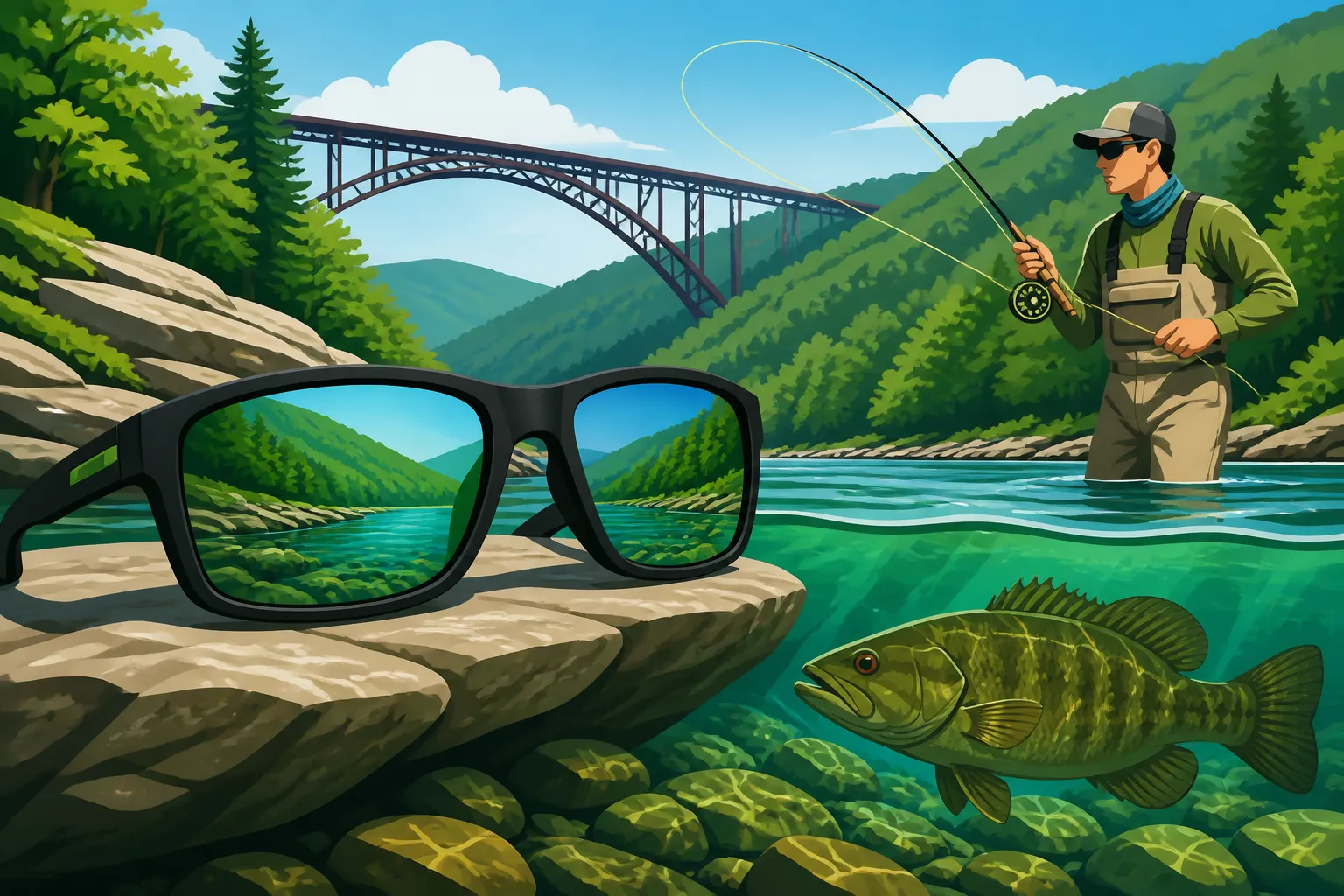
At its heart, polarization is about controlling light. When light reflects off a flat, horizontal surface like water, it becomes "polarized," meaning its waves align on a horizontal plane. Regular sunglasses only reduce the intensity of all light, much like dimming a light switch. Polarized lenses, however, have a special filter that blocks this horizontal glare, allowing only vertical light waves to pass through. It’s like turning a venetian blind to block the light from a specific angle. The result? That blinding sheet of light disappears, revealing the world beneath the surface that was previously hidden. Suddenly, you can see submerged rocks, fallen logs, weed beds, and—most importantly—the fish. This is particularly crucial when you're trying to sight fish for picky trout in a clear stream or spot a lurking smallmouth bass on the New River Smallmouth Bass Fishing.
More Than Just Seeing Fish: Enhanced Safety and Comfort
Beyond the thrill of spotting a fish before it spots you, polarized sunglasses offer critical benefits for safety and overall comfort on the water. Think about navigating a rocky river in a jon boat or kayak; unseen submerged obstacles can turn a peaceful float into a dangerous situation quickly. With polarized lenses, you gain a clearer view of what's ahead, allowing you to react and steer clear of hazards. This is incredibly important whether you're floating down the Greenbrier River Fishing Guide or cruising a larger lake like Summersville.
Moreover, constant squinting against glare leads to eye strain, headaches, and fatigue. By eliminating this strain, polarized lenses allow you to stay focused and comfortable for longer periods, extending your time on the water and improving your enjoyment. It also provides superior UV protection, safeguarding your eyes from harmful rays that can cause long-term damage, a concern for anyone spending hours under the sun, whether it’s a bright summer day or a crisp winter outing.
Essential Features to Consider When Choosing Your Pair
Choosing the right pair of polarized sunglasses isn't just about picking a cool style; it's about matching features to your specific fishing needs in West Virginia's diverse waters. There's a lot more to it than just "polarized" printed on the lens. Understanding the key components will help you make an informed decision that enhances your time outdoors, whether you're targeting muskie or chasing brook trout. You'll find a vast selection, from budget-friendly options on platforms like Amazon to premium brands available at specialty retailers such as Bass Pro Shops.
Lens Material and Clarity: Glass vs. Polycarbonate
The material of your lenses plays a huge role in both optical clarity and durability.
- Glass Lenses: Often considered the gold standard for optical clarity, glass lenses offer the least distortion and are incredibly scratch-resistant. This pristine view can be a huge advantage when you're trying to pick out subtle movements of a fish in clear water or distinguishing structure at a distance. However, glass is heavier and more prone to shattering upon impact, which might be a concern for active anglers who are prone to dropping their gear or fishing in rugged terrain. If you're wading in a rocky river like the Cranberry, a fall could mean a broken lens.
- Polycarbonate Lenses: These are significantly lighter and more impact-resistant than glass, making them a popular choice for active sports like fishing. While they might not offer the absolute highest optical clarity of premium glass, modern polycarbonate lenses have come a long way and provide excellent visual performance. They're also much safer, as they're less likely to shatter. For most West Virginia anglers, especially those who kayak fish or wade frequently, polycarbonate offers a fantastic balance of performance, safety, and comfort.
Frame Style, Fit, and Coverage: The Importance of a Good Wrap
A great pair of lenses is only as good as the frame holding them. The fit and design of the frame are crucial for both comfort and effectiveness.
- Full-Wrap Frames: These frames curve around your face, providing maximum coverage and blocking light from entering through the sides, top, or bottom. This "wrap-around" style is incredibly effective at reducing peripheral glare, which can otherwise sneak past the lenses and defeat the purpose of polarization. For bright, open water fishing on larger lakes, or for intense glare days on big rivers like the Ohio, a full-wrap frame is invaluable. They also offer better protection from wind, dust, and stray hooks.
- Lightweight and Comfortable Fit: You'll be wearing these for hours, so comfort is paramount. Look for lightweight materials and adjustable nose pads or temple tips that allow for a secure, comfortable fit without pinching or slipping, even when wet. Different face shapes require different frame styles, so trying them on is highly recommended. A poorly fitting pair will be distracting and won't stay in place when you're leaning over to land a fish or fighting current while Wading Techniques for West Virginia Trout Streams.
UV Protection and Coatings: More Than Just Polarized
Beyond polarization, ensure your chosen sunglasses offer 100% UV protection. This shields your eyes from both UVA and UVB rays, which are damaging even on cloudy days. Many quality polarized lenses will naturally offer this, but it's always good to confirm.
Additionally, various coatings can enhance performance and durability:
- Anti-Scratch Coatings: A must-have for any angler. Scratches not only obstruct your view but can also degrade the polarization effect. Even with careful handling, minor abrasions are almost inevitable around fishing tackle.
- Hydrophobic/Oleophobic Coatings: These repel water, oils, and sweat, making the lenses easier to clean and preventing water spots from impairing your vision, which is a huge benefit on rainy days or when splashing water inevitably gets on your lenses.
- Anti-Reflective Back Coatings: Applied to the inside surface of the lens, these coatings prevent light from reflecting off the back of the lens into your eyes, further reducing eye strain and improving clarity.
Choosing the Right Lens Color for West Virginia's Diverse Waters
Just like you wouldn't use the same lure for every fish in every condition, you shouldn't rely on a single lens color for all your fishing adventures in West Virginia. Different lens tints are designed to optimize vision in specific light conditions and environments. Understanding these differences can dramatically improve your ability to see fish, structure, and navigate safely.
The Spectrum of Lens Colors and Their Optimal Uses
| Lens Color | Primary Use | Ideal West Virginia Conditions | Benefits | Drawbacks |
|---|---|---|---|---|
| Grey/Smoke | Bright, sunny days; open water | Summersville Lake, Bluestone Lake, Ohio River on clear days | True color perception, excellent glare reduction | Can be too dark for low light, less contrast enhancement |
| Brown/Amber | Variable light, moderate sun, overcast | New River, Potomac River, general river fishing | Enhances contrast, good depth perception, versatile | Colors may appear slightly distorted |
| Copper/Bronze | Overcast, low light, sight fishing in clear water | Trout streams, shallow clear rivers, early morning/late evening | Excellent contrast, enhances greens/reds, good depth | Can be too intense in very bright sun, slight color shift |
| Yellow/Vermillion | Extremely low light, foggy, dawn/dusk | Deep woods streams, very dark overcast, night fishing (not polarized) | Brightens vision, boosts contrast significantly | Not suitable for bright conditions, not typically polarized |
| Rose/Green Mirror | Moderate light, often paired with a base tint | Mix of sun and shade, smallmouth bass rivers | Good contrast, pleasing to the eye, reduced glare intensity | Can vary greatly depending on base tint |
Matching Lens Color to West Virginia's Fishing Scenarios
Let's break down how these colors translate to real-world fishing in West Virginia:
-
Bright, Sunny Days on Big Water (Grey/Smoke): If you're planning a trip to one of West Virginia's larger impoundments like Summersville Lake Fishing Guide or the broad expanses of the Ohio River on a cloudless, high-noon day, a grey or smoke-tinted polarized lens is your best friend. These lenses offer true color perception, meaning everything looks natural, and they excel at cutting the intense glare from wide-open water. You won't miss a detail of the surrounding scenery, and the underwater world will reveal itself without distorting its natural hues.
-
Versatile River Fishing (Brown/Amber): For the ever-changing conditions you'll encounter on many of our renowned rivers like the New River, the South Branch of the Potomac, or the Elk River, a brown or amber lens is incredibly versatile. These tints enhance contrast, which is crucial for distinguishing between different bottom types, subtle drop-offs, or the darker silhouette of a fish against a mottled riverbed. They work well across a range of light conditions, from moderately bright to slightly overcast. When you’re trying to pick apart cover for smallmouth bass on the South Branch Potomac Smallmouth Fishing, this added contrast can make all the difference.
-
Sight Fishing for Trout in Clear Streams (Copper/Bronze): When targeting trout in the pristine, clear waters of our mountain streams like the Cranberry River or Shavers Fork, or when fishing during early mornings or late evenings, a copper or bronze lens truly shines. These colors significantly boost contrast, making it easier to spot the subtle flash of a feeding trout, a dark seam of current, or a submerged rock where a fish might be holding. They cut through surface glare exceptionally well in these environments, allowing for precise presentations and visual strikes. Many anglers consider copper/bronze tints indispensable for Fly Fishing for Trout in West Virginia.
-
Low Light, Overcast Days (Yellow/Vermillion – often not polarized, but good for specific purposes): While typically not polarized due to their primary purpose of brightening the environment, yellow or vermillion lenses are worth mentioning for extremely low-light situations, dense fog, or when fishing deep, heavily canopied streams where glare isn't the main issue but visibility is. They dramatically increase contrast and brighten your view, helping you pick out details that would otherwise be lost. Just be aware that if they are polarized, they might not be as effective at cutting glare as darker tints.
Maintaining Your Investment: Making Your Polarized Sunglasses Last
You've invested in a quality pair of polarized sunglasses, and they've become an indispensable part of your fishing gear. Just like you'd meticulously care for your fishing reels or keep your lures organized in a Best Tackle Box Setup for West Virginia Anglers, taking care of your sunglasses is crucial to ensure their longevity and performance. Proper maintenance protects their specialized coatings and keeps your vision crystal clear, season after season.
Daily Care and Cleaning Practices
One of the biggest culprits for scratched lenses is improper cleaning. It's so tempting to just wipe a smudge with your shirt or a damp cloth, but that can actually grind dirt and grit into the lens, causing micro-scratches over time.
- Rinse First: Always start by rinsing your lenses under clear, running water to remove any loose dirt, salt spray, or grime. This is especially important after a day on a larger lake or river.
- Gentle Cleaning Solution: Use a dedicated lens cleaning spray or a mild soap (like dish soap) diluted with water. Apply a small amount to both sides of the lenses.
- Microfiber Cloth is Key: Gently wipe the lenses with a clean, soft microfiber cloth. Avoid paper towels, tissues, or rough fabrics, as these can scratch the delicate lens coatings. Many quality sunglasses come with a microfiber pouch that doubles as a cleaning cloth.
- Clean the Frame: Don't forget to clean the frame, nose pads, and temple tips. Sweat, sunscreen, and dirt can accumulate here, leading to discoloration or material degradation over time.
Proper Storage and Handling
How you store and handle your sunglasses when they're not on your face is just as important as how you clean them. This is where most damage occurs.
- Hard Case Protection: Always store your sunglasses in a hard case when you're not wearing them. This protects them from being crushed in your tackle bag, stepped on in the boat, or scratched by other gear. Many premium brands provide a sturdy case, but if yours didn't, it's a worthwhile accessory available at places like Amazon or any sporting goods store.
- Avoid Extreme Temperatures: Never leave your sunglasses in direct sunlight on your car's dashboard or in other hot environments. High heat can degrade lens coatings, warp frames, and even delaminate polarized films over time. Similarly, prolonged exposure to extreme cold isn't ideal, though less damaging than heat.
- Use a Retainer: For anglers, a sunglass retainer (often called a "Croakie" or "Chums") is a game-changer. It keeps your glasses securely around your neck when you're not wearing them, preventing accidental drops into the water or onto hard surfaces. Given the nature of fishing, a sudden movement or a strong gust of wind can easily send your valuable eyewear overboard.
Knowing When to Replace Them
Even with the best care, sunglasses don't last forever. Recognize the signs that it might be time for a new pair.
- Deep Scratches or Pitting: While minor surface scratches are often cosmetic, deep scratches that obstruct your vision, or pitting from prolonged exposure to salt spray (if you venture to coastal areas) or harsh chemicals, mean it's time for a replacement. A compromised lens affects both clarity and the effectiveness of the polarization.
- Delamination: If you notice a cloudy, hazy, or bubbling appearance on your lenses, especially around the edges, this is often a sign that the polarized film is delaminating. This drastically reduces performance and can cause eye strain.
- Warped or Broken Frames: A broken frame obviously means new sunglasses are needed, but subtle warping can also affect the fit and how the lenses sit in front of your eyes, leading to uncomfortable pressure points or allowing more light to sneak in.
By following these care tips, your polarized sunglasses will continue to be a vital asset, helping you enjoy every moment on West Virginia's beautiful fishing waters and spot those elusive fish with ease.
Disclaimer
This article is for general informational purposes only and does not constitute professional advice. Laws, prices and regulations vary by location and change over time. Consult a qualified professional for guidance on your specific situation.