Best tippet size for stocked trout
There’s nothing quite like the rush of a fresh trout hitting your line in a beautiful West Virginia stream, but let's be real: sometimes those hatchery-reared fish can be surprisingly finicky, or maybe you've snapped off one too many nice ones trying to muscle them in. Choosing the right tippet size for stocked trout can feel like a guessing game, leading to frustration, lost fish, and a lot of head-scratching. This guide is here to untangle that confusion, helping you understand the nuances of tippet selection so you can spend less time re-tying and more time enjoying those stunning wild and stocked waters across our beloved Mountain State.
Understanding Tippet and Why it Matters for Stocked Trout
When you're out on a crisp morning by the Elk River or one of the many pristine streams after a fresh stocking, it's easy to think all fishing line is the same. But with trout, especially stocked trout, the details matter significantly. Tippet, in particular, plays a critical role in how many fish you actually bring to hand versus the ones that get away.
What is Tippet, Really? Beyond Just Fishing Line
Let's break it down: tippet isn't just a random piece of fishing line. It's the final, thinnest section of your leader, typically tied directly to your fly or bait hook. Its primary job is to provide a near-invisible connection between your main line or leader and your offering, making your presentation look as natural as possible to the fish. Think of it as the stealth mission agent of your fishing setup.
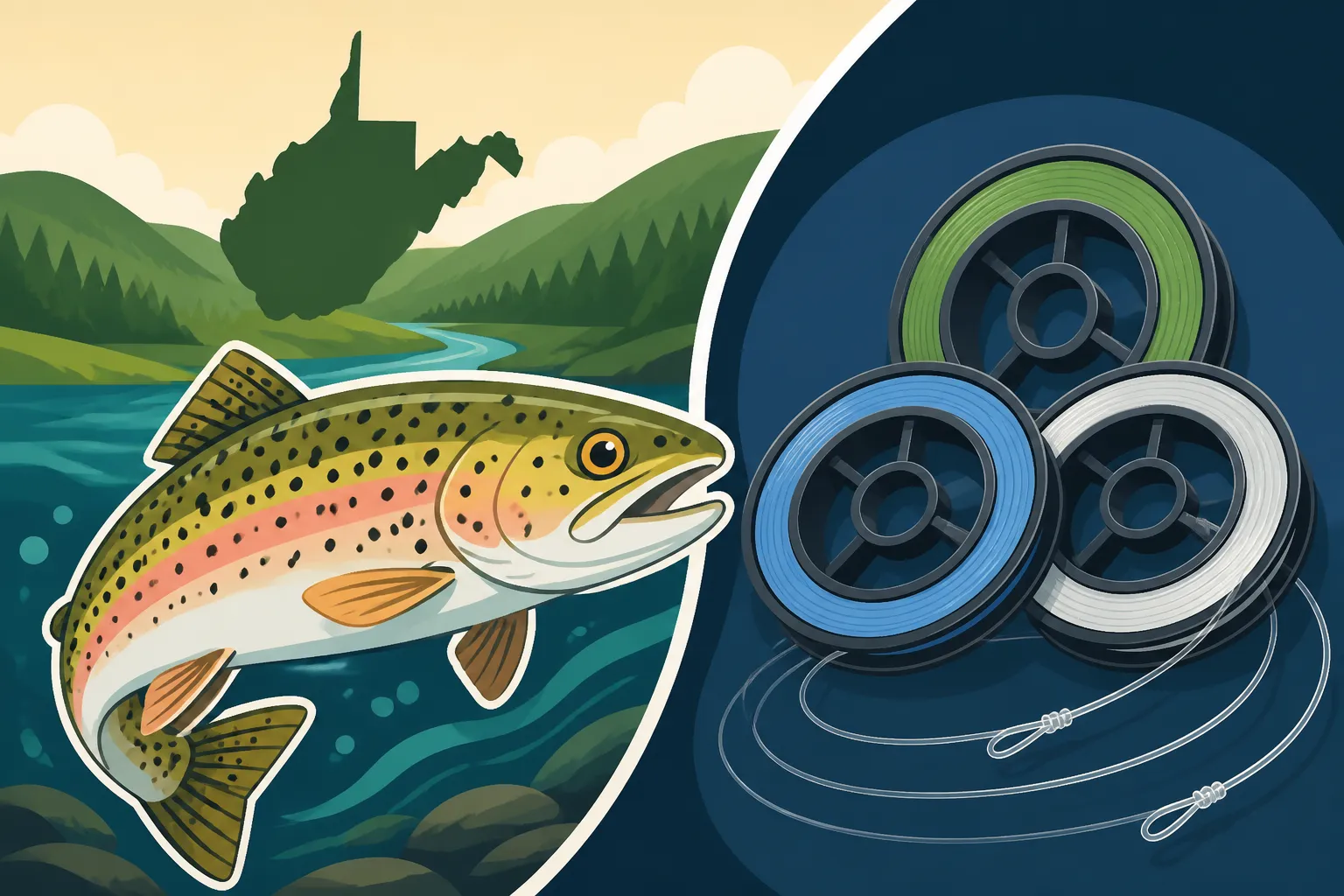
Tippet comes in various materials, but primarily you'll be looking at monofilament and fluorocarbon. Monofilament is more supple and floats better, which can be great for dry flies, while fluorocarbon sinks faster and is virtually invisible underwater due to its refractive index being very close to water. Beyond material, the critical factor for this discussion is its diameter and corresponding breaking strength. A thicker tippet is stronger, but more visible; a thinner tippet is stealthier, but more prone to breaking. It's a constant balancing act, and nowhere is this more apparent than with stocked trout.
Why Stocked Trout are Different and Trickier
You might think stocked trout are easy targets, and in some ways, they are, especially right after the West Virginia Trout Season and Stocking Rules have been announced and the trucks just rolled through. They're often hatchery-raised and accustomed to eating pellets, so a juicy PowerBait or a brightly colored artificial lure can be irresistible. However, there's a flip side to this.
Initially, they might be less line-shy than wild trout, making them appear less discerning. But stocked waters often see a lot of fishing pressure. Fish that survive the initial angler onslaught quickly become wary. They've seen hooks, felt the pull of lines, and learned to associate unnatural presentations with danger. This is where tippet choice becomes paramount. A too-heavy tippet can cast a shadow, create an unnatural drag, or simply be too visible in clear water, causing those "easy" fish to shy away. Plus, while they might strike aggressively, their mouths can be softer or their fighting style a bit more erratic, leading to break-offs if your tippet isn't matched correctly to their size and the way you're fighting them. It’s all about finding that sweet spot between strength and subtlety.
The Balance: Strength vs. Stealth
This is the age-old angler's dilemma, especially for trout. You want a tippet strong enough to land a good-sized fish, especially a feisty rainbow that just got dropped into the Cranberry River. But you also need it fine enough that the fish doesn't detect its presence.
Using a tippet that's too heavy can significantly reduce your hook-ups, especially on bright, sunny days or in extremely clear water. The fish will see the line, and simply refuse your offering, no matter how perfectly presented. On the flip side, going too light means more break-offs. Imagine hooking into a hefty golden rainbow trout during the Gold Rush event, only to have your line snap at the last minute because you tried to pull it in too quickly with a gossamer-thin tippet. It's heartbreaking!
The trick is to find the heaviest tippet you can get away with under the current conditions without spooking the fish. This balance means considering water clarity, how actively the fish are feeding, the size of your lure or fly, and the type of structure you're fishing around.
Deciphering Tippet Sizes and How to Choose
Navigating the world of tippet sizes can feel a bit like learning a secret code. But once you understand the "X" system, you'll be well on your way to making informed choices for your West Virginia trout adventures.
The "X" System: Decoding the Numbers
Tippet sizes are typically denoted by an "X" rating, which correlates to its diameter and, consequently, its breaking strength. It's a bit counter-intuitive at first: the higher the X number, the thinner the tippet. So, 6X is much finer than 2X.
Here's a general breakdown to help you understand what those numbers mean in practical terms for stocked trout fishing:
| Tippet Size | Approximate Diameter (Inches) | Typical Breaking Strength (Lbs) | Common Use Case |
|---|---|---|---|
| 0X | 0.011 | 15 | Large streamers, heavy lures, big fish, dirty water |
| 1X | 0.010 | 12 | Streamers, larger nymphs, aggressive takes |
| 2X | 0.009 | 10 | Medium to large nymphs, some small lures, general use |
| 3X | 0.008 | 8 | Larger dry flies, nymphs, small spinners |
| 4X | 0.007 | 6 | Standard dry flies, nymphs, small soft plastics |
| 5X | 0.006 | 4 | Smaller dry flies, emergers, delicate nymphing |
| 6X | 0.005 | 3 | Tiny dry flies, midge patterns, extremely clear water |
| 7X | 0.004 | 2 | Very small midges, highly pressured trout, ultra-clear water |
| 8X | 0.003 | 1.5 | Microscopic flies, highly technical situations |
Keep in mind these are general guidelines. Different brands (like those you might find at Bass Pro Shops or on Amazon) might have slight variations in diameter or breaking strength for the same X-rating, so always check the packaging.
Factors Influencing Your Tippet Choice
Choosing the right tippet isn't just about picking a number from a chart. You need to consider the specific conditions you're facing on the stream or lake.
- Water Clarity: This is perhaps the biggest factor. In crystal-clear mountain streams, where fish have ample time to inspect your offering, you'll need finer tippet (higher X number). Think of those spring-fed creeks where the water is so pure you can see every pebble. If the water is stained or murky after a rain, you can often get away with heavier tippet, as visibility is reduced.
- Fly/Bait Size: A simple rule of thumb for fly fishing is that the X-size of your tippet should be roughly equivalent to the inverse of your fly size. So, if you're throwing a size 16 dry fly, a 6X tippet (16 minus 10 = 6) is a good starting point. For larger lures or baits, you'll need much stronger tippet to handle the weight and potential resistance.
- Presentation: Are you trying for a delicate, natural drift with a tiny midge, or are you aggressively stripping a streamer that mimics a fleeing baitfish? Delicate presentations usually demand finer tippet. Aggressive presentations or situations where you need to quickly retrieve a snagged lure might call for heavier line.
- Current: Fast, turbulent water can mask the presence of heavier tippet, allowing you to use something a bit stronger. Slow, glassy pools, however, expose everything, demanding maximum stealth.
- Fish Size and Species: While this article focuses on stocked trout, it's worth noting that if you unexpectedly hook into a trophy brown trout in a stream where you were expecting smaller rainbows, a stronger tippet might be the only thing saving your day. In most stocked trout scenarios in West Virginia, you're looking at fish in the 10-16 inch range, which 4X-6X can handle with proper technique.
Recommended Tippet Sizes for Common Stocked Trout Scenarios in West Virginia
Let's get practical for fishing here in West Virginia.
- Freshly Stocked Waters (First Few Days): When the fish are just dropped in, they're often aggressive and less line-shy. You can often get away with 3X or 4X tippet, especially if using larger baits, spinners, or power-baits. The extra strength helps with potential snags on the bottom or around debris. However, if the water is exceptionally clear, even newly stocked fish might get wary, so consider dropping to 5X.
- Heavily Pressured Waters (Weeks After Stocking): These are the trickiest. The fish have learned, and they're inspecting everything. This is where 5X or even 6X tippet becomes your best friend. Pairing it with smaller baits or flies is key. A longer tippet section can also help increase the natural drift and reduce line visibility. Many anglers fishing catch-and-release sections like parts of the Cranberry River find success with finer tippets. You might also want to look into West Virginia Catch and Release Rules for Trout to understand specific regulations.
- Clear Mountain Streams (Monongahela National Forest, etc.): Whether wild or stocked, the clearer the water, the finer your tippet needs to be. For fly fishing with small nymphs or dry flies, 5X to 7X is often necessary to avoid spooking the fish. If you're using ultra-light spinning gear with tiny lures, keep your leader thin as well.
- Lakes and Impoundments (Sutton Lake, etc.): If you're targeting stocked trout in still waters, especially with bait, 3X or 4X can be a good all-around choice. Lakes can have varying clarity, but the lack of strong current often means fish have more time to scrutinize your offering. However, if fishing very clear shallow areas, consider dropping to 5X.
- Larger Lures or Streamers: If you're throwing a larger streamer, like a How to Fish a Wooly Bugger for Trout, or a spinner, you'll generally want 2X or 3X tippet for better casting control and strength. The larger profile of the lure tends to distract from the slightly heavier line.
Remember, always tie good knots. A perfectly chosen tippet is useless if your knots fail under pressure. This is a common pitfall for many anglers.
Practical Tips for Stocked Trout Success in West Virginia
Beyond just picking the right tippet size, there are several other elements that can significantly improve your chances of success with stocked trout in West Virginia. It’s all about creating a seamless, natural presentation.
Material Matters: Fluorocarbon vs. Monofilament
When it comes to tippet material, the two main contenders are monofilament and fluorocarbon, and each has its distinct advantages and disadvantages. Choosing between them depends heavily on your fishing style and the conditions you're facing.
-
Monofilament (Mono): This is the traditional fishing line material. It's generally more supple, has some stretch, and tends to float better.
- Pros: It's more forgiving on hooksets due to its stretch, making it harder to pull the hook out of a trout's mouth. Its suppleness allows for a more natural drift with dry flies and delicate presentations where you want the line to remain on the surface. It's also typically less expensive.
- Cons: It's more visible in water, especially clear water, as it absorbs and reflects light differently than water. It can also degrade faster from UV exposure.
- Best for: Dry fly fishing, topwater presentations, nymphing in slow water where a subtle drift is paramount, or when you need a bit of stretch for soft-mouthed fish.
-
Fluorocarbon (Fluoro): This material has gained immense popularity over the years, especially for nymphing and streamer fishing.
- Pros: It's much less visible underwater because its refractive index is very close to that of water, making it virtually invisible. It's also denser than mono, so it sinks faster, which is excellent for getting nymphs and streamers down to where the fish are holding. Fluorocarbon is more abrasion-resistant, which can be a lifesaver when fishing around rocky bottoms or submerged timber, common in many West Virginia streams and lakes. It also has less stretch, offering more sensitivity to subtle bites.
- Cons: It's stiffer than mono, which can sometimes hinder a truly natural drift for small dry flies. It's also generally more expensive.
- Best for: Nymphing, streamer fishing, fishing in clear water conditions, or when targeting pressured fish that are particularly line-shy.
Many experienced anglers will carry spools of both monofilament and fluorocarbon tippet in various sizes, allowing them to adapt to changing conditions on the fly. You might find a good selection at local tackle shops or larger retailers like Bass Pro Shops.
Knot Sense: Securing Your Setup
I can't stress this enough: the strongest tippet in the world is only as good as the knot you tie. A poorly tied knot can reduce the breaking strength of your line by 50% or more, leading to frustrating break-offs that have nothing to do with the fish's size. For stocked trout, which can put up a surprisingly good fight, strong knots are essential.
Some reliable knots to master for attaching your tippet to your fly or hook include:
- Improved Clinch Knot: A time-tested, strong, and relatively easy knot for most applications.
- Palomar Knot: Excellent for tying on small lures or flies, known for its incredible strength. It can be a bit trickier with very tiny hooks.
- Uni Knot: Versatile and strong, good for various applications including tying line to line if you need to create a custom leader.
- Orvis Knot (for smaller flies): A strong knot for smaller flies where the eye of the hook is tiny.
Practice these knots at home until you can tie them quickly and correctly, even in cold weather or with numb fingers. Always moisten your knots before tightening them to ensure they seat properly and don't weaken the line by generating friction heat.
Beyond Tippet: Complementary Gear for Stocked Trout
While tippet is crucial, it's just one piece of the puzzle. Having the right supporting gear makes all the difference in your overall success and enjoyment.
- Rods and Reels: For stocked trout, especially in streams, a light-action rod and a matching reel are often ideal. This setup allows for casting lighter tippets and smaller lures or flies, providing a more sporting fight. If you're into fly fishing, a 3-weight or 4-weight fly rod is generally perfect for our smaller West Virginia trout streams. You might want to check out guides like Best Fishing Rods for West Virginia Rivers or Best Fly Rods for West Virginia Trout Streams for more specific recommendations.
- Leaders: Your tippet attaches to your leader. A tapered leader helps transfer casting energy smoothly and ensures your fly or bait lands gently. Matching your tippet size to the end of your leader is important for a smooth transition.
- Waders and Boots: When you're standing in the cold waters of the Cranberry or Elk River, good waders are non-negotiable. Not only do they keep you dry and warm, but they also allow you to position yourself better for optimal casts and drifts. Don't skimp on quality here. Look at resources like Best Waders for West Virginia Trout Streams to help make your choice.
- Landing Net: A good, soft-mesh landing net is invaluable. It protects the fish (especially important if you're practicing catch and release, which is common in many of West Virginia's trout-stocked waters) and makes landing fish much easier, reducing the risk of a break-off at the last second. See Best Landing Net for Trout for more insight.
- Fly or Lure Selection: No amount of perfect tippet will help if you're using the wrong fly or lure for the conditions. Research what the trout are feeding on or what colors are performing well. Best Fly Patterns for West Virginia Trout Streams can be a great starting point for fly anglers, and there are many resources for appropriate spin fishing lures as well.
- Conservation Stamp: Don't forget your West Virginia's Conservation Stamp, Explained if it's required for your license. Always know the current West Virginia Bag and Possession Limits by Species for trout.
Where to Find Your Tippet and Related Gear
You’ve got the knowledge, now you need the goods! Luckily, getting your hands on quality tippet and the rest of your trout fishing essentials is easier than ever.
Local Shops and Online Convenience
When it comes to buying tippet and other fishing gear, you have some great options, each with its own advantages.
- Local Fly and Tackle Shops: These are often my first stop. Beyond just selling gear, the folks working there are usually seasoned anglers who know the local West Virginia waters intimately. They can offer advice on specific tippet sizes that are performing well in nearby streams, recommend current hot flies, or share insights on West Virginia Trout Stocking Hotline and Schedule information. You're supporting a local business, and the expertise you gain is often invaluable. They'll carry a wide range of tippet materials and sizes from various brands, ensuring you find what you need.
- Larger Retailers (Bass Pro Shops): Big box stores like Bass Pro Shops offer a massive selection of gear under one roof. You can find virtually any tippet size or material you're looking for, often with multiple brand options. This is a great place to stock up on multiple spools or find specialized items. They also carry a full range of complementary gear, from rods and reels to waders and nets, making it a one-stop shop for your entire trout fishing setup. You'll find many of the items mentioned in guides like Best Gear for West Virginia Trout Fishing readily available.
- Online Retailers (Amazon): For sheer convenience and competitive pricing, online giants like Amazon are hard to beat. You can order tippet spools, leaders, and other small items from the comfort of your home and have them delivered directly to your door. This is particularly useful if you need a specific size that might be harder to find locally, or if you prefer to research and compare products at your own pace. Just be sure to read reviews and confirm the exact specifications before purchasing, as online descriptions can sometimes be less detailed than what you'd find in a physical store.
Carrying a Range of Sizes
My absolute best advice for tippet is this: don't just carry one size. Conditions on the water can change rapidly in West Virginia. What worked perfectly in the morning with a bit of cloud cover might be completely inadequate by afternoon when the sun is high and the water is gin-clear.
I always recommend carrying at least three to four different tippet sizes, especially in the 4X, 5X, and 6X range, as these are the workhorses for stocked trout. Having 3X on hand for larger lures or stained water, and maybe 7X for those truly technical, clear-water situations, gives you maximum flexibility. This allows you to adapt to the water clarity, light conditions, and the fish's mood without having to pack up and head home.
By understanding the "X" system, considering the specific conditions, and being prepared with a range of options, you'll dramatically improve your catch rates and enjoy your time chasing trout in West Virginia's beautiful waters, whether it's the opening day frenzy or a quiet afternoon exploring a secluded stretch of stream.
Disclaimer
This article is for general informational purposes only and does not constitute professional advice. Laws, prices and regulations vary by location and change over time. Consult a qualified professional for guidance on your specific situation.