Best Gear for West Virginia Trout Fishing
Standing on the banks of a beautiful West Virginia trout stream, gear spread around you, and a stunning fish rising just out of reach can be an exhilarating, yet sometimes frustrating, experience. Picking the right gear for the diverse and often challenging waters of the Mountain State isn't just about throwing money at the problem; it's about understanding the nuances of our unique fisheries. This guide is going to break down everything you need to know about selecting the best rods, reels, lines, baits, and essential accessories so you can spend less time fumbling and more time enjoying those incredible West Virginia trout.
Understanding West Virginia Trout Waters & Their Demands
West Virginia is a trout angler's paradise, but it's far from a one-size-fits-all fishery. From high-gradient mountain streams brimming with native brook trout to wide, open tailwaters where monstrous browns lurk, and even serene stocked lakes, each environment presents its own set of challenges and calls for specific gear considerations. Understanding these differences is the first step to assembling an effective trout fishing arsenal.
Freestone Streams vs. Tailwaters
Our freestone streams are what many people picture when they think of West Virginia trout fishing. These are the natural, rain-fed waterways, often cascading down mountainsides, full of riffles, runs, and deep pools. They're typically characterized by cooler, oxygen-rich water and can be a bit rugged to navigate. You'll find a mix of stocked rainbows, browns, and in the higher elevations, our beloved native brook trout in these waters. The varied currents and often tight casting quarters in freestone streams mean your gear needs to be versatile, durable, and sometimes, a little shorter for better maneuverability.
Then you have our tailwaters, like the legendary Elk River below Sutton Dam or the Cranberry River after its release from Cranberry Glades. These are rivers fed by the cold, consistent releases from dams, which often creates an ideal, stable environment for larger, healthier trout. The water levels can fluctuate based on dam operations, and the currents can be strong. Tailwaters often feature more open casting lanes, allowing for longer casts and sometimes necessitating heavier lines or more powerful rods to handle larger fish in swift currents. The sheer size of some of the fish in these waters means your tackle needs to be up to the task, not just for landing them, but also for ensuring a healthy release.
Stocked Ponds and Lakes
Don't overlook the incredible opportunities presented by West Virginia's stocked ponds and lakes. These are often much more accessible, family-friendly destinations, perfect for introducing new anglers to the sport or for a relaxing day of consistent action. The West Virginia DNR does an amazing job stocking these waters with a mix of rainbow, golden rainbow, and sometimes brown trout, especially during special events like the Gold Rush. Fishing these waters typically involves less walking and wading, and often allows for a more relaxed approach, whether you're casting from the bank, a pier, or a small boat. Your gear choices here can lean towards comfort and ease of use, as you're not usually battling strong currents or thick cover. Often, a simple spinning setup with some power bait or corn can be incredibly effective.
These environments also tend to have fewer snags and obstacles, meaning you might get away with lighter line than you would in a snag-ridden river. While the fish might not always be as wary as wild trout, they still present a fun challenge, especially the "holdovers" that have spent some time growing in the lake.
Wild Trout vs. Stocked Trout Considerations
The distinction between wild and stocked trout isn't just a point of pride for anglers; it fundamentally influences your gear choices. Wild trout, especially our native brookies, are typically smaller, incredibly wary, and live in pristine, often remote, headwater streams. They demand the utmost stealth and finesse from an angler. This often translates to lighter lines, smaller flies or micro-lures, and rods that prioritize presentation over brute strength. If you're heading out to chase these gems, thinking about your approach and minimizing your footprint is as important as your tackle. You'll find that pursuing these fish often leads you to some of the most beautiful and untouched corners of West Virginia.
Stocked trout, on the other hand, especially those recently released, can be less picky. They're often accustomed to eating pelleted food and might aggressively strike a wider variety of baits and lures. However, they can also become "educated" quickly, especially in heavily fished areas, requiring more subtle presentations as the season progresses. Gear for stocked trout needs to be versatile enough to cover a range of techniques, from bottom fishing with bait to casting spinners or nymphs. You’ll definitely want to ensure you have your Trout Stamps and Trout Fishing Rules in West Virginia in order before hitting these waters.
| Water Type | Primary Challenges | Recommended Rod Length (Spin) | Recommended Rod Length (Fly) | Line Weight (Spin) | Line Weight (Fly) | Key Gear Consideration |
|---|---|---|---|---|---|---|
| Freestone Streams | Varied currents, tight casts | 5'6" – 6'6" | 7'6" – 8'6" (2-4 wt) | 4-6 lb | 2-4 wt | Maneuverability, stealth, durable wading boots |
| Tailwaters | Strong currents, larger fish | 6'6" – 7'6" | 9'0" – 10'0" (4-6 wt) | 6-8 lb | 4-6 wt | Power to handle big fish, strong drag reel, good grip wading boots |
| Stocked Ponds/Lakes | Open water, less current | 6'0" – 7'6" | 8'6" – 9'0" (3-5 wt) | 4-6 lb | 3-5 wt | Casting distance from bank, comfortable seating, versatility for bait/lure |
| Wild Trout Streams | Small streams, wary fish | 4'6" – 5'6" | 6'6" – 7'6" (0-2 wt) | 2-4 lb | 0-2 wt | Ultralight, stealth, short rod for bushwhacking, small lures/flies |
The Essential Rod and Reel Setup for WV Trout
When it comes to the heart of your trout fishing arsenal, your rod and reel setup is paramount. It’s your direct connection to the fish, and selecting the right combination can make all the difference between a frustrating snag and a triumphant landing. West Virginia’s diverse trout waters demand a range of options, from sensitive spinning gear for bait fishing to specialized fly rods for delicate presentations.
Spinning Gear: Versatility for Many Situations
For many anglers, especially those just starting out or targeting stocked trout, a spinning rod and reel combo is the go-to choice. Its ease of use, versatility, and ability to handle a wide array of baits and lures make it incredibly practical. When selecting a spinning rod for West Virginia trout, look for something in the ultralight to light power range, typically between 5 and 7 feet in length. A shorter rod, around 5'6" to 6', is fantastic for tight, brushy streams where casting space is limited, offering precise control. A longer rod, perhaps 6'6" to 7', will give you better casting distance in wider rivers or lakes, and also helps with line control when drifting bait.
The action of the rod is also crucial. A fast action rod will bend primarily in the top third, providing excellent sensitivity for detecting subtle bites and ample backbone for setting the hook. Moderate-fast action rods, bending further down the blank, offer a bit more forgiveness, which can be nice when fighting feisty trout on light line, cushioning the shock of sudden runs. Pair your rod with a small, lightweight spinning reel, typically a 1000 or 2000 size. Look for a smooth drag system, as this is vital for preventing break-offs when a big trout makes a sudden dash. You can find excellent options for both rods and reels at dedicated fishing retailers like Bass Pro Shops, where you can often try them out to get a feel for the balance.
Fly Fishing Gear: Precision and Tradition
Fly fishing is an art form that deeply connects you with the natural rhythms of the stream. For West Virginia trout, fly gear selection hinges on the size of the water, the size of the fish, and the type of flies you'll be presenting. A good all-around fly rod for our average trout streams would be a 7'6" to 9'0" rod in a 3-weight or 4-weight. A 3-weight is ideal for smaller streams and more delicate presentations to wary wild trout, while a 4-weight offers a bit more backbone for larger stocked fish, wind resistance, and handling slightly larger flies or nymph rigs. If you're planning on fishing our premier Best Trout Streams in West Virginia that hold bigger fish, a 5-weight might even be appropriate.
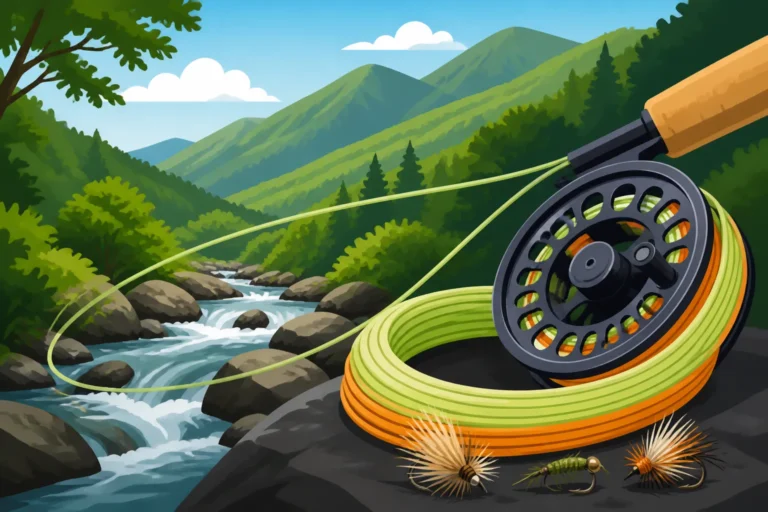
The reel for fly fishing is less about casting distance and more about line storage and a reliable drag system. A disc drag system is preferred for its smooth, consistent pressure when a trout decides to run. Match the reel to the weight of your rod for proper balance. While many fly setups can be pricey, plenty of excellent, affordable options are available that will serve you well without breaking the bank. For a deeper dive into specific setups, check out our guide on Best Fly Rods for West Virginia Trout Streams. The joy of fooling a trout with a perfectly presented fly is an experience every angler should have.
Ultralight Combos: The Joy of the Fight
There’s something incredibly satisfying about catching a spirited trout on ultralight tackle. This setup is specifically designed to maximize the fight of even smaller fish, making every catch feel like a trophy. An ultralight spinning rod will typically be 4'6" to 6' long, with an extremely sensitive, parabolic action that bends deeply throughout the blank. This "whippy" nature protects light lines from snapping under sudden pressure and makes casting tiny lures or baits a breeze. Paired with a small 500-1000 size spinning reel spooled with 2-4 pound test line, you’ve got a combo that brings incredible excitement to every trout encounter.
This setup shines when targeting smaller wild brook trout in mountain headwaters or when chasing stocked fish that have become finicky and require a super-light presentation. It's also an absolute blast for panfish, making it a truly versatile choice for light tackle enthusiasts. However, ultralight gear requires a delicate touch and good fish-fighting technique, as you have less power to muscle a fish out of heavy cover. Learning to use your drag effectively becomes paramount.
Lines, Leaders, and Tippet: The Unseen Connections
Often overlooked, but critically important, are the lines, leaders, and tippet that connect your rod and reel to the fish. These components are your only direct link, and choosing them wisely can significantly impact your success, especially when targeting the often wary trout of West Virginia.
Monofilament, Fluorocarbon, and Braided Line Choices
Each type of fishing line has its strengths and weaknesses, making selection dependent on your fishing style and target species.
-
Monofilament (Mono): This is the classic, all-purpose fishing line. It’s affordable, has good knot strength, and offers a fair amount of stretch, which acts as a shock absorber when a trout strikes or makes a sudden run. The stretch can also be a downside, as it reduces sensitivity, making it harder to feel subtle bites. Mono also floats, which can be an advantage for topwater lures or drifting baits, but a disadvantage when you want your bait or lure to sink quickly. For general stocked trout fishing with bait or small spinners, 4 to 6-pound test monofilament is a solid choice. Brands like Stren and Trilene offer reliable options.
-
Fluorocarbon (Fluoro): This line is nearly invisible underwater due to its refractive index being very close to that of water. This makes it an excellent choice for clear, spooky trout waters. It has very little stretch, offering superior sensitivity to feel light bites, and it sinks, which is great for getting baits and lures down quickly. However, fluorocarbon can be stiffer and sometimes harder to tie knots with than mono, and it's typically more expensive. Many anglers use a short fluorocarbon leader (2-4 feet) tied to a monofilament or braided mainline to get the best of both worlds – the low visibility and sensitivity of fluoro where it matters most, without the cost and handling difficulties of a full spool. For technical nymphing or ultra-clear mountain streams, fluoro is a game-changer.
-
Braided Line (Braid): Braid offers incredible strength-to-diameter ratio, virtually no stretch, and excellent casting distance. The lack of stretch means extreme sensitivity, allowing you to feel every bump and tick. However, braid is highly visible underwater, so it's rarely used directly with trout lures or baits. Instead, it’s most often used as a mainline on spinning reels, with a fluorocarbon leader tied to the end. The braid gives you the casting distance and sensitivity, while the fluoro leader provides the stealth. This combination is particularly effective for throwing small lures long distances or fishing deeper pools where sensitivity is key. Just remember, when tying braid to fluorocarbon, use a strong, reliable knot like an FG knot or an Albright knot.
Leader and Tippet for Stealth and Strength
In fly fishing, the leader and tippet are critical for presentation and stealth. A tapered leader is designed to smoothly transfer energy from your fly line to your fly, allowing for delicate turn-over and presentation. Leaders are typically 7.5 to 9 feet long, tapering from a thicker butt section down to a fine tip. The "tippet" is the very end section of your leader, a thinner piece of material (mono or fluoro) to which you tie your fly. This allows you to protect your expensive tapered leader by replacing just the last few feet as you change flies or break off.
Tippet size is designated by an "X" rating (e.g., 5X, 6X). The higher the number, the thinner the diameter and lighter the breaking strength. For general trout fishing in West Virginia, 4X to 6X tippet is common. You'll go lighter (6X or even 7X) for tiny flies and spooky fish in clear water, and perhaps slightly heavier (3X or 4X) for larger flies, bigger fish, or when fishing waters with a lot of snags. Matching your tippet to the size of your fly and the conditions is crucial for successful fly fishing. Don't forget, when fishing regulated waters, understanding West Virginia Catch and Release Rules for Trout often means using barbless hooks and proper handling, so your tippet choice for strong knots is important.
Specialty Lines for Specific Techniques
Beyond the general categories, some specialty lines can enhance your trout fishing experience, especially for fly anglers. Sinking fly lines, for instance, are designed to get your flies down deep quickly, which is invaluable when nymphing in fast, deep runs or fishing streamers in lakes. These lines can be full sinking, sink-tip (where only the front portion sinks), or even integrated sinking leaders.
For anglers using lighter spinning gear, super-thin, low-visibility fluorocarbon lines that are designed specifically for finesse presentations can make a difference. Some lines are also infused with UV-reflecting properties, claiming to be even more invisible to fish. While not always necessary, these specialized lines can offer an edge when targeting highly pressured or notoriously finicky trout. Checking out the fishing line sections at big box stores or online retailers like Amazon can reveal a surprising array of options.
Terminal Tackle: Hooks, Weights, and Swivels
Once you've got your rod, reel, and line sorted, it's time to consider the small but mighty components that directly interact with your bait or lure and, ultimately, the fish. This "terminal tackle" is where the rubber meets the road, or rather, where the hook meets the fish. Getting these details right can significantly impact your catch rate and the health of the fish you release.
Hook Selection for Baits and Lures
Choosing the right hook is paramount. It needs to be sharp, strong enough to hold a fighting fish, and appropriately sized for your bait or lure and the target trout's mouth.
-
Bait Hooks: When fishing with natural baits like worms, corn, or PowerBait, you'll generally want a small, sharp hook. Sizes ranging from #10 to #14 are common for trout. Baitholder hooks, which have small barbs on the shank to keep soft baits from sliding off, are popular. Treble hooks are also frequently used with molded baits like PowerBait or cheese, though single hooks are often preferred for catch-and-release to minimize damage. For live bait, an Aberdeen hook, with its long shank, can be helpful for easy removal from the fish's mouth if it swallows the bait. Remember, many trout waters have specific regulations, so always check the West Virginia Fishing Regulations Explained to ensure you're using legal hook types and sizes.
-
Lure Hooks: Most artificial lures, like spinners and spoons, come pre-rigged with hooks. However, you might want to replace them. For instance, swapping a treble hook for a single barbless hook is excellent for catch-and-release, reducing harm to the fish. Ensure the replacement hook is of similar weight and size to maintain the lure's action. For jigs, matching the hook size to the jig head and soft plastic body is key. A common mistake is using too small of a hook, which can lead to missed hooksets or lost fish. A good rule of thumb is that the hook point should extend well beyond the body of the plastic.
-
Fly Hooks: In fly fishing, the hook is integral to the fly itself. Fly hooks are designated by size (e.g., #12, #18), with smaller numbers indicating larger hooks. Hook size is determined by the size of the insect or baitfish you're imitating. For example, a #18 dry fly might imitate a tiny midge, while a #8 streamer could mimic a small minnow. Always opt for sharp, strong hooks. Barbless hooks are standard practice in many fly fishing circles and are often required in special regulation areas to promote West Virginia Catch and Release Rules for Trout.
Weighting Strategies: Split Shot and Sinkers
Getting your bait or lure to the right depth and holding it in the current is often achieved with weights.
-
Split Shot: These small, pinch-on weights are incredibly versatile and easy to adjust. They come in various sizes, from tiny "BB" shots for delicate presentations to larger "AAA" sizes for heavier current. They're perfect for drifting natural bait under a bobber or for adding just enough weight to a small lure to get it into the strike zone. Place split shot a foot or two above your hook or lure, adjusting the amount and placement based on current speed and desired depth. Be careful not to crimp them too hard, as this can damage your line.
-
Bullet and Egg Sinkers: These free-sliding weights are primarily used for bottom fishing with bait. Their design allows the line to pass through them, meaning a fish can pick up the bait and run without feeling the full weight of the sinker. This is particularly effective for shy trout. Use them in conjunction with a small swivel and a leader. Bullet sinkers are typically used with a Texas Rig for bass fishing but can be adapted for trout in certain situations, while egg sinkers are classic for stationary bait fishing.
-
Slinky Weights: For extremely rocky bottoms where traditional lead weights constantly snag, slinky weights (made from parachute cord filled with small lead shot) are a lifesaver. Their flexible nature allows them to "slink" over and through snags, greatly reducing lost tackle. These are especially useful in boulder-strewn West Virginia rivers.
Swivels and Snaps: Preventing Line Twist
Swivels and snaps, though small, play important roles in managing your line and changing lures efficiently.
-
Swivels: Their primary function is to prevent line twist, which can be a major headache, especially when using spinning lures like Mepps or Panther Martins that rotate through the water. A good barrel or ball-bearing swivel placed between your main line and leader will absorb most of this twist. They also provide a convenient connection point for leaders. For trout, use small, dark-colored swivels (#10 to #14) to minimize their visibility.
-
Snaps: Snaps allow for quick and easy lure changes without having to re-tie your knot every time. This can save valuable fishing time, especially when you're experimenting with different lure colors or sizes. Snaps can be used in conjunction with swivels (snap-swivels) or directly to the lure. Again, opt for small, dark-colored snaps appropriate for the size of your lures. However, for ultra-finesse fishing or very clear water, many anglers prefer to tie directly to the lure or fly to eliminate any visible hardware that might spook fish.
Baits and Lures: Tempting West Virginia Trout
When it comes to actually enticing those beautiful West Virginia trout to bite, your choice of bait or lure is often the most dynamic part of your tackle box. What works one day might be ignored the next, making versatility and understanding trout feeding habits key to success.
Natural Baits: The Tried and True
There's a reason why natural baits have stood the test of time – they're incredibly effective, especially for freshly stocked trout. These fish, often accustomed to pelleted feed, can be surprisingly eager to gobble up something familiar or easy to swallow.
-
Worms: The classic nightcrawler or garden worm is a trout magnet. Their natural scent and wiggling action are irresistible. Fish them on a small hook, either whole or in pieces, drifted naturally with the current or fished under a bobber in still water. They're particularly effective in stained or slightly murky water where scent plays a larger role.
-
Corn: Believe it or not, canned corn is a killer trout bait, especially for rainbows. The bright yellow color and sweet scent seem to drive them wild. Use a few kernels on a small hook (#12 to #16), often fished off the bottom with a small weight. This is a favorite for stocked ponds and lakes.
-
Molded Baits (e.g., PowerBait, Berkley Gulp! Trout Dough): These manufactured baits are designed specifically for trout, combining scent, color, and often flotation to mimic natural food sources or simply trigger strikes. PowerBait comes in various colors and forms – dough, nuggets, or even floating eggs. The key is to mold it around a small treble or single hook, ensuring the hook point is exposed. Many anglers swear by green, orange, or rainbow-colored PowerBait. These are incredibly popular for How to Catch Trout Right After Stocking in West Virginia.
-
Live Minnows: While not as common for smaller trout, larger brown trout in rivers and lakes can be very receptive to a lively minnow. Rig them carefully through the lip or back to keep them active, and fish them under a bobber or slowly retrieved. Always check regulations, as live bait restrictions can apply in certain waters.
Artificial Lures: Spinners, Spoons, and Jigs
Artificial lures are fantastic for covering water, attracting aggressive strikes, and often proving more durable than natural baits. They mimic baitfish, insects, or other prey, relying on flash, vibration, and erratic movement to draw attention.
-
Spinners: Inline spinners like Mepps, Panther Martin, and Roostertail are iconic trout lures for a reason. Their rotating blade creates flash and vibration that fish simply can't ignore. Sizes #0 to #2 are ideal for most West Virginia trout. Gold, silver, and copper blades are popular, as are dressed trebles in various colors. Cast them upstream and retrieve just fast enough to get the blade spinning, or cast across current and let them swing. They're incredibly effective in both streams and lakes.
-
Spoons: Small casting spoons like the Kastmaster, Little Cleo, or Phoebe are excellent for trout. Their wobbling action imitates an injured baitfish, and their flash can draw strikes from a distance. They cast incredibly well, making them great for covering wide pools or getting distance from the bank in lakes. Sizes from 1/16 oz to 1/8 oz are usually perfect. Vary your retrieve speed and add pauses to impart an erratic action.
-
Jigs: Small marabou jigs, tube jigs, or micro-jigs tipped with a small piece of worm or scented soft plastic can be deadly for trout. Fish them with a slow, twitching retrieve, mimicking a struggling insect or small baitfish. White, black, olive, and brown are all productive colors. The key with jigs is often feeling the subtle "thunk" of a bite on the fall, so good line sensitivity is a plus. They are especially good in deeper pools or when fish are holding tight to structure.
Fly Patterns: Matching the Hatch
Fly fishing is all about deception, presenting an artificial fly that closely resembles a trout's natural food source. This takes a bit more knowledge about insect life cycles and stream conditions, but the rewards are immense.
-
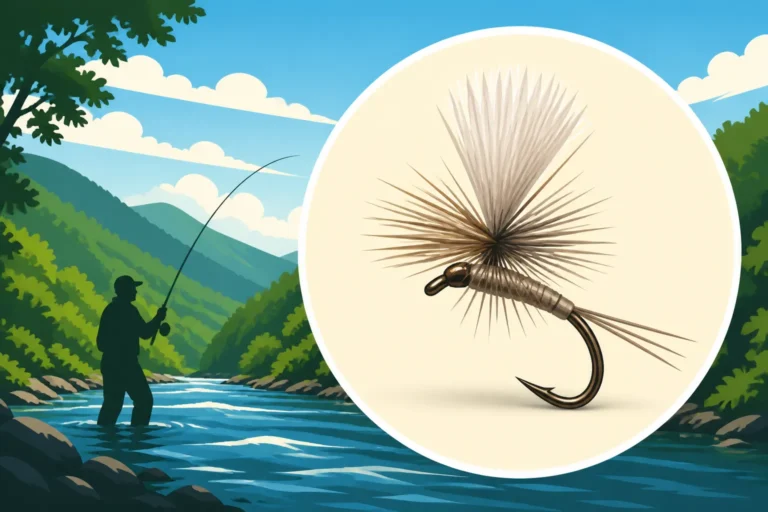
Dry Flies: These buoyant flies imitate adult insects that have fallen on the water's surface. Think Elk Hair Caddis, Adams, Parachute Adams, or various Mayfly and Stonefly patterns. When trout are actively rising and sipping insects from the surface, a well-presented dry fly can be irresistible. This is often what people envision when they think of Fly Fishing for Trout in West Virginia.
-
Nymphs: Nymphs imitate the immature, aquatic stages of insects that live on the stream bottom. Trout spend the vast majority of their feeding time subsurface, making nymphs incredibly effective. Popular patterns include the Pheasant Tail, Hare's Ear, Prince Nymph, and Squirmy Wormy. Often fished under an indicator with split shot to get them to depth, nymphing is a productive technique year-round. For specialized nymphing techniques, check out our guide on Best Nymph Rig for High Mountain Streams.
-
Streamers: These larger, often flashy flies imitate baitfish, leeches, or other larger prey. Streamers like Woolly Buggers (in black, olive, or white), Sculpzillas, or articulated patterns can trigger aggressive strikes from bigger, predatory trout, especially brown trout. Strip them through deeper pools, around submerged structure, or along current seams. For targeting larger browns, a Best Streamer Patterns for West Virginia Brown Trout guide might be helpful.
-
Emergers and Wet Flies: These patterns represent insects transitioning from their aquatic stage to adult, or drowned adult insects. They're often fished just below the surface film and can be incredibly effective during specific hatches when trout are keying in on these vulnerable stages.
Wading Gear: Staying Dry and Safe
West Virginia's best trout fishing often involves getting into the water. Whether it's navigating rocky streambeds, crossing swift currents, or simply getting closer to that perfect casting lane, proper wading gear is non-negotiable for comfort, safety, and success.
Waders: Chest vs. Hip Options
Your choice of waders will largely depend on the depth of the water you expect to encounter and the weather conditions.
-
Chest Waders: These are the most common and versatile choice for West Virginia trout fishing. They provide full coverage from your feet up to your chest, keeping you warm and dry even in deeper water or during colder months. Modern breathable chest waders are made from materials like Gore-Tex or similar fabrics that allow perspiration to escape while preventing water from entering. This makes them comfortable even on warmer days, avoiding that clammy feeling. Look for waders with reinforced knees and seat for durability, especially if you're navigating rough terrain. Neoprene waders are another option, providing excellent insulation for truly cold water but can be bulky and hot in warmer weather. Many anglers find high-quality chest waders to be a significant investment, but one that pays dividends in comfort and longevity. Best Waders for West Virginia Trout Streams provides a more in-depth look.
-
Hip Waders: As the name suggests, hip waders extend only to your hips, much like waterproof pants. They are a good option for small, shallow streams where you don't anticipate wading deep. They are lighter, less restrictive, and easier to put on and take off than chest waders. However, their limited coverage means you're much more susceptible to getting wet if you misjudge the depth or slip. They're best suited for summer fishing in low-water conditions or for accessing smaller creeks where deep wading isn't necessary.
Wading Boots: Grip and Ankle Support
Wading boots are arguably even more important than the waders themselves for safety. Our rocky, slippery stream bottoms can be treacherous, and a good pair of wading boots provides the necessary grip and ankle support to prevent falls and injuries.
-
Felt Soles: Felt soles offer superior grip on slick, algae-covered rocks, which are common in many West Virginia streams. They conform to the shape of the rock, providing excellent traction. However, felt can pick up invasive species (though many states have banned felt for this reason, West Virginia has not), and they wear down faster on dry land. They can also be slippery on mud, snow, or ice.
-
Rubber Soles: Modern rubber-soled wading boots, often featuring proprietary lug patterns and sticky compounds (like Vibram Idrogrip or similar), have come a long way in terms of grip on wet rocks. They are more durable on dry land, don't harbor invasives as readily, and offer better traction in mud and snow. Some anglers find them less grippy than felt on perfectly smooth, slick bedrock, but many prefer them for their overall versatility.
-
Studded Soles: For the ultimate in traction, some rubber or felt soles can be studded with metal cleats or screws. These provide incredible grip on slippery rocks and icy conditions. However, they can be damaging to boat floors or vehicle interiors, and they can be noisy. Many boots come with pre-drilled holes for adding studs yourself. Whichever sole type you choose, ensure the boots provide excellent ankle support, as twisting an ankle on an unseen rock can quickly ruin your day.
Essential Wading Accessories: Staffs and Belts
Beyond waders and boots, a few key accessories enhance safety and convenience while wading.
-
Wading Belt: If your waders don't come with one, invest in a good wading belt. Cinching it tightly around your waist serves two critical safety purposes. First, it helps prevent water from rapidly filling your waders if you fall, which can create a dangerous "sump" effect, potentially dragging you downstream. Second, it provides crucial lumbar support, which can be a relief during long days of wading.
-
Wading Staff: This is perhaps the most underrated piece of wading safety gear. A sturdy, collapsible wading staff provides a crucial third point of contact with the stream bottom, allowing you to probe unknown depths, test currents, and maintain balance, especially in swift or turbid water. It's like having an extra leg. Carrying one will significantly increase your confidence and safety when crossing rivers or navigating tricky sections. Many staffs come with a lanyard that attaches to your belt or waders, keeping it handy when not in use.
-
Studs or Chains: If you're frequently fishing incredibly slick rivers, adding studs or chains to your wading boots can provide an extra layer of grip. These can be screw-in studs for rubber soles or strap-on chains that fit over your boots like mini snow chains. They significantly boost confidence in treacherous conditions.
Essential Accessories and Safety Gear
Beyond the core fishing and wading gear, a collection of essential accessories and safety items can significantly improve your West Virginia trout fishing experience. These items enhance convenience, protect your catch, and ensure your well-being on the water.
Landing Nets: Protecting Your Catch
A good landing net is more than just a tool to land fish; it's a critical component of responsible catch-and-release, especially if you're adhering to West Virginia Catch and Release Rules for Trout.
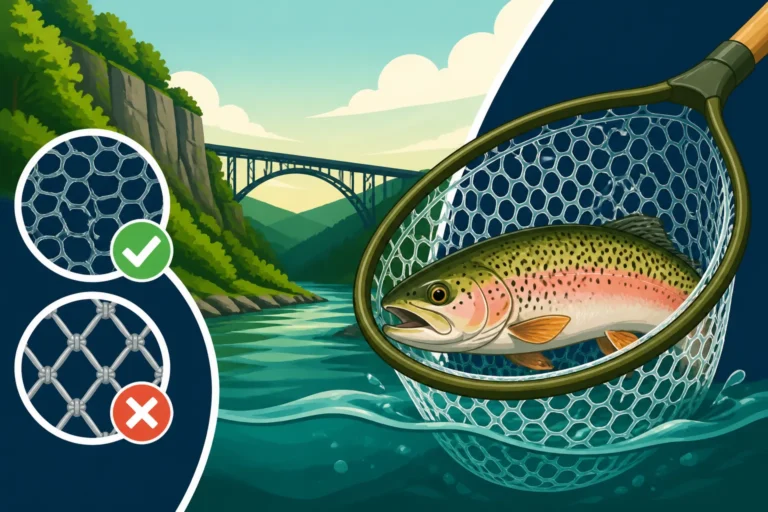
- Rubberized or Knotless Mesh: Opt for a net with rubberized or knotless mesh. Traditional knotted nylon nets can strip away a fish's protective slime coat, damage fins, and even cause eye injuries. Rubberized mesh is gentle on the fish, prevents hooks from tangling (a huge frustration saver!), and is easy to clean.
- Handle Length and Hoop Size: For stream fishing, a shorter handle (10-18 inches) is usually sufficient and less cumbersome. The hoop size should be large enough to comfortably accommodate the average trout you expect to catch. For larger tailwater trout or for anglers fishing from a boat, a longer handle might be beneficial. Many nets come with a magnetic or clip-on lanyard for easy access while wading. Having a reliable net, like those found at Bass Pro Shops or specialized fly shops, is a sign of a prepared angler who cares about the fish.
Tackle Storage and Organization
A well-organized tackle system saves time, reduces frustration, and protects your valuable gear.
- Small Tackle Boxes or Fly Boxes: For spinning gear, small, waterproof tackle boxes with adjustable dividers are perfect for organizing lures, hooks, weights, and swivels. This keeps everything in its place and prevents hooks from rusting or damaging other items. For fly anglers, multiple fly boxes – some for dry flies, others for nymphs, and perhaps a separate one for streamers – are essential. These boxes protect delicate flies and allow for quick selection based on conditions.
- Vest, Pack, or Sling Pack: How you carry your tackle depends on your fishing style. A traditional fishing vest offers numerous pockets for easy access to all your small items. Backpacks are great for carrying larger amounts of gear or for longer hikes into remote areas. For anglers who prefer a minimalist approach, a chest pack or a sling pack can keep essentials handy without impeding casting. These options keep your gear out of the water while wading and easily accessible.
- Forceps, Hemostats, or Pliers: These tools are invaluable for safely unhooking fish, especially if they've swallowed a hook or if you're using barbless hooks for quick release. Long-nosed pliers are great for spinning gear, while specialized fishing forceps are perfect for smaller flies. A good pair of line nippers (for cutting line) and a small pair of scissors are also must-haves for quick rigging.
Safety and Comfort Items for the Stream
Beyond fishing-specific gear, remember to pack items that ensure your safety and comfort in the unpredictable West Virginia outdoors.
- First-Aid Kit: Even a small, basic first-aid kit can be a lifesaver for minor cuts, scrapes, or hook punctures. Include antiseptic wipes, bandages, pain relievers, and any personal medications.
- Water and Snacks: Staying hydrated is crucial, especially on warmer days or during strenuous hikes. Pack enough water or a filtration system. Energy bars or trail mix can keep your energy levels up.
- Sun Protection: Sunscreen, a wide-brimmed hat, and polarized sunglasses are essential. Sunglasses not only protect your eyes from UV rays but also reduce glare, allowing you to see into the water and spot fish or structure – a huge advantage, especially in clear water.
- Rain Gear: West Virginia weather can change in an instant. A lightweight, packable rain jacket is a wise addition, even on clear days. You never want to be caught unprepared.
- Valid Fishing License and Trout Stamp: This might seem obvious, but always double-check that your West Virginia Fishing License Guide for 2026 and trout stamp are current and readily accessible. Digital copies on your phone or printed versions are both acceptable.
Disclaimer
This article is for general informational purposes only and does not constitute professional advice. Laws, prices and regulations vary by location and change over time. Consult a qualified professional for guidance on your specific situation.