Which West Virginia waters have fish consumption advisories
It’s a tale as old as time for many anglers in the Mountain State: you spend a beautiful day out on the water, you bring home a fantastic catch, and then a nagging thought creeps in. "Is this fish really safe to eat? What about those consumption advisories I hear about?" It's a completely valid concern that can take the joy out of planning your next meal. This guide aims to clear up the confusion around fish consumption advisories in West Virginia, helping you understand which waters might have them, what they mean, and how you can still enjoy fresh-caught fish safely.
Understanding West Virginia's Fish Consumption Advisories
Let's be honest, nobody wants to feel like they need a science degree to figure out if their dinner is safe. Fish consumption advisories can sound intimidating, full of technical jargon about chemicals and parts per million. But at their core, they're simply guidelines designed to help you make informed decisions about eating fish caught from specific bodies of water. They're not usually about stopping you from fishing or even eating fish entirely; rather, they're about protecting your health by providing recommendations on how much of certain fish, from certain places, is safe to consume.
What Exactly is an Advisory?
Think of a fish consumption advisory not as a ban, but as a public health recommendation. It's the state's way of saying, "Hey, we've tested the fish in this specific river or that specific lake, and we've found levels of certain substances that could be harmful if you eat too much of them." These advisories often consider different populations, too. For instance, the advice for a healthy adult might be different than for a pregnant woman or a young child, because some contaminants can have more significant impacts on developing bodies. It’s all about risk management so you can continue to enjoy your favorite pastime and its tasty rewards without unnecessary worry.
The Unseen Threats: Why These Warnings Exist
The reasons for these advisories are varied, but they typically boil down to certain contaminants accumulating in fish tissue over time. The most common culprits in West Virginia, and really across much of the country, are mercury and polychlorinated biphenyls (PCBs). These aren't things you can see, smell, or taste, which is precisely why the testing and advisories are so crucial.
Mercury, for example, often comes from atmospheric deposition – that's a fancy way of saying it travels through the air, often from coal-fired power plants or other industrial sources, and then lands in our waterways. Once in the water, microorganisms convert it into methylmercury, which then accumulates in fish. The bigger and older the fish, especially predatory species like muskie or larger bass, the more mercury they tend to have, as it builds up in their system from eating smaller contaminated fish. This is called bioaccumulation.
PCBs, on the other hand, are man-made chemicals that were once used in industrial applications like electrical equipment. Even though their production was banned decades ago, they are incredibly persistent in the environment and can still be found in sediments in certain older industrial areas along our rivers. Fish living in these areas absorb PCBs from the water and sediment, and just like mercury, these contaminants accumulate up the food chain. Understanding West Virginia Fishing Regulations Explained can give you a broader picture of how the state manages its aquatic resources for public safety and enjoyment.
Navigating Specific Waterways: Where Advisories Apply
One of the biggest frustrations for anglers is trying to keep track of which specific waters have advisories. It's not a blanket rule across the whole state, and it can even vary within different sections of the same river! This means a little homework is often necessary before you head out, especially if you plan to keep your catch.
The Ohio River Basin: A Complex Picture
The Ohio River, being a major industrial waterway for centuries, has historically been a significant focus for fish consumption advisories. These advisories often cover a wide range of species due to the river's extensive past industrial use and its sheer size. It’s not uncommon to find recommendations that limit consumption for several types of bottom-dwelling fish or longer-lived predatory species from the main stem and its immediate tributaries. You'll often find specific guidance for species like channel catfish, flathead catfish, carp, and even larger walleye or sauger. For those fishing this massive border water, understanding Ohio River Fishing Rules for West Virginia Anglers is paramount, as regulations can be complex, and advisories are a key part of that complexity.
Key West Virginia Rivers and Their Unique Concerns
Beyond the Ohio, other major river systems in West Virginia also have targeted advisories.
- Kanawha River: This river, especially segments that historically hosted industrial activity, has seen advisories for PCBs in certain fish species. Anglers might find limits on species like carp and channel catfish, which are known to absorb these persistent chemicals from the river's sediments. Always check the specific sections of the river, as advisories can be localized.
- Monongahela River: Similar to the Kanawha, parts of the Monongahela River have had advisories, particularly concerning PCBs and mercury. Again, species like carp and catfishes, along with larger predators, are often the focus of these warnings.
- Shenandoah River: While perhaps not as heavily industrialized as its western counterparts, the Shenandoah River and its tributaries have faced concerns over agricultural runoff and other contaminants, sometimes leading to localized advisories, especially for sensitive species.
It's crucial to remember that these advisories are dynamic. Continuous monitoring and testing mean they can be updated, revised, or even removed if contaminant levels decrease. Always make sure you're looking at the most current information available from the state's environmental and wildlife agencies.
Reservoirs and Smaller Lakes: Localized Considerations
While major rivers often draw the most attention, many of West Virginia's beautiful reservoirs and smaller lakes can also have fish consumption advisories. These are usually due to mercury. Since mercury travels through the air, it can deposit into even the most pristine-looking mountain lakes, and then bioaccumulate in fish. For example:
- Summersville Lake: A popular spot for smallmouth and walleye, even pristine-looking lakes like Summersville can have mercury advisories, particularly for larger, older predatory fish.
- Bluestone Lake: Another large reservoir, Bluestone, might have similar recommendations, especially for species at the top of the food chain.
- Tygart Lake: Anglers chasing walleye or crappie here should consult the latest advisories.
- Stonewall Jackson Lake: Known for its bass fishing, larger bass here might also fall under mercury consumption limits.
It’s less common for smaller, regularly stocked trout streams to have broad advisories for long-term contaminants like mercury or PCBs, simply because trout in these waters are often put-and-take, meaning they don't live long enough to accumulate significant levels. However, every water body is unique, and it’s always wise to confirm before assuming. When you're planning a trip to one of the Best Fishing Lakes in West Virginia, it's a good habit to check for advisories specific to that location.
| Water Body (Examples) | Common Contaminant(s) | Typical Species Affected (Examples) | Advisory Level (General) |
|---|---|---|---|
| Ohio River (Various sections) | PCBs, Mercury | Carp, Catfish, Larger Walleye/Sauger | Limited Consumption |
| Kanawha River (Various sections) | PCBs | Carp, Channel Catfish | Limited Consumption |
| Monongahela River (Upper/Lower) | PCBs, Mercury | Carp, Catfish, Bass | Limited Consumption |
| Summersville Lake | Mercury | Larger Bass, Walleye | Limited Consumption |
| Tygart Lake | Mercury | Larger Walleye, Bass | Limited Consumption |
| Bluestone Lake | Mercury | Larger Bass, Catfish | Limited Consumption |
| Small Stocked Trout Streams | Generally none* | N/A | Generally none* |
| *Note: This table provides general examples. ALWAYS refer to the latest official West Virginia Department of Environmental Protection (WVDEP) and Division of Natural Resources (WVDNR) advisories for current and specific details, as conditions can change. |
Making Smart Choices: Interpreting Advisory Levels
Once you know which waters have advisories, the next step is understanding what the recommendations actually mean for you. It's not always a black-and-white "don't eat" situation, and knowing the nuances can empower you to make healthy choices. The advice often breaks down into categories like "Do Not Eat" for certain fish, or "Limit Consumption" to a certain number of meals per month.
"Do Not Eat" vs. "Limited Consumption": What It Means for Your Plate
When an advisory says "Do Not Eat" for a specific fish from a particular body of water, it's pretty straightforward: do not consume that fish. This level of advisory is typically reserved for situations where contaminant levels are so high that even infrequent consumption poses a significant health risk. In these cases, it's best to practice catch-and-release. You can still enjoy the thrill of the catch, get a great photo, and then let that fish go to live another day. For example, if you're fishing a specific section of the Ohio River and the advisory states "Do Not Eat" for carp, you simply release any carp you catch. Fishing ethically and sustainably is a big part of being a responsible angler, and sometimes that means leaving fish in the water.
More commonly, you'll encounter "Limited Consumption" advisories. This means you can still enjoy your catch, but with certain precautions regarding frequency and portion size. For instance, an advisory might recommend eating no more than one meal per month of a certain species, or limiting consumption for vulnerable groups like pregnant women or young children to less frequent meals. These guidelines are usually based on a calculation of average body weight and typical contaminant intake.
Species-Specific Advice: Not All Fish Are Created Equal
It’s crucial to understand that not all fish in the same water body will have the same advisory. Contaminants bioaccumulate differently depending on the fish species, its diet, its age, and its position in the food chain.
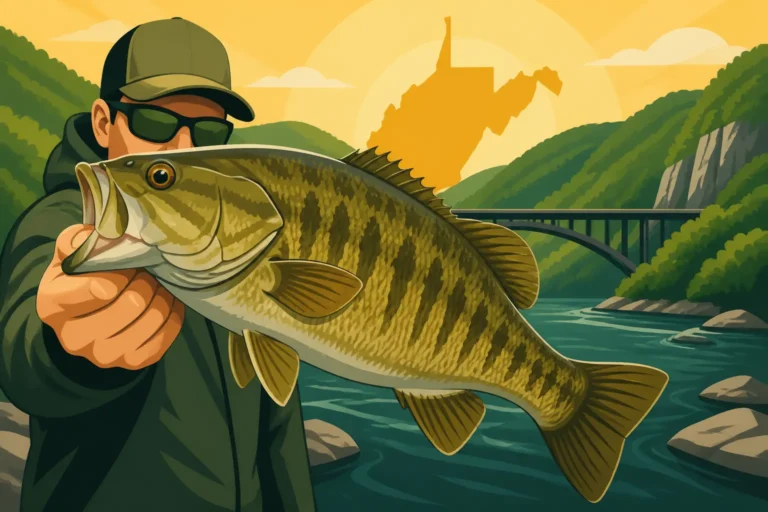
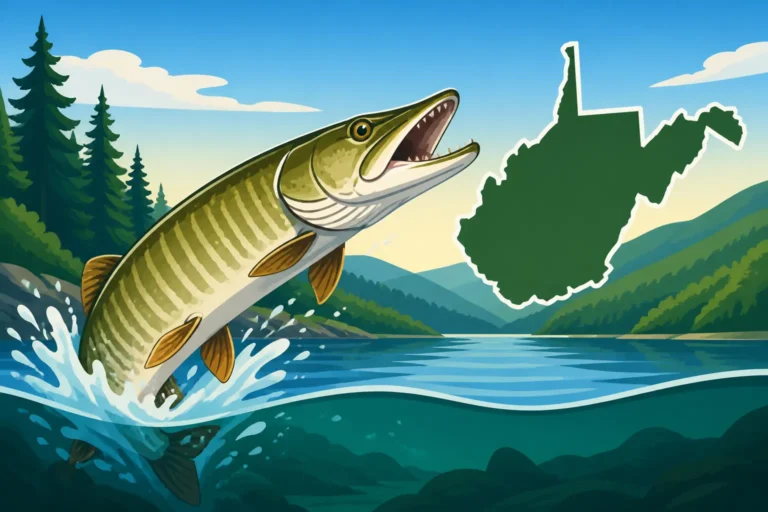
- Predatory Fish: Species like Muskie, Walleye, Largemouth Bass, and Smallmouth Bass are often higher on the food chain. They eat other fish, and if those prey fish are contaminated, the larger predators will accumulate more mercury and PCBs. This is why you'll frequently see stricter advisories for these species, especially the older, larger individuals. If you're targeting big muskie, for example, which can live for many years and grow to immense sizes, keep in mind they are more likely to have accumulated higher levels of contaminants. You can find out more about Muskie Fishing in West Virginia and Walleye Fishing in West Virginia to better understand these species.
- Bottom Feeders: Fish like Carp and Catfish spend a lot of time near the river bottom and consume organisms or detritus that can contain PCBs or other sediment-bound contaminants. They are often subject to advisories, particularly in rivers with industrial legacies. Catfish Fishing in West Virginia is popular, but be mindful of the source.
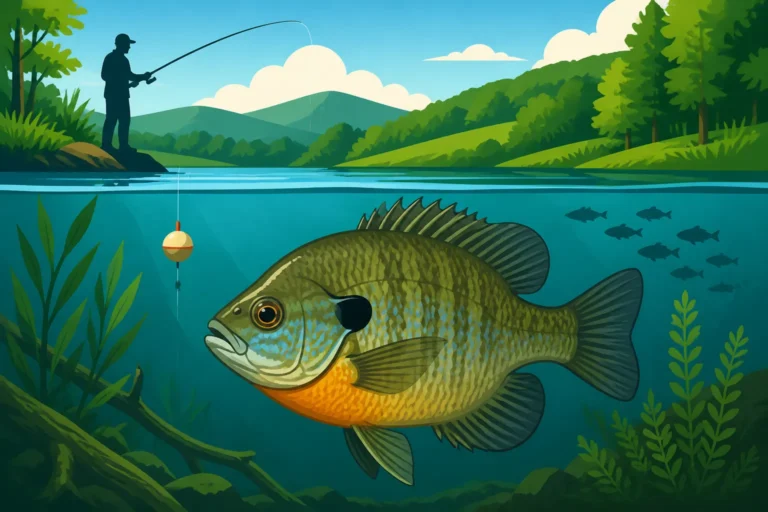
- Panfish and Shorter-Lived Species: Generally, smaller, shorter-lived fish like crappie, bluegill, and smaller trout tend to have lower levels of contaminants because they haven't had as much time to accumulate them. They are often the safest choice for consumption when advisories are present for other species. Even with Largemouth Bass Fishing in West Virginia or Smallmouth Bass Fishing in West Virginia, younger, smaller bass are often considered safer to eat than their trophy-sized counterparts.
Special Populations: Protecting the Most Vulnerable
One key aspect of fish consumption advisories that often gets overlooked is the differential guidance for vulnerable populations. This typically includes:
- Pregnant Women and Women Who May Become Pregnant: Contaminants like mercury can cross the placenta and affect fetal development.
- Nursing Mothers: Some contaminants can pass into breast milk.
- Young Children: Their developing nervous systems are more sensitive to toxins, and their smaller body size means a lower dose of contaminants can have a greater impact.
For these groups, advisories are often more conservative, recommending even fewer meals or completely avoiding certain species that might be acceptable in moderation for a healthy adult. Always pay close attention to these specific recommendations if they apply to you or your family members. For example, an advisory might state "no more than one meal per month for the general public, but no consumption for pregnant women or young children." This distinction is incredibly important for safeguarding health.
Beyond the Warnings: Practical Steps for Healthier Eating
So, you've done your homework, you know the advisories, but you still want to enjoy your catch. The good news is there are practical steps you can take to minimize your exposure to contaminants and make your fish meals as healthy as possible.
Cleaning and Cooking Methods to Reduce Risk
Believe it or not, how you clean and cook your fish can actually help reduce your intake of certain contaminants, particularly PCBs and other fat-soluble chemicals. Mercury, on the other hand, is stored in muscle tissue, so cooking methods won't significantly reduce it.
Here are some tips:
- Trim Away Fat: PCBs and similar chemicals tend to accumulate in the fatty tissues of fish. When cleaning your catch, carefully remove the skin, the belly fat, the dark meat along the lateral line, and the fat from the top and bottom of the fish. Think of it as meticulous filleting. Having a good, sharp fillet knife (you can find plenty of options on sites like Amazon) makes this process much easier and more effective.
- Cooking Methods: Grilling, baking, or broiling on a rack allows fat to drip away. Frying, however, can actually seal contaminants into the fish if the fat isn't rendered off. Steaming is another excellent option for cooking fish, as it's gentle and doesn't add more fat.
- Don't Use Fish Juices: Avoid using the pan drippings or juices from cooking fish with advisories, as these can contain concentrated contaminants.
Remember, these methods are most effective for fat-soluble contaminants like PCBs. For mercury, which is in the muscle, choosing smaller, younger fish and adhering to consumption limits is the primary strategy.
Staying Current: Your Go-To Sources for Information
The most important takeaway from this guide is the need to stay informed. Fish consumption advisories are not static; they are updated periodically as new data becomes available or environmental conditions change. Relying on outdated information could put your health at risk.
Your absolute best sources for current, official West Virginia fish consumption advisories are:
- West Virginia Department of Environmental Protection (WVDEP): They are usually the lead agency responsible for monitoring water quality and issuing these advisories. Their website will have the most up-to-date lists and maps.
- West Virginia Division of Natural Resources (WVDNR): The WVDNR works closely with the DEP and also provides information through their fishing regulations summaries, which are often available as PDFs or online. Checking the West Virginia Fishing Regulations Summary is a good first step before any trip.
- Local Health Departments: Sometimes local health departments will also have information pertinent to their specific county or region.
Before you plan a fishing trip where you intend to keep fish, make it a habit to quickly check the WVDEP or WVDNR websites for the specific water bodies you plan to fish. A few minutes of research can provide immense peace of mind. Many anglers even carry a printed copy or digital version on their phones to reference.
Choosing Your Catch: Minimizing Exposure
Beyond cleaning and cooking, you can proactively minimize your exposure to contaminants by making smart choices about where and what you fish for.
- Prioritize Smaller, Younger Fish: As discussed, smaller fish of any species tend to have accumulated fewer contaminants. If an advisory suggests limited consumption for larger bass, consider keeping smaller ones within legal limits. West Virginia Bag and Possession Limits by Species will always outline legal sizes and quantities.
- Diversify Your Diet: Don't eat the same type of fish from the same body of water every week. Varying your catch from different locations and different species helps to spread out any potential exposure.
- Opt for Panfish: Crappie, bluegill, and other panfish are generally considered a safer bet due to their shorter lifespans and lower positions in the food chain. They are a fantastic and delicious option if you're concerned about contaminants in larger predatory fish.
- Consider Stocked Trout Waters: For many anglers, regularly stocked trout streams and ponds offer a great opportunity for fresh fish with generally very low contaminant concerns. These fish are usually raised in controlled environments and released for recreational fishing, meaning they haven't had much time to accumulate environmental toxins.
- Utilize Catch and Release: If you're unsure about the advisories for a particular water body or species, or if you simply prefer not to deal with the uncertainty, catch and release is always a great option. You get all the fun of fishing without any of the worry about what's on your dinner plate. This practice is particularly common for trophy species like muskie, where many anglers prioritize the health of the fishery and the thrill of the fight over table fare.
Navigating fish consumption advisories can feel like a chore, but with a little knowledge and preparation, you can confidently enjoy the incredible fishing West Virginia has to offer, both on the water and at the dinner table. Stay safe out there, and happy fishing!
Disclaimer
This article is for general informational purposes only and does not constitute professional advice. Laws, prices and regulations vary by location and change over time. Consult a qualified professional for guidance on your specific situation.