Mercury advisory fish species in West Virginia waters
It's a genuine worry for many of us who love casting a line into West Virginia's beautiful waters: are the fish we're catching actually safe to eat? The thought of mercury contamination can certainly put a damper on the joy of a fresh catch. This guide is here to help you navigate the often-confusing world of fish consumption advisories in the Mountain State, explaining what mercury is, which fish and waterways might be of concern, and how you can continue to enjoy fishing and eating your harvest safely and confidently.
The Invisible Threat: What is Mercury in Fish?
The idea of "mercury" can sound alarming, conjuring images of old thermometers or industrial spills. While those are certainly forms of mercury, the type we're most concerned about in fish is a bit more insidious, and understanding it is the first step to fishing smarter. It's not about being scared, but about being informed.
Methylmercury: The Form We Worry About
When we talk about mercury in fish, we're almost always referring to methylmercury. This isn't the shiny liquid mercury you might have seen in a science class. Elemental mercury, often released into the environment from natural sources like volcanoes or human activities such as coal-fired power plants, isn't immediately dangerous in this form. However, once this elemental mercury settles into aquatic environments like our lakes, rivers, and wetlands, it undergoes a transformation. Microorganisms in the water and sediment can convert it into methylmercury. This organic form is highly toxic and, crucially, readily absorbed by living organisms. It's this conversion process that makes mercury a concern for fish and, by extension, for us.
Bioaccumulation and Biomagnification in Fish
The real issue with methylmercury in aquatic ecosystems is its ability to build up over time within organisms – a process called bioaccumulation. Imagine a tiny insect larva in the water absorbing a small amount of methylmercury. A small minnow then eats many of these larvae, accumulating even more mercury in its tissues. This process continues up the food chain, where larger predatory fish consume many smaller fish, leading to significantly higher concentrations of mercury. This escalating effect is known as biomagnification.
This is why predatory fish, especially those that are older and larger, tend to have the highest levels of methylmercury. A massive muskie, for instance, has spent years eating countless smaller fish, each contributing its own mercury load to the muskie's system. It’s a natural process within the food web, but one that has serious implications for human consumption. This is also why an angler’s choice of which fish to keep or release can directly impact their personal mercury intake.
Health Risks of Mercury Consumption
For most healthy adults, consuming fish with typical mercury levels isn't an immediate threat, especially when consumed in moderation. However, certain groups are far more vulnerable to methylmercury's toxic effects. The primary concern lies with the developing nervous system. Fetuses, infants, and young children are particularly susceptible because their brains and nervous systems are still forming. High levels of mercury can impair neurological development, leading to issues with memory, coordination, and learning.
Because of this, pregnant women, women who might become pregnant, nursing mothers, and young children are advised to be particularly cautious about the types and amounts of fish they consume. For the general population, chronic exposure to high levels of mercury can also lead to neurological problems, kidney damage, and cardiovascular issues over time. It's not about avoiding fish entirely – fish offers incredible nutritional benefits – but about making informed choices to minimize risk.
Deciphering West Virginia's Fish Consumption Advisories
Navigating the various rules and recommendations around fish consumption can feel like trying to read a treasure map written in a foreign language. But understanding these advisories is vital for your health and the health of your family. It's the state's way of helping you make smart decisions about what you eat from our waterways.
Who Issues Advisories and Why
In West Virginia, the task of monitoring fish tissue and issuing consumption advisories falls primarily to the West Virginia Department of Environmental Protection (DEP) and the Division of Natural Resources (DNR). These agencies regularly collect fish samples from lakes and rivers across the state. They then analyze these samples to determine the levels of various contaminants, including mercury. When levels exceed certain health-based thresholds, an advisory is issued. The goal isn't to discourage fishing or eating fish altogether, but rather to provide guidance that protects public health while still allowing anglers to enjoy the abundant natural resources West Virginia has to offer. They're trying to strike a balance, which isn't always easy, but it's essential work.
Understanding "Meal Limits" and Recommendations
When you see a fish consumption advisory, it will typically recommend "meal limits." What exactly does "a meal" mean in this context? Generally, a meal is considered to be about 6 to 8 ounces of uncooked fish. The advisories then specify how many of these meals per week or month are safe to consume for different populations. For instance, an advisory might state "no more than one meal per week for the general population" for a particular species from a specific waterbody, and then further restrict it to "no consumption for pregnant women, nursing mothers, and young children."
It's crucial to understand that cooking methods, such as baking, frying, or grilling, do not reduce mercury levels in fish. Mercury is bound to the fish's muscle tissue, not its fat, so trimming fat or cooking it off won't help. The only way to reduce your mercury intake is to follow the meal limits or choose fish species and locations that have lower or no advisories. These advisories are a guide, and they empower you to make safer choices for your dinner table.
Finding the Latest Advisories
Given that conditions and research can change, staying up-to-date with the latest advisories is absolutely key. The West Virginia DNR is the authoritative source for this information. They typically publish current fish consumption advisories on their official website. Additionally, a summary of these advisories is usually included in the annual West Virginia Fishing Regulations Explained booklet, which every angler should have on hand anyway. It's a habit worth forming: before heading out to a new spot or targeting a species you plan to eat, quickly check the latest guidance. A quick search on the WV DNR site can save you a lot of worry later.
Common Fish Species and West Virginia Waters with Advisories
It's not all fish, everywhere, all the time. Certain species and specific waterways in West Virginia are more prone to having mercury advisories than others. Knowing which ones to watch out for can help you plan your fishing trips and your dinner menu more thoughtfully. This isn't about avoiding these fish entirely, but about being mindful of your consumption.
Top Predators: Often Higher in Mercury
As we discussed earlier, the process of biomagnification means that fish at the top of the food chain, especially those that live a long time and grow to large sizes, tend to accumulate more mercury. In West Virginia, this often includes some of our most prized game fish.
- Muskie: These incredible "fish of 10,000 casts" are apex predators, feeding on nearly anything they can fit in their mouths. Their long lifespan means they have more time to accumulate mercury, making them frequent candidates for consumption advisories, particularly the larger trophy specimens. Anglers often practice catch and release for these magnificent fish, which is a great approach for safety and conservation. If you're passionate about targeting these giants, make sure you're aware of the Muskie Fishing in West Virginia regulations and any specific advisories for the waters you're fishing.
- Walleye: Another highly sought-after species, especially for their delicious fillets. Walleye are predators and can also accumulate mercury. Larger walleye, particularly those from certain impoundments or river systems, may have consumption advisories. While fantastic table fare, it's wise to check advisories if you plan to keep several. Walleye Fishing in West Virginia offers great tips, but always pair that knowledge with health advisories.
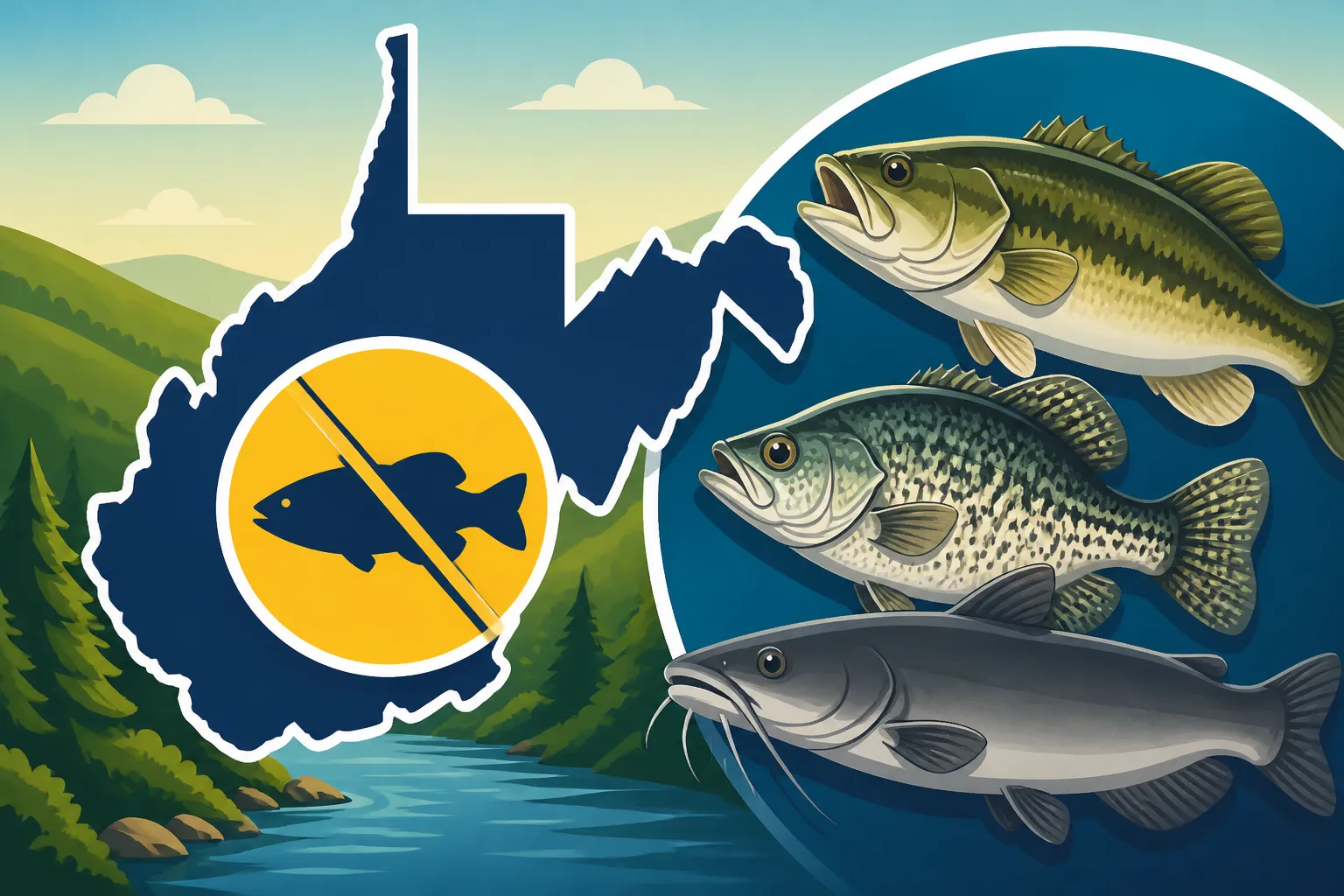
- Largemouth and Smallmouth Bass: Our beloved bass species can also be subject to advisories, especially the bigger, older individuals. They consume a wide variety of prey, including smaller fish and crayfish, which contributes to mercury accumulation.
- Catfish (Flathead, Channel): While known for being bottom-feeders, larger flathead and channel catfish, particularly from larger river systems, can also accumulate significant mercury levels. Their size and longevity play a big role here. So, while Catfish Fishing in West Virginia can be incredibly rewarding, remember that a monster flathead might be better admired and released rather than brought home for dinner, depending on local advisories.
- Hybrid Striped Bass: These powerful, fast-growing fish are stocked in some of West Virginia's larger reservoirs. As aggressive predators, they too can accumulate mercury, and advisories may be in place for specific bodies of water.
Specific Waterways and Their Concerns
While mercury is a global issue, certain waterways can have higher concentrations due to a variety of factors, including historical industrial activity, geology, and surrounding land use.
- Ohio River: This massive waterway, bordering West Virginia, has a long history of industrial activity along its banks. Consequently, several species caught from the Ohio River often carry consumption advisories. Anglers should be particularly diligent about checking the latest guidance for species like walleye, sauger, various bass, and catfish when fishing these waters. Understanding the Ohio River Fishing Guide for West Virginia Anglers is important, but so is understanding its unique environmental considerations.
- Kanawha River: Another significant river in West Virginia with historical industrial influence. Specific stretches or species within the Kanawha River system may also have advisories.
- Reservoirs and Larger Impoundments: Lakes like Summersville Lake Fishing Guide, Stonewall Jackson Lake, and Tygart Lake, while incredible fishing destinations, can also have specific advisories for certain species or sizes of fish. These are often large bodies of water where predatory fish can thrive and grow, accumulating mercury over their lifespan. It's not uncommon for advisories to be specific to a particular lake rather than a broader river system.
- It's important to remember that advisories are not universal for every fish in every waterbody. A trout stream in a pristine mountain setting is unlikely to have the same mercury concerns as a large river with historical industrial impacts. Always check the specific advice for the waters you plan to fish.
Fish Generally Lower in Mercury
While some fish species require caution, there are many others that are generally considered lower in mercury and can be consumed more frequently, even by sensitive populations.
- Stocked Trout (Rainbow, Brook, Brown): This is fantastic news for many West Virginia anglers! Most of the trout stocked in our streams and lakes, including rainbow, brook, and brown trout, are raised in hatcheries. They are fed a controlled diet and typically have a shorter lifespan in the wild, which means they have less time to accumulate mercury. Consequently, they are generally a very safe choice for consumption. Trout Fishing in West Virginia is immensely popular, and knowing these fish are usually low-mercury is a big relief.
- Panfish (Bluegill, Crappie, Yellow Perch): These smaller, shorter-lived fish are also typically much lower in mercury. They occupy a lower trophic level in the food chain and don't live as long as larger predators. Bluegill, crappie, and yellow perch are excellent choices for families, allowing for more frequent and worry-free consumption. They are often abundant in many of West Virginia's Best Fishing Lakes in West Virginia and state parks, making them accessible targets for all ages.
- Choosing these species more often, especially if you're in a sensitive group or frequently eat fish, is a simple and effective strategy to reduce your overall mercury intake.
Angler's Guide: Fishing Smart and Staying Safe
Understanding mercury advisories isn't about giving up on eating fish from West Virginia's waters. It's about empowering you to make smart, informed choices that prioritize your health and the health of your loved ones. Here are some practical tips to help you enjoy your fishing adventures and your catch with peace of mind.
Diversify Your Catch and Consumption
One of the simplest and most effective strategies to manage mercury intake is to diversify your fishing habits. Think of it like a balanced diet – you wouldn't eat the same meal every single day, right? The same principle applies here. Instead of consistently targeting and consuming the same type of fish from the same location every week, try to mix things up.
Venture out to different bodies of water, which might have varying mercury levels. Explore different species; if you often fish for bass, try a day targeting panfish or go to a stocked trout stream. Remember, catch-and-release is always a fantastic option, especially for those larger, older predatory fish that are more likely to have higher mercury levels. Keeping a simple fishing journal, perhaps even one you pick up on Amazon, can help you track what you've caught, where, and what you've kept for the table, helping you naturally diversify over time.
Practice Selective Harvesting
This is a key concept that goes hand-in-hand with diversification. For species known to accumulate mercury, like muskie, walleye, or larger bass, adopting a "eat smaller, release larger" philosophy is incredibly beneficial. Smaller, younger fish of these species generally have lower mercury concentrations because they haven't had as much time to accumulate it.
So, while that trophy bass might be tempting, consider taking a photo and releasing it, and instead keep a smaller, legal-sized fish of the same species if you're intent on having it for dinner. A simple measuring tape or a small, portable digital scale can be a great tool for making these decisions right on the water. Many anglers find high-quality, accurate scales for this purpose on platforms like Amazon, making it easy to comply with both regulations and health advisories. Always be mindful of West Virginia Bag and Possession Limits by Species as well; these limits are in place for conservation, but also align nicely with selective harvesting for health.
Stay Informed and Advocate
Your best defense against any potential health risks is staying informed. Make it a routine to check the West Virginia DNR website for the most current fish consumption advisories. These advisories can change as new data becomes available, so what was true last year might have been updated. The annual Reading the West Virginia Fishing Regulations Summary is also a critical document to review, as it typically includes the latest information.
Beyond just staying informed, consider becoming an advocate for clean water. Supporting organizations and policies that aim to reduce pollution and improve water quality in West Virginia's rivers and lakes benefits everyone, from the fish to the anglers. Talk to fellow anglers, share information, and learn from local bait shop owners who often have their finger on the pulse of local conditions. Educating yourself further by looking for books on sustainable fishing practices or environmental stewardship on sites like Amazon can also empower you to make more responsible choices. Your proactive approach helps ensure that West Virginia's fishing heritage remains vibrant and healthy for generations to come.
Disclaimer
This article is for general informational purposes only and does not constitute professional advice. Laws, prices and regulations vary by location and change over time. Consult a qualified professional for guidance on your specific situation.