Is Muskie Good to Eat?
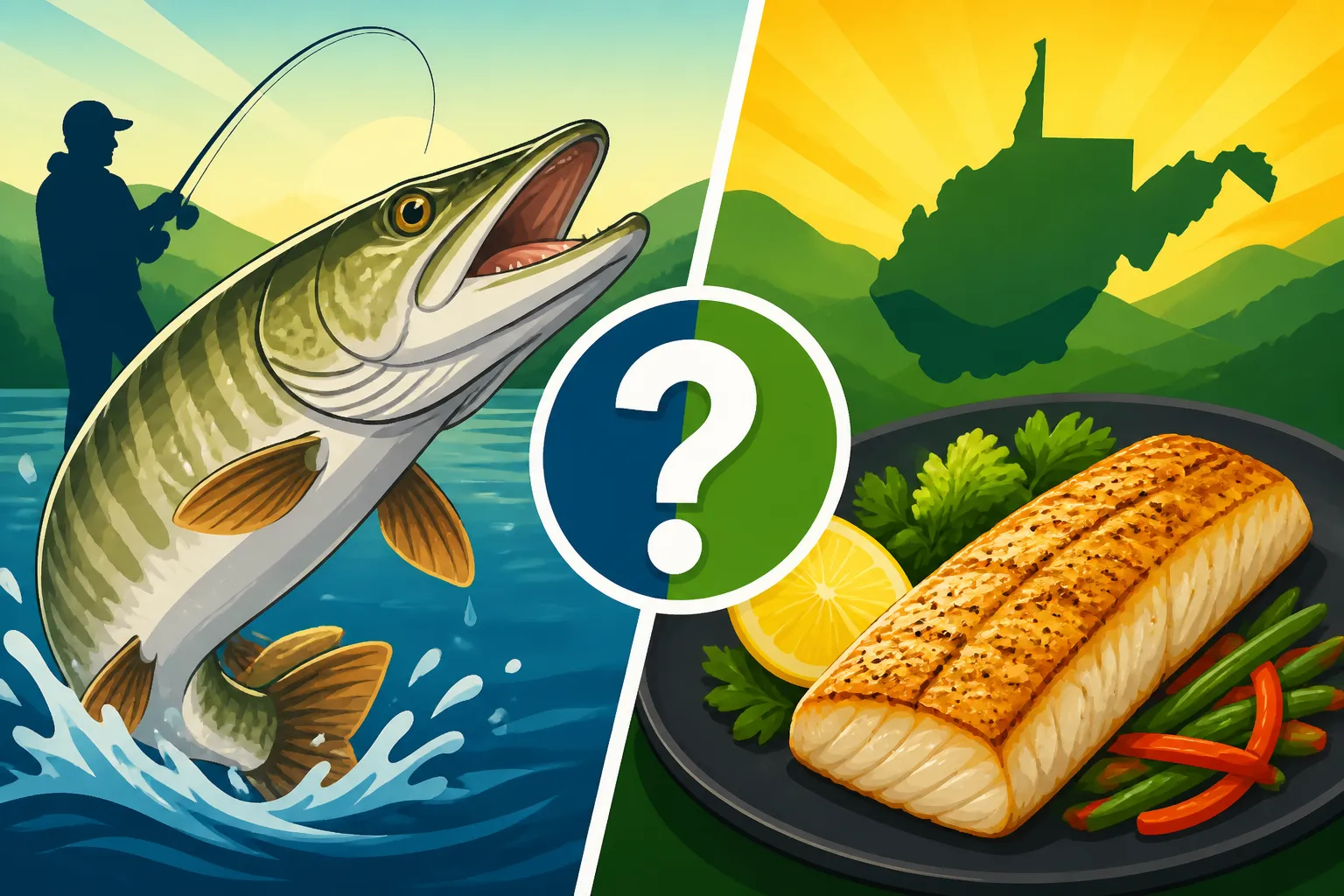
You've just wrestled with a powerful muskie, felt that incredible tug, and finally brought that toothy grin to the boat or shore. After the thrill of the catch, a common question often pops into an angler's mind, especially for those new to targeting these incredible predators: "Is muskie good to eat?" This guide is here to delve deep into that very question, exploring the nuances of muskie as table fare, from its reputation to practical considerations and important conservation ethics, so you can make an informed decision next time you land one of West Virginia's freshwater giants.
The Muskie's Reputation: Why the "To Eat or Not to Eat" Question Lingers
For many anglers, especially those outside of traditional muskie strongholds, the idea of eating a muskie can be met with a mixture of intrigue and skepticism. It’s not your typical panfish or trout, readily filleted and fried. Muskie carries a certain mystique, often revered more for its fight than its flavor. This reputation shapes how many perceive its culinary potential, leading to a lot of whispered opinions and conflicting advice out on the water.
Muskie as a Sport Fish vs. Table Fare
In the world of angling, muskie are often called "the fish of 10,000 casts" for good reason. They are elusive, powerful, and notoriously challenging to catch. Because of this, many anglers treat muskie as a pure sport fish, focusing on the thrill of the chase and the epic battle, rather than what it might taste like. The sheer size and predatory nature of a muskie also contribute to this perception; they're seen as apex predators of their aquatic environment, commanding respect. This reverence often means that the goal is always a healthy release, ensuring these magnificent creatures continue to patrol our rivers and lakes. When you look at the dedication involved in Muskie Fishing in West Virginia, you quickly understand why so many prioritize the sport.
The emphasis on catch and release also stems from their slower growth rates and relatively low population densities compared to other species. It takes a muskie a long time to reach trophy size, and every big fish is a vital part of the reproductive cycle, contributing to the future of the fishery. Catching and releasing them responsibly ensures that the next generation of anglers can experience the same thrill. This mindset is deeply ingrained in the muskie community, and for good reason—it’s how we protect these incredible fish.
General Consensus and Cultural Views on Eating Muskie
Culturally, opinions on eating muskie are quite divided. In some regions, especially in parts of the Midwest and Canada where muskie are more prevalent and historically harvested, they are considered acceptable table fare, sometimes even a delicacy. However, in many other areas, including much of West Virginia, the prevailing view leans heavily towards catch and release. You'll hear anglers say they're "too bony," "tough," or "just not worth it" when compared to other species like walleye or crappie.
The "bony" argument often comes from their unique bone structure. Muskellunge have a Y-bone system, similar to northern pike, which can make filleting them a bit more challenging than fish with simple rib bones. It requires a specific filleting technique to get clean, boneless fillets, and if you're not experienced, you can end up with a lot of waste or frustratingly bony pieces. This extra effort, combined with the perception of their value as a trophy species, often tips the scales away from taking one home for dinner. The fact is, if you're looking for a quick and easy meal, a muskie might not be your first choice, but that doesn't mean it's impossible or inherently bad. It just means it's different.
Factors Influencing Muskie Flavor and Texture
Just like with any other fish, the flavor and texture of a muskie aren't universally fixed. Several factors play a significant role in how palatable a muskie might be. It’s not simply a matter of "good" or "bad" but rather a spectrum influenced by environmental and biological elements, much like how a wild brook trout tastes different from a hatchery rainbow. Understanding these factors can help you gauge what to expect, should you decide to keep one.
Size and Age of the Muskie
When it comes to edibility, smaller muskie generally tend to be preferred over larger, older specimens. A younger muskie, say in the 28-36 inch range (often the minimum legal size in many areas, if harvest is permitted), will typically have whiter, flakier meat and a milder flavor. These fish are still actively growing and haven't accumulated as many potential contaminants or developed the stronger, more "fishy" taste that can sometimes be associated with older, larger predators.
On the other hand, a truly large muskie, those magnificent beasts that are often 40 inches or more and have been around for many years, tend to have coarser, tougher meat. Their flesh can also absorb more of the flavors from their environment and diet, leading to a stronger, sometimes less desirable taste. Plus, given their long Muskie Life Cycle and Growth Rate in West Virginia Waters, those big fish are incredibly valuable to the fishery's genetics. Harvesting a true trophy not only removes an important breeder but also takes away a chance for another angler to experience that once-in-a-lifetime catch. It's something many anglers ponder when they tie into a giant.
Water Quality and Diet
The environment a muskie lives in and what it eats have a profound impact on its taste. Fish from cold, clean, clear waters with a diet rich in healthy baitfish (like suckers, shiners, or perch) tend to have much better-tasting flesh than those from warmer, murkier, or less pristine environments. A muskie living in a clean, swift-flowing river like parts of the New River or the Little Kanawha, known for its Muskie Regulations in West Virginia Waters, might offer a different culinary experience than one from a slower, warmer lake.
If the water quality is poor, or if the muskie's diet consists heavily of less desirable prey, its flesh can take on off-flavors – sometimes described as "muddy" or "gamey." This isn't unique to muskie; it's a common observation across many fish species. The old adage "you are what you eat" definitely applies here. For instance, fish from waters with excessive algae or specific sediment compositions might taste different. It’s always a good idea to consider the specific body of water you're fishing and the general health of its ecosystem if you're thinking about eating any fish from it.
Preparing Muskie for the Plate
If you do decide to keep a muskie, proper handling and preparation are absolutely crucial to ensure the best possible eating experience. The first step, as with any fish you intend to eat, is to dispatch it quickly and humanely, and then get it on ice as soon as possible. This rapid cooling helps preserve the quality of the flesh and prevents bacterial growth that can lead to off-flavors.
Next comes the filleting. As mentioned, muskie (and pike) have those tricky Y-bones. Mastering the technique to remove them is key. You essentially make a fillet, then make a V-cut along the Y-bones to lift out a boneless strip of meat, or you can opt to cook the fillets with the bones in and carefully pick the meat off. Some anglers even grind the meat for patties, which completely sidesteps the bone issue. Marinating the fillets can also help tenderize the meat and infuse it with flavors, masking any mild "fishy" notes. Light cooking methods like baking, broiling, or pan-frying with simple seasonings are often recommended to let the natural flavor shine through, especially if you're trying it for the first time. Many anglers recommend using good quality, sharp fillet knives that you can find on sites like Amazon to make the job easier.
The Nutritional Aspect of Muskie
Beyond flavor and texture, many anglers are curious about the nutritional value of muskie. Like most fish, muskie can be a healthy addition to a diet, offering a good source of protein. However, as with any wild-caught fish, it's also important to be aware of potential contaminants that can accumulate in their flesh. Balancing the benefits with potential risks is part of being a responsible and informed consumer.
Lean Protein and Omega-3s
Muskie flesh is generally considered lean and a good source of high-quality protein, which is essential for muscle growth and repair. While not as famously rich in omega-3 fatty acids as some oily cold-water fish like salmon or mackerel, muskie do contain beneficial omega-3s. These fatty acids are well-known for their cardiovascular health benefits and anti-inflammatory properties, making fish a valuable part of a balanced diet.
For those looking to diversify their protein sources or simply enjoy a fresh, wild-caught meal, muskie can fit the bill. The white, firm flesh, when properly prepared, can be quite satisfying. It's often compared to the taste of northern pike, which makes sense given they are closely related. If you enjoy other lean white fish, you might find muskie to be a pleasant surprise. And let's be honest, there's a certain satisfaction that comes from eating a fish you've caught yourself, knowing exactly where it came from.
Understanding Potential Contaminants
Here's where the conversation gets serious. As large, predatory fish at the top of the food chain, muskie can accumulate higher levels of environmental contaminants, primarily mercury, in their flesh. This is not unique to muskie; it's a concern with many predatory fish like walleye, pike, and even larger bass. Mercury is a neurotoxin that can be harmful, especially to pregnant women, young children, and those with compromised immune systems.
Because of this, it's absolutely vital to check local fish consumption advisories for any body of water you plan to fish. The West Virginia Department of Environmental Protection (WVDEP) and the West Virginia Division of Natural Resources (WVDNR) regularly test fish from various waters and issue guidelines. These advisories will tell you if certain species or sizes of fish from specific lakes or rivers have elevated levels of contaminants and recommend limits on how much you should eat. For example, some advisories might suggest that healthy adults limit consumption of larger predatory fish to one meal per month, while advising pregnant women and young children to avoid them entirely. Always consult the most current Which West Virginia waters have fish consumption advisories before deciding to keep a muskie, or any fish, for consumption. You can usually find this information on the WVDNR website.
Ethical Considerations and Conservation
The decision to keep a muskie for the table isn't just about taste or nutrition; it's also deeply intertwined with ethics and conservation. Anglers, especially those who cherish West Virginia's wild places, often feel a strong sense of responsibility toward the fish populations they pursue. This means understanding the impact of harvest and making choices that ensure the health and longevity of the muskie fishery for generations to come.
Muskie as a Trophy Fish
The muskie is undeniably a trophy fish. Anglers dedicate countless hours, often in challenging conditions, in pursuit of these giants. Landing a muskie, especially a truly large one, is a monumental achievement. For many, the true value of the fish lies in the challenge, the fight, and the photograph, not in its culinary potential. The idea of releasing a fish that has given you such an experience is a cornerstone of muskie fishing culture. This is why you'll often see photos of anglers holding a magnificent muskie, often referred to as "the fish of a thousand casts," before carefully returning it to the water. The emphasis is on preserving the opportunity for someone else, or even themselves again, to catch that same fish, perhaps even larger next time.
When considering taking a muskie, think about its rarity and its role in the ecosystem. These aren't like stocked trout that are replenished annually; Muskie Growth Rate to Trophy Size is slow, meaning it takes many years for them to reach impressive dimensions. Every large muskie is a survivor, a testament to its resilience, and a vital part of the genetic pool.
Catch and Release for Future Generations
The practice of catch and release is paramount in muskie fishing, and for very good reasons. Muskie populations are often naturally limited, and they grow slowly. Removing large, mature fish from the system can have a disproportionately negative impact on the overall health and sustainability of the fishery. By practicing careful catch and release, anglers actively contribute to the conservation of these incredible fish.
When you do release a muskie, it's crucial to do it properly to maximize its survival chances. Use appropriate gear that minimizes harm, handle the fish as little as possible, keep it in the water, and use proper tools like long-nosed pliers to remove hooks. Knowing your Muskie Catch and Release Survival Tips is just as important as knowing how to hook one. This commitment to conservation ensures that West Virginia's Best Muskie Waters in West Virginia continue to thrive, providing thrilling opportunities for all. It’s a shared responsibility, and every angler plays a part.
Regulations and Limits in West Virginia
West Virginia has specific regulations designed to protect muskie populations, which often include minimum size limits and strict creel limits. These rules are in place precisely because muskie are so valuable as a sport fish and their populations can be sensitive to overharvest. Before you ever consider keeping a muskie, you must know and understand the current West Virginia Bag and Possession Limits by Species, specifically for muskie, in the waters you are fishing. These regulations are not arbitrary; they are based on scientific data about muskie population dynamics and are designed to ensure sustainable fishing.
For example, there might be a significant minimum length requirement, such as 30 or 40 inches, and a daily creel limit of only one fish. Some waters may even be designated as "catch and release only" for muskie. These rules are non-negotiable and fishing without knowing them can lead to hefty fines and penalties. Responsible anglers always carry a copy of the current fishing regulations summary, or have access to it via the WVDNR app on their phone (many available on Amazon, if you need a waterproof case!). It’s about respecting the resource and the laws designed to protect it.
Ultimately, while muskie can be eaten, the decision to keep one involves careful consideration of its taste, potential contaminants, and, most importantly, the ethical implications for conservation. For the vast majority of muskie anglers in West Virginia, the thrill of the catch and the commitment to catch and release outweigh any desire to put this magnificent fish on the dinner table.
Disclaimer
This article is for general informational purposes only and does not constitute professional advice. Laws, prices and regulations vary by location and change over time. Consult a qualified professional for guidance on your specific situation.