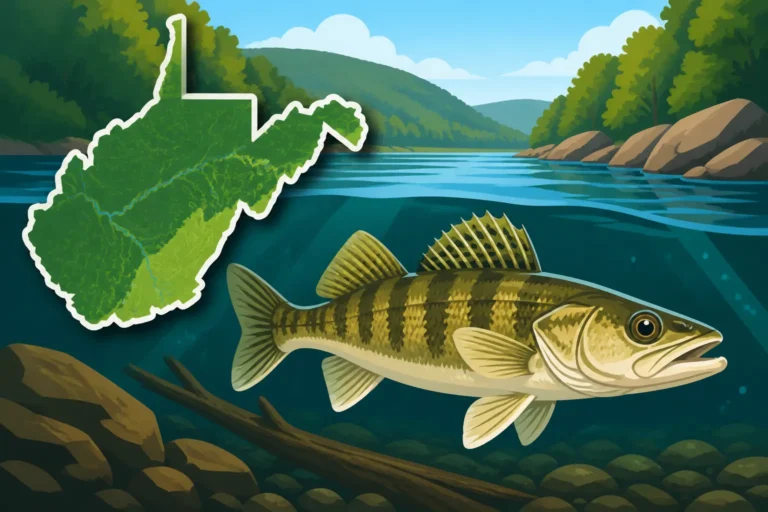
Muskie catch and release survival tips
Catching a muskie in West Virginia is often the culmination of endless casts and unwavering patience. When that moment finally arrives, the thrill is undeniable, but the real work begins right after the strike, especially if you're dedicated to their survival. These apex predators are incredibly powerful but also surprisingly fragile, and mishandling even for a few seconds can mean the difference between a successful release and a fish that struggles to recover. This guide is all about equipping you with the knowledge and techniques to ensure your trophy muskie swims away strong, ready to be caught another day.
Understanding Muskie Fragility and the Importance of Release
Muskies are magnificent creatures, often referred to as "the fish of 10,000 casts" for good reason. They are the top predator in many West Virginia waters, playing a vital role in maintaining ecological balance. However, their very nature – their size, their powerful fights, and their specific physiological makeup – makes them particularly susceptible to stress and injury when caught. Successful catch and release isn't just a suggestion; it's a critical practice for preserving these incredible fish and ensuring future generations of anglers can experience the same thrill.
Why Muskie Need Special Care
Unlike some hardier species, muskies have unique characteristics that demand careful attention during and after capture. Their large bodies and powerful musculature mean they expend immense energy during a fight, leading to significant lactic acid buildup and physiological stress. Think about a marathon runner hitting a wall – that's often what a muskie experiences, but with the added trauma of being hooked and pulled from its environment. Furthermore, their gills, while efficient underwater, are delicate and easily damaged by air exposure or rough handling.
When you're out on the Monongahela River or fishing one of our larger impoundments like Burnsville Lake, imagine the sheer force a muskie exerts when it hits your lure. That initial explosive run and subsequent head shakes are exhilarating, but they're also taxing. A muskie's slime coat, their primary defense against disease and parasites, can be easily rubbed off by dry hands or rough surfaces, leaving them vulnerable. This combination of physical exhaustion, delicate anatomy, and protective slime coat means that every interaction, from the moment of the strike to the final release, needs to be executed with precision and care.
The Impact of Poor Handling
The consequences of poor handling can be devastating for a muskie. While a fish might swim away immediately after release, it could still suffer from "delayed mortality." This means it might die hours or even days later due to injuries, exhaustion, or infection from lost slime coat. Air exposure is one of the biggest culprits; a muskie's gills are designed to extract oxygen from water, not air. Even a short time out of water can cause irreparable damage to these delicate structures, making it impossible for the fish to "breathe" properly once returned to the water.
Consider a scenario on Stonewall Jackson Lake where an angler lands a beautiful muskie, pulls it onto the boat's carpet for a quick photo, struggles to remove the hooks with bare hands, and then rushes the fish back into the water without proper revival. The muskie might swim off, but the chances are high it has suffered gill damage, lost its protective slime, and is severely exhausted. This stress can compromise its immune system, making it susceptible to disease, or simply leave it too weak to hunt or escape predators. Understanding these risks is the first step in becoming a responsible muskie angler. Muskie Regulations in West Virginia Waters often emphasize catch and release practices due to these sensitivities.
Essential Gear for a Successful Muskie Release
Being prepared with the right tools is paramount for ensuring a quick and clean muskie release. You wouldn't go into a surgical procedure without the proper instruments, and releasing a muskie should be approached with a similar level of readiness. Having specialized gear not only makes the process safer for the fish but also significantly reduces the stress and frustration for you as the angler. Don't wait until you have a toothy, thrashing fish boatside to realize you're missing a critical piece of equipment.
Crucial Tools for Quick and Safe Unhooking
When a muskie hits, those lures often have multiple treble hooks, designed to get a solid hold. This means that removal can be tricky and dangerous if you're not equipped. The single most important tools for muskie release are long-nosed pliers, bolt cutters (or heavy-duty hook cutters), and a Jaw Spreader. Long-nosed pliers, preferably 11-14 inches, allow you to reach deep into a muskie's mouth without getting your hands too close to those razor-sharp teeth. They provide the leverage needed to twist and remove hooks quickly. For particularly stubborn hooks or those deeply embedded, bolt cutters are a lifesaver. Cutting the hook shank allows for easy removal of the pieces without tearing the fish's flesh or prolonging the unhooking process. You can find robust options for both on Amazon.
Imagine you're fishing on the New River for a monster muskie, and it inhales your lure, burying both trebles. Without cutters, you might spend precious minutes wrestling with the fish, causing unnecessary stress and potentially injuring yourself. A Jaw Spreader, while not always necessary, is invaluable for opening the muskie's mouth wide and safely, especially for photos or very deep hook sets. These tools should be easily accessible, not buried at the bottom of a tackle box. Having them ready on deck, ideally in a visible spot, shaves crucial seconds off handling time, maximizing the muskie's survival chances.
Choosing the Right Net for Muskie
A proper net is not just for landing the fish; it's a critical part of the release strategy. Forget those small bass nets; muskies require something substantial. You need a large, knotless, rubber-coated landing net. The "knotless" part is vital because knotted nylon nets can damage the muskie's delicate fins, eyes, and slime coat, acting like sandpaper. The rubber coating further protects the fish and prevents hooks from getting hopelessly tangled, which can extend handling time exponentially. Look for a net with a wide hoop and a deep bag, easily capable of enveloping a large muskie.
Consider a hot summer day on Summersville Lake. You've fought a trophy muskie for ten minutes, and it's finally boatside, exhausted. If you try to land it with a small, traditional net, the fish might thrash and injure itself on the net's frame or escape entirely. A large, rubberized net, like those offered by Best Landing Net for Muskie brands, allows you to gently scoop the fish, keeping it submerged and calm while you prepare for hook removal. The larger size ensures the fish can remain mostly in the water, reducing air exposure and stress. This is also where you might perform your quick measurements and photos before revival.
Boatside Tools and Storage
Beyond just the unhooking tools and net, having an organized setup on your boat or kayak can make a huge difference. Think about where you'll keep your measuring board, camera, and even a small bucket of water. A dedicated measuring board, ideally with a cradle that supports the fish's body, allows for quick, accurate measurements without placing the muskie on a rough, hot surface. A camera with a quick-draw strap means you can get your photo and return the fish to the water almost immediately.
For kayak anglers on the Cheat River, this might mean a milk crate setup at the stern, holding pliers, cutters, and a small, soft measuring tape easily within reach. On a larger boat fishing the Ohio River, a dedicated 'muskie station' with all tools laid out can prevent fumbling. Some anglers even keep a large cooler or livewell partially filled with fresh lake water, especially during warmer months, to give the muskie a brief recuperation period fully submerged before the final release. This thoughtful organization is an investment in the health of every muskie you encounter. You can find various boat storage solutions for your gear on Amazon.
Best Practices for Catching and Handling Muskie
Landing a muskie is a battle, but it doesn't have to be a death sentence. By adjusting your techniques during the fight and adhering to strict handling protocols, you can significantly increase the chances of a successful release. It's about being strategic, gentle, and always prioritizing the fish's well-being over a perfect photo or a prolonged moment of glory.
Minimizing Fight Time and Stress
The longer a muskie fights, the more exhausted it becomes, and the higher the lactic acid buildup in its muscles. This physiological stress can be fatal. Therefore, when you hook a muskie, it's crucial to bring it to the boat or shore as quickly and efficiently as possible. This means using appropriately heavy tackle. Don't try to land a 40-inch muskie on light bass gear; it's unfair to the fish and will only prolong the fight. Best Rods for West Virginia Rivers and Best Line Weight for Muskie Fishing recommendations exist for a reason – they give you the power to control the fish.
When fishing on the Tygart Lake for muskie, use a stout rod with a fast action, a robust reel, and strong, heavy line. Set your drag firm enough to apply pressure but loose enough to prevent line breaks during powerful runs. Once hooked, keep constant pressure on the fish. Pump the rod, reel down, and avoid letting the fish make long, tiring runs if you can help it. If the fish jumps or thrashes its head, maintain a low rod tip to reduce leverage and prevent hook pulls, but most importantly, keep reeling. The goal is to quickly subdue the muskie and get it into your net, not to wear it out completely.
Keeping the Muskie in the Water as Much as Possible
This is perhaps the single most important rule for muskie catch and release: Keep the muskie in the water as much as possible. Air exposure is incredibly damaging to their gills and can quickly lead to suffocation or irreversible harm. Ideally, the entire unhooking process, measuring, and even photography should happen with the muskie still submerged, either in a large net or alongside the boat.
Imagine a large muskie caught on the Little Kanawha River. You've carefully netted it. Instead of hoisting it into the boat, leave the net in the water, supported by the gunwale or a floating platform. Reach into the net with your long pliers and cutters, quickly removing the hooks. If a photo is absolutely necessary, lift the fish briefly (no more than 5-10 seconds) for a picture, ensuring its body is fully supported horizontally. Never hold a muskie vertically by its head or tail, as this can severely damage its spine and internal organs. A quick shot with the fish's head just above the water is often the best compromise. This minimal air exposure strategy greatly increases the muskie's chances of recovery.
Safe Hook Removal Techniques
Efficient and gentle hook removal is crucial. As mentioned, having the right tools is key. Once the muskie is secured in the net and mostly submerged, assess the hook situation. If the hooks are outside the mouth or easily accessible, use your long-nosed pliers to twist and back them out carefully. Always try to remove hooks in the direction they entered, avoiding unnecessary tearing of flesh.
If the hooks are deeply embedded or multiple hooks are involved, don't hesitate to use your bolt cutters. Snip the individual hooks or barbs, then gently pull the pieces out. It's far better to leave a tiny piece of metal in the fish's mouth than to tear a gaping wound trying to force out an entire treble hook. For example, if a treble hook is deeply lodged in the roof of the mouth, snip off the eye of the hook and each individual barb, then pull the shank out from the bend. Sometimes, you might need to use a jaw spreader if the mouth is clamped tight, but always do so gently. Your objective is surgical precision, not brute force.
Reviving and Releasing Your Trophy Muskie
After the excitement of the catch and the quick work of unhooking, the final act of a responsible angler is ensuring the muskie is properly revived and released. This isn't just about tossing it back in the water; it's about giving the fish the best possible chance to swim away strong and resume its life in West Virginia's waterways.
Proper Revival Techniques
Once the hooks are out, the muskie needs time to recover from the stress and exertion. This process is known as revival. Hold the muskie gently by the tail (with a wet hand or glove) and support its belly, keeping it submerged in the water, ideally facing into a gentle current or with the boat moving slowly forward. This allows water to flow over its gills, helping it to reoxygenate. Don't hold it stationary in still water, as this won't provide the necessary oxygen exchange.
While reviving, observe the fish closely. You'll notice it start to breathe more regularly, its fins might begin to twitch, and it will eventually try to orient itself upright. It might even try to swim away. Do not rush this process. A muskie might need anywhere from a few minutes to over ten minutes to fully revive, especially on a warm day or after a long fight. For instance, after a particularly grueling battle with a large muskie on the Kanawha River, you might spend five to eight minutes gently cradling the fish, allowing fresh water to wash over its gills until it gives a strong kick and attempts to swim off under its own power. How to Catch Muskie in West Virginia often includes these crucial steps.
Signs of a Successful Release
Knowing when a muskie is truly ready to be released comes down to observation. A properly revived muskie will exhibit several key signs of readiness. Firstly, it will be able to hold itself upright without assistance. If it's still listing to one side or rolling over, it's not ready. Secondly, it will make strong, deliberate tail kicks and attempt to swim away from your grasp. You should feel a definite pull as it tries to escape. Thirdly, its gill plates will be opening and closing rhythmically and strongly, indicating good oxygen flow.
If you're holding a muskie in the net and it tries to bolt, that's a good sign. When you release your grip, it should swim down with purpose, not just float listlessly at the surface. Releasing a muskie that still seems lethargic is like letting someone go who's just woken from anesthesia – they're not fully functional yet. Wait until it clearly demonstrates the strength and coordination to navigate its environment effectively. This patience ensures you're giving the fish the best chance at survival and contributing positively to the Muskie Life Cycle and Growth Rate in West Virginia Waters.
When to Seek Assistance
Sometimes, despite your best efforts, a muskie might be deeply stressed or injured, particularly during warmer water temperatures. If a fish is bleeding heavily, has severe gill damage, or simply won't revive after a reasonable amount of time, you might need to make a tough decision. In such rare cases, if the fish cannot be revived, it is best to contact the West Virginia Division of Natural Resources (WVDNR) to report the incident. They can provide guidance on what to do.
It's a rare and unfortunate event, but understanding when to call for help rather than simply leaving a struggling fish is part of responsible angling. Hopefully, with proper gear and techniques, this scenario will never happen to you. Your dedication to muskie conservation helps ensure that these magnificent fish continue to thrive in West Virginia's waterways, offering thrilling encounters for years to come.
Here’s a quick summary of key actions for a healthy muskie release:
| Stage | Action | Key Tools Needed | Why it Matters |
|---|---|---|---|
| Pre-Catch | Prepare all tools for quick access | Long-nosed pliers, Bolt cutters, Jaw spreader | Reduces handling time and stress on the fish |
| During Fight | Use heavy tackle, minimize fight time | Strong rod, reel, heavy line | Prevents exhaustion and lactic acid buildup |
| Landing | Use a large, knotless, rubber-coated net | Large rubberized net | Protects slime coat, fins, and keeps fish submerged |
| Unhooking | Keep fish in water; use pliers/cutters | Long-nosed pliers, Bolt cutters, Jaw spreader | Minimizes air exposure; quick and safe hook removal |
| Photography | Brief, horizontal lift; minimal air exposure | Camera | Reduces stress and physical strain on muskie |
| Revival | Cradle fish in water, face into current | Your hands (wet), moving boat (optional) | Reoxygenates gills, allows fish to regain strength |
| Release | Wait for strong kicks, upright orientation | Your hands (wet) | Ensures fish swims away strong and recovers |
Remember, every muskie released successfully contributes to the health and future of West Virginia's trophy muskie fishery. Let's keep these incredible fish thriving! For more details on where to find these giants, check out Best Muskie Waters in West Virginia.
Disclaimer
This article is for general informational purposes only and does not constitute professional advice. Laws, prices and regulations vary by location and change over time. Consult a qualified professional for guidance on your specific situation.