Do Trout Reproduce Naturally in West Virginia Streams?
It's a question every angler in West Virginia eventually asks, often with a mix of hope and skepticism: do trout actually reproduce naturally in our beautiful mountain streams, or are we just catching fish that the West Virginia Division of Natural Resources has so generously provided? It’s a completely fair question, especially given how much fantastic stocking work goes on across the state. The truth, as it often is with nature, is a little more nuanced and incredibly exciting. This guide will take you deep into the world of West Virginia's wild trout, exploring where they live, how they thrive, and how we, as anglers, can help protect them.
The Heart of the Question: Wild vs. Stocked Trout
Let's be honest, when you're casting into a sparkling West Virginia stream, the thought often crosses your mind: "Is this fish wild or was it put here?" There's a certain romance to catching a truly wild fish, one that fought its way through life without human intervention until your line found it. But with so many incredible stocking programs, it's easy to wonder if any truly wild populations persist.
Understanding "Wild" Trout in West Virginia
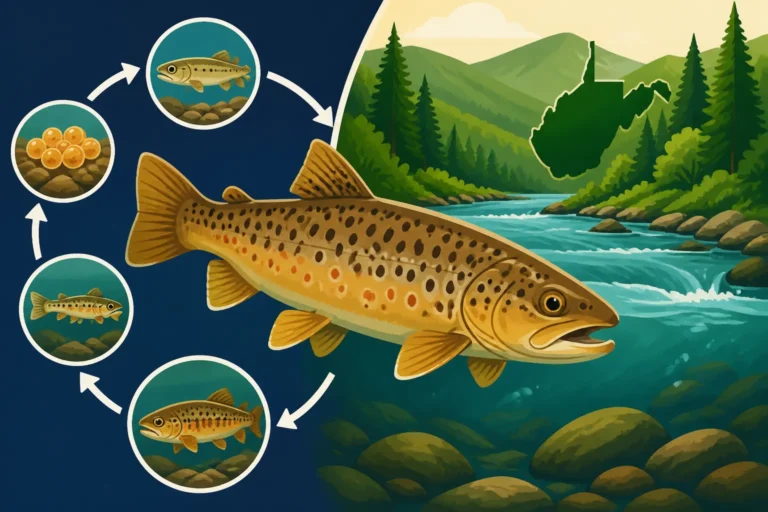
When we talk about "wild" trout in West Virginia, we're referring to fish that have completed their entire life cycle—from egg to adult—in the stream itself, without any human assistance like stocking or hatchery rearing. These fish are born of the stream, by the stream, and are perfectly adapted to their environment. They often display more vibrant colors, sharper fins, and an incredible resilience that comes from surviving in a challenging, natural world.
The distinction is crucial for many anglers. A wild trout is a testament to the health and vitality of a waterway. Catching one isn't just about the fish; it's about connecting with an ecosystem that supports natural life. These aren't always the biggest fish in the stream, but they often put up a feistier fight and demand more skill to entice. They've learned to evade predators, find food, and survive fluctuating water conditions, making them truly special. The presence of naturally reproducing trout populations is a key indicator of pristine water quality and healthy riparian habitats.
The Role of Stocking Programs
Now, let's talk about stocking. The West Virginia DNR does an absolutely phenomenal job of stocking trout across the state, ensuring that anglers have abundant opportunities to wet a line and experience the thrill of a tug. These stockings are vital for many areas that might not have the natural conditions to support a year-round wild trout population, or for waters that experience heavy fishing pressure. West Virginia Trout Stocking Hotline and Schedule
Stocked trout are typically raised in hatcheries, then transported and released into designated waters. They provide immediate gratification for countless anglers, especially families and beginners, who might otherwise struggle to find success. These programs introduce fish into accessible locations, creating fantastic fisheries that are enjoyed by thousands. However, this prevalence of stocked fish can sometimes lead to the perception that all trout in West Virginia are stocked, obscuring the quiet, vital populations of wild fish. It's a double-edged sword: stocking provides access and enjoyment, but it can also inadvertently lead anglers to overlook or misunderstand the presence of wild trout.
Where Nature Still Thrives: West Virginia's Wild Trout Waters
Despite the widespread stocking efforts, West Virginia is still home to an impressive network of streams where wild trout not only survive but truly thrive. These are often the hidden gems, requiring a bit more effort to reach but offering an unparalleled angling experience.
Identifying Key Factors for Natural Reproduction
Natural trout reproduction isn't a random occurrence; it depends on a very specific set of environmental conditions that are met in certain West Virginia streams. The ecosystem has to be just right for eggs to hatch, fry to survive, and adult fish to sustain themselves and spawn again.
Firstly, water quality is paramount. Wild trout, especially our native brook trout, demand cold, clean, well-oxygenated water. That usually means headwater streams at higher elevations, fed by springs and shaded by dense forest canopies. Water temperatures need to stay consistently cool, even in summer, because trout eggs won't develop in warm water, and adult trout become stressed and can die if temperatures climb too high. Silt and pollution are absolute killers for trout eggs and fry, smothering them or introducing toxins. A healthy wild trout stream runs crystal clear, reflecting its pristine surroundings.
Secondly, habitat plays an equally critical role. Trout need specific stream features for all stages of their life cycle. They require gravel stream bottoms for creating their "redds"—the nests where eggs are laid and fertilized. Overhanging banks, large rocks, and fallen trees provide crucial cover from predators and strong currents, offering places to rest and ambush insects. A diverse invertebrate population, forming the base of the food chain, is also essential. A stream with uniform depth and no cover simply won't sustain wild trout. Best Fly Fishing Rivers in West Virginia
Finally, barriers and challenges are constantly at play. Pollution from various sources, whether agricultural runoff, acid mine drainage, or improperly treated wastewater, can devastate trout populations. Historical logging practices often removed stream-side vegetation, leading to increased water temperatures and sedimentation. Development can fragment habitats, create impervious surfaces that cause flash floods, and introduce more pollutants. Protecting wild trout often means addressing these human-caused challenges and restoring natural conditions wherever possible.
Famous and Hidden Gems for Wild Trout
West Virginia boasts some truly remarkable wild trout fisheries, though they often require a bit more effort to reach. The Monongahela National Forest, for instance, is a stronghold for many of these populations, with its vast tracts of undeveloped land and numerous high-elevation streams. Here, you'll find classic freestone streams tumbling down mountainsides, offering the perfect blend of cold water, rocky bottoms, and dense forest cover.
The stars of these wild waters are often the native Brook Trout: West Virginia's Native and State Fish. These beautiful, vibrantly colored fish are the state's official fish and thrive in the pristine conditions found in many remote Appalachian hollows. While smaller than some stocked rainbow or brown trout, a wild brook trout is a prize to behold. You'll also find naturally reproducing brown trout in some of West Virginia's larger, cooler rivers and their tributaries, particularly in the eastern panhandle. Native trout species found in West Virginia These brown trout, often descendants of earlier stockings, have successfully adapted and established self-sustaining populations. For specific guidance on these special places, look for information on West Virginia wild trout waters regulations, which often detail unique rules for these sensitive ecosystems.
The Life Cycle of a West Virginia Wild Trout
Understanding the life cycle of a wild trout really drives home how special these fish are. It's a delicate balance of timing, environment, and sheer grit against the odds.
Spawning Habits and Success Rates
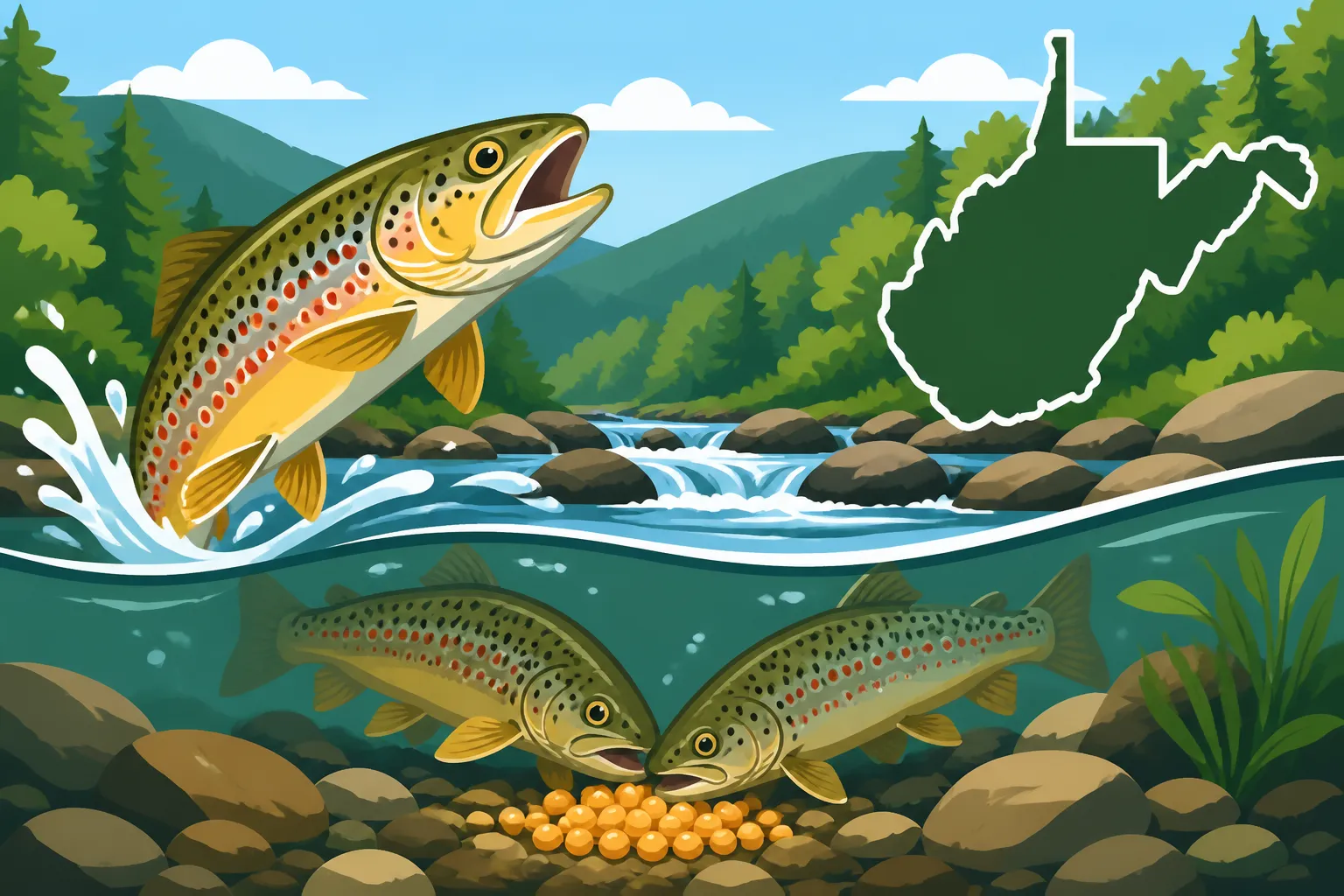
The journey for a wild trout begins with spawning. For our native brook trout and the naturalized brown trout, this typically occurs in the fall, often from late September through November as water temperatures begin to drop. Female trout, guided by instinct, will seek out areas of clean, oxygenated gravel where water percolates through the substrate. Using their tails, they meticulously fan out depressions in the gravel, called "redds." She then deposits her eggs into the redd, and a male trout, who has been aggressively defending his territory, fertilizes them. The female then covers the eggs with gravel, providing a protective layer from predators and currents. How many trout species live in West Virginia
Rainbow trout, where they have managed to establish self-sustaining populations (which is less common in West Virginia's streams than for brook or brown trout, but does happen in some unique systems), generally spawn in the spring. Regardless of the species, this process is incredibly vulnerable. Environmental factors like sudden heavy rains causing siltation, extreme cold, or warm spells can all negatively impact egg development. Many eggs simply don't make it, becoming a meal for other stream inhabitants. The success rate of natural reproduction is a fragile thing, highlighting the importance of a stable and healthy stream environment.
The Journey from Fry to Feisty Fighter
Once hatched, usually in late winter or early spring, the tiny trout are called "alevins." They still have a yolk sac attached, which provides initial nourishment as they remain hidden within the gravel. When the yolk sac is absorbed, they emerge as "fry"—small, vulnerable fish that must immediately begin to forage for themselves. This is an incredibly challenging stage, with high mortality rates from predators (birds, other fish, amphibians) and environmental stressors like fluctuating water levels or lack of food.
Those fry that survive quickly develop into "fingerlings" and then "juveniles." They learn to find cover, identify food sources like aquatic insects and small minnows, and adapt to the ever-changing conditions of the stream. This constant battle for survival is what makes wild trout so inherently "wild." They are constantly honed by their environment, developing the strong instincts, acute senses, and incredible agility that makes them such prized catches for anglers. A wild trout has earned its place in the stream, often growing slower than a hatchery fish but developing a robust constitution and a fierce will to survive.
How Anglers Can Support Wild Trout Populations
As anglers, we have a unique connection to these wild places and the fish that call them home. With that connection comes a responsibility to protect and preserve these precious resources. Our actions on and off the water can make a real difference.
Practicing Catch and Release Thoughtfully
If you're targeting wild trout, practicing careful catch and release is one of the most impactful things you can do. It’s not just about letting the fish go; it’s about maximizing its chances of survival once it swims away. Use barbless hooks, or at least pinch down the barbs on your regular hooks with a pair of pliers. This makes hook removal quick and minimizes tissue damage.
Whenever possible, keep the fish in the water while you remove the hook and take a quick photo. If you must handle the fish, wet your hands thoroughly first to protect its delicate slime coat, which is its primary defense against disease. Avoid squeezing the fish, especially around its belly, and revive it gently by holding it upright in the current until it swims away under its own power. A good, soft, knotless landing net, like those you can find on Amazon or at your local fly shop, is also invaluable for quickly and safely corralling a fish, reducing stress and handling time. Remember, the goal is for that fish to spawn again and contribute to future generations. West Virginia Catch and Release Rules for Trout
Advocating for Habitat Protection and Restoration
The health of wild trout populations is directly tied to the health of their habitat. This means cold, clean water and stable stream banks with plenty of natural cover. You can support wild trout by becoming an advocate for stream protection. This might involve supporting local conservation organizations, participating in stream cleanups, or even simply being mindful of your own impact when recreating in watershed areas.
Volunteer efforts, such as tree planting along stream banks, can help stabilize soil, reduce erosion, and provide essential shade to keep water temperatures cool. Reporting pollution or illegal dumping to the West Virginia DNR is another critical way to protect these fragile ecosystems. Every bit of effort to maintain or restore natural stream conditions directly benefits wild trout and all the other creatures that depend on a healthy aquatic environment.
Ethical Angling and Education
Beyond direct habitat work, embracing ethical angling practices and educating others is key. Always "leave no trace" by packing out everything you pack in, and even picking up any trash you might find. Be respectful of private property and other anglers. Understand and follow all West Virginia Fishing Regulations Explained, including those specific to wild trout waters, which may have different length or creel limits.
Using appropriate gear is also part of ethical angling. For instance, felt-soled wading boots, while offering good grip, can unfortunately harbor and transfer invasive species between watersheds. Many anglers are now opting for rubber-soled boots to minimize this risk. You can find a wide selection of wading boots, including many with rubber soles, on platforms like Amazon. Continually learning about trout biology, stream ecology, and responsible angling techniques helps us all become better stewards of these precious wild places. Best Waders for West Virginia Trout Streams
Common Misconceptions and Realities
There are a lot of ideas floating around about trout fishing in West Virginia, and some of them can obscure the truth about our wild populations. Let's clear up a few common misconceptions.
"All Trout are Stocked" Myth
This is perhaps the most pervasive myth, and it’s understandable given the success and visibility of the state’s stocking programs. Many anglers, especially those new to the sport or who primarily fish easily accessible streams, might only encounter stocked trout. They're often larger, more numerous, and sometimes easier to catch, reinforcing the idea that they're the only game in town.
However, the reality is that West Virginia still holds significant pockets of naturally reproducing trout, particularly our beloved native brook trout, but also some fantastic wild brown trout populations. Finding these wild fish often means venturing into more remote, headwater streams and hiking a bit further from the beaten path. It requires a different approach, often favoring stealth, presentation, and matching the hatch over power baits or flashy lures. But the reward of catching a truly wild trout, a product of pure Appalachian wilderness, is an experience that many anglers cherish above all else. Don't let the ease of stocked fishing make you believe there isn't a thriving wild side to West Virginia's trout streams. Trout Fishing in West Virginia
The Impact of Stocking on Wild Fish
While stocking provides incredible opportunities, it's also true that stocking can have potential impacts on existing wild trout populations, particularly when non-native species are introduced into wild trout waters. This is why the DNR carefully manages where and what species are stocked.
One concern is competition for resources. Stocked fish, often larger and less wary initially, can compete with wild fish for limited food and prime habitat. While many stocked fish are quickly caught by anglers or succumb to natural predators, their temporary presence can put pressure on the wild fish population. Another worry is disease transmission. Hatcheries, by their nature, can sometimes be environments where diseases are more easily spread. While hatcheries implement strict health protocols, there's always a slight risk that stocked fish could introduce pathogens to a wild population that has no natural immunity.
Less of a concern in West Virginia, but still a factor in some regions, is genetic dilution. If hatchery-reared fish of the same species as a wild population are stocked, there's a risk they could interbreed. Hatchery fish, bred for growth and survival in controlled environments, may not possess the same genetic traits that allow wild fish to thrive in their specific, often harsh, natural environment. Their offspring might be less adapted and less robust. Fortunately, much of West Virginia's wild trout management focuses on protecting native brook trout populations from these specific impacts by limiting stocking of other trout species in those sensitive areas.
Here's a quick comparison of characteristics:
| Feature | Wild Trout Populations | Stocked Trout Programs |
|---|---|---|
| Origin | Born and raised entirely within the stream | Raised in hatcheries, then released into streams/lakes |
| Survival Rate (Initial) | High mortality rate for eggs and fry naturally | High initial survival due to size, but quickly caught |
| Adaptation | Genetically adapted to specific stream conditions | Bred for hatchery conditions, less adapted to wild |
| Coloration | Often vibrant, intense colors | Can be duller, sometimes with worn fins |
| Fin Quality | Pristine, well-formed fins | Can have worn or nipped fins from hatchery conditions |
| Behavior | Wary, opportunistic, strong instinct for survival | Can be less wary initially, but adapt quickly |
| Habitat Needs | Requires pristine cold water, gravel, cover, diverse food | Can tolerate wider range of conditions (often temporary) |
| Growth Rate | Slower, depends entirely on natural food sources | Faster, fed controlled diets in hatchery |
| Angler Challenge | Often more challenging to locate and catch | Generally easier to catch, especially soon after stocking |
| Contribution to Future | Direct through natural reproduction and genetic health | Indirect through providing fishing opportunities |
In conclusion, the short answer is a resounding "Yes!" West Virginia streams absolutely harbor naturally reproducing trout. While our state's excellent stocking program ensures plenty of fishing opportunities for everyone, there's a wild heart beating in many of our pristine mountain waters. Discovering and protecting these wild populations is a rewarding journey for any angler, deepening our connection to the incredible natural beauty of the Mountain State.
Disclaimer
This article is for general informational purposes only and does not constitute professional advice. Laws, prices and regulations vary by location and change over time. Consult a qualified professional for guidance on your specific situation.